




If you’re an EV owner, or thinking about becoming one, you’ve probably heard the phrase “range anxiety.” It’s that nagging fear of your battery running out of juice before reaching your next stop. Plus, buying cars with more range gets a lot more expensive and out of budget. Here’s the good news: with a few smart habits and basic understanding about how electric vehicles work, you can easily stretch your affordable EV’s range and make every kilowatt (kWh) count.
Let’s break down the best, real-world ways to increase your EV’s driving range.
1. Play to the strengths of EVs
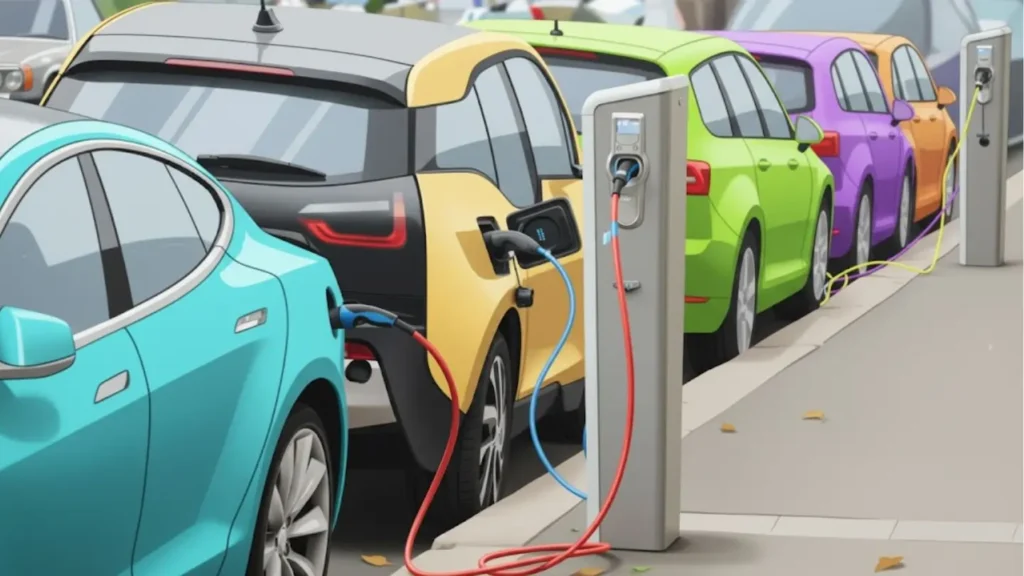
Here’s the trick- unlike petrol cars, which are more efficient on highways, EVs usually perform better in city traffic. Stop-start conditions actually help your EV recover energy through regenerative braking, while high-speed motorway driving tends to drain the battery faster. So, if your daily commute keeps you below 70km/h, you’re already in range-friendly territory.
2. Drive smoother
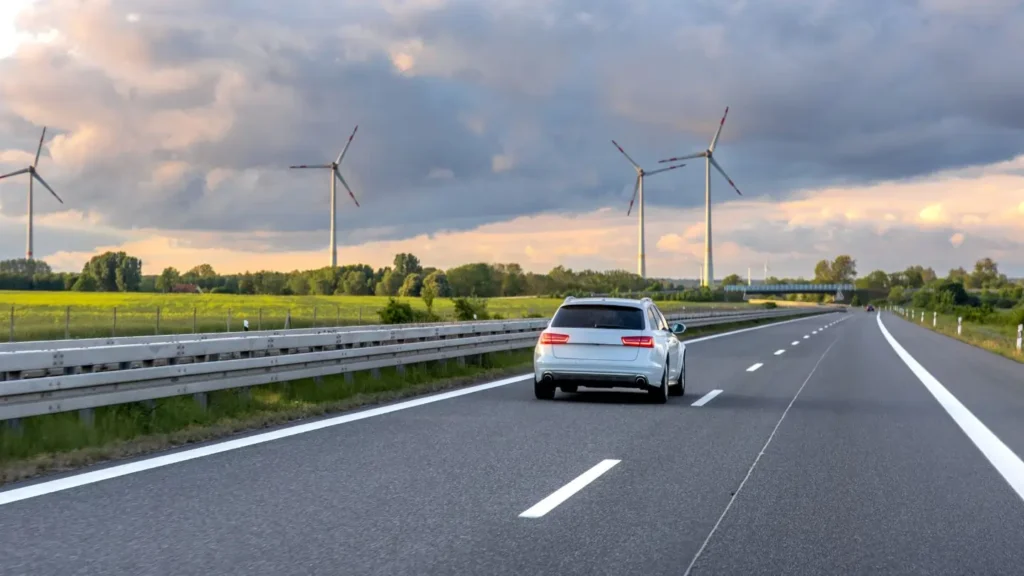
EVs deliver instant torque, and it’s tempting to use it to rocket out of junctions or when merging. But rapid acceleration and heavy braking (even with regenerative braking) are range killers. Around half of your EV’s energy can go into acceleration alone. The key is consistent and smooth throttle inputs:
- Accelerate gently and maintain steady speeds as much as possible.
- Anticipate traffic lights and ease off early rather than brake hard.
- Make the most of regenerative braking, which converts kinetic energy back into electricity, topping up your battery as you slow down.
A calm driving style doesn’t just extend range; it also gives you a smoother, quieter, more refined drive, the kind EVs are built for.
3. Use climate control smartly
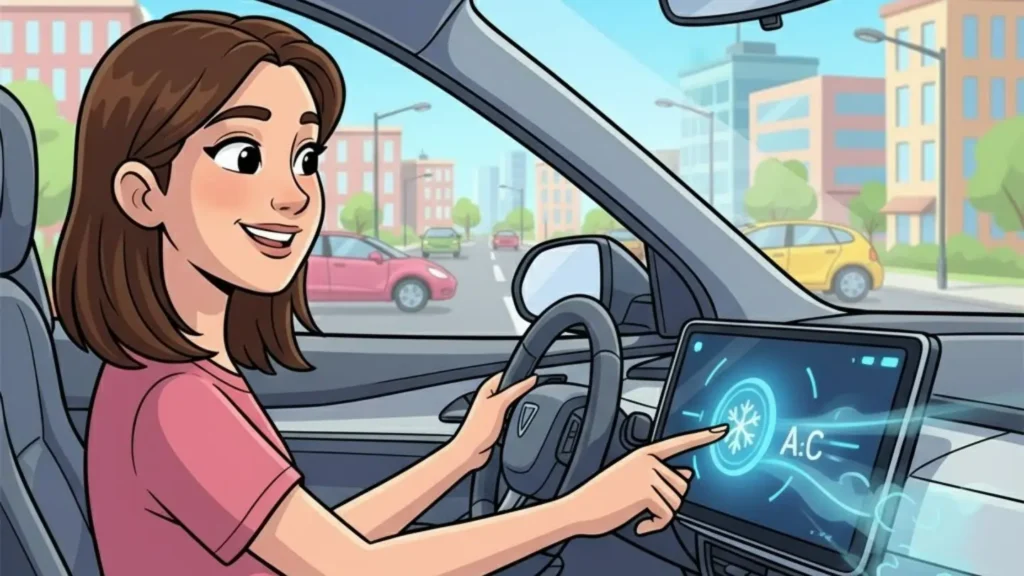
Heating and cooling systems are among the biggest drains on your EV battery. Simply switching it off can add 20-30kms to the indicated range of an EV. Every degree of ambient comfort costs energy, especially on longer trips.
Try these pro tips:
- Precondition your cabin while charging up. Many EVs allow you to warm or cool the interior using mains power before you start your journey.
- Use seat and steering wheel heaters instead of heating the whole cabin. They use far less power.
- Switch to “Eco” mode to limit air-con energy use.
In hot weather, park in the shade when possible to reduce cooling demands from the climate control system. Similarly, in winter, preheat your car while it’s still charging; your battery will thank you.
4. Reduce weight, drive lean
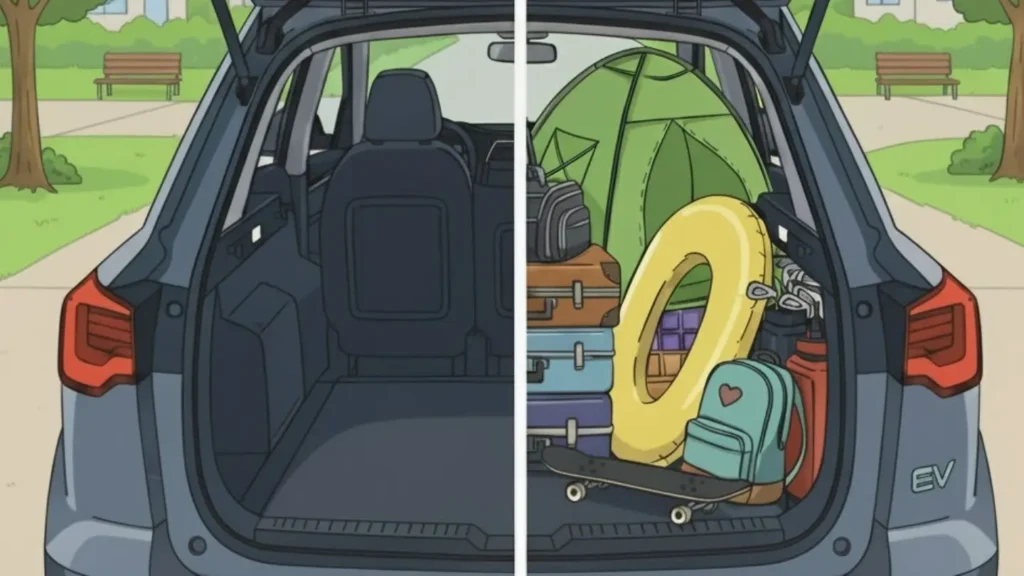
Every extra kilo your EV carries requires extra energy to move. Personal fitness aside, it’s also important to not lug around any unnecessary weight in your electric car if you want to get the maximum range out of it. A few small changes can make a surprising difference:
- Clear out the boot of heavy or unnecessary items (probably why some new EVs don’t come with a spare tyre at all).
- Remove roof racks or bike carriers when not in use; they also add aerodynamic drag and reduce range.
5. Keep it aerodynamic
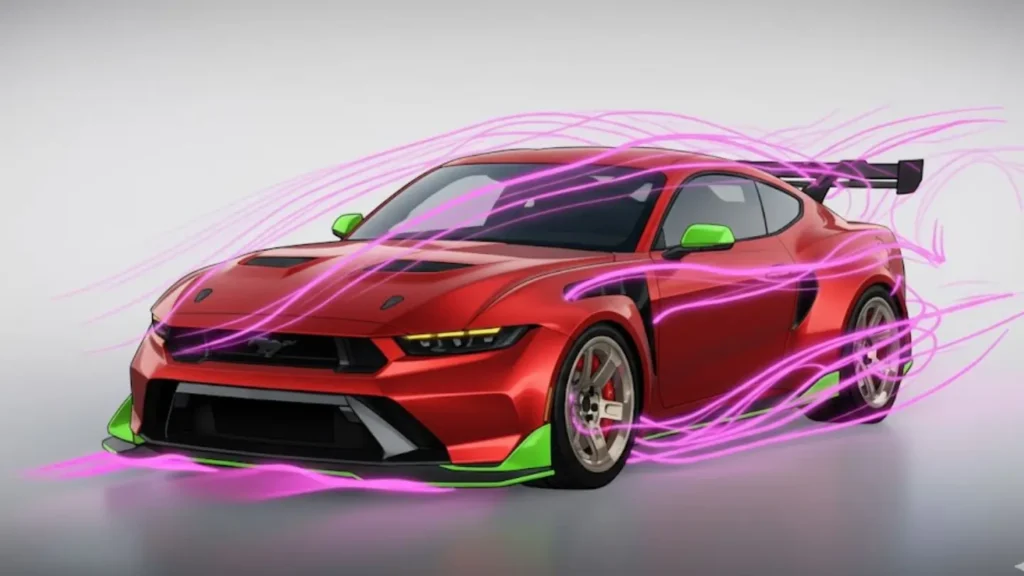
Ever stuck your hand out of the window while driving on the highway? Experienced the difference in having it open palmed against the wind versus doing the dolphin move? Yeah, that’s aerodynamics. The car has to push through air to move and that consumes energy. The shape of the car can make it easier or harder to cut through air with minimal drag, and that’s aerodynamic efficiency. The lower the drag, the better the energy efficiency, and thus increased range. Here are some easy tips to manipulate aero for maximum kilometres per charge:
- Even keeping your car clean and waxed can marginally improve aerodynamics.
- Another easy aerodynamic tip is to keep your windows closed while driving and it ties into using your climate control smartly.
- Avoid any accessories that can add drag and reduce the default aerodynamic efficiency of your EV’s shape and design.
This is a risky one but can be used in extreme situations when you’re low on range and not close to a charger – tailgating a larger vehicle. The bigger car or truck is doing all the work of pushing air aside and by driving in its wake, your car is basically driving with minimal resistance and being more energy efficient. Again, this is only for extreme cases as the accidental risk is not worth cheap thrills of a few extra kilometres of range. You should halt this tactic as soon as you can reach a functional EV charger to top up the EV’s range.
The leaner and smoother your EV, the further it’ll go.
5. Maintain the right tyre pressure
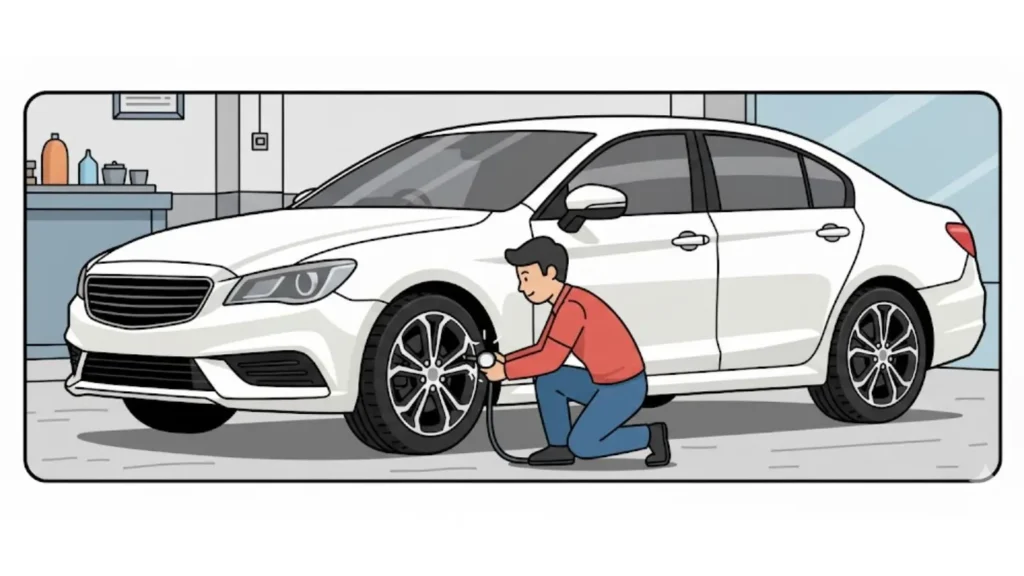
Underinflated tyres increase rolling resistance, meaning your battery has to work harder to move the car. Check your tyre pressure regularly and keep it at the manufacturer’s recommended level. Most EVs do come with a tyre pressure monitoring system that will alert the driver if it detects low tyre pressure, or simply reflect the current pressures.
Also, ensure your tyres are properly aligned to ensure max grip, even tyre wear, and kept in good condition. Although reduced tyre tread might improve energy efficiency, it’s a safety hazard that reduces braking ability and handling. A simple service check can go a long way in keeping your EV running efficiently.
6. Plan your route in detail (and your charging stops)
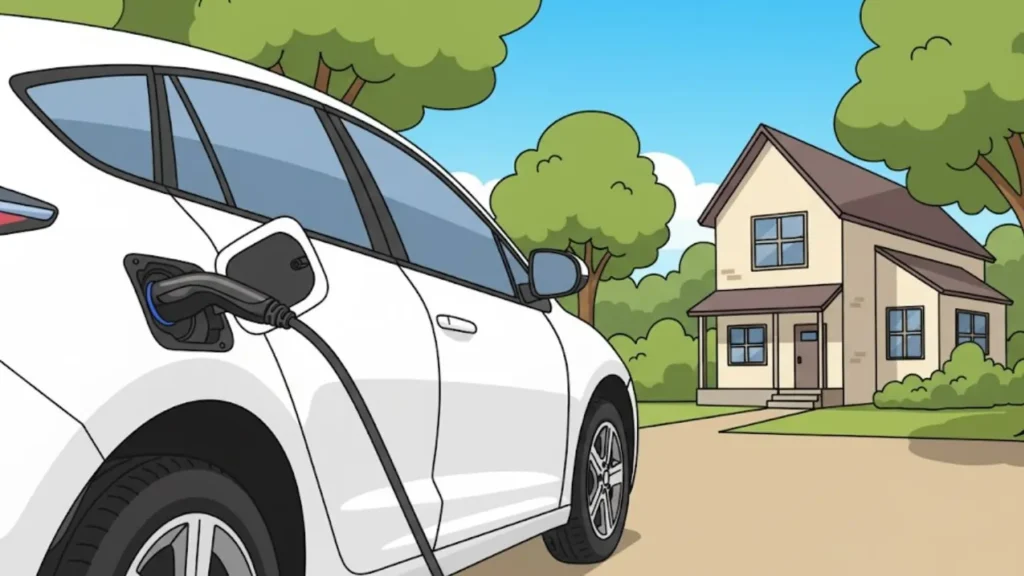
Planning ahead is one of the smartest things you can do for optimising your EV’s range and thwarting that bug of “range anxiety”. There are multiple apps out there that can help you map out nearby charging stations along the route and help you plan top-ups without wasting range on unnecessary detours.
If you’re going on a longer road trip:
- Charge to 95-100% before leaving home.
- Stop for 20–30-minute top-ups to around 80%; the final 20% charges more slowly so don’t hang around to hit 100% on the readout.
- Avoid long stretches at high speeds where possible; slower routes with regenerative braking opportunities can be more efficient overall. If you’re driving in the hills, you can basically complete the downhill section with minimal energy consumption or come out with added range thanks to regenerative braking.
If your electricity provider offers off-peak EV plans, schedule home charging overnight to save on both energy and cost.
7. Keep an eye on the weather
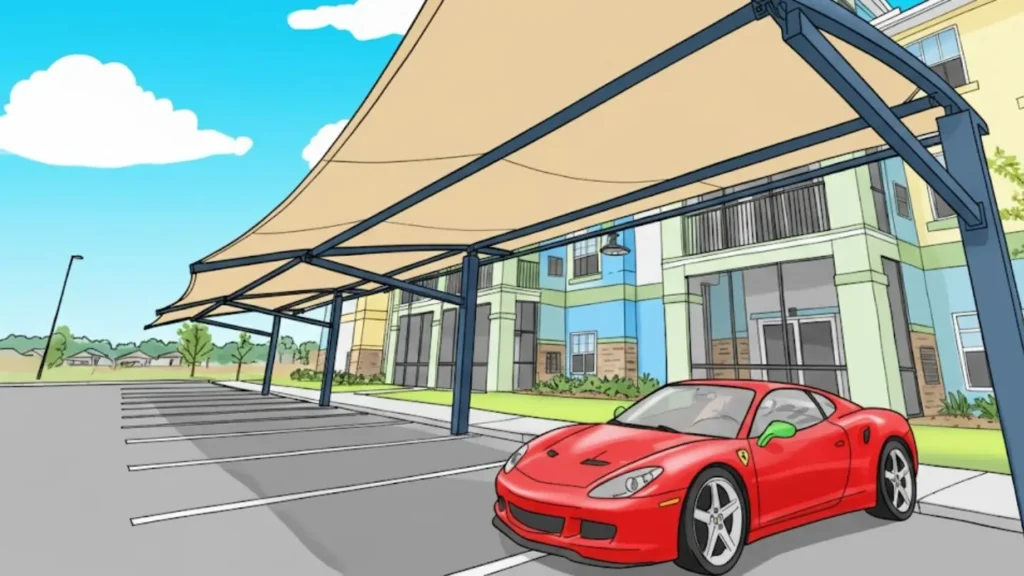
Temperature extremes can impact your battery’s efficiency. Most EVs perform best around 20°C.
- Hot weather: Try parking in shaded areas and avoid unnecessary use of air-con.
- Cold weather: Preheat the cabin while plugged in and use seat heaters rather than full cabin heating.
Your EV’s thermal management system will do its best to maintain optimal battery temperature, but being mindful of climate control in extreme conditions can make a noticeable difference to range.
8. Look after your EV
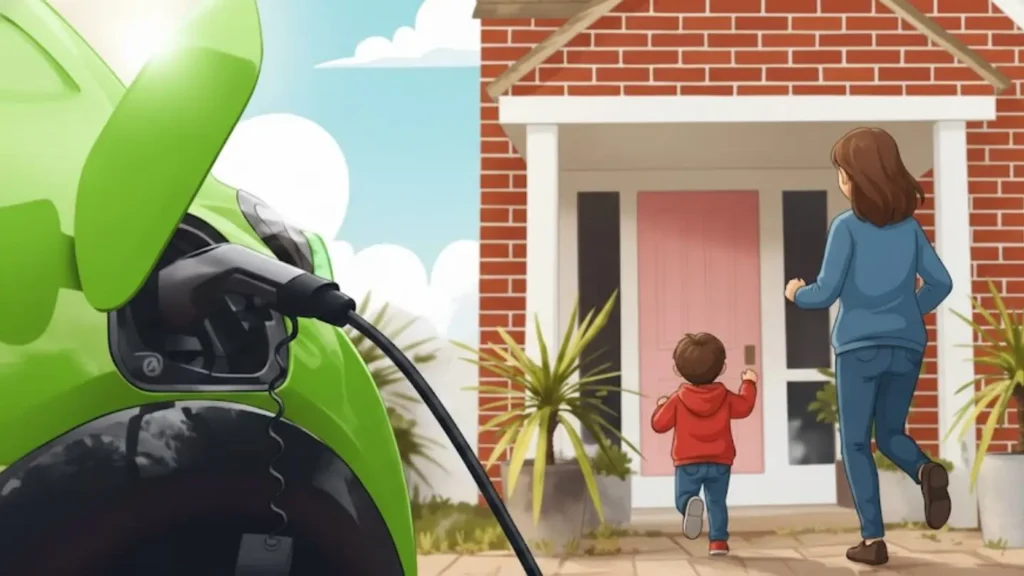
Like any vehicle, a well-maintained EV performs better and lasts longer. Schedule regular servicing, check tyre wear, and ensure brake systems and cooling fluids are in good shape.
And while it might sound trivial, keeping your car clean, charging it smartly, and parking it out of extreme conditions will all add up over time.
BEV vs Hybrid with EV mode
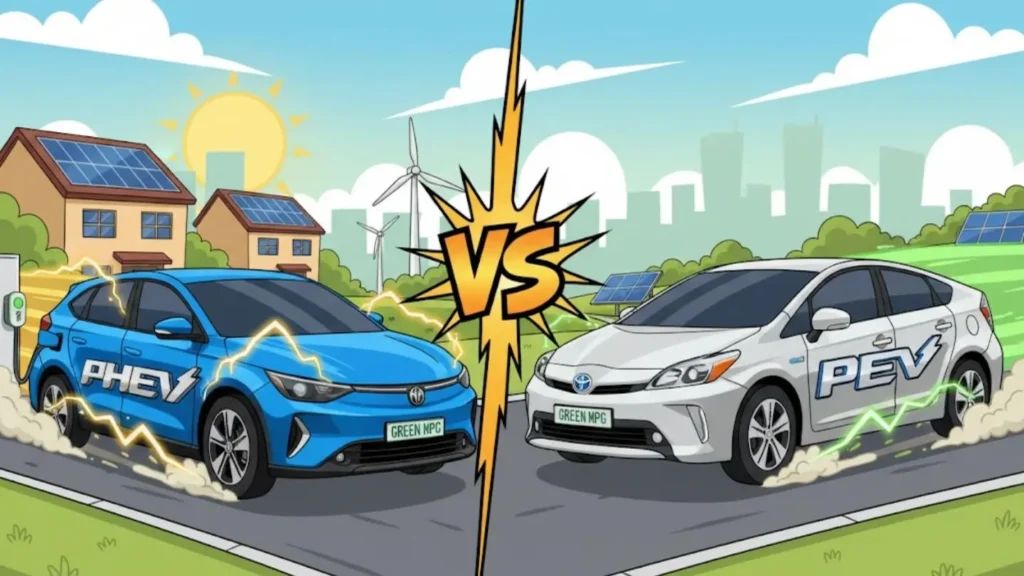
- Battery Electric Vehicles (BEVs) rely solely on electric motors powered by large battery packs. They don’t have an engine, so every bit of movement or cabin comfort draws energy directly from that battery.
- Plug-in Hybrid Electric Vehicles (PHEVs) combine an electric motor with a petrol engine, allowing you to recharge the battery while driving through regenerative braking or engine support.
Final Word
As EV technology evolves, battery capacities are increasing and charging networks are expanding across Australia. The average EV today can comfortably cover over 450–500km on a single charge, more than ten days of average driving for most Australians.
With these simple tips and smart driving habits, you can confidently get the most out of your EV and make “range anxiety” a thing of the past.

Comments
New Comment