




Buying a car feels great! From finding the one you want to the test drive, all until you reach the paperwork stage and spot the additional cost of stamp duty on a car, added to the total cost. That extra few hundred or a few thousand dollars (depending on the list price of the car) often surprises first-time car buyers. Consequently, this question comes up- Can you avoid paying stamp duty on a car? The short answer is no, but there are exemptions for particular circumstances. But first, one must understand what is stamp duty for a car, why it exists, and how it’s calculated. After that, the whole process becomes much easier to plan and budget for.
What is stamp duty for a car?
Let’s start with the basics- what is it? Stamp duty is a state or territory tax charged when a vehicle changes ownership. This tax is intended to contribute to public services and infrastructure within your state or territory. In other words, stamp duty on a car isn’t just a random fee or a fancy stamp; it’s a government charge attached to vehicle ownership transfers and a crucial step in the car buying process.
Why does it exist?

You might be thinking it’s unfair to have to pay the government extra money on top of the taxes you already have to pay. But the stamp duty charges are one of the ways states can raise funds directly for locally-run amenities like road building, schools, emergency services and so on. Typically, cars are seen as high-value items, and the stamp duty for a car helps pay for the administrative costs to facilitate the purchase or transfer from the management of the registries to the filing of paperwork and number plate transfers. States also argue that stamp duty on a car helps protect consumer interest from threats like undervaluation or flippant pricing.
How does stamp duty on a car work?
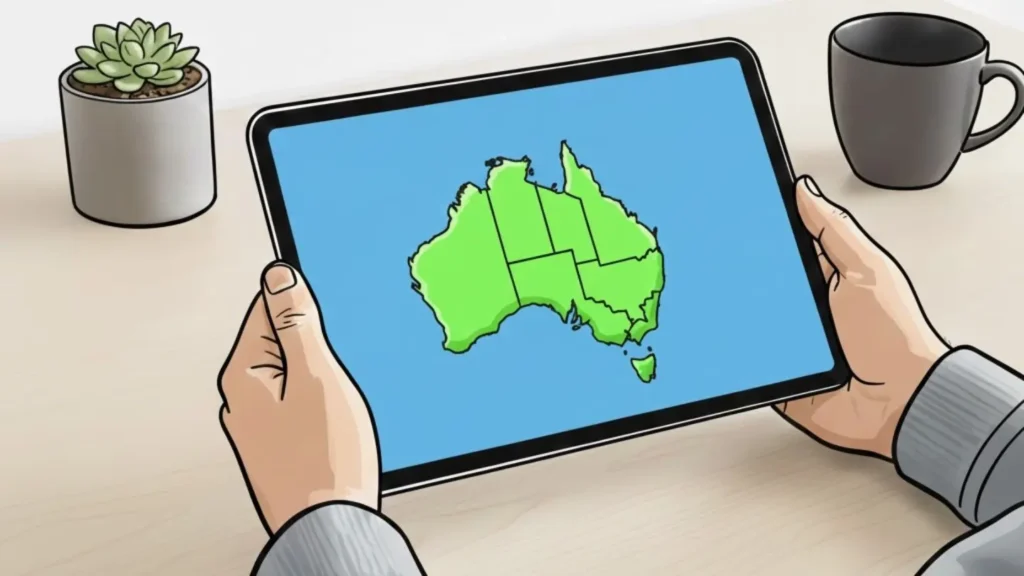
You’ll need to pay stamp duty on a car whenever you buy a new or used car and transfer it from the previous owner to your name. The amount of stamp duty charged depends on the vehicle’s value and the rules of the state where the vehicle is registered. The easiest way to estimate the cost is by using a car stamp duty calculator on your state government’s website. For example:
- In New South Wales, buyers can use the NSW stamp duty calculator for cars to estimate stamp duty charges.
- In Queensland, the government provides the car stamp duty calculator QLD.
- In Victoria, buyers can rely on the VIC car stamp duty calculator.
These official tools ensure you know your fees upfront, and they reflect the latest rates in each state and territory.
Can you avoid stamp duty on a car?
Here’s the honest answer; most people cannot avoid paying stamp duty on a car. Since it’s a tax applied to almost every vehicle ownership transfer, skipping it isn’t possible or legal unless a recognised exemption applies. But instead of focusing on avoiding it, the smarter approach is knowing what are the exemptions and whether they can be applied to your situation.
Exemptions from paying stamp duty on a car
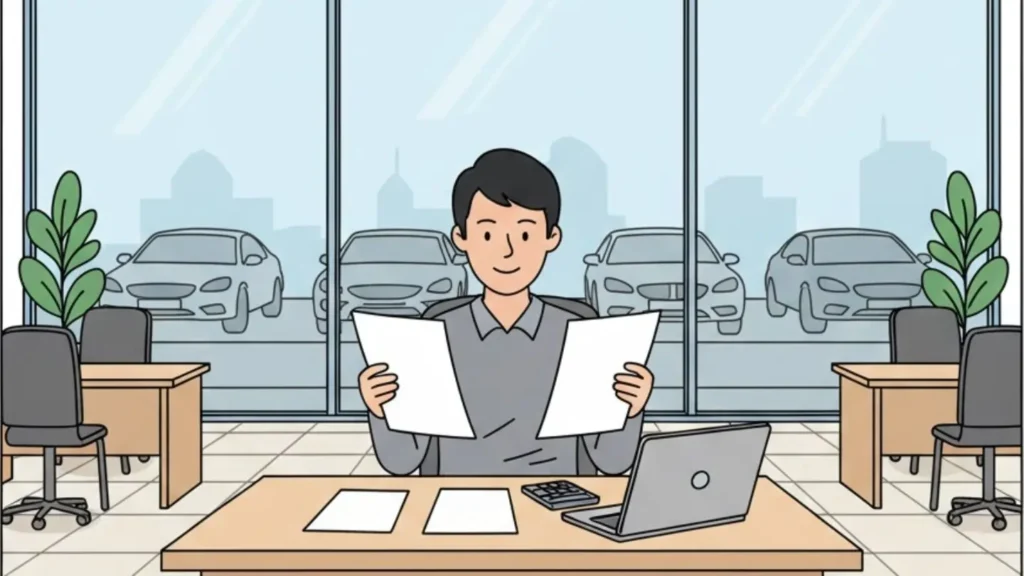
Every state and territory has slightly different rules about stamp duty fees, but exemptions on car purchase or transfer commonly include:
- Transferring ownership in a will
- Transfers due to divorce or de facto relationship breakdown
- A vehicle already registered in your name in another state, where stamp duty on your car has been paid
- Eligible war veterans or concession holders, depending on state rules
- In NSW, certain battery electric vehicles (BEVs) and hydrogen fuel-cell vehicles (FCEVs) under the dutiable value threshold
- Caravans in NSW and Queensland
Even in these cases, it’s still advisable to check current rules through a car stamp duty calculator or your local transport authority. Exemption thresholds and eligibility criteria change from time to time.
Can you lower the amount of stamp duty on a car?
Even though you generally can’t dodge stamp duty on a car entirely, there are a few smart ways to reduce what you pay:
- Consider vehicles that qualify for EV exemptions, especially in NSW
- Compare different vehicle values; the dutiable value affects how much stamp duty applies. A good deal is money saved twice!
- Use your state’s calculator before purchasing so you can budget properly
For example, plugging different prices into the stamp duty calculator NSW for a car, the car stamp duty calculator QLD, or the car stamp duty calculator VIC can help buyers understand how small price differences alter the final tax amount due.
Final advice

Most Australians won’t be able to avoid stamp duty on a car, but that doesn’t mean you need to walk into it blindly. Understanding what is stamp duty for a car, estimating your costs through a car stamp duty calculator in advance, and exploring state exemptions through the stamp duty calculator ensures there are no financial surprises at the dealership.
FAQs
- Is it possible to avoid stamp duty on a car?
In most cases, stamp duty is a compulsory government tax and can’t be skipped. However, depending on the state or territory, certain buyers may qualify for exemptions or reductions, for example, eligible concession categories (for vehicles). The key is not avoiding stamp duty, but knowing details about the approved exemption categories.
- Is my car exempt from stamp duty in Australia?
There’s no way to sidestep stamp duty unless you’re eligible under rules set by your state or territory. Some vehicles in NSW qualify for an exemption from motor vehicle stamp duty. These stamp duty exemptions apply to eligible buyers of full battery-electric vehicles and hydrogen fuel-cell electric vehicles (weighing under 4.5 tonnes) purchased on or after 1 September 2021 and with a dutiable value of up to $78,000.
- Why is stamp duty so expensive for a car?
Stamp duty on a car is tied to the vehicle’s dutiable value, which is usually the purchase price or market value. Because the tax is calculated as a percentage of that figure, higher-value cars naturally attract higher stamp duty. It applies whether the vehicle is new or used, and the idea behind it is that the government collects revenue each time ownership of a vehicle changes hands.
- Is stamp duty on a car necessary?
Yes, stamp duty on a car is required. Paying stamp duty is what makes the transfer paperwork official and legally recognised, ensuring the ownership documents can be upheld if they ever need to be reviewed or challenged in court.

Comments
New Comment