




Yes, you can own an electric vehicle without being able to charge it at home. But whether you should depends on where you live, how you drive, and how much inconvenience you’re willing to plan around.
For a growing number of Australians living in apartments, rental properties, or older homes, this is one of the most pressing questions before making the switch to electric. This article cuts through the noise and gives you a practical, honest answer.
Why is charging an electric car at home considered the gold standard?
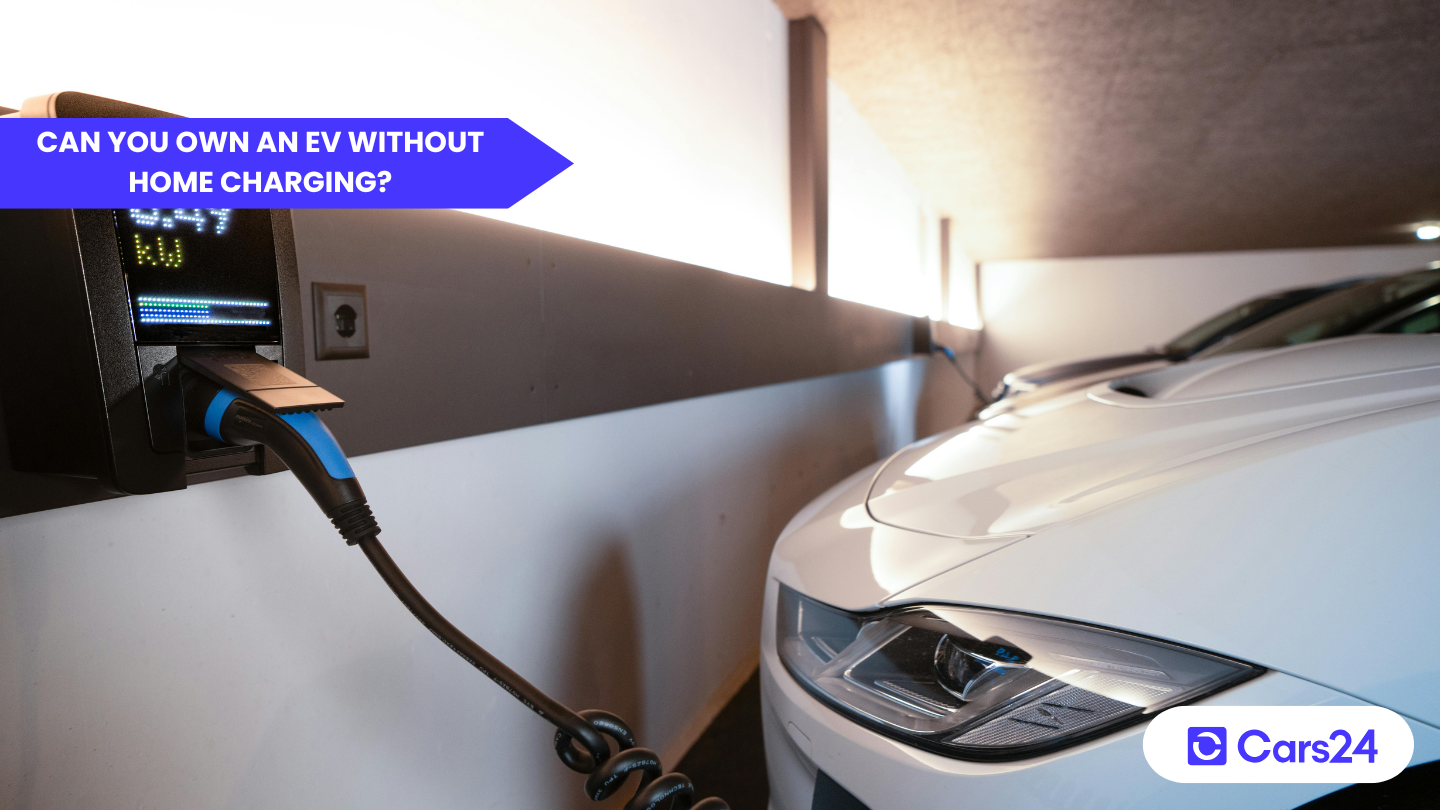
The vast majority of EV owners charge overnight at home, and for good reason. Charging an electric car at home is convenient and cheap (especially on off-peak tariffs). It means you start every morning with a full battery without ever visiting a petrol station or public charger.
A standard home wall charger (Level 2, 7-22kW) can replenish most EVs overnight with ease. How long does it take to charge an electric car at home? On a typical 7.2kW home charger, a 60kWh battery common in vehicles like the BYD Atto 3 or MG ZS EV will charge from 20% to 100% in roughly 7-8 hours. Plug in before bed, wake up to a full charge. That’s the experience most EV owners describe as “effortless.” And it’s why the inability to charge at home is the single biggest barrier for potential EV buyers in Australia today.
The reality for renters, apartment dwellers and older homes
If you’re renting, living in a strata building, or in a home without a garage, charging an electric car at home can be more complicated, but not necessarily impossible.
- Renters in some states now have stronger protections around EV charging infrastructure, and some landlords are open to installing a charging point if approached correctly. It’s worth asking directly and putting any agreement in writing.
- Apartment residents face a trickier situation. Strata approval is required for most building modifications, including EV charger installation in shared carparks. This process can take months and isn’t always approved. Some newer apartment buildings across Sydney, Melbourne, and Brisbane are already EV-ready, with charging infrastructure built in, so it’s worth confirming before you buy or rent.
- Older homes without a garage or with outdated electrical panels may need an electrician’s assessment before a home charger can be installed. This typically costs $500-$1,500, depending on your existing setup.
What are your options if you can’t charge an EV at home?
If home charging isn’t available, you have three realistic alternatives:
1. Public Charging Networks
Australia’s public charging network has expanded significantly in recent years. Providers like Chargefox, Evie Networks, BP Pulse, and the AGL charging station network offer AC and DC fast chargers at shopping centres, service stations, car parks, and highway rest stops. A DC fast charger (50-350kW) can charge most EVs to 80% in 20-45 minutes, making it practical for a weekly “fill-up” run. If you live near a shopping centre or regularly commute past a reliable charging hub, this alone can work for many drivers.
2. Workplace Charging
An increasing number of Australian employers, particularly in government, healthcare, and corporate sectors, are installing workplace EV charging bays. If your employer offers this, your daily commute effectively charges the car for you, whether or not you have home charging.
3. Destination Charging
Hotels, gyms, restaurants, and public car parks increasingly offer slower Level 2 destination charging. While this isn’t fast charging, leaving your car for 2-4 hours during a regular errand can add meaningful range.
How long does it take to charge an electric car without a home charger?
This is the central question for anyone relying on public infrastructure. The answer depends on the charger type:
- Level 1 (standard 10A household outlet): 20-30 hours for a full charge. Impractical as a primary source, but it is useful in emergencies.
- Level 2 AC (7-22kW public or workplace charger): 4-10 hours for a full charge. Suitable for overnight workplace or destination charging.
- DC Fast Charger (50kW): 45-60 minutes to 80%. Practical for weekly fast-charging stops.
- DC Ultra-Fast (150-350kW): 15-30 minutes to 80%. Available at premium highway chargers; ideal for road trips and quick top-ups.
If your lifestyle includes regular access to a 50kW+ DC fast charger two or three times per week, you can run an EV without ever charging at home.
What most people get wrong about EVs and home charging
The biggest misconception is that EV ownership requires a dedicated garage and a professional wall charger. That framing comes from the early EV adopter era, when public infrastructure was sparse, and battery ranges were short. Today, a modern EV with a 400-500km range, like the Tesla Model 3, Polestar 2, or Hyundai IONIQ 6, doesn’t need daily charging. If your weekly driving is under 300km (which covers the majority of Australian commuters), a single weekly fast-charging session of 30-45 minutes keeps you on the road comfortably.
We’ve also seen buyers assume that the AGL charging station network and other providers are unreliable. While charger availability and reliability have historically been inconsistent, the picture has improved considerably since 2023, with redundancy built into major charging corridors and real-time availability apps like PlugShare helping drivers plan.
Is it the right choice for you?
Owning an EV without the ability to charge an electric car at home works best when:
- Your weekly driving is under 300km
- You have reliable access to a public DC fast charger nearby (within 5km)
- Your workplace offers charging, or you can charge at your destination regularly
- You’re buying an EV with a larger battery (60kWh+) for fewer charging sessions
It’s a harder proposition if you regularly drive long distances, live in a regional area with limited public charging, or your nearest charger requires a detour that disrupts your routine.
Thinking about an EV? Explore used electric and hybrid cars at Cars24
If you’re considering making the switch, buying a used electric vehicle is one of the most cost-effective ways to enter the EV market in Australia. Cars24 offers a range of certified used EVs and plug-in hybrids, all inspected, verified, and ready to drive. A plug-in hybrid can also serve as an ideal middle ground if home charging access is limited, giving you electric-only range for daily commuting with a petrol backup for longer trips.
Browse certified used electric vehicles on Cars24 and find the right EV for your lifestyle today.
Conclusion
You can own an EV without home charging but it requires planning around public charging access, your weekly driving distance, and your vehicle’s battery range. For drivers with reliable access to an AGL charging station or DC fast charger network, it’s genuinely workable. For those in areas with thin public infrastructure, a plug-in hybrid may be the smarter first step into electric driving.
Frequently Asked Questions
Can you charge an EV at home without a special charger?
Yes. Any EV can be plugged into a standard 10-amp household outlet using a portable charging cable (Mode 2 charging). However, this is very slow, typically adding only 10-15km of range per hour and is best used as a backup, not a primary charging method.
How long does it take to charge an electric car on a public fast charger?
On a 50kW DC fast charger, most modern EVs charge from 20% to 80% in approximately 45-60 minutes. With a 150 kW+ ultra-fast charger, the same charge can take as little as 15-25 minutes. Actual times vary by vehicle and battery state.
What is an AGL charging station?
AGL is one of Australia’s major energy retailers and operates a network of public EV charging stations across the country. AGL charging station locations are typically found at major retail centres and high-traffic areas, offering AC and DC charging options accessible via the AGL EV charging app or compatible RFID cards.
Is charging an electric car at home cheaper than public charging?
Generally, yes. Charging at home on an off-peak electricity tariff typically costs $4-$10 for a full charge, compared to $15-$35 at a public DC fast charger. However, if home charging isn’t an option, public charging is still significantly cheaper per kilometre than petrol.
What EV is best if I can’t charge at home?
Look for EVs with a larger battery (60 kWh+) and fast charging (100 kW+). The Tesla Model 3, BYD Seal, and Hyundai IONIQ 6 are strong options for drivers relying on public infrastructure. Alternatively, a plug-in hybrid (PHEV) offers EV-range commuting with a petrol engine for longer trips, a practical middle ground.

Comments
New Comment