




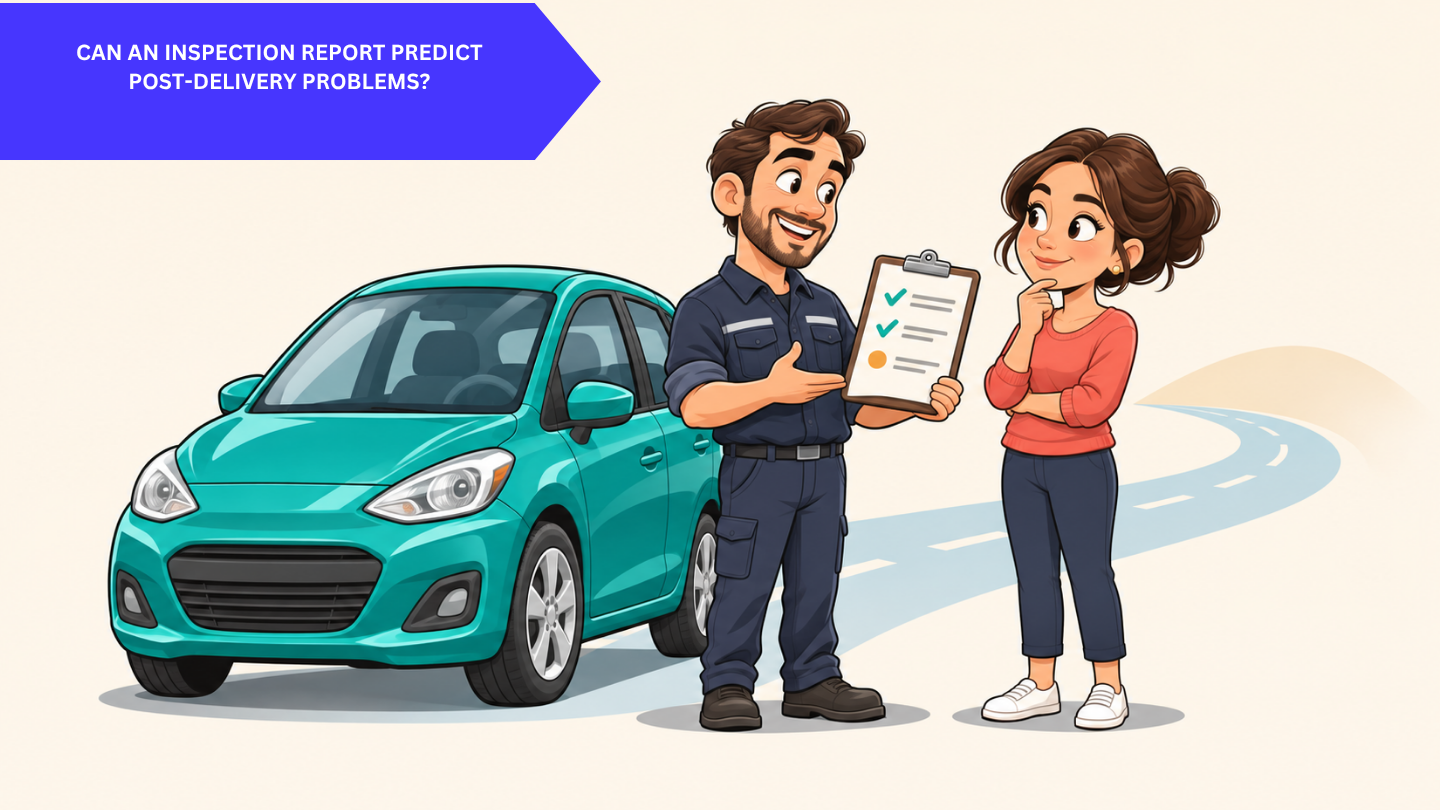
By the time you’ve paid for a used car, sorted the insurance and worked out the rego, the last thing you want is another bill from a mechanic. You know you’re buying something that’s been driven before; you’re not expecting brand new. But if it’s been inspected, it’s reasonable to want some confidence that you won’t spend your first few weeks sorting out problems.
That’s why a car inspection report carries so much weight when you’re deciding to buy. It gives you something more to go on than the photos and a seller’s assurance that the car runs well. The question is how much it can tell you about what happens after delivery.
An inspection can uncover existing faults and wear that may need attention soon. It can’t tell you exactly when a part will fail, and some problems won’t show up during the checks. To get real value from the report, you need to understand which findings mean an expense you can plan for, which need another look and what has actually been repaired before the keys reach you.
What does a car inspection report tell you about the weeks ahead?
Say you’ve narrowed your search to two similar used cars. One inspection report recommends replacing the tyres. The other mentions a noise that needs further investigation. Which would you feel more comfortable buying?
You’d probably want a few answers before choosing either. With the tyres, the conversation is fairly straightforward: do they need replacing before you drive away, and will the seller include that in the price? If the wear is unusual, you’ll also want to know what caused it. Once those questions are settled, you can work out what you’re taking on.
The noise needs a different conversation. “It’s probably nothing” won’t tell you whether you’re looking at a small repair or something much more expensive. You need someone qualified to identify the cause before you can judge the cost or decide whether to proceed.
That’s what makes the detail in a car inspection report useful. A finding doesn’t automatically make a car a bad buy, but it can change what you need to know before saying yes. You might be happy to budget for replacement tyres. An unexplained noise could leave you waiting for a diagnosis.
Our used car inspection guide can help with your first look at a vehicle. When you read its report, ask yourself: do I understand what needs doing, or am I still relying on someone’s reassurance?
Why can a car pass inspection and develop a fault later?
“If it was inspected, shouldn’t someone have picked this up?” It’s a fair question when a car you’ve just bought starts playing up. The answer depends on the fault and whether there were signs of it during the inspection.
Take a noise that only happens when the engine first starts in the morning. If the car was already warm when the inspector arrived, they might never hear it. A problem that comes and goes can be difficult to catch during a single appointment, too. The RAA’s inspection terms acknowledge these limits, including faults that aren’t apparent at the temperatures tested.
Other issues may be hidden inside a component. A routine pre-purchase car inspection generally doesn’t involve taking the engine or gearbox apart, so it can’t establish the condition of every internal part. RAC WA’s inspection conditions explain these exclusions. If there’s a reason to suspect a deeper problem, ask what further testing would help before committing to the car.
Even a road test can only tell you how the vehicle behaved during that drive. Your daily commute or a long trip may involve conditions it wasn’t tested under.
That matters if, for example, you’re comparing used SUVs to tow a caravan. Explain what you plan to tow and ask whether the particular vehicle is suitable and needs any additional checks. Driving well around the local streets doesn’t, on its own, answer that question.
These limits don’t mean every fault that appears later was unavoidable or impossible to detect. They mean the cause needs investigating before anyone can explain why it wasn’t picked up earlier.
What does “passed” on a car inspection report actually mean?
A page full of ticks is reassuring. Before you move on, though, check what those ticks refer to. Was an item checked visually, measured or tested to see how it works? That detail helps you understand how much the result tells you.
Inspections don’t all cover the same things. Some include computer checks for recorded faults or a closer examination of the bodywork. Others cover less. Ask what was included and what couldn’t be checked, rather than judging the report by the number of checks alone.
First, make sure the report belongs to the car you’re buying. Check the vehicle identification number (VIN), inspection date and recorded kilometres. Then read the comments, especially anything suggesting more work is needed. Here’s how to follow up on wording you might find. Different providers use different labels, so ask the inspector to explain theirs.
| If the report says… | Ask… |
| “Monitor” | What should I look out for, and when does it need checking again? |
| “Further investigation required” | What still needs explaining, and can we get an answer before I buy? |
| “Not tested” | Why wasn’t it checked, and can it be tested now? |
| “Repair recommended” | Does this need fixing before I drive away, and is the seller arranging it? |
If you’re booking your own inspection, mention any concerns beforehand. For example: “The seller mentioned a noise when starting the car. Can you check that?” This gives the inspector a chance to explain whether their service covers it or whether another test is needed. The NSW Government’s vehicle inspection checklist also recommends considering an independent licensed repairer or mechanic.
You shouldn’t have to guess what a comment means. Before buying, make sure you understand whether it calls for a repair now, a check later or more information before you decide.
Before you collect the car, check what’s been fixed
The inspection flags a leak, and the seller promises to sort it before collection. You’re happy with that arrangement, but there’s still a conversation to have before taking the keys: what caused the leak, how was it repaired, and was it checked again afterwards?
Ask for written confirmation of the work, such as an invoice or workshop record. The original inspection tells you what needed attention. You also want a record of what was done, especially if the same issue crops up later.
While you’re looking through the paperwork, check the inspection date. If several weeks have passed, find out whether the car has been driven, serviced or repaired since, and ask for any relevant records.
The date alone won’t tell you whether another inspection is needed. What matters is whether anything has changed that needs checking, or whether promised work is still outstanding. It’s easier to settle those questions while the seller is preparing the car than to chase answers after you’ve brought it home.
Could the car be due for a service soon?
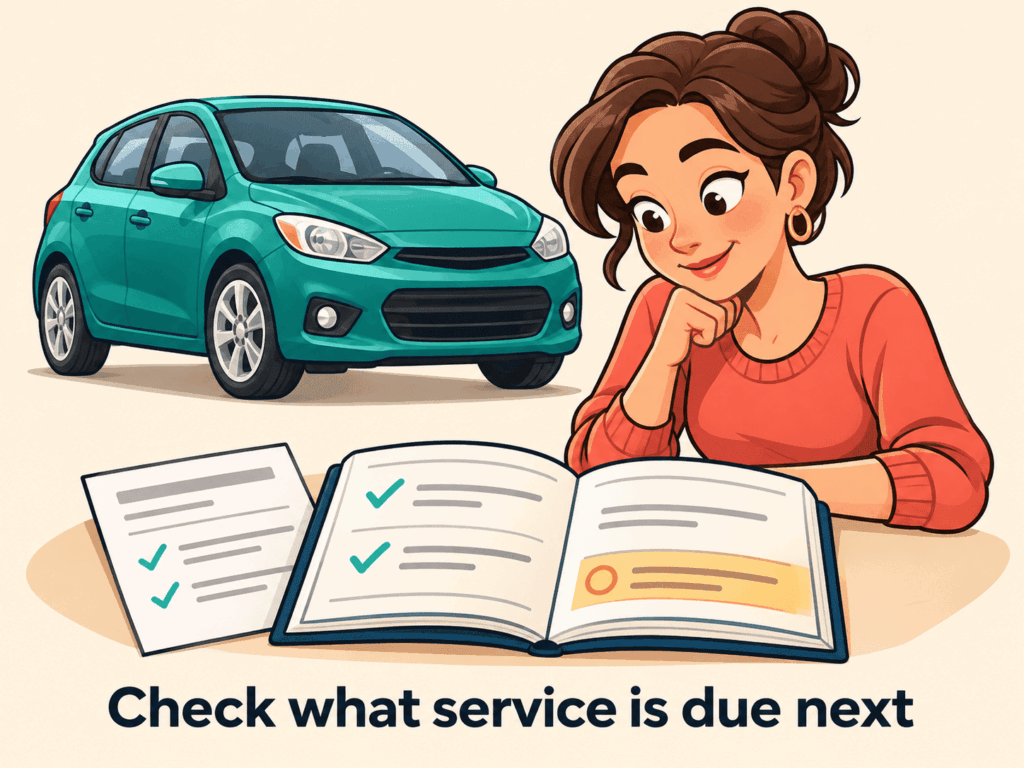
A workshop bill soon after buying a car can be frustrating, even when nothing has broken. You’ve only just paid for it, and now there’s more to spend.
That’s why it’s worth asking what maintenance is coming up before you agree to buy. A car may run well during its inspection but be close to a scheduled service or replacement. The manufacturer’s schedule determines when that work is due, often based on time, kilometres or whichever comes first.
Ask to see the service records and find out what the next service involves. If the seller says a major job has already been done, look for an invoice or a detailed digital entry confirming it. A stamp in the logbook may not give you the full picture of the work carried out.
Consumer Affairs Victoria recommends checking this history because it can help you understand future servicing needs. Regular maintenance carried out to the manufacturer’s specifications also makes mechanical problems less likely.
Can’t find a particular receipt? Ask whether the seller can get a copy from the workshop. Missing paperwork doesn’t prove a service was skipped, but you’ll want to clear up any gaps before relying on a claim that the work is complete. Our guide to checking car service history explains which records can help.
Once you know what’s due, get a quote and factor it into your comparison. The cheaper of two cars might still be the right choice, even with a service coming up. You just want to make that choice knowing what you’ll need to spend after bringing it home.
If the car has a roadworthy certificate, do you still need an inspection?
It’s understandable to see “roadworthy” and think the car has been given a full mechanical once-over. But the certificate tells you something more specific.
In Victoria, it confirms that the car met the required roadworthiness standards when inspected. As Transport Victoria explains, it doesn’t guarantee mechanical reliability. You still need to look into the car’s overall condition and any repairs it may need. Requirements differ across states and territories.
You might also receive a PPSR search result. This checks for registered security interests, such as a lender’s interest in the car, and provides available stolen or written-off records. Useful information before handing over your money, but it tells you nothing about how the engine or gearbox is running.
So, even with those documents in hand, read the mechanical inspection report. Each check answers a different question about the car, and a reassuring result on one doesn’t settle the others.
What should you check when the car arrives?
With the keys finally in your hand, you’ll probably want to get in and go. Take a few minutes to look over the car first, with the listing photos, car inspection report and any agreed repair details handy.
Does its condition match what you were shown? Check the odometer, make sure the promised keys and accessories are there, and ask for confirmation of any repairs arranged before delivery. While parked, try the windows, air conditioning and other everyday controls. If something looks different or doesn’t work as expected, photograph it where useful and let the seller know promptly.
Over the next few days, notice how the car behaves on your usual trips. You don’t need to identify the cause of every unfamiliar sound, but a clear description will help if something needs checking. “It makes a noise when I first start it in the morning, then goes quiet” gives a mechanic more to work with than “it sounds wrong”. Note when it happens, and take photos or video only when it’s safe. If the car feels unsafe to drive, stop somewhere safe and seek assistance. There’s no need to keep driving just to find out whether it happens again.
What should you do about problems after buying a used car?
Contact the selling dealer promptly. Explain what happened, when it started and the kilometres travelled since delivery. Send relevant evidence and ask how an assessment will be arranged before authorising non-emergency repairs elsewhere.
If the concern relates to something noted in the report, include that section and any repair confirmation. You don’t have to diagnose the failure before asking for help.
A clean report does not remove the dealer’s obligations. The ACCC confirms that consumer guarantees apply to used cars bought from licensed dealers. Where a car fails to meet those guarantees, a repair, replacement or refund may be available, depending on the circumstances and seriousness of the failure.
A specific fault clearly disclosed before purchase can affect your rights concerning that fault. An unrelated defect is a separate matter. ACCC
State or territory statutory warranties may also apply, and consumer guarantee rights can continue beyond a warranty’s expiry. Our used car warranty guide explains how these protections differ. Private purchases generally don’t carry the same protections for quality and repairs as dealer purchases. www.consumer.vic.gov.au
How does Cars24 help you buy with confidence?
When you’re choosing a used car, it helps to have someone walk you through the details. With a Cars24 Select car, you can review the Car Condition Report before buying and ask our team about anything you’re unsure of, including any findings you’d like explained.
Our 300-point inspection process includes mechanical checks, a review of the paint and panels, checks of the car’s features and a final quality check by a senior technician. The report gives you a clearer picture of the car’s condition, so you can make your decision with more than photos to go on.
As you browse our used cars for sale, you’ll see different seller types. Cars24 Select cars are sold directly by us, while Verified Dealer cars are sold and managed by the individual dealer. Check the inspection and support arrangements for the particular car you’re considering.
Before delivery, make sure you know who to contact if a question or concern comes up. Our early ownership protection guide explains how warranties, eligible returns and roadside assistance can help, along with the conditions that apply. That way, you’ll know where to turn if you need support once the car is home.
Frequently asked questions
Is a pre-purchase car inspection worth it if it cannot find every fault?
It can still reveal problems you might otherwise buy without knowing about, and help you decide whether further checks are needed. Its value is in the findings and how you use them. Make sure the inspection’s scope addresses your concerns before booking.
Should I get an independent inspection if the seller has a report?
Consider it if you want an independent assessment or the supplied report leaves important questions unresolved. Ask what additional checks would be useful. Consumer Affairs Victoria recommends considering an independent mechanical inspection before buying a used car.
How long is a car inspection report valid?
A mechanical report records findings at the inspection date; it isn’t a promise that the condition will remain unchanged for a set period. Check its terms, the kilometres travelled since and any subsequent repairs or incidents. Roadworthy certificate validity is a separate, state-specific issue.
Does a fault after delivery prove the inspector missed something?
No. It could have been detectable earlier, hidden, intermittent or developed afterwards. A qualified assessment can help establish the cause and whether earlier evidence existed. Keep the original report and subsequent diagnosis rather than assuming timing alone proves what happened.
Before you buy, know what still needs an answer
You don’t need a report that makes an impossible promise about the next few years. You need to understand the car well enough to decide whether it suits your budget and expectations today.
Return to those two cars: worn tyres give you a question about replacement; an unexplained noise gives you a question about diagnosis. Deal with each before committing, confirm promised repairs and keep the records. The report has done something useful when you can explain what you’re buying without having to fill in the gaps yourself.
Comments
New Comment