




If you’re buying or selling a car privately, one of the most confusing parts of the process is the vehicle registration transfer. Every state and territory in Australia has slightly different rules, forms and deadlines, and if one step is missed, the buyer may not legally own the car after payment, and the seller may still be liable for toll fines or penalties.
This guide breaks down exactly what car papers you need to transfer ownership in every Australian state, plus practical advice to help you avoid costly and time-consuming mistakes.

What paperwork is needed almost everywhere

Most car transfer processes across Australia require the following documents:
- Proof of identity (usually driver’s licence)
- Evidence of entitlement to register the vehicle (e.g., rego certificate)
- A completed transfer application form (signed by both parties)
- Transfer fees and stamp duty payment
- A safety/roadworthy inspection certificate, where required
- Submission of the transfer within the deadline (often 14 days)
Skipping or delaying any of these may lead to penalties, and transferring on time protects both the seller and the buyer legally.
Car ownership transfer: Statewise guide
New South Wales (NSW)
In New South Wales, you’ll need to have the previously stated documents and follow the timelines stated below:
- Seller must lodge a Notice of Disposal within 14 days
- Buyer must lodge transfer within 14 days
- Inspection/Safety check required in some situations (but not always)
Read more: How to transfer a vehicle registration in NSW?
Victoria (VIC)
In Victoria, you’ll need to have the relevant documents and follow these steps:
- Roadworthy Certificate (RWC) required for most private transfers
- Transfer can be completed online via myVicRoads or via form
- Stamp duty plus transfer fee payable on transfer
Read more: How to transfer a vehicle registration in VIC?
Queensland (QLD)
In Queensland, you’ll need to have the following documents and follow these steps:
- Form F3520 (Registration Transfer) must be completed
- Safety Certificate mandatory in most private sales
- Transfer must be lodged within 14 days
- In some cases, the Form F3520 is optional since the online process captures most of the information.
Read more: How to transfer a vehicle registration in QLD?
Western Australia (WA)
In Western Australia, you’ll need to have the following documents with the relevant timelines:
- Buyer and seller complete Transfer Form MR9
- Buyer has 14 days to lodge transfer
- Some vehicles need an inspection for example in cases of interstate transfers, or lapses in the Rego
Read more: How to transfer a vehicle registration in WA?
South Australia (SA)
In South Australia, you’ll need to have the following documents:
- Proof of identity and ownership required
- Both parties must complete the transfer form (typically the MR1)
- Extra requirements apply when the vehicle has interstate plates
Read more: How to transfer a vehicle registration in SA?
Tasmania (TAS)
In Tasmania, mind the the following documents and timelines:
- Transfer must be lodged within 14 days
- Buyers and sellers fill the transfer form or back of the Rego certificate
- Interstate vehicles may need a vehicle inspection
Read more: How to transfer a vehicle registration in Tasmania?
Australian Capital Territory (ACT)
In the Australian Capital Territory, you’ll need to have the following documents and timelines:
- Transfer must be completed within 14 days
- All operators must provide proof of identity
- Duty and transfer fees must be paid at transfer
- For interstate transfers, or vehicles older than 6 years, you might need a RWC as well
Read more: How to transfer a vehicle registration in ACT?
Northern Territory (NT)
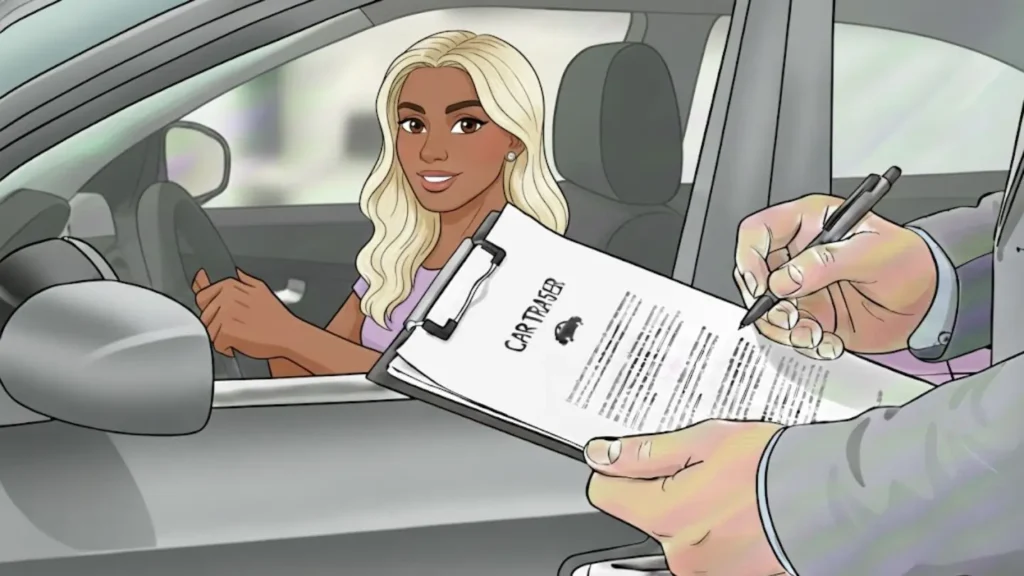
In the Northern Territory, you’ll need to have the following documents:
- Proof of identity and proof of ownership required
- Inspection may be needed depending on vehicle history
- Interstate cars must be re-registered in NT
Read more: How to transfer a vehicle registration in NT?
Expert advice to avoid delays or fines
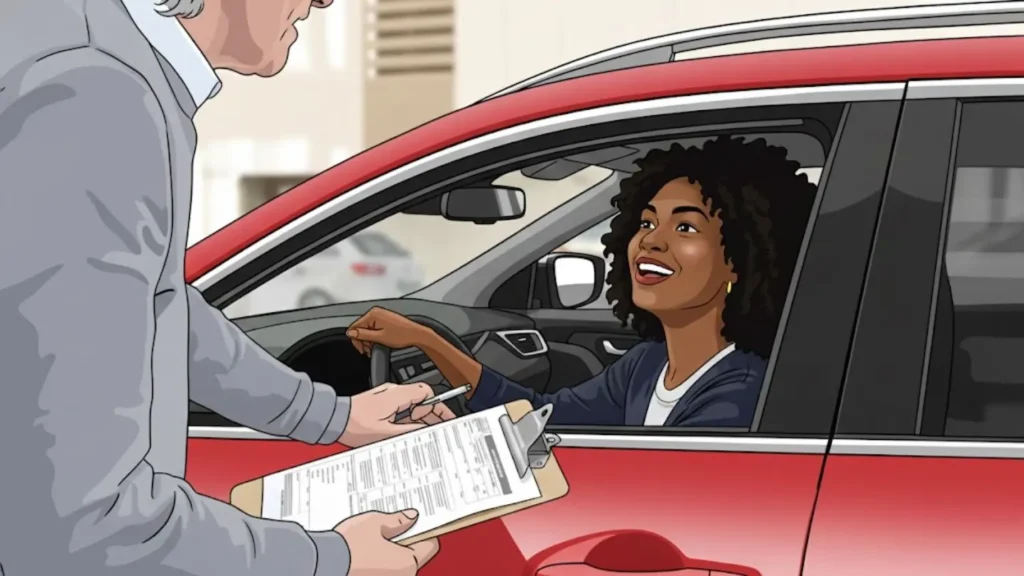
Whether you’re buying or selling, these steps help protect both parties:
- Sellers should lodge their notice/disposal immediately, never rely on the buyer
- Buyers should keep copies of RWC/Safety Certificate, payment proof and transfer receipt
- Don’t delay, 14 days is the standard deadline across most of Australia but check local regulation for any recent updates
- For interstate vehicles, check the inspection and stamp duty rules before driving home
A clean paper trail prevents unexpected fines, ownership disputes and insurance issues.
Final takeaway
If you’re asking, “What car papers are required to transfer a car in Australia?”, the answer depends on where the car is registered. Still, most states require these basic documents: proof of identity, proof of ownership, a signed transfer form, payments, and (sometimes) a safety/roadworthy certificate.
Having the proper documents in place upfront makes the transfer smoother and protects both the buyer and the seller legally.
FAQs
- How do I transfer ownership of a car in Australia?
To transfer ownership of a car in Australia, the buyer and seller must complete the registration transfer through the state road transport authority where the vehicle is registered. This usually involves signing the transfer or “notice of disposal” section of the registration papers (or submitting it online), providing proof of identity, paying transfer fees and stamp duty, and, if required, providing a Roadworthy or Safety Certificate. Most states require the transfer to be submitted within 14 days to avoid penalties.
- What paperwork is required for transferring ownership of a vehicle?
The paperwork varies between states, but most ownership transfers require the following:
- Proof of identity (driver’s licence)
- Signed transfer/notice of disposal form
- Proof of entitlement or rego certificate
- Safety/Roadworthy Certificate (depending on state and vehicle type)
- Payment of transfer fees and stamp duty
Some states may also require additional documents like proof of address, or vehicle inspection for interstate transfers. Lodging the paperwork on time ensures the buyer becomes the legal owner and protects the seller from future fines or infringements.
- Do I need transfer papers for buying a car in Australia?
Yes. Transfer papers are required whenever ownership of a registered vehicle changes. Without submitting the paperwork, the buyer may not legally own the car, and the seller may remain responsible for tolls, speeding fines, or even insurance liabilities. Whether the transfer is completed online or using a physical form depends on the state. Still, both parties should keep copies of the documents and the transfer receipt until the process is completed.

Comments
New Comment