




Car tracking devices used to feel extreme. Something only fleet companies or luxury car owners bothered with, but that’s not the case anymore.
Today, families use a car tracking device to check where their teenager parked. Tradies use a GPS tracker to protect tools. Businesses use automobile tracking devices to simplify reporting. And everyday drivers use AirTags or a car tracker just for peace of mind.
Most people jump straight into comparing brands, features and price points, but that usually leads to confusion rather than clarity. A far better starting point is your reason for wanting one in the first place, because the best car tracking devices are not defined by brand names or flashy features; they are defined by what you actually need them to do in your day-to-day life. So instead of overwhelming you with technical specs and marketing claims, let’s approach this practically. Before you buy any car tracking device, pause for a moment and ask yourself one simple question: What problem am I trying to solve?
What most buyers struggle with is not whether car tracking devices work, but which type actually suits their life in Australia. This guide covers everything you need to know about car tracking devices, from how a GPS tracker works, to the difference between AirTags and dedicated tracking systems, to costs, legal considerations and choosing the right setup for your needs.
| Also Read: Car Tracking Devices – Pros & Cons Explained |
What Do You Actually Want a Car Tracking Device To Do?
Have a look at the scenarios below and identify the one that reflects your needs.
1. “If my car gets stolen, I want the best chance of getting it back.”
If that’s what’s on your mind, you’re probably thinking about what happens if the car simply isn’t where you left it – that concern isn’t coming out of nowhere. In parts of Australia, particularly Victoria, industry data has shown a noticeable rise in motor theft claims and the overall cost of those claims in recent years. That shift has gradually pushed more drivers to look into car tracking devices, not because they expect the worst but because they would rather have a plan in place if something does go wrong.
With that in mind, if recovery is your priority, your car tracking device should prioritise:
- Real-time GPS tracking
- 4G or newer network compatibility
- Tamper alerts
- Hidden installation
This is where a hardwired GPS tracker makes sense. AirTags can help, but they are Bluetooth-based. They update their location when they come near compatible smartphones. A dedicated car tracker uses satellites and cellular networks to transmit location directly.
If recovery is your number one reason, a professionally installed car tracking device is usually the stronger choice. Some drivers even use both. One concealed hardwired unit and one hidden air tag as backup.
2. “I just want to keep an eye on my teenager’s driving.”
This isn’t about spying on someone or constantly watching their every move; it’s really about safety and having a little extra reassurance when it matters. A modern car tracker can provide:
- Speed alerts
- Geofencing notifications
- Trip playback
- Driving behaviour insights
An OBD plug-in car tracking device is popular here because it connects directly to the car’s diagnostic port and is easy to install.
The trick is balance because too many alerts lead to stress. The right GPS tracker lets you customise thresholds so you only get notified when something genuinely matters.
For elderly drivers, the benefit is different. It is not about speed monitoring. It is about being able to locate the vehicle quickly if something feels wrong.
3. “We share one car and it’s always missing.”
This is the everyday frustration no one really plans for. You leave for work and realise the car’s already gone, you park at a massive shopping centre and completely forget which level you’re on, or you lend the car to a sibling and just want to know when it’s back. In situations like this, you probably do not need advanced automobile tracking devices with complex dashboards and fleet-style reporting. A simple car finder GPS device may be more than enough.
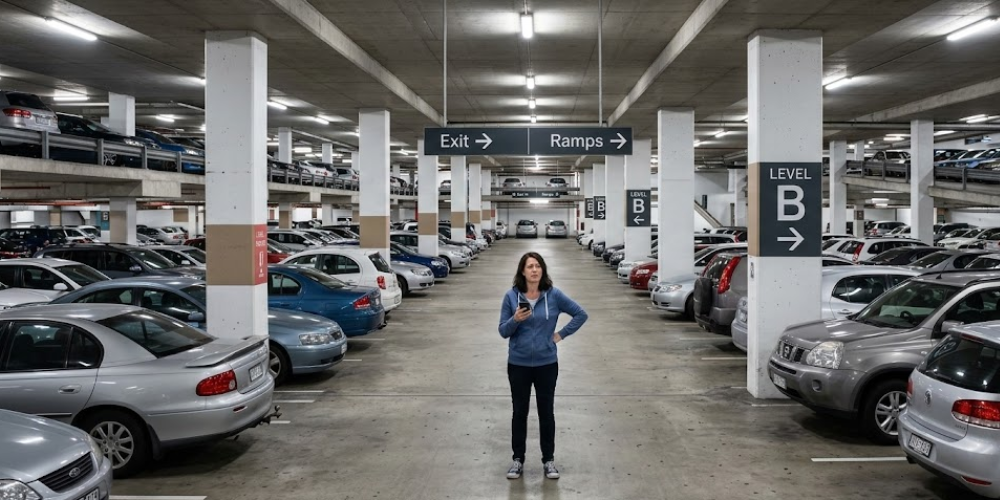
Air tags are popular for this reason because they’re affordable, easy to set up and good at helping you locate the car when it’s parked somewhere you cannot remember. However, if you want real-time movement alerts or the ability to see exactly when the vehicle starts moving, a proper GPS tracker-based car tracking device gives you more control and visibility. Put simply, air tags are convenience tools, while dedicated car tracking devices are built for continuous tracking.
4. “My ute has more value in tools than the vehicle itself.”
If you’re a tradie, security isn’t just about one thing; it’s about the whole setup. You’re thinking about:
• The vehicle
• The trailer
• The equipment
That’s why many tradies install a hardwired car tracking device in the ute and use a battery-powered GPS tracker for the trailer or tools. Portable and often magnetic, these car tracking devices are designed for assets that move, so if the trailer goes missing, the tracker goes with it.
5. “I run a small fleet and admin is a nightmare.”
For business owners, automobile tracking devices are not just security tools; they are also valuable assets. They are operational tools. A GPS tracker in this context helps with:
- Trip logs
- Route optimisation
- Idle time tracking
- Driver accountability
- Reporting
Here, the software platform matters more than the hardware. Also, consent matters. If you are installing car tracking devices in workplace vehicles, you must follow state surveillance laws and inform employees appropriately.
Fleet tracking works best when it is transparent and positioned as a safety and efficiency tool, not a micromanagement device.
6. “I travel regional or remote.”
If you regularly drive outside metro areas, your expectations need to adjust. A GPS tracker calculates position using satellites. However, it still needs mobile coverage to transmit that data instantly.
In mobile black spots, updates may be delayed. If you frequently travel in remote areas, consider car tracking devices designed with regional reliability in mind. Some advanced units offer satellite functionality, though they are more expensive.
Now That You Know Your Reason, Let’s Talk Types
Here’s a simple breakdown.
| Type of Car Tracking Device | Power Source | Installation | Best For |
| Hardwired GPS Tracker | Vehicle battery | Professional | Theft recovery |
| OBD Plug-In Car Tracker | OBD port | DIY | Driver monitoring |
| Battery-Powered Tracker | Internal battery | Portable | Trailers, assets |
| Air Tags | Coin battery | DIY | Basic location |
| Satellite Tracker | Internal or vehicle | Professional | Remote travel |
Each category falls under the broader umbrella of car tracking devices, but they behave very differently.
Features That Actually Matter in Car Tracking Devices
Let’s separate important from marketing noise.
4G Connectivity
Australia has shut down 3G networks. If a car tracking device relies on 3G, it may not function reliably.
Always confirm your GPS tracker supports 4G or newer.
Real-Time Updates
If theft recovery is your priority, refresh rate matters. Faster updates mean more accurate live tracking.
Geofencing
Set a digital boundary. Get notified if the vehicle leaves.
Tamper Alerts
Some car trackers notify you if power is disconnected.
App Quality
You interact with the app daily. If the app is clunky, your car tracking device becomes something you forget about.
What Do Car Tracking Devices Cost?
Costs usually include:
- Hardware
- Installation
- Subscription
Subscription covers SIM data and access to the GPS tracker platform.
Air tags have no subscription but offer limited capability compared to cellular car tracking devices.
Before buying, ask clearly:
- What does the subscription include
- What stops working if I cancel
- Is there a contract period
Installation Mistakes People Make
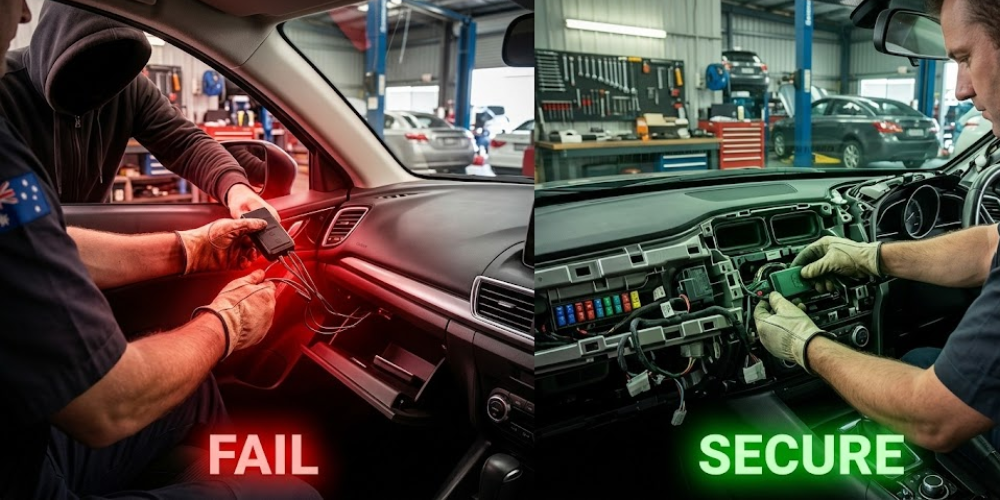
Even good car tracking devices fail if installed poorly. For theft recovery:
- Avoid obvious locations
- Avoid placing the GPS tracker where the signal is blocked by heavy metal
- Test the system immediately after installation
For OBD car trackers:
- Understand that they are easy to unplug
For battery-powered units:
- Check update frequency settings to manage battery life
For AirTags:
- Treat them as supplementary, not primary theft protection
Reality Check for Australian Buyers
Mobile black spots exist. A GPS tracker needs cellular coverage to transmit live data.
Consent is important. If someone else drives the car, inform them about the car tracking device.
And do not ignore the basics. A car tracker is a tool. It does not replace secure parking or common sense.
If you are buying a used car and considering installing car tracking devices for security, remember that security starts before the tracker.
Before fitting any GPS tracker, ensure the vehicle itself has a verified history. A car history check helps identify whether a vehicle has been previously stolen, written off or has outstanding finance. At Cars24, every listed car goes through documentation and inspection checks so buyers can make informed decisions before adding any aftermarket security like a car tracking device.
Security is layered. Buying from a transparent platform is the first layer. A car tracker is the second.
Are Car Tracking Devices Worth It?
If your reason is clear, yes.
If you care about theft recovery, a dedicated car tracking device provides real-time visibility.
If you care about driver coaching, a GPS tracker offers insights.
If you share vehicles, a car finder GPS device adds convenience.
If you run a business, automobile tracking devices streamline operations.
If you just want peace of mind, a car tracker quietly delivers it.
FAQs
Are AirTags enough as car tracking devices?
AirTags can help locate a vehicle, but are not a full GPS tracker solution. They work best as supplementary tracking tools.
Do car tracking devices work when the car is off?
Most car tracking devices continue functioning if they have power. Some include internal backup batteries.
Can a car tracker drain the battery?
Minimal draw is normal, but vehicles left unused for extended periods may experience battery impact depending on the device.
What is the best car tracking device?
The best car tracking device depends entirely on your reason for installing it.
Final Thought
Car tracking devices are not about paranoia; they are about clarity.
Clarity on where your vehicle is.
Clarity on how it is being driven.
Clarity in business reporting.
Clarity when something goes wrong.
Start with your reason because that’s what really shapes the decision. Are you trying to improve theft recovery, keep an eye on a young driver, protect your tools, or simply make life easier with a shared family car? Once you’re clear on that, matching the tracker to your purpose becomes straightforward. From there, choose 4G compatible hardware that works reliably in Australia and make sure it’s installed properly so it performs when you actually need it. Get those fundamentals right and you’ve covered everything that truly matters before buying car tracking devices in Australia.

Comments
New Comment