




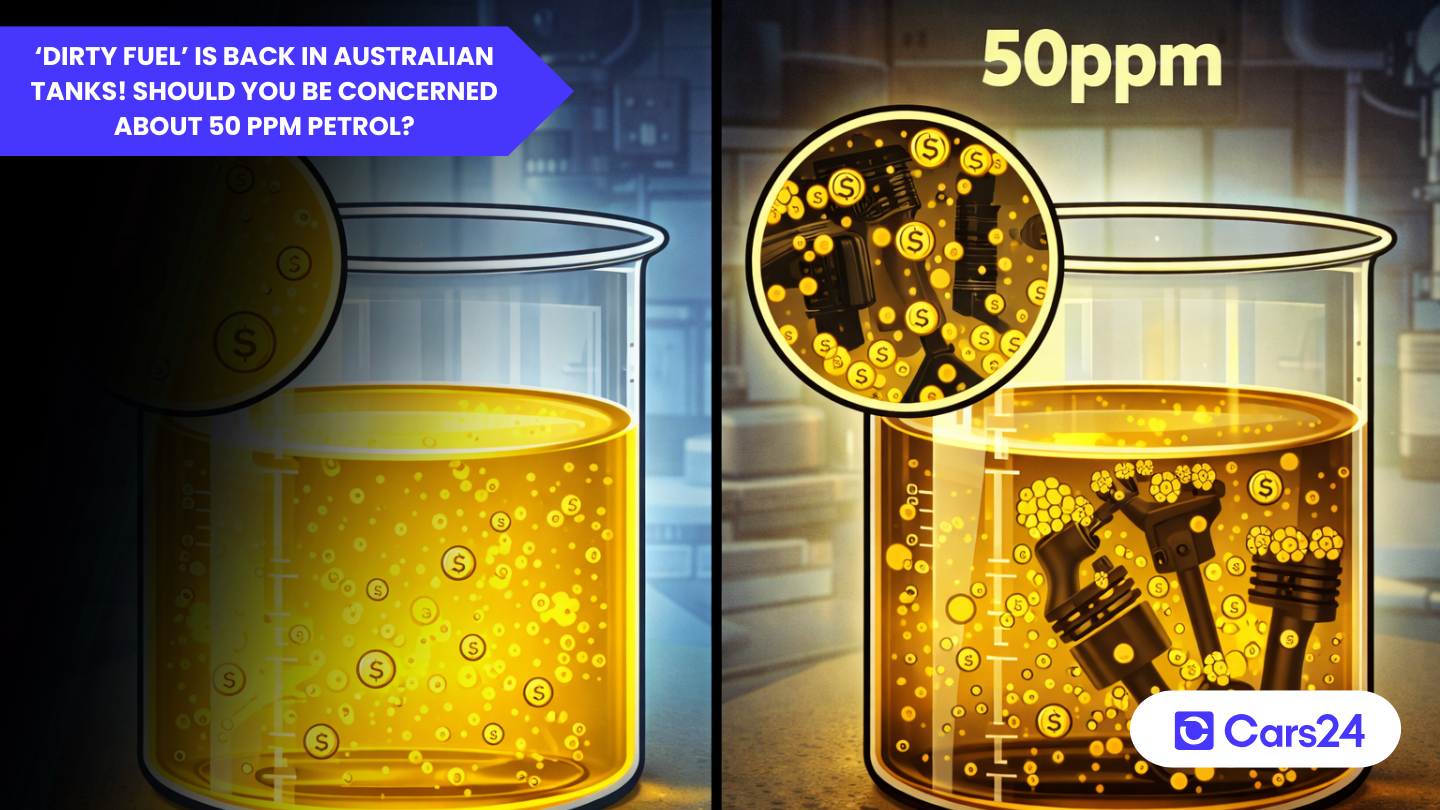
You probably did not notice anything different at the servo this week. Same pump, same price board, same receipt. But what went into your tank has changed, and a war thousands of kilometres away is the reason why. In late 2025, Australia finally introduced world-class fuel quality standards, capping sulphur levels in petrol at just 10 parts per million (ppm). It was a reform years in the making, promising cleaner air, better engine performance, and access to more fuel-efficient vehicles. Then, in March 2026, the government quietly reversed course. For the next 60 days, Australian petrol can contain up to 50 ppm of sulphur, five times the standard introduced just three months ago.
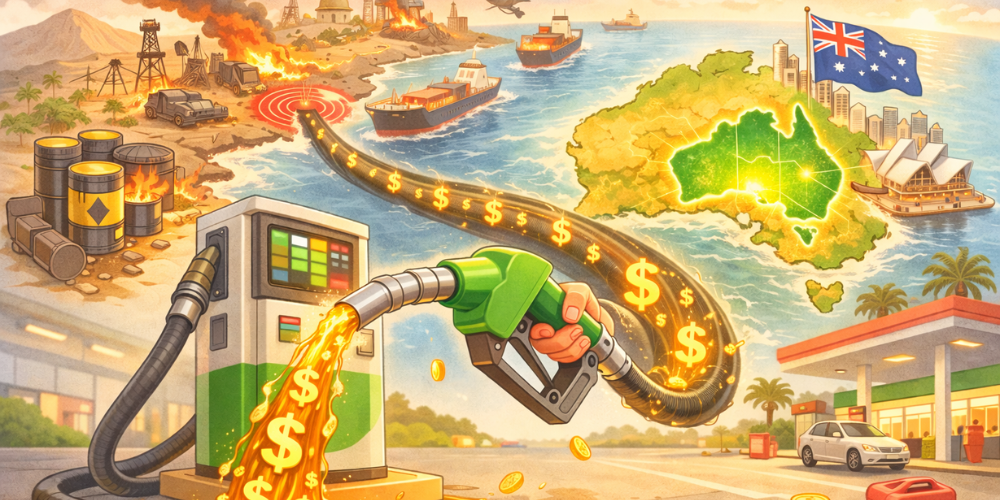
The reason? The Strait of Hormuz, a 21-mile-wide shipping lane between Iran and Oman, was closed by Iranian forces following US and Israeli military strikes. Through that narrow gap flows roughly 20 per cent of the world’s daily oil supply. When it shut, global fuel markets convulsed, and Australia, with only about 36 days of petrol reserves, had very few good options.

This guide breaks down exactly what changed, whether it affects your car, what you should do right now, and how to keep your costs down while this crisis plays out.
What exactly changed at the station?
From 15 December 2025, all grades of Australian petrol, 91 RON, 95 RON, and 98 RON, were required to contain no more than 10 ppm of sulphur. This brought Australia in line with European and Japanese fuel standards and was a major step forward for air quality and engine technology.
On 12 March 2026, the federal government announced an emergency exemption. For 60 days, petrol containing up to 50 ppm sulphur is permitted. This is not new territory; it is the standard that applied to premium grades of Australian petrol right up until December 2025. Regular unleaded (91 RON) previously allowed up to 150 ppm, so in that sense, even the exempted fuel is cleaner than what most Australians were filling up with a year ago. The bottom line: the fuel in your tank today is dirtier than it was in January 2026 but not dirtier than it was throughout most of 2025.
Will this hurt your car?
For most Australians, the honest answer is no, not noticeably, and not immediately. The vast majority of cars on Australian roads were designed to run on fuel with sulphur levels far higher than 50 ppm. If your car was purchased before December 2025 and has been running on regular Australian petrol its whole life, it has already been exposed to sulphur levels at or above what is now temporarily permitted.
The vehicles most at risk
There is one category of vehicle where you should pay closer attention. Newer European models, particularly those purchased after December 2025 and specifically marketed based on Australia’s new fuel standards, may be fitted with petrol particulate filters (PPFs) designed to operate in ultra-low sulphur environments. Higher sulphur content can accelerate the clogging of these filters over time.
If your vehicle falls into this category, here is what to do:
- Check your owner’s manual for the manufacturer’s minimum fuel specification
- Contact your dealership and ask directly whether 50 ppm sulphur fuel is within the acceptable range for your specific model
- If in doubt, stick to 98 RON premium petrol during this period — it is more likely to be sourced from cleaner blends
- Keep a record of your fuel receipts in case a warranty claim arises
If your car was built before 2024 and you have been buying fuel at Australian petrol stations without issue, you almost certainly have nothing to worry about for the next 60 days.
What this means for your petrol bill?
Here is the uncomfortable truth: the government’s 60-day measure may ease supply pressure at the margins, but it will not insulate you from a global oil price shock.
Oil is trading above US$100 per barrel. That is the dominant force pushing up what you pay at the servo. Adding 100 million litres of domestic supply per month helps; it puts downward pressure on wholesale prices and reduces the risk of physical shortages, particularly in regional areas, but it cannot fully offset a global commodity price surge driven by a war.
How long will this last, and what happens next?
The government’s exemption runs for 60 days from mid-March 2026. After that, the expectation is a return to the 10 ppm sulphur standard introduced in December 2025.
But that 60-day window assumes the Hormuz crisis does not deepen. If the strait remains closed, or if conflict spreads to other key shipping lanes, particularly the Indonesian straits of Malacca, Lombok, and Sunda, through which roughly 83 per cent of Australia’s maritime imports travel, the government may need to extend the exemption or introduce further measures.
- Watch for these signals that the situation is getting worse, not better:
- Oil prices are climbing above US$120 per barrel and holding there
- Fuel rationing announcements targeting specific sectors beyond primary producers
- The government is extending the 60-day exemption past its expiry
- Shipping insurance rates are continuing to rise, which feeds directly into import costs
On the other hand, signs of de-escalation, a ceasefire, a negotiated reopening of the strait, or a significant IEA reserve release calming markets should bring prices down relatively quickly. Oil markets tend to price in risk fast and unwind it almost as fast when the risk recedes.
For now, plan your budget around elevated fuel prices lasting at least through the end of April 2026. If things improve sooner, treat it as a bonus.
The bigger issue that affects every driver long-term
This crisis has exposed something that every Australian driver should be aware of, because it will shape your fuel costs and fuel choices for years to come.
Australia holds roughly 36 days of petrol reserves. That sounds like a reasonable buffer until you realise most other wealthy nations hold 90 days or more, and that Australia’s supply chain runs through some of the world’s most geopolitically sensitive sea lanes. We do not have a fuel security problem that appeared last week. We have one that has been quietly building for decades.
Final advice
Most Australian drivers have little to worry about. The temporary 50 ppm petrol is safe for the vast majority of cars, especially those built before December 2025. Owners of vehicles with petrol particulate filters or ultra-low-sulphur engines should take extra care, follow manufacturer guidance, and consider using cleaner blends when possible. Fuel prices are likely to remain elevated due to global supply disruptions, so plan your budget accordingly.
This crisis also serves as a reminder of Australia’s reliance on imported fuel and limited reserves, highlighting the importance of fuel-efficient driving and vehicle maintenance. The exemption is temporary, and long-term clean fuel standards remain in place. Stay informed, drive smart, and focus on safety and efficiency while the situation unfolds.

Comments
New Comment