




Buying a used car can feel exciting, practical and a little nerve-wracking, all at once. You might find the right model, the right colour and the right price, but the real question is simple: is the car actually in good condition?
That is where a proper used car inspection checklist helps. This used car inspection checklist covers what to check before buying, including PPSR status, bodywork, tyres, engine condition, interior features, paperwork and test drive red flags.
Before you buy a second hand car, it is important to check the vehicle’s history, paperwork, body condition, tyres, engine bay, interior and test drive performance. A car can look great in photos and still have hidden issues, so taking your time before payment can save you from expensive repairs later.
This step-by-step checklist will help you inspect a used car more confidently before making a buying decision.
MORE: Tips for Buying Used Car
Start With Inspecting the Bodyshell
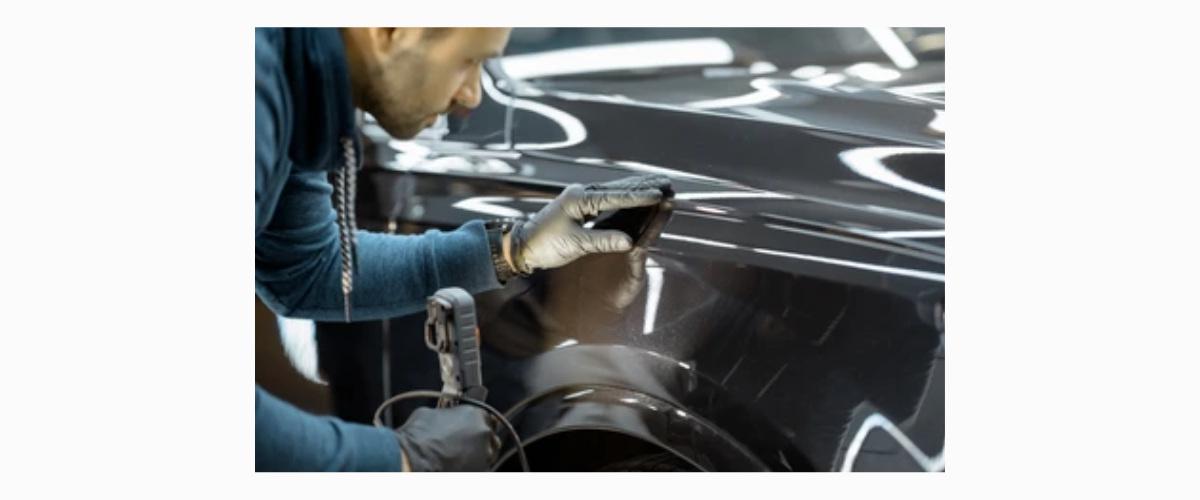
Start by walking around the car slowly in good daylight. Look for scratches, dents, rust, bubbling paint, mismatched colour and signs of a poor repair job.
Pay close attention to the gaps between the bonnet, doors, boot and fenders. These gaps should look even on both sides. Uneven gaps can point to previous accident repairs, poor panel replacement or careless maintenance.
Use a torch to check inside the wheel wells, lower door edges and the area around the boot for rust or corrosion. Open and close every door, including the bonnet and boot. They should shut properly without unusual creaks, grinding sounds or alignment issues.
Also check the rubber seals around the doors and windows. Cracked, loose or torn seals can lead to water leaks, wind noise and long-term cabin damage.
Take a Good Look Around the Glass Panels
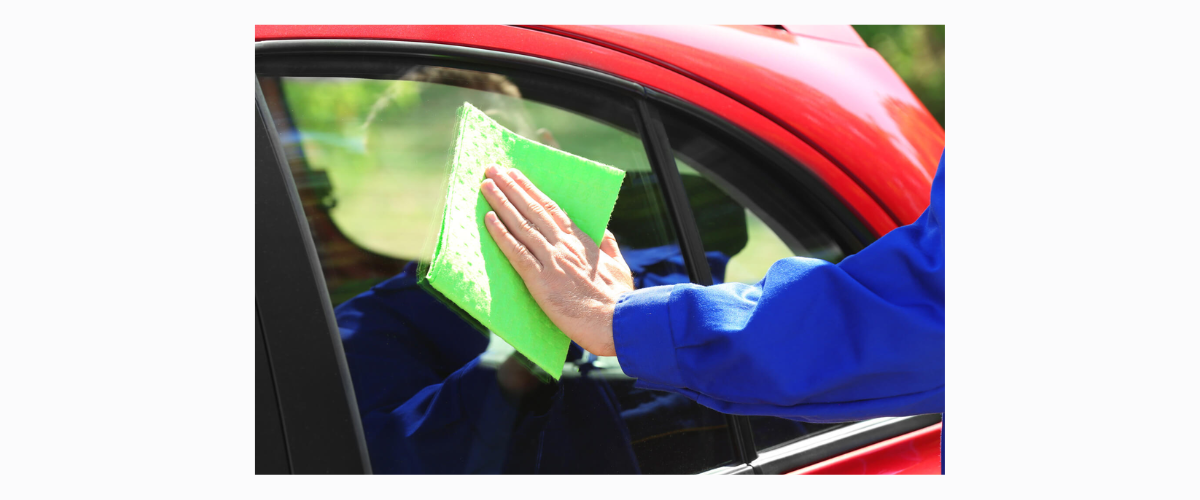
Inspect the windscreen, windows, mirrors and rear glass for cracks, chips and deep scratches.
Even a small chip on the windscreen can become a bigger crack over time, especially with heat, vibration or rough road use. Windscreen repairs can also become expensive depending on the damage and the car model.
Check whether the power windows move smoothly and whether the side mirrors adjust properly. If the car has a rear demister, rain-sensing wipers or camera-based safety features near the windscreen, make sure there are no obvious cracks or damage around those areas.
Glass issues are easy to miss during a quick inspection, but they can affect safety, visibility and future repair costs.
Check the Suspension
Stand a few steps away from the car and check whether it sits evenly. If one corner looks lower than the others, it can indicate worn suspension components or previous damage.
Now push down firmly on each corner of the vehicle. The car should go down and return to its normal position quickly. If it keeps bouncing up and down, the shock absorbers may be worn.
During the inspection, also look for uneven tyre wear, leaking shock absorbers or unusual gaps between the tyres and wheel arches. These signs can point to suspension, steering or alignment issues.
Suspension problems are not always visible when the car is parked, so make sure you listen carefully during the test drive as well.
Check for Frame Damage
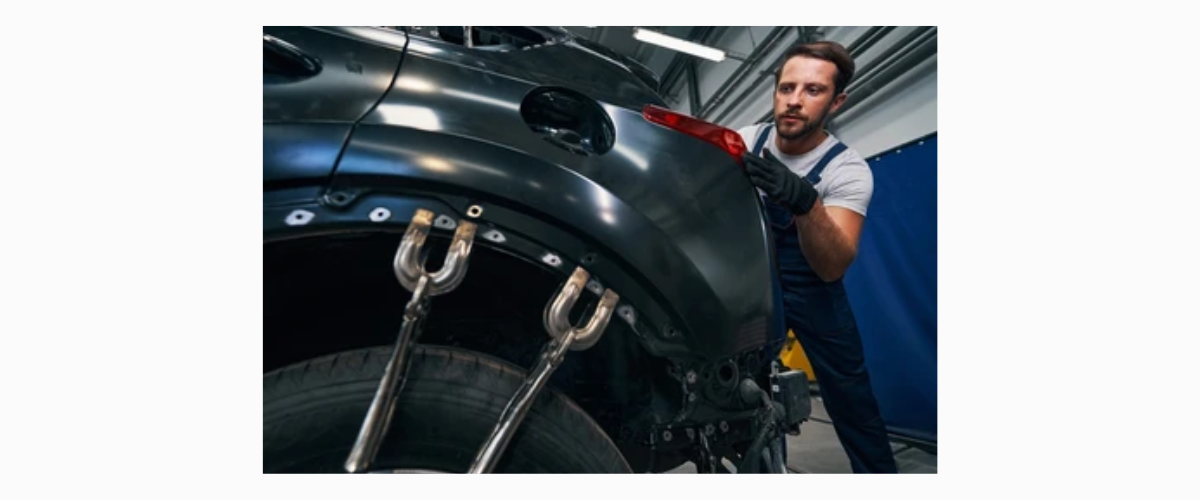
Frame damage can be serious, especially if the car has been in a major accident. Look around the front and rear sections of the car for signs of poor repair, uneven welding, fresh paint in one area or panels that do not line up properly.
Pay attention to the area where the front fenders meet the top of the radiator support. It should look properly bolted and aligned, not roughly welded or bent out of shape.
If the car has aftermarket accessories such as a tow bar, bull bar or roof rack, inspect the surrounding areas for cracks, rust or signs of heavy use. A tow bar, for example, can indicate the car has been used for towing, which may place extra load on the engine, gearbox and suspension.
If anything looks structurally suspicious, get the car checked by a qualified mechanic before buying.
Check All the Lights and Tyres
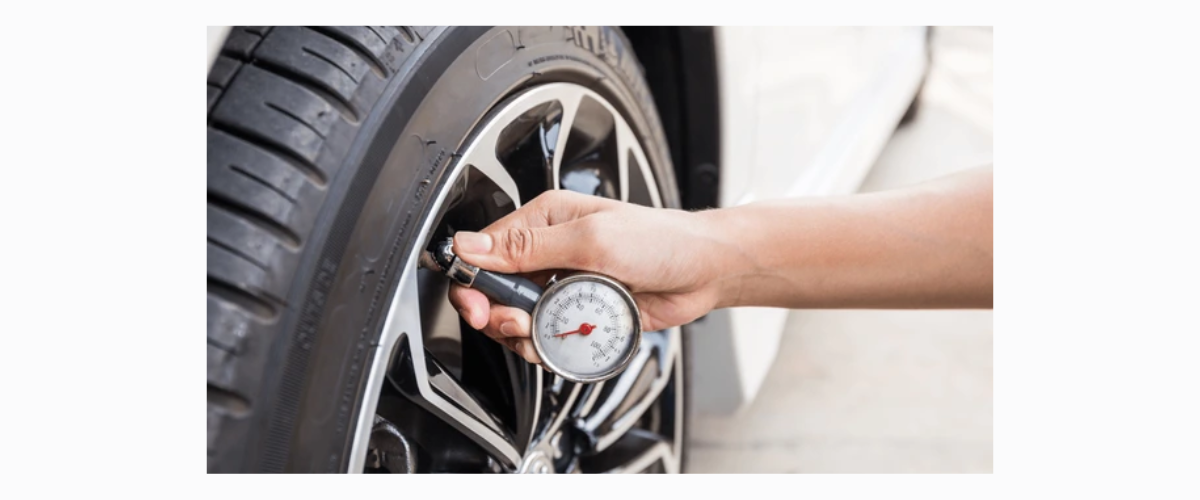
Switch on every light and check that it works properly. This includes the headlamps, high beam, tail lamps, brake lights, fog lamps, indicators, reverse lights and the third brake light.
Then move to the tyres. Tyres can tell you a lot about how the car has been driven and maintained.
Check that all tyres are the correct size and have enough tread. Look for uneven wear across the tyre surface. If one side is more worn than the other, it can point to wheel alignment, suspension or steering issues.
Also check for cracks, bulges, cuts or damage on the sidewalls. Mismatched tyres are not always a deal-breaker, but they can suggest uneven maintenance.
Do not forget to check the spare tyre, jack and basic tools if the car is supposed to have them.
Check Under the Bonnet
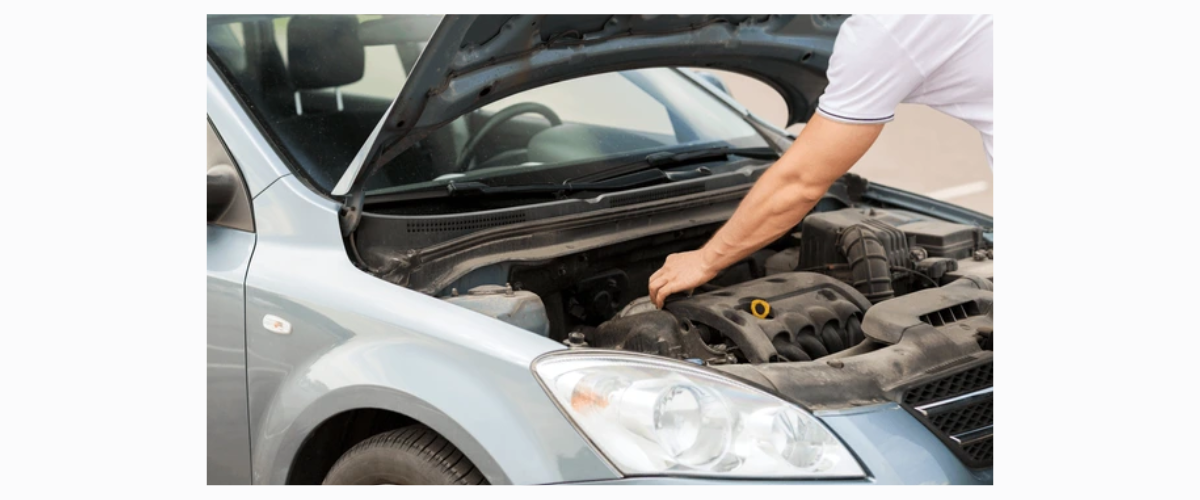
The engine bay can reveal leaks, poor maintenance and early signs of mechanical trouble. You do not need to be a mechanic to spot obvious red flags.
Use this checklist when checking under the bonnet:
Check all visible fluid tanks for leaks or stains.
Inspect belts for cracks, fraying or excessive wear.
Check radiator hoses. They should not feel overly soft, swollen or brittle.
Verify the engine oil level using the dipstick.
Check the oil colour. Milky or very sludgy oil can point to deeper issues.
Inspect the coolant. It should not look rusty, muddy or brown.
Check transmission fluid if it is accessible. It is usually red or pink in many automatic cars.
Look for oil leaks around the engine block, under the car and near the gearbox.
Check for a burning smell, fuel smell or coolant smell.
If the car uses a timing belt, ask when it was last replaced. Timing belt replacement is usually required after a certain age or kilometre interval, depending on the model. If it is overdue, the cost should be factored into the price.
If you notice leaks, contaminated fluids or warning smells, treat the issue as a negotiation point or get a mechanic’s inspection before buying.
Time to Open the Doors and Look Inside
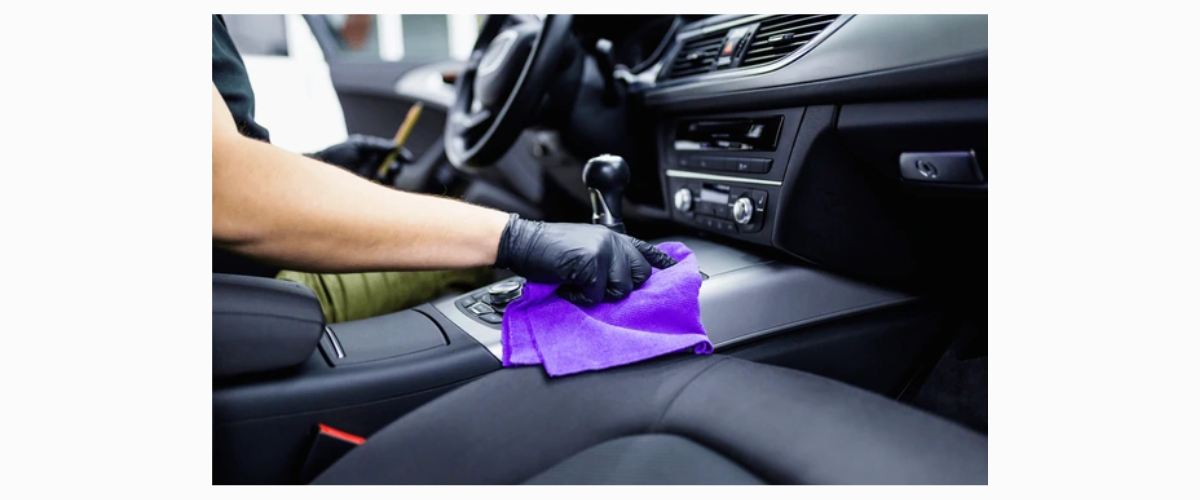
The interior gives you a good idea of how the car has been used every day. A well-kept cabin usually points to more careful ownership, while heavy wear can suggest neglect.
Check the seats, roof lining, dashboard, carpets, boot and door trims. Look for stains, rips, cigarette burns, water marks, broken plastic parts and unusual smells.
Lift the floor mats and check for damp carpets or rust. Water inside the cabin can point to leaks, flood exposure or poor previous repairs.
Switch on the ignition and check the dashboard warning lights. Some lights should appear briefly and then go off. If warning lights stay on, especially for the engine, ABS, airbags or transmission, get the car inspected before buying.
Test the air conditioner, heater, infotainment system, windows, locks, wipers, horn, parking sensors and reverse camera if available.
Also check the odometer reading. The kilometres should make sense for the car’s age, service history and visible wear. Very low mileage on an older car is not automatically bad, but it should match the paperwork and condition.
Take the Car for a Test Drive
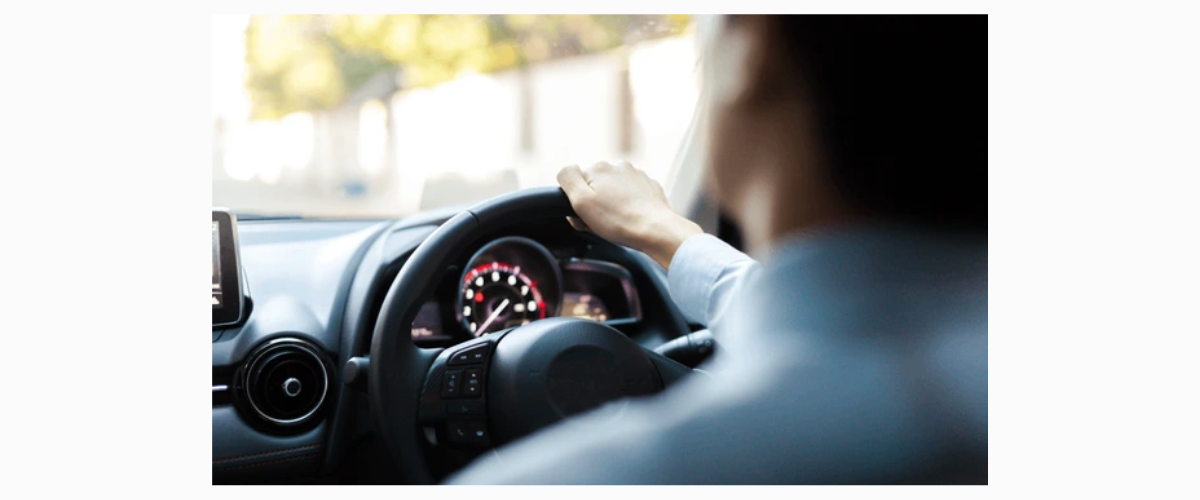
A test drive is one of the most important parts of a used car inspection. Some issues only show up once the car is moving.
Start by checking whether the engine starts smoothly. It should idle evenly without shaking, knocking or warning lights.
While driving, pay attention to the brakes, steering, gearbox, acceleration and suspension. The car should not pull to one side, vibrate heavily, hesitate while accelerating or make clunking noises over bumps.
Check these points during the test drive:
Does the car start without struggle?
Does the steering feel straight?
Do the brakes feel firm and smooth?
Does the car pull to one side while braking?
Does the gearbox shift smoothly?
Is there any vibration through the pedals or steering wheel?
Does the temperature gauge stay normal?
Are there any warning lights on the dashboard?
Can you hear knocking, squeaking or grinding sounds?
In a safe place, take a slow U-turn and listen for clicking, rubbing or rattling noises. These can point to steering, suspension or driveline issues.
Check the Vehicle History Before You Pay
Before you make payment, check the car’s VIN, registration details, service history and PPSR status.
A PPSR and vehicle history check is especially important in Australia because it can show whether a used car has finance owing, and whether it has been recorded as stolen or written off.
If you are unsure what each section means, this guide on how to read a PPSR report can help you understand the result before you buy.
Ask the seller for:
VIN or chassis number
Registration number
Service history or logbook
Roadworthy or safety certificate, where required
Repair invoices
Proof of ownership
Sale receipt or contract
The VIN on the car should match the VIN on the paperwork. If the seller refuses to share the VIN, rushes you to pay or avoids paperwork questions, treat it as a red flag.
A clean-looking car is not enough. The paperwork should make sense too.
Used Car Inspection Checklist Before Buying
Here is a quick checklist you can use before making a final decision:
| What to check | What to look for | Why it matters |
| PPSR and vehicle history | Finance owing, stolen status, written-off status | Helps reduce legal and ownership risk |
| VIN and documents | VIN matches registration and service records | Confirms the car’s identity |
| Body condition | Rust, dents, uneven gaps, mismatched paint | Can reveal accident repairs |
| Glass panels | Chips, cracks, scratches | Repairs can be costly |
| Tyres | Tread depth, uneven wear, cracks, bulges | Shows alignment or suspension issues |
| Suspension | Sagging, bouncing, clunking sounds | Can reveal wear or damage |
| Engine bay | Leaks, cracked belts, dirty fluids | Helps spot mechanical concerns |
| Interior | Warning lights, damp carpets, damaged controls | Shows wear, neglect or electrical issues |
| Test drive | Braking, steering, gear shifts, vibration | Reveals real driving condition |
Before finalising the purchase, also check your budget, insurance and used car finance options so you know the total cost clearly.
Final Thoughts
Buying a used car needs a little more patience than buying a new one. The right car can be a smart investment, but a rushed decision can leave you dealing with repairs, paperwork issues or unexpected costs.
A good used car inspection checklist helps you slow down and check the car properly before you pay. Start with the body, glass, tyres, suspension, engine bay, interior and test drive. Then confirm the paperwork, PPSR status and service history.
The safest used car purchase is one where the history, inspection, paperwork and test drive all tell the same story.
If something feels wrong, pause. Ask more questions, negotiate based on the issue or get a qualified mechanic to inspect the car.
If you want a more confidence-led buying experience, you can also explore Cars24 certified used cars that come with inspection-backed details and buyer support.
A used car should make sense in three places: on paper, in person and on the road.
FAQs
1. What are some signs of potential mechanical problems to watch out for during the inspection?
Common signs of mechanical problems include engine knocking, smoke from the exhaust, rough idling, overheating, oil leaks, coolant leaks, dashboard warning lights, uneven acceleration, brake vibration and clunking suspension sounds. If you notice any of these issues, get the car checked by a mechanic before buying.
2. Is it important to check the vehicle history report before buying a used car, and if so, how do I obtain one?
Yes, checking the vehicle history is important before buying a used car in Australia. A PPSR search can help show whether the car has finance owing and whether it has been recorded as stolen or written off. You can run a car history check online using the car’s VIN or registration number.
3. How do I assess the engine’s condition without professional tools?
You can do a basic engine check by listening for unusual noises, checking for oil or coolant leaks, inspecting oil and coolant condition, watching for exhaust smoke and checking whether the engine starts smoothly. During the test drive, notice whether the car accelerates cleanly, idles evenly and stays at normal temperature.
4. What are some negative points to watch when inspecting a used car at home?
Red flags include finance owing on PPSR, mismatched VIN details, missing service history, major rust, uneven panel gaps, mismatched paint, oil leaks, warning lights, smoke from the exhaust, suspiciously low mileage and a seller who pressures you to pay quickly. Any major concern should be checked before purchase.
5. Is a roadworthy certificate enough when buying a used car?
No, a roadworthy certificate is not the same as a full mechanical inspection. It usually checks whether key safety items meet minimum standards, but it does not guarantee long-term reliability or overall condition. You should still inspect the car, check its history and take a proper test drive.
6. Should I get a mechanic to inspect a used car before buying?
Yes, a mechanic’s inspection is worth considering if you are buying privately, buying an older car or noticing warning signs during your own inspection. A checklist helps you spot visible issues, but a mechanic can check the underbody, suspension, brakes, leaks and diagnostic faults more thoroughly.
7. What should I check during a used car test drive?
During a test drive, check whether the car starts smoothly, brakes evenly, steers straight, changes gears properly and stays at normal temperature. Listen for knocking, squeaking, grinding or rattling sounds. Also watch for dashboard warning lights, vibration and pulling to one side.
8. When should I walk away from a used car?
Walk away if the seller refuses to share the VIN, the PPSR check shows serious issues, the paperwork does not match, warning lights stay on, the car overheats, there are major leaks or the seller pressures you to pay immediately. A rushed used car purchase is rarely worth the risk.

Comments
New Comment