




Mention muscle cars in any conversation these days, and you’ll probably hear “They don’t make ’em like that anymore.” We’re surrounded by turbocharged four cylinders, hybrids, and EVs, yet the story of how Australia was home to some of the toughest, rawest, most character-filled machines on the planet often gets lost in the noise about emissions.
Walk through the history of the muscle car, the rivalries, the engineering jumps, Bathurst battles, the supercar scare… everything that shaped these legendary cars.
What is a muscle car? What are its origins?
A muscle car is usually defined as a 2-door car with a big, powerful V8 engine, but with a relatively affordable price tag so ordinary masses could enjoy serious straight-line acceleration.
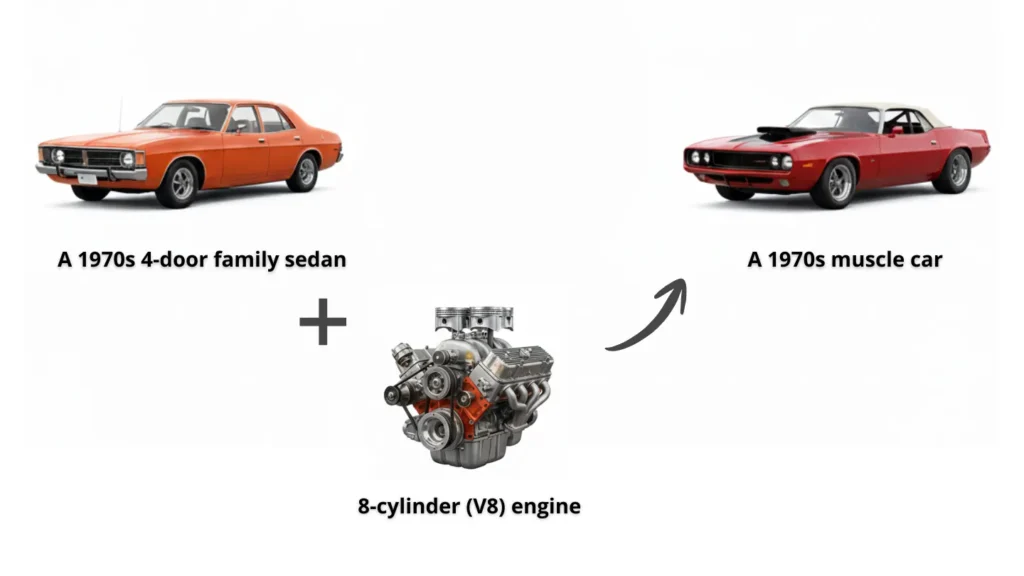
The formula: biggest engine + smaller, lighter body + affordable price = muscle car.
The idea of the muscle cars was born in the US after World War 2 when manufacturers started fitting their largest, most powerful engines into smaller, more affordable models.
Why did they call them “muscle cars”?
Muscle cars are called so because they had large-displacement engines (“muscle”) in smaller bodies to maximise straight-line acceleration. Magazines and advertising in the mid-1960s popularised the term following the launch of future icons like the Dodge Charger and Ford Mustang.
Other names used for (or related to) muscle cars historically are supercars (often referring to a Pontiac), Pony cars (usually for the Mustangs), performance coupes, high-performance sedans, or simply “performance cars.”
Who made the first muscle car?
The first one to be commonly acknowledged as a muscle car is the Oldsmobile Rocket 88 (1949), made by General Motors, with a big OHV V8 engine.
In Australia, the earliest performance production car is generally the Holden EH S4 (1963) made by Holden (formerly General Motors Holden) with an uprated six engine. It was produced to homologate (approved for sale) the EH S4 for Bathurst racing. The first V8 muscle car sold in Australia was the Chrysler Valiant AP6 (1965).
How do you identify a muscle car?
There’s no single legally fixed definition, as many enthusiasts argue endlessly about it, but common identifying features and specifications are:
- Big V8 engine (naturally-aspirated is better)
- Rear-wheel drive (RWD)
- Relatively lightweight 2-door body
- Straight-line performance focus
- Street-legal, mass-produced, affordable
- Styling cues like flared wheelarches, wide tyres, bold stripes, scoops, spoilers, bucket seats and some performance-first interiors
Muscle car vs sports car. How do you differentiate?
Muscle cars are built for straight-line acceleration and squat-to-the-line performance, while sports cars add balanced handling, steering precision, cornering grip and overall driving dynamics to the performance package, and thus cost a lot more.
Muscle car history – timeline around the world
The story of the muscle car is one of roaring V8s, motorsport bragging rights, cultural swagger, oil crises, emissions laws, extinction, revival and, most recently, an EV plot twist. Here’s how the global timeline unfolded:
1. 1950s: Early origins and proto-muscle cars
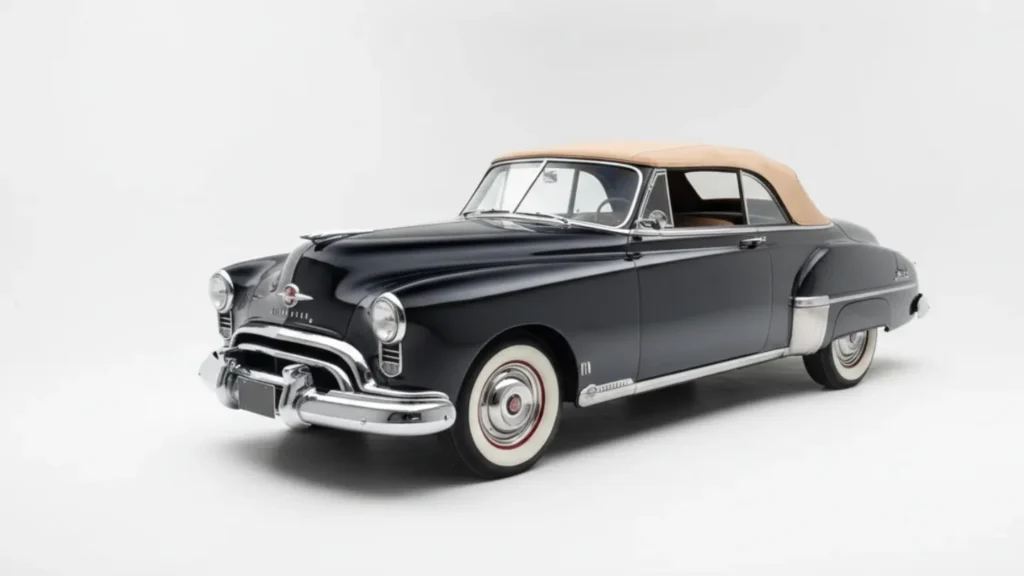
The 1949 Oldsmobile Rocket 88 is often considered the first proper muscle car and a racing champion. Oldsmobile Rocket 88’s 303 V8 and Cadillac’s new 331 V8 launched the modern era of the high-performance V8 in 1949. By the Mid-1950s, the power race heated up with:
- 1955 Chrysler C-300 (300 hp) (“America’s Most Powerful Car”)
- 1956 Studebaker Golden Hawk (275 hp)
- 1957 AMC Rambler Rebel (255 hp) (first mid-size sedan with a big-block V8)
2. Early 1960s: Drag racing shapes the scene
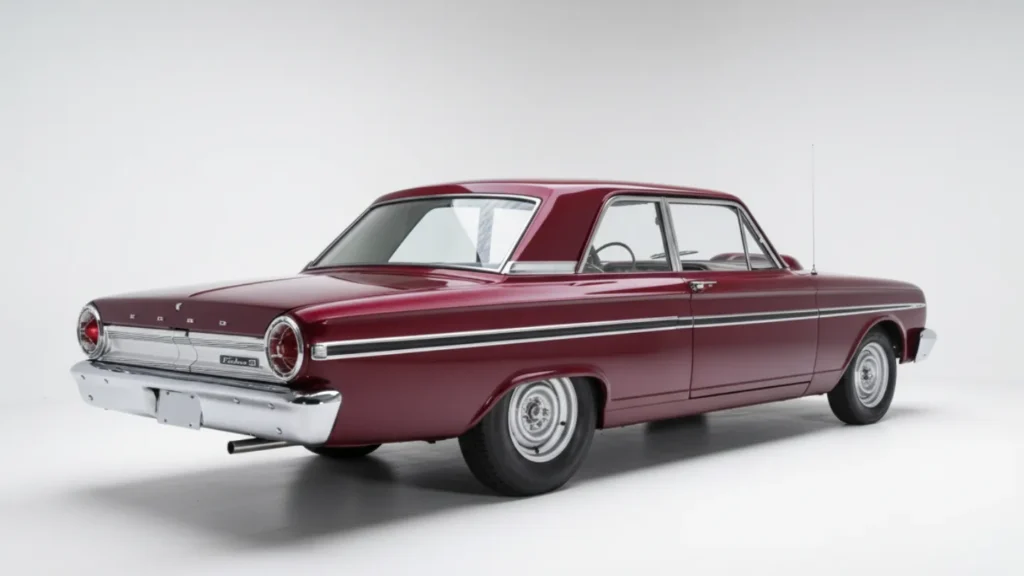
This is when things went absolutely mad. By now, the American manufacturers had realised drag racing sold cars, so they started building street-legal drag cars. The carmakers started battling on the quarter-mile, pushing for serious speed in a straight line over anything else. Some of this era’s highlights include:
- 1961 Chevrolet Impala SS 409 (6.7L V8, 425 hp)
- 1962 Dodge Dart 413 “Max Wedge” (420 hp) (sub-13-second quarter-milers)
- 1963 Ford Galaxie 427 “R-code” (≈12-second quarters)
- 1964 Ford Fairlane Thunderbolt (427 “top-oiler” V8, mind-blowing 11.76 seconds)
These early-60s “lightweights” weren’t really muscle cars in the people’s sense. They were barely legal race cars. The manufacturers were in an arms race for drag strip bragging rights because they sold regular cars.
3. 1964–1970: The golden age of muscle cars
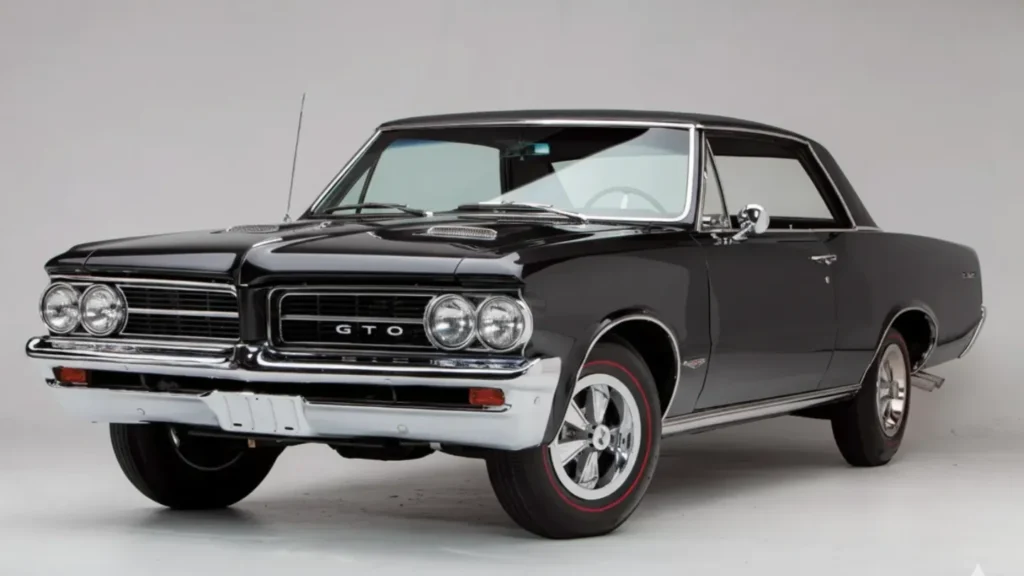
This is the era everyone talks about when they say “muscle car.” This is when it stopped being about lightweight drag racers and became about regular blokes buying serious performance off the showroom floor.
In 1964, the Pontiac GTO (389 V8, 325 hp) started the golden era phenomenon and inspired mass-market muscle cars. The GTO’s success kicked off the HP war. GTO’s success forced Oldsmobile (442), Chevrolet (Chevelle SS), and Buick (Grand Sport) to jump in.
In 1964, the world got a wildly popular, customisable, uniquely-styled (long hood and short deck) car that created a category of the “pony” car – Ford Mustang. It was not technically a muscle car in the traditional sense because it was smaller, lighter, and based on the humble Ford Falcon compact, but it was a HIT. It sold 22,000 units on the first day and over 400,000 in the first year.
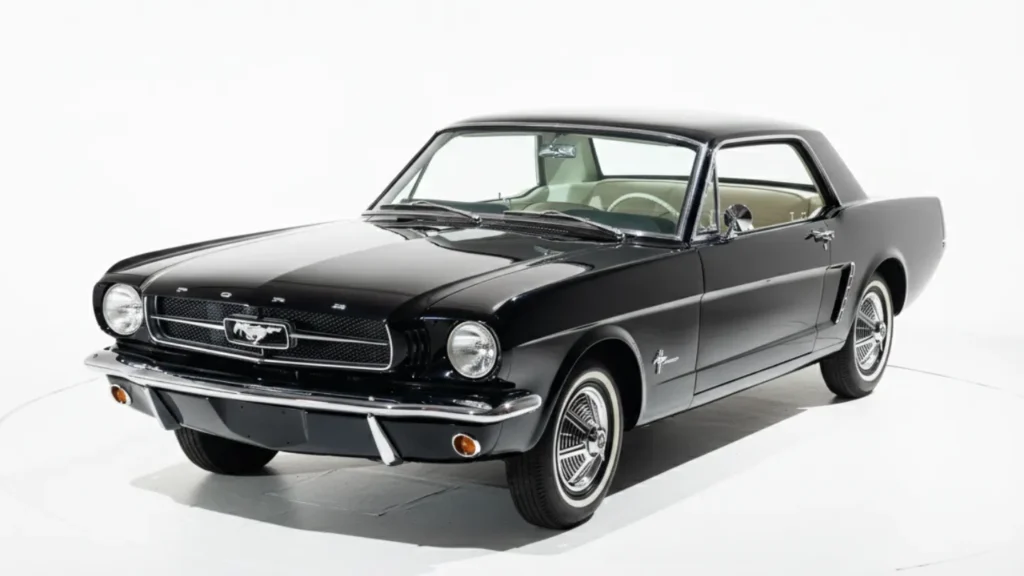
Ford’s genius was options. You could buy a secretary’s (not sporty) Mustang with an inline-six, or you could spec a Mustang with a big V8 and turn it into a corner-carving weapon.
By the late 1960s, muscle cars started getting expensive due to luxury options like AC and fancy interiors. This led to stripped-down, back-to-basics muscle cars like the 1968 Plymouth Road Runner (383 V8, 335 hp).
By 1970, things had gone absolutely crazy with that era’s highest factory-rated 1970 Chevrolet Chevelle SS 454 LS6 (7.4L, 450 hp) and the drag strip’s beast Chrysler 426 Hemi.
But by 1970, the muscle car party was ending due to raised insurance premiums, some regulations, and frankly, the horsepower war had also gotten out of hand.
4. 1970s: The collapse
Three forces crushed the muscle car almost overnight: Emissions regulations (Clean Air Act, 1970), jacked-up insurance premiums, and the 1973 oil crisis. Compression ratios were slashed, unleaded fuel was mandated, and emissions equipment was added. The result? Muscle-car power figures collapsed.
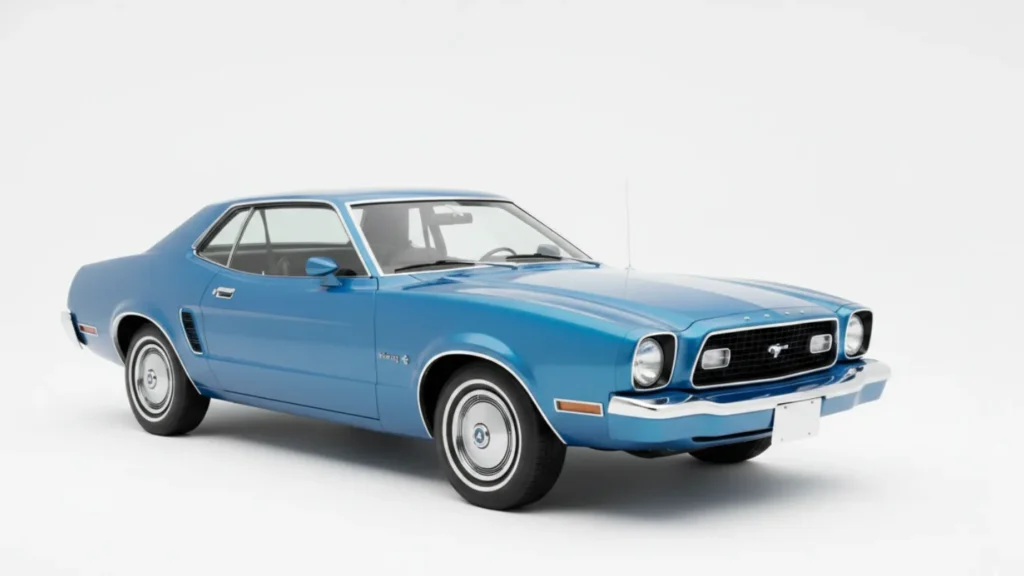
Cars from 1974-1982 are often called “malaise era” cars, as they’re slow and compromised. When Ford introduced the Mustang II (4-cyl, tiny, underpowered) in 1974, it was the death certificate for the muscle car era.
5. 1980s–1990s: The revival
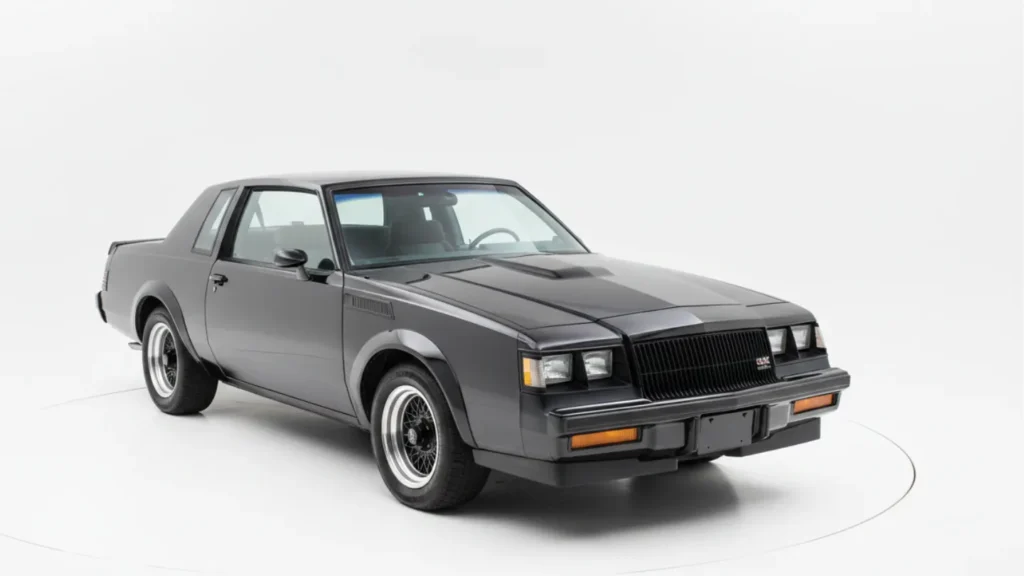
Advancing technology and stabilising economies brought the power back to muscle cars. In the 1980s, people saw the Ford Mustang GT, Chevrolet Camaro Z28, and Firebird Trans Am on the roads again. Buick surprised everyone with turbo V6 monsters in the Grand National and the GNX, which matched or beat V8s.
By the 90s, only a handful, like the 4th-gen Ford Mustang, Chevrolet Camaro, Pontiac Firebird, and 10th-gen Ford Thunderbird Super Coupe (supercharged V6) survived.
6. 2000s–present: Nostalgia and the EV pivot
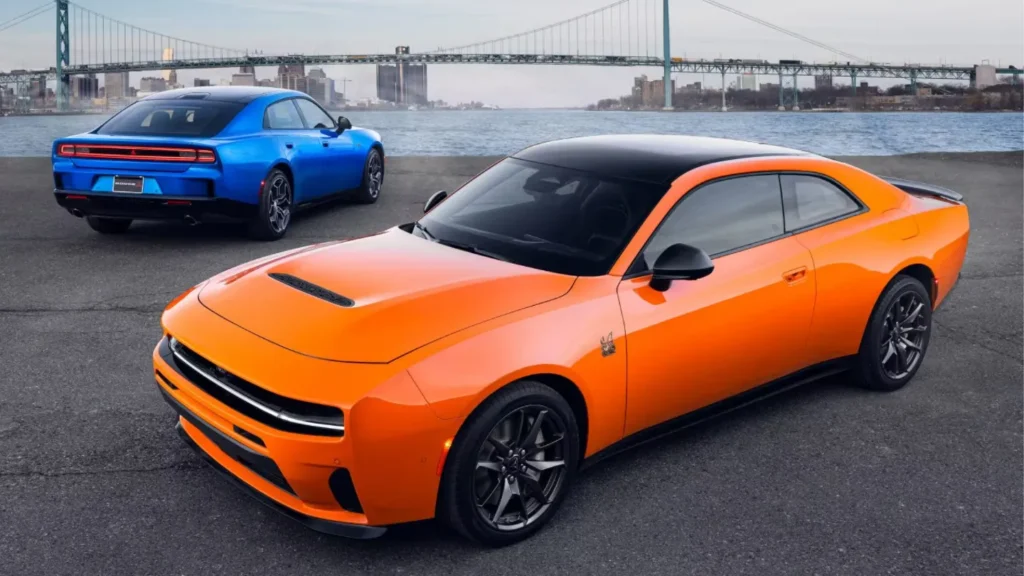
In the early 2000s, manufacturers leaned heavily on nostalgia by launching the 2004 Pontiac GTO (rebadged as the Holden Monaro), 2005 Ford Mustang, 2006 Monte Carlo SS (V8), and Chrysler 300C and Dodge Charger (now in 4-door form).
During 2008-2010, 3 muscle cars returned to the bitumen: the 2008 Dodge Challenger, the 2009 Chevrolet Camaro, and the fifth-gen Ford Mustang. In the 2010s, only the Mustang, Challenger, and Camaro survived.
In the 2020s and present time, the Ford Mustang Mach-E electric SUV and the 2024 Dodge Charger Daytona have emerged as the first electric muscle cars. The roar of the American engine isn’t muted yet. Ford still sells Mustangs with 5-litre V8s, some even supercharged, while the ICE version of the Dodge Charger Daytona is scheduled to launch in 2026.
MORE: Top 10 sports cars in Australia
How the muscle car evolved in Australia
Australia’s muscle-car story isn’t a copy-paste of America’s. It grew out of motorsport warfare, Bathurst bragging rights, big distances, and a national obsession with fast family sedans.
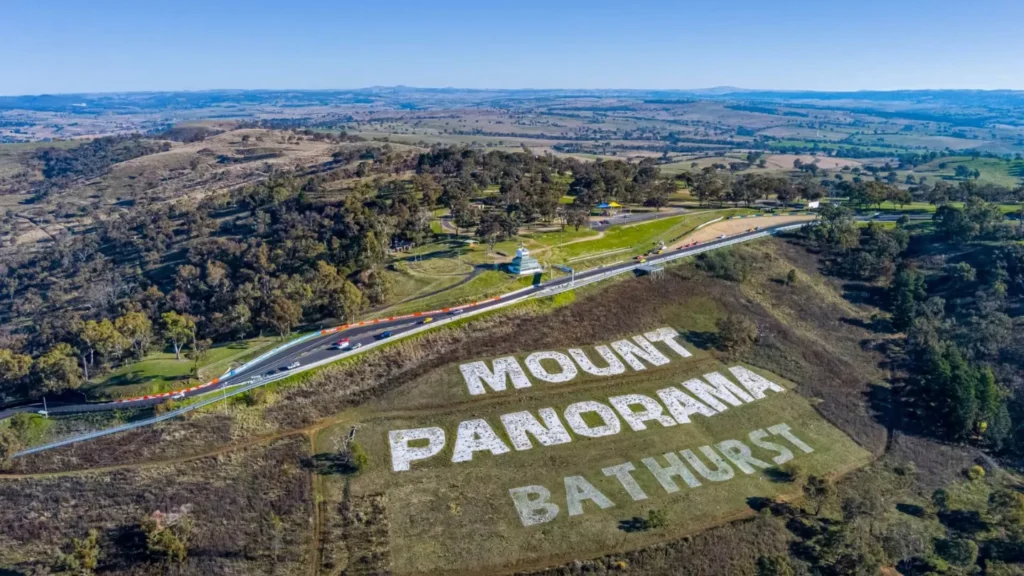
Australian muscle cars were often 4-door sedans because that’s what sold here. Another difference was that Aussies embraced 6-cylinder performance alongside V8s.
Based on the information available, it’s possible to draw a rough timeline of the iconic muscle car’s presence and influence in Australia:
| Category | Features | Muscle cars |
|---|---|---|
| Classic early muscle (1963–1968) | Hot 6-cylinders or early V8s, built for Bathurst homologation, minimal frills | Holden EH S4 Ford Falcon XM Super Pursuit Valiant AP6 V8 |
| Golden-age V8 muscle (1968–1972) | Big-cube V8s (or the Hemi-6), high power, Bathurst weapons, iconic liveries | Ford GTHO Phase III Monaro GTS 350 Charger R/T E49 |
| Post-supercar scare specials (1970s & 80s) | Limited-production homologation cars, less powerful but highly focused | Holden Torana A9X Ford XC Falcon Cobra |
| Late 1980s & 90s dealer-team muscle | Low factory power but tuner magic; racing-inspired, unique colours | HDT Group A Commodores Early HSVs |
| Modern Australian muscle (2000–2017) | Big V8s, superchargers, advanced tech, global-level performance | HSV GTS (LSA) FPV GT-FF PV F6SS-V Redline |
| Imported/modern muscle (post-2017) | No more Aussie manufacturing; imported coupes and sedans | Ford Mustang HSV Camaro Dodge Challenger |
1. 1960s: Birth of the Aussie muscle
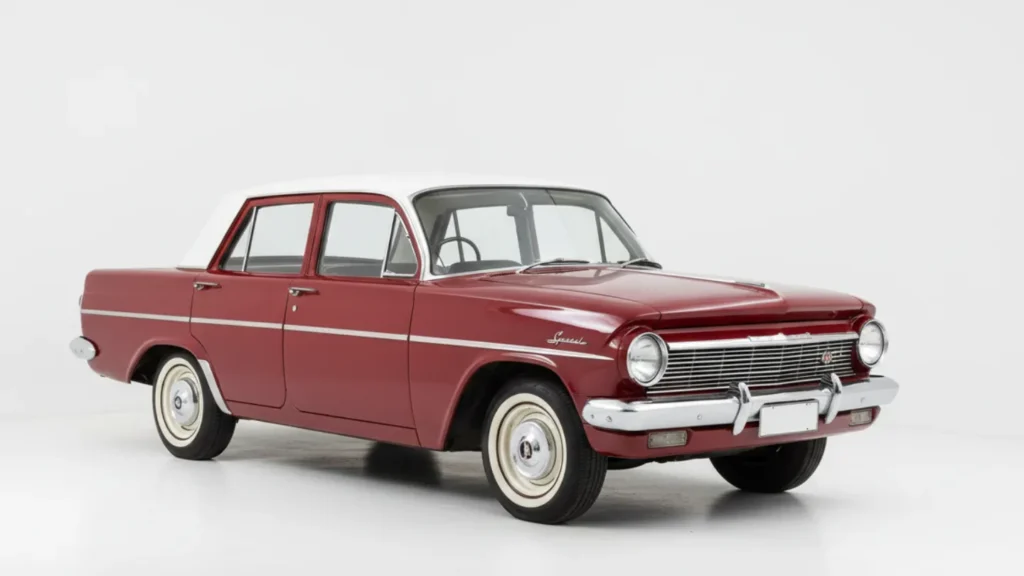
The muscle or performance boosting idea was simple for the Aussie manufacturers focused on the Bathurst racing circuit in the 1960s: “take a family car, beef it up.” The 1963 Holden EH S4 (built for Bathurst) was the first Australian-designed performance car, though it’s debatable because it used a V6 engine. Ford did a similar thing with its enhanced V6 “Super Pursuit” engine in the 1964 Ford Falcon XM.
In 1965, the Aussie muscle car scene got interesting with the imported American V8 engines. Australia got its first V8 muscle car in the form of a full-sized sedan, the 1965 Chrysler Valiant AP6 (4.5L, 181 hp). Chrysler beat Ford and Holden to the punch.
Ford fought back with its 1966 Ford Falcon XR, powered by the Ford Windsor V8 (4.7L, 200 hp) engine. Holden didn’t sit back either and launched the iconic, more aggressive Holden HK Monaro GTS 327 2-door coupe with a Chevrolet small-block V8 (5.4L, 210 hp) engine. This kicked off the Ford vs. Holden vs. Chrysler war that would define Australian muscle cars for the next decade.
2. Early 1970s: The golden muscle age of Australia
If you know anything about Australian muscle cars, you know these three names: GTHO Phase III, Monaro 350, Charger E49.
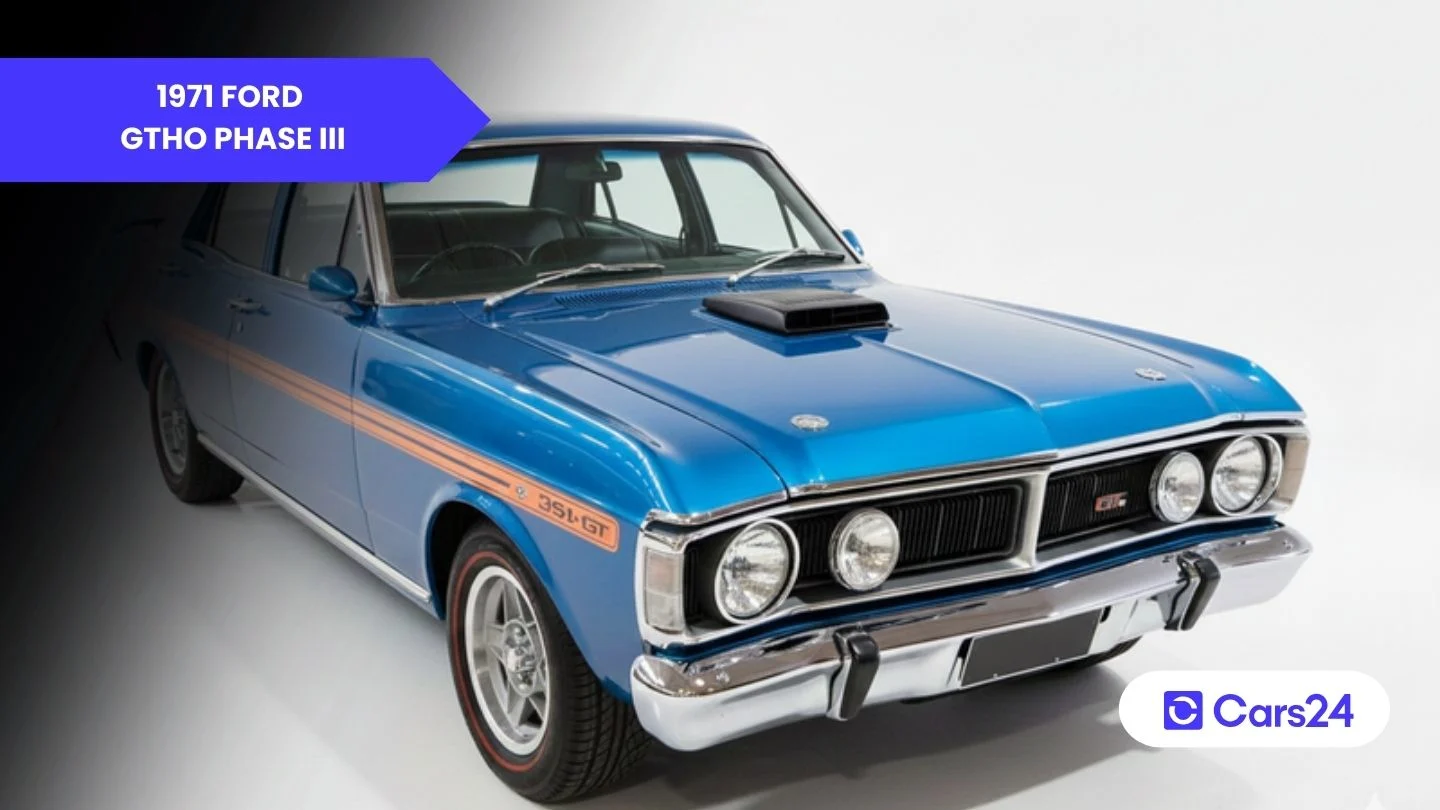
Often considered one of the best and fastest Australian muscle cars, the 1971-1972 Ford Falcon XY GTHO Phase III (banner photo) won the 1971 Bathurst race. This 4-door GT sibling was powered by the imported Ford Cleveland V8 (5.8L, 350-380 hp) engine and went 0-100 km/h in 6.9 seconds.
Holden’s answer to the GTHO was the Holden HQ Monaro GTS 350 (5.7L, 275 hp), but it wasn’t quite as fast. Soon after, the Chrysler Valiant Charger R/T E49 came in with a more powerful, Australia-bred, Hemi-6 V6 (4.3L, 302 hp) engine.
3. 1972: The supercar scare
Just like in America, the muscle car party also ended abruptly, but there was political panic in Australia. The government told manufacturers to shut down the production of high-performance “homologation special” cars during the “supercar scare.”
4. Late 1970s -1980s: Homologation survivors
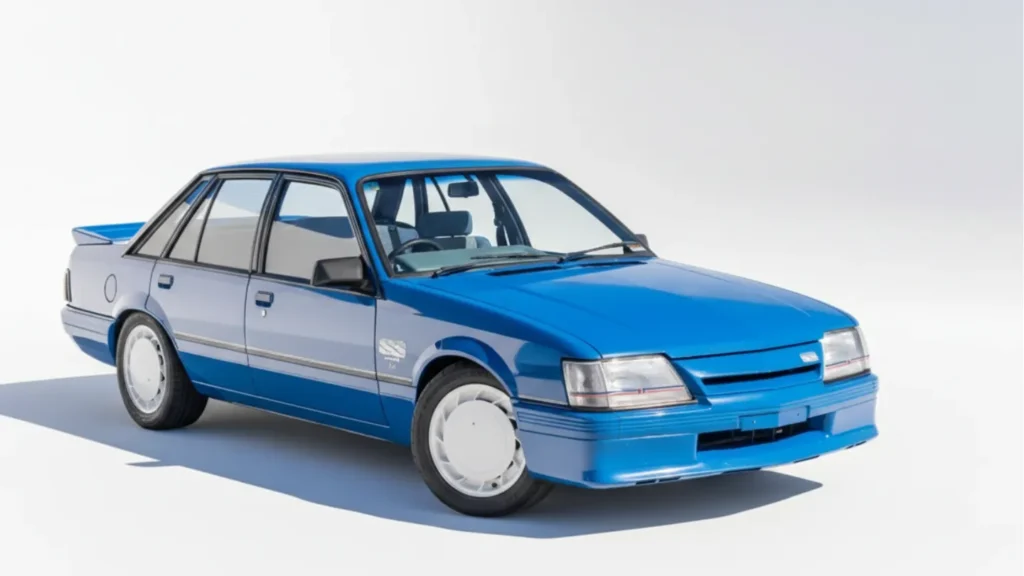
Things were not the same after the supercar scare. After 1972, Australian muscle cars became shadows of their former selves. Holden and Ford made less powerful cars like the 1977-1978 Holden Torana LX A9X and 1978-1979 Ford Falcon XC Cobra, respectively, for the Group C touring race.
The 1980s were grim, too. V8 engines were still available, but power was strangled due to the strict regulations in 1970s America. Ford Falcon XD (5.8L V8) launched, but it was nowhere near the performance of the early ’70s.
The bright spot came with the Holden Dealer Team (HDT) launching factory-backed aftermarket models. The best was the iconic, blue-coloured HDT Commodore Group A.
6. 1990s: The renaissance
By the late 1980s, the performance was creeping back, with the launch of the 1988 Ford Falcon EB GT (V8). Later, the 1992 Ford Falcon EB XR8 launched with the first mainstream V8 Falcon since the early ’80s.
During 1991 to 1993, the Holden Commodore VP GTS models were also launched, which were the second version of the Commodore’s 2nd generation and were powered by the 5L, 241 hp HSV enhanced HEC V8 engine.
7. 2000s–2010s: Second golden age
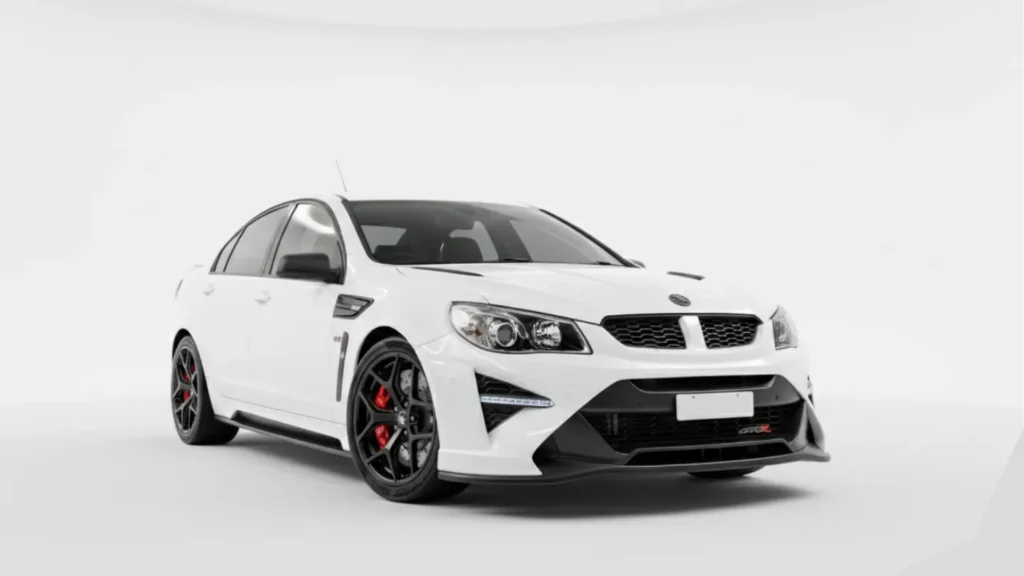
This era saw the return of serious power with HSV (Holden Special Vehicles) GTS, FPV GT and F6 Turbo. Cars like the HSV GTS (LSA supercharged), FPV GT-F, and even the later Holden Commodore SS/SS-V became world-class muscle machines.
8. Late 2010s–present: End of Australia-made muscle
Local manufacturing for Australia ended in 2017 (Holden, Ford, Toyota), but the legend of the muscle cars continues in restored classics, HSV-converted Camaros, and imported Mustangs and Dodge Challengers.
MORE: The fastest EVs you can buy for less than a Porsche 911
Muscle car racing culture in Australia
Australia already had a racing-obsessed culture (starting in the 1920s) before the muscle cars arrived in the 1960s. The Alpine Rally of East Gippsland of 1921 was Australia’s first proper motorsport competition.
The Bathurst racing circuit rivalry, mainly between Ford and Holden-made cars, was the core part of the racing culture during the 1960s and 1970s, before the “supercar scare.”
By the 1980s and 1990s, Japanese cars arrived and sold well, with their reliable, efficient, affordable, and advanced-tech cars. Aussies often customised their Nissan Skyline, Honda Civic, Mazda RX-7, and Toyota Supra for racing and the looks.
At the start of the 21st century, the Australian car manufacturing industry was officially dead, with Ford and Holden ending local production. This was devastating for the traditional muscle car culture.
Recently, the Aussies have moved on from large sedans to SUVs and utes with hybrid or electric powertrains. But the racing culture is not dead yet; it has only modernised. Bathurst still hosts the biggest Aussie races with Supercars, and drag racing is still alive.
Popular muscle car history documentaries
Here are some history of the muscle car documentaries that the performance car and motorsports enthusiasts may find interesting:
- American Muscle Car (1998–2007)
- Muscle Car Of The Week (2013)
- The 24 Hour War (2016)
- Shelby American (2019)
- Radical Restoration: 1970s Luxury and Muscle (PBS) (2023)
- Goodbye, Muscle Cars (2024)
- Top 20 Muscle Cars That Changed America Forever (2025)
Own a muscle car in Australia
Australia’s top-tier muscle cars have shown extraordinary long-term returns. Owning a genuine “hero model” is closer to owning fine art than owning a car. For instance, in the 2018 Lloyds Auctions event, a Ford Falcon GTHO Phase IV sold at around $2 million.
Owning a classic muscle car (Falcon, Monaro, Valiant or Torana) in Australia involves finding the right car, navigating state registration rules, and making smart checks to avoid scams or overpriced “restorations.”
1. Decide the car: Think about the era, choose between original vs restored vs modified, and fix your budget. If you’re buying one to fix up yourself, factor those costs into the budget because that’s usually where enthusiasts end up in debt.
2. Research where to buy: Classic muscle cars in Australia change hands through private sellers, specialist classic dealerships, auctions (Shannons, Lloyds, Grays), clubs and enthusiast networks, and online platforms.
3. Inspect the car properly: Do checks like VIN & Chassis Number Verification, history file, PPSR (Personal Property Security Register) check, and mechanical inspection.
4. Buy and own it legally: Get a proper receipt/contract and complete state transfer paperwork. Make sure you have completed the ownership paperwork to the fullest extent of the law to avoid any disputes.
5. Choose the registration type: You have 2 options: Full registration or Historic/Club/Concessional registration for cars 25–30+ years old (limited vehicle use but more common). Concessional registrations are government programs and differ by state.
6. Insurance & roadworthiness: Get classic car insurance and maintain roadworthy condition.
Conclusion
The raw, tribal, Ford-vs-Holden muscle car history of the 1960s-1970s in Australia was a short but strong memory. They used American engines but tuned them, raced them harder, and in some cases (GTHO Phase III), built cars even faster than anything America produced at the time. Australian muscle cars were purpose-built for long, fast straights and technical circuits like Bathurst.
The muscle car era died with local manufacturing in 2017. But car culture isn’t dead yet; it’s evolved. Today’s car enthusiasts care about different things, like track times over straight-line speed, technology over simplicity, sustainability over fuel consumption, and global brands.
Moreover, the classic muscle cars are treasured by collectors and classic car clubs and museums now. Their legacy lives on in many early ’70s Aussie muscle cars that are now worth seven figures and are respected worldwide.
FAQs
Is Mustang a muscle car?
Yes. Ford’s Mustang is a widely popular muscle car. Moreover, the Mustang created a new “pony” car category when it launched. Pony cars are generally smaller, affordable, and more uniform in design compared to muscle cars.
Is the Corvette a muscle car?
No. The Corvette has always been a sports car. Two seats and a low-slung chassis, it’s built for handling and performance
Is a Charger a muscle car?
Yes. The Dodge Charger is a textbook American muscle car. The Aussie Chrysler Valiant Charger is also considered a muscle car.
Is a V6 model considered a muscle car?
No, not by engine alone. Historic muscle cars mostly always ran V8 engines. A V6 performance model can still be muscle-car-inspired, or could be a period-correct engine with forced induction.
Was the Rocket 88 the first muscle car?
Many historians say yes. The 1949 Oldsmobile Rocket 88 is often credited as the first true muscle car because it combined a relatively light body with a big, powerful V8. But some argue the term only fully applies to cars like the Pontiac GTO from the mid-60s.

Comments
New Comment