




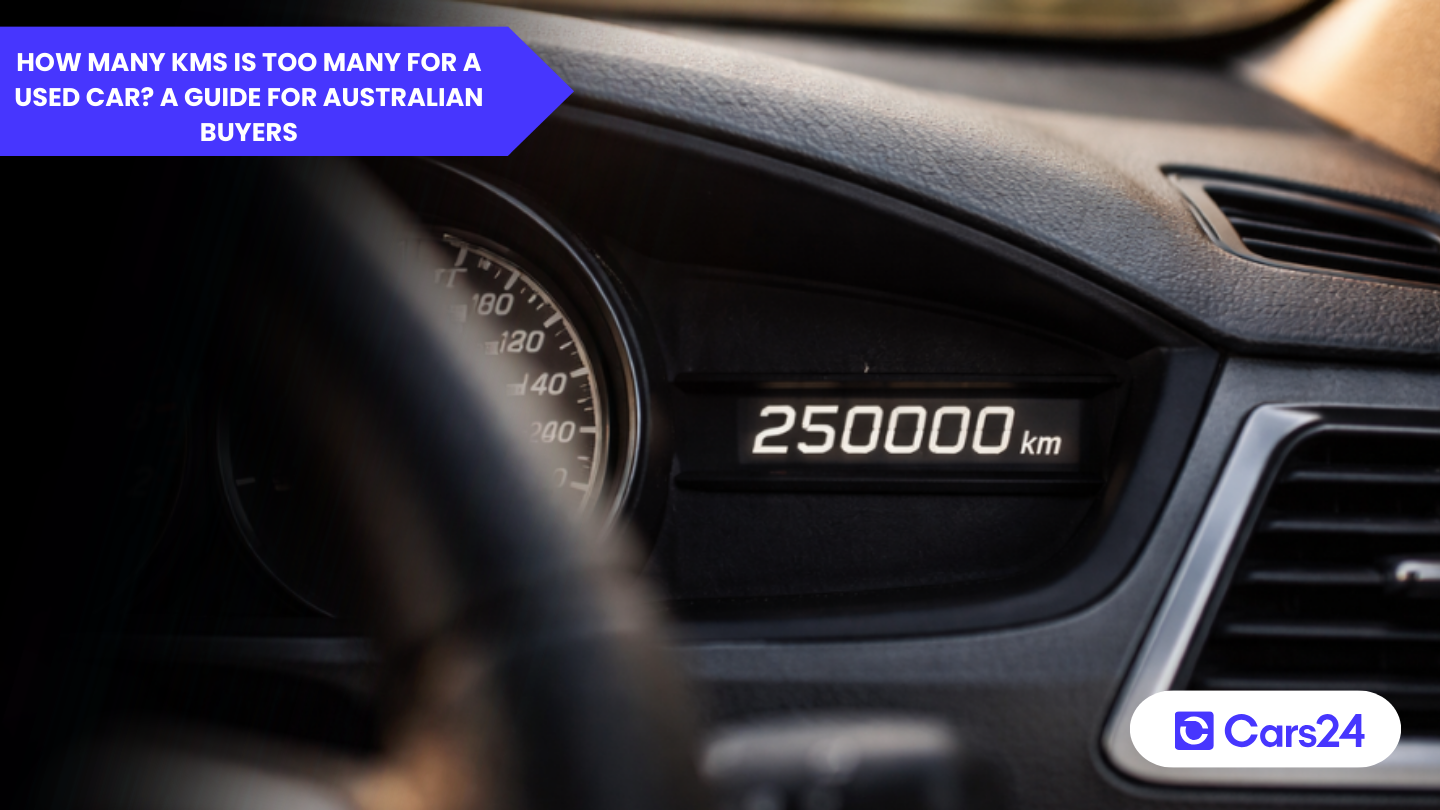
If you have ever browsed used car listings, you are probably familiar with the moment when the car appears tidy in photos, the price seems reasonable, and the model itself matches your expectations in a jiffy! Then your eyes land on the odometer, and the most asked question pops up in your mind too, one that every used car buyer asks at some point: how many kms is too many for a used car?
It’s a fair question to want a straight answer to, because kilometres do matter. More distance usually means more wear on the engine, suspension, brakes, cooling system, and transmission. But if you’ve looked at enough used cars, you start realising that the number alone doesn’t really settle anything, you naturally end up asking how old the car is, whether it’s been serviced properly, and what kind of driving those kilometres actually came from. How old is the car? Has it been serviced regularly? Was it clocking up those kilometres on open highways or grinding through city traffic every day?
That is why many experienced buyers approach mileage with a bit more nuance, instead of only asking how many kms is too many for a used car, they ask what those kilometres actually mean when put into context so that you are no longer looking at the digits in isolation. Has the car been serviced properly? Was it driven on highways or in stop-start traffic? Is it a model known for durability when maintained?
Start with the basics: Age vs Kilometres
The starting point for evaluating a used car’s mileage isn’t just the raw number; it’s how that number holds up against the car’s age. In Australia, we typically see vehicles rack up somewhere between 12,000 and 14,000 km annually. That’s a sweet spot that falls right between the ABS data from 2020 (around 12,100 km per vehicle) and what the AAA considers standard for passenger cars (about 13,800 km per year). So before stressing about whether the number on the odometer is too high, it’s worth asking one simple question first: Does that mileage actually make sense for the age of the car?
| Vehicle age | Typical kilometres | What it usually suggests |
| 1 to 3 years | 10,000 to 45,000 km | Light to moderate use |
| 4 to 5 years | 50,000 to 75,000 km | Very normal usage |
| 6 to 8 years | 75,000 to 120,000 km | Moderate mileage |
| 9 to 12 years | 110,000 to 180,000 km | Higher, but still common |
| 12+ years | 180,000 km or more | Condition and servicing matter most |
Comparing the kilometres with the age of the car is often the quickest way to see if the numbers actually add up. Think about it for a moment – a five-year-old car with around 70,000 km on it would hardly surprise anyone. But if a three-year-old car is already sitting at 150,000 km on the odometer, you naturally pause and look at it a little differently. That doesn’t automatically mean the car is a bad buy, not at all, but it does mean it’s worth slowing down for a second and asking whether those kilometres make sense for the kind of life that car has probably lived.
When buyers usually start becoming cautious
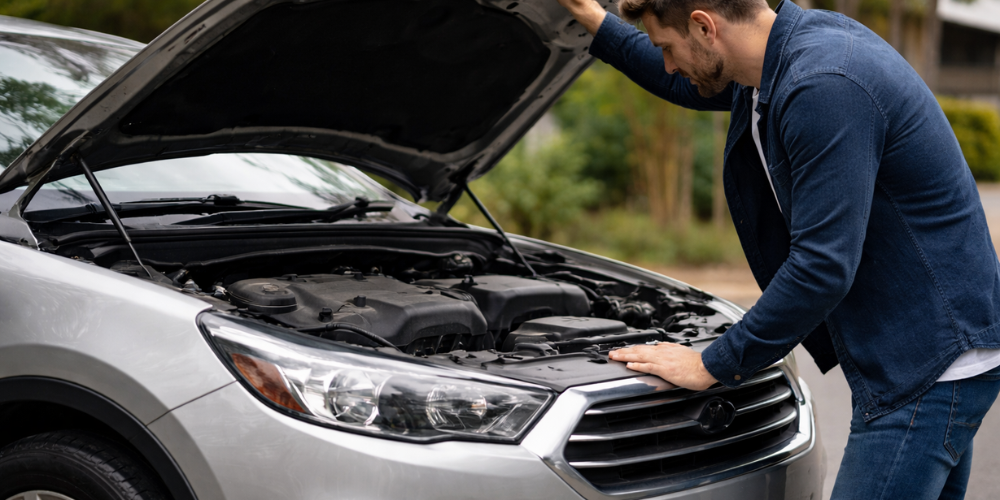
Once a car starts drifting toward 150,000 km, most buyers instinctively slow down a little and start paying closer attention. Not because that number itself changes anything overnight, but because this is usually the stage where the small realities of everyday driving begin to show up more clearly. Suspension pieces have worked hard, seals and cooling parts have seen years of heat cycles, and bits of the drivetrain have quietly done thousands of kilometres of work in the background. A car that has been ignored at 90,000 km can easily be hiding more trouble than one that has been carefully serviced and is already sitting closer to 180,000 km. Which is why when people ask what mileage is too high for a used car, the honest answer is rarely a neat number on the odometer. Higher kilometres are simply a sign to look a little deeper into the car’s history and condition before deciding if it still makes sense.
Why service history matters more than the number on the dashboard
Imagine looking at two used cars parked next to each other. One shows a neat 85,000 km on the odometer, the other is already past 170,000 km. Most people instinctively lean toward the lower number. But then you open the glovebox. The first car has no records, no logbook, no clear sign of when it was last serviced. The second has a thick folder of receipts, regular oil changes, proper inspections, and every service stamped on time. Suddenly the story changes.
That is the moment many buyers realise that the answer to how many kms is too many for a used car rarely sits in the odometer alone. A car that has been consistently serviced tends to age very differently from one that has simply been driven and forgotten.
In fact, when people start debating what mileage is too high for a used car, experienced mechanics often shrug and look at the service records first. Kilometres tell you how far a car has travelled, but maintenance tells you how well it survived the journey.
Not all kilometres are equal: highway versus city driving
Another reason how many kms is too many for a used car does not have a neat single answer is that not all kilometres create the same amount of wear. Highway driving is usually easier in a car, because the engine runs at steady speeds, braking is lighter, and there is less constant stopping and starting. City driving is harder work, especially when the car is spending its life in traffic, on short trips, with repeated cold starts, braking, potholes, and speed bumps.
That means a regional or highway-driven car with 140,000 km may, in some cases, be in better mechanical shape than a city car with 90,000 km. So when someone asks what mileage is too high for a used car, the more useful answer is often to ask what kind of driving produced those kilometres in the first place.
How long do different types of cars usually last
Vehicle type also influences how many kms is too many for a used car, because different cars are built for different workloads. Smaller hatchbacks can be durable, but their engines often work harder. Larger diesel utes and 4WDs are often designed for longer-distance or heavier-duty use, which is why higher mileage on them is not unusual.
| Vehicle type | Mileage many well-maintained examples can reach | What buyers should keep in mind |
| Small hatchbacks | 200,000 – 280,000 km | Smaller petrol engines often operate at higher RPM in daily driving, so regular servicing matters |
| Sedans and family cars | 220,000 – 320,000 km | Built for everyday driving; many reach high mileage with proper maintenance |
| SUVs | 220,000 – 320,000 km | Heavier vehicles with more drivetrain components, so suspension and drivetrain wear becomes important |
| Diesel utes and 4WDs | 300,000 – 450,000 km or more | Diesel engines are built for long duty cycles, but repairs can be expensive |
| Hybrids | 250,000 – 350,000 km or more | Electric motors last a long time; battery condition becomes the key long-term factor |
| Worth a glance: Ideal mileage for a used car in Australia |
This is why buyers often research the model itself when deciding how many kms is too many for a used car. A reliable model with a strong history of regular servicing may still be worth considering at a mileage that would feel risky on another vehicle. That is also why high mileage used car advice usually begins with, “check the model, check the records, check the condition.”
Low mileage can fool you too
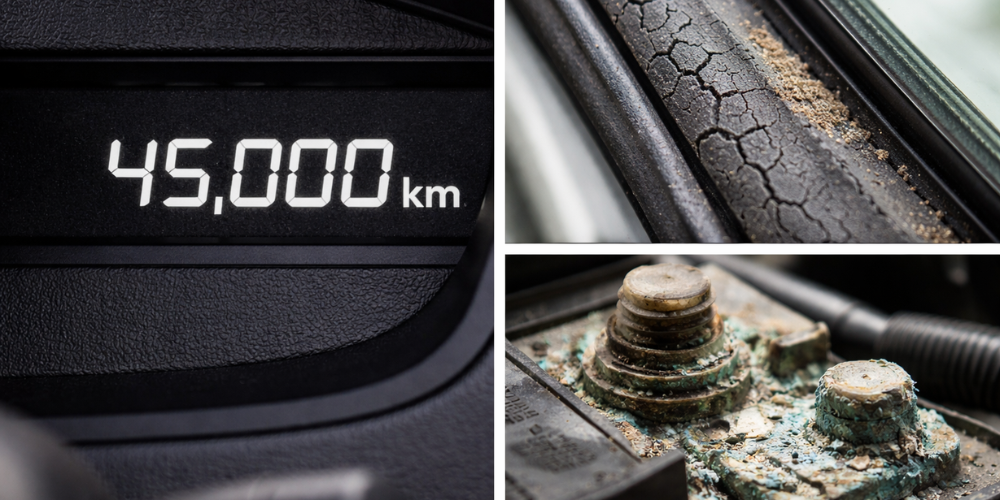
A low odometer reading can feel like striking gold, but it’s worth pausing before you get too excited. A car that’s barely turned a wheel isn’t automatically a great find; sometimes it just means the thing has been sitting. And sitting, as it turns out, isn’t great for a car. Seals dry out, tyres age and crack, fluids go stale, batteries give up, and all those little rubber components start breaking down whether the car’s being driven or not, and time doesn’t care about mileage.
So if you come across a 10-year-old car with a surprisingly low odometer, let that curiosity kick in rather than the relief. Where was it kept? Why wasn’t it being driven? A car that’s spent the better part of a decade in a driveway or shed can come with just as many surprises as one that’s done the hard kilometres – they’re just a different kind of surprise.
A practical way to think about used car mileage
When you’re trying to work out how many kms is too many for a used car, it often helps to think in mileage ranges instead of looking for a hard limit. Cars with under 100,000 km usually sit in fairly comfortable territory for many buyers. Vehicles between 100,000 and 150,000 km are extremely common in the used market and can still be a sensible buy when the service records are solid. Once a car moves into the 150,000 to 200,000 km range, it simply means you slow down a bit and check the condition and maintenance more carefully. And beyond 200,000 km, the mileage is definitely high, although it doesn’t automatically rule the car out if the model is known for durability and the history behind the car looks strong.
Looking at mileage this way often makes it easier to judge how many kms is too many for a used car, because you’re not relying on a single number. Instead, you’re weighing the car’s age, condition, maintenance, and price together before making a decision.
The question that experienced buyers usually end up asking
Most people who set out to find a definitive answer to how many kms is too many for a used car eventually come to the same realisation: the number was never really the point. What actually matters is whether the car’s condition, its service history, and the price being asked all tell a consistent story. When those three things align, the odometer reading becomes just one piece of a much larger picture.
A car that’s done serious kilometres but has been genuinely cared for can be a far sounder purchase than a low-mileage car that’s been ignored. So rather than fixating on how many kms is too many for a used car, the more useful habit is learning to read the full picture behind whatever number you’re looking at.
And if you’re shopping from a licensed dealer here in Australia, there’s one more thing to keep in your back pocket. Statutory warranty protections generally apply to used passenger cars sold by dealers that are under 10 years old and have under 160,000 km, though the specifics do vary depending on your state. It’s not a hard mechanical limit by any means, but it is a real consumer protection boundary, and it goes a long way towards explaining why 160,000 km keeps surfacing whenever Australians are debating how many kms is too many for a used car.
FAQs
How many kms is too many for a used car?
Most buyers start paying closer attention once a car crosses 150,000 km, but how many kms is too many for a used car really comes down to how old it is, how well it’s been maintained, and what condition it’s in today.
What mileage is too high for a used car?
For a lot of buyers, 200,000 km and above starts to feel like a stretch but it doesn’t have to be a dealbreaker. A well-maintained car at that reading can still have plenty of life left in it, especially if the service history backs it up.
Is a high mileage used car always risky?
Not at all. A high mileage used car can still be a solid buy if the service history is consistent, the condition is good and it’s a model known for going the distance. The odometer is just one part of the story.
What is a good mileage benchmark in Australia?
A reasonable rule of thumb is somewhere between 12,000 and 15,000 km per year, which lines up with Australian usage data from the Australian Bureau of Statistics. Use that to gauge whether a car’s been driven more or less than average for its age.
Comments
New Comment