




Most people never ask “how much does a car weigh?” until it suddenly matters. Maybe you’re comparing fuel efficiency, thinking about towing, or just wondering how heavy a car is, really? Whatever the reason, knowing the average weight of a car tells you a lot more about how it drives, handles, and even how much it’ll cost you in the long run.
So, let’s dig into the numbers and what they actually mean!
The average weight of a car in Australia
If you’re wondering how much a car weighs, the short answer is: the average car weight in Australia sits around 2.05 tonnes (or roughly 1900–2000 kg). But that number changes depending on what you drive.
Here’s a quick breakdown by category:
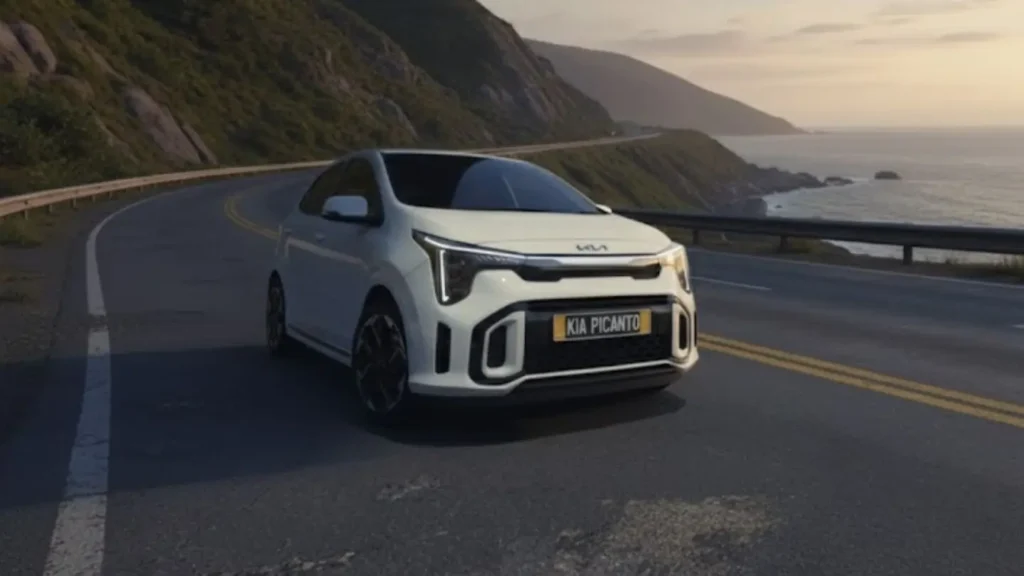
- Micro/Light Hatch (e.g. Kia Picanto, Suzuki Ignis): 900–1100 kg
- Small Car (e.g. Toyota Corolla, Hyundai i30): 1200–1400 kg
- Medium SUV (e.g. Mazda CX-5, Toyota RAV4): 1600–1800 kg
- Large SUV (e.g. Kia Sorento, Hyundai Palisade): 2000–2500 kg
- Dual-Cab Ute (e.g. Toyota HiLux, Ford Ranger): 2100–2300 kg
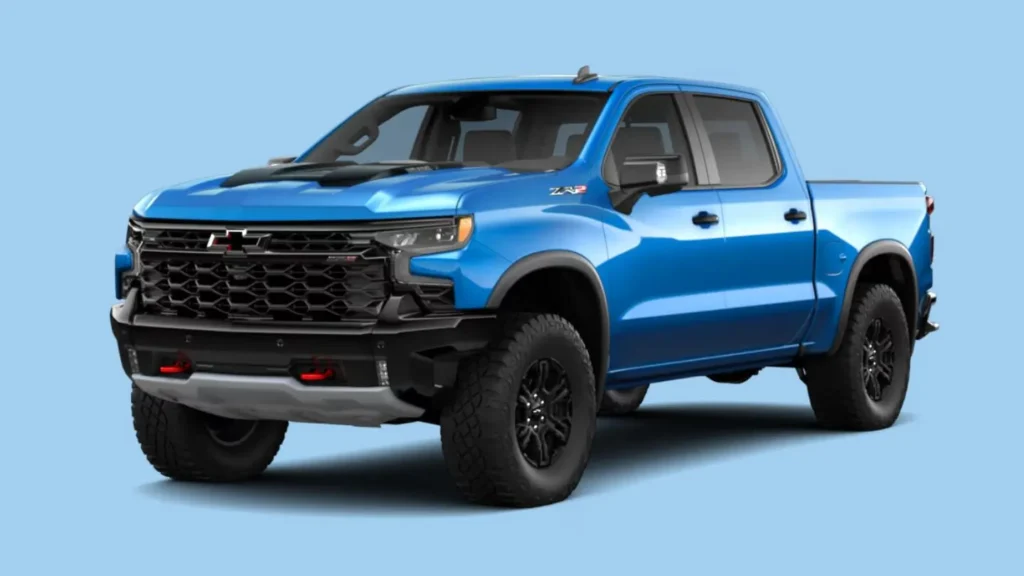
- US Pick-Up (e.g. RAM 1500, Silverado 1500): 2500–3000 kg
If you’re driving something heavier than that, congratulations, you’re piloting a small building.
Why do car weights differ so much?
When you ask “how much would a car weigh?”, the answer depends entirely on what kind of car you’re talking about.
Weight is a reflection of purpose. A Kia Picanto (just 993 kg) is designed for zipping through city traffic, while a Ford Everest (about 2450 kg) is built to carry people, cargo, and a fair bit of ego across the country.
Cars differ in weight because of:
- Size and structure: Bigger cars simply use more metal.
- Materials: Lightweight alloys and aluminium can save kilos.
- Tech and safety gear: Every sensor, camera, and sunroof adds up.
- Purpose: A family SUV needs strength; a city hatch needs agility.
So, the next time someone says “all SUVs feel heavy,” that’s because they are.
Heavy vs Light cars: Which is better?
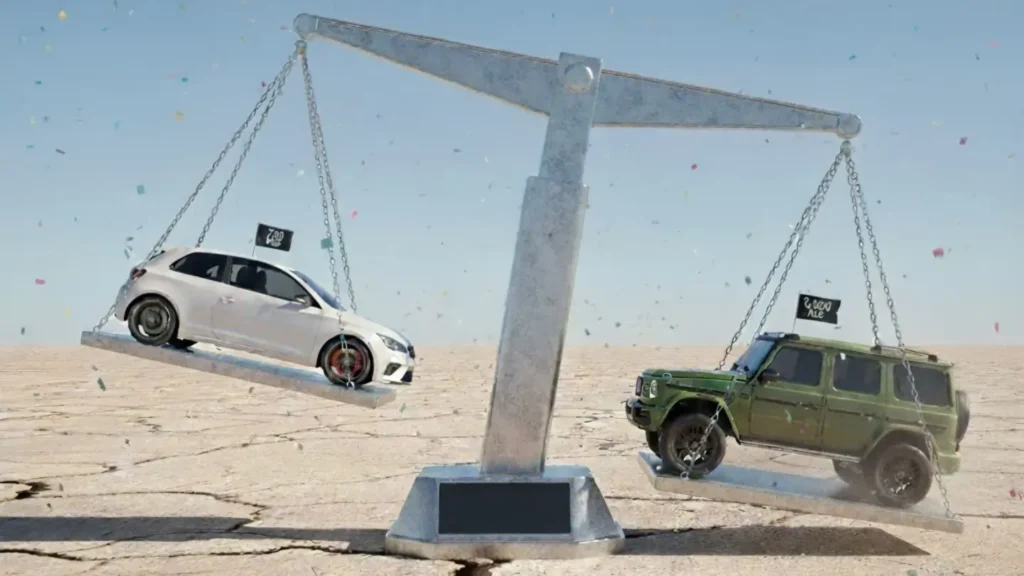
It depends on your priorities and how often you park in tight spots.
Lighter cars (under 1800 kg):
- Nimble and easy to drive in cities.
- Cheaper to run and maintain.
- Easier to park and steer.
- But they can feel twitchy at high speeds or in rough weather.
Heavier cars (over 1800 kg):
- Feel planted, safe, and stable.
- Can carry more passengers and cargo.
- Often have more powerful engines.
- But they’ll chew through tyres and fuel faster than you think.
Bottom line, if your daily drive is mostly urban, go light. If you’re towing a caravan or boat, embrace the weight.
How to find your car’s weight?
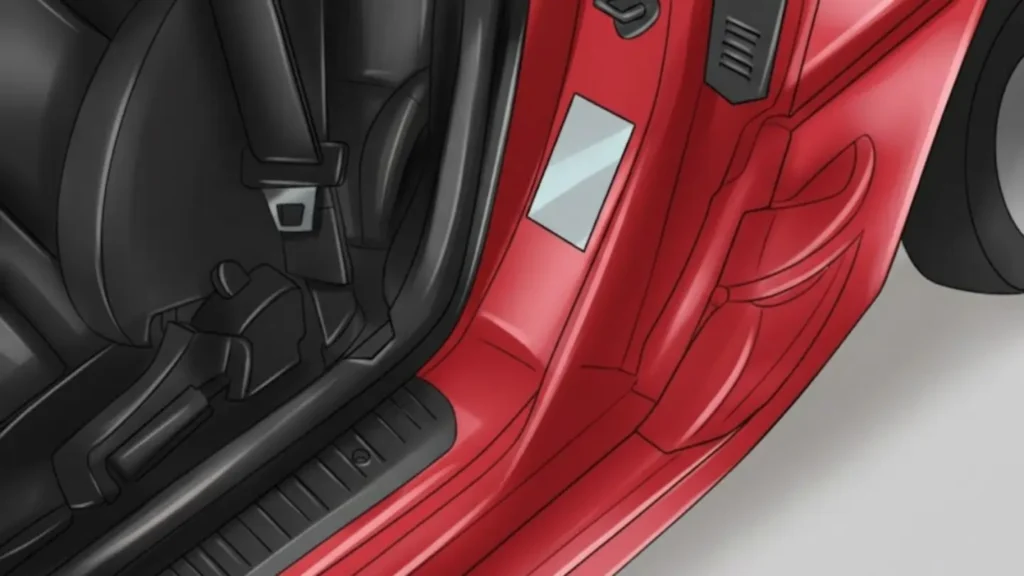
You don’t need to roll your car onto a giant scale. Just look up its kerb weight on the manufacturer’s website or any reputable automotive guide.
A quick tip:
- Kerb weight = car with all fluids and a full tank of fuel (no passengers).
- Tare weight = car with all fluids, but only about 10 litres of fuel.
When comparing vehicles, make sure you’re using the same measurement, or the numbers can be misleading.
Why does the average weight of a car matter?

A car’s weight affects nearly everything: performance, braking, efficiency, and even safety.
- Heavier cars may feel safer and more comfortable, but they burn more fuel and need stronger brakes.
- Lighter cars are cheaper to run, but can feel less stable on the highway.
So yes, that “how much does a car weigh” question is worth asking; it can tell you whether a car actually suits your lifestyle, not just your Instagram grid.
The final word
The average weight of a car in Australia is creeping higher every year as SUVs, utes, and electric vehicles dominate our roads. That’s not necessarily bad, just something to be aware of. Because when you’re choosing your next car, weight isn’t just a number buried in the specs. It’s a clue to how that car will drive, handle, and cost you down the track.
So next time you’re comparing models, ask yourself, Do I really need all that metal, or just enough to get the job done?

Comments
New Comment