




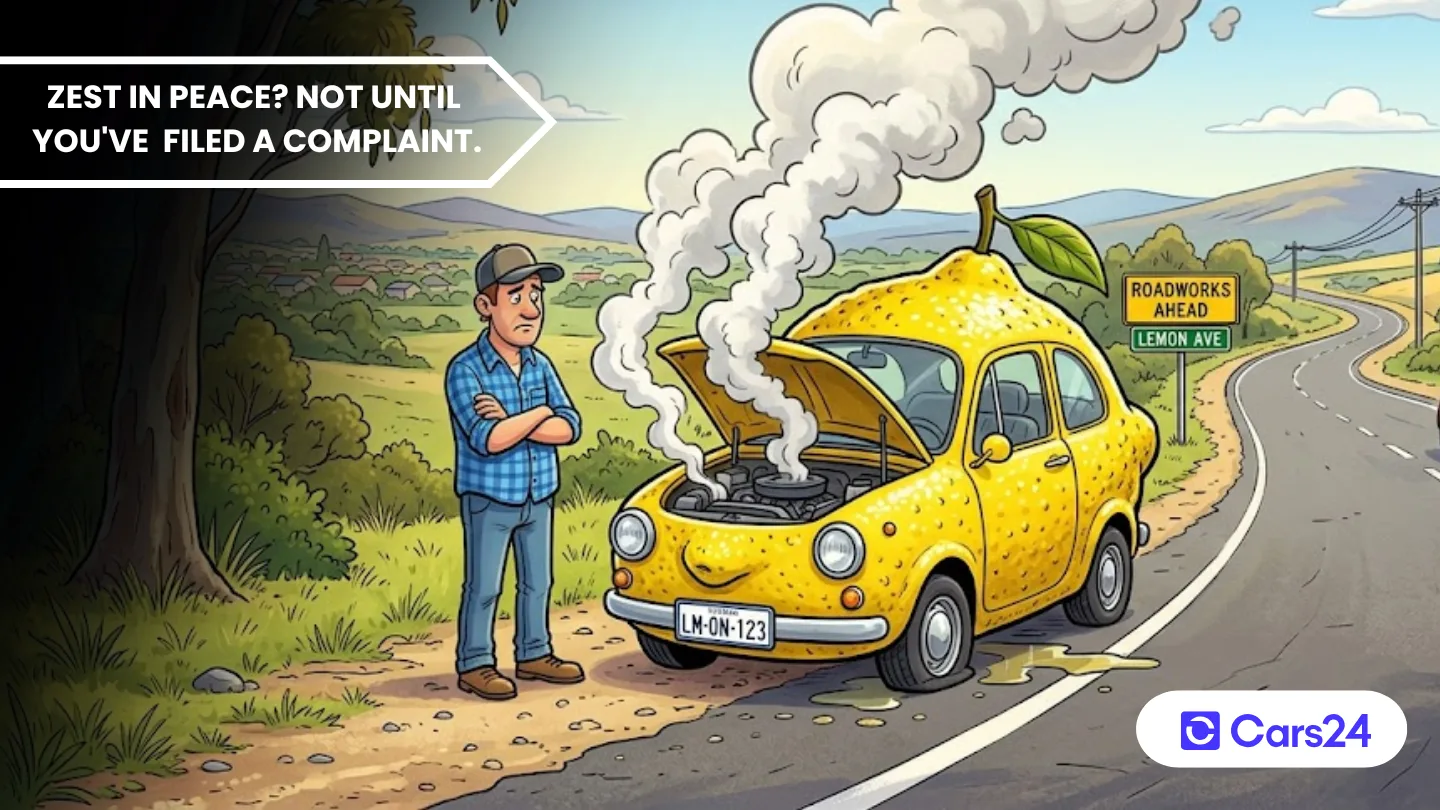
Nobody plans to buy a lemon. But even with the best research and a solid test drive, some cars just turn out to be… problems!
Australia may not officially have a dedicated “lemon law” like the United States, but if you buy a car that turns out to be a complete lemon, you’re not automatically stuck with it. Whether it’s a brand-new SUV with recurring electrical faults or a used hatchback that spends more time at the mechanic than on the road, Australian Consumer Law (ACL) still offers protections for buyers. And yes, those protections can apply to both new and used cars.
Here’s what Australian car buyers need to know if they think they’ve purchased a lemon.
What counts as a lemon car in Australia?
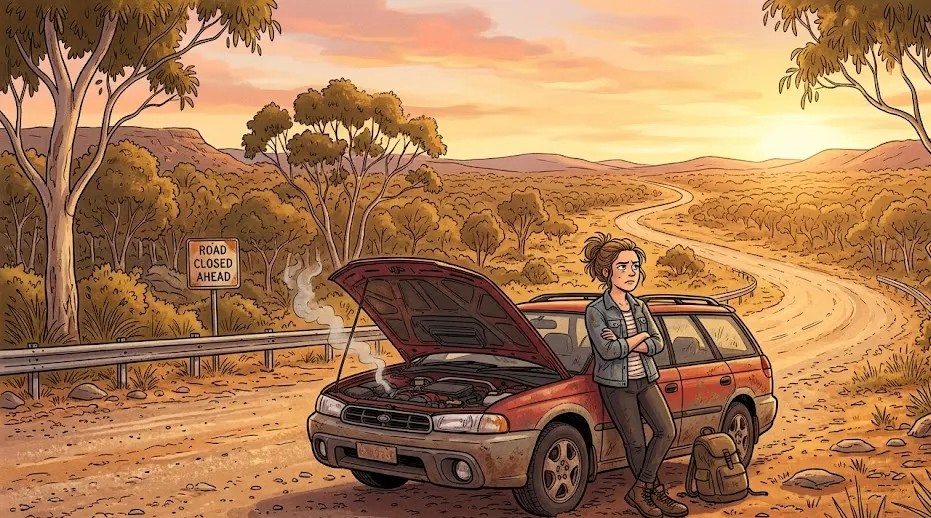
There’s no official legal definition of a “lemon” in Australia, but the term is commonly used for a car with ongoing faults that seriously affect how it works, drives, or performs.
In most cases, a lemon car is one that:
- develops repeated mechanical or electrical issues
- can’t be repaired properly after multiple attempts
- is unsafe, unreliable, or not fit for normal use
- doesn’t match the condition or description promised at sale
A lemon can be either a new or used car. Sometimes the problem may be linked to a known issue with a particular model, while other times it may simply come down to a faulty individual vehicle.
Read more: What are the signs of engine problems in a used car?
Your rights don’t disappear at the dealership door

Does Australia have lemon laws? Not officially! But buyers are protected under the Australian Competition and Consumer Commission’s Australian Consumer Law framework.
Under ACL, vehicles sold by dealers must meet basic consumer guarantees. That means a car must:
- be of acceptable quality
- be safe and durable
- be free from major defects
- match its description
- be fit for its intended purpose
These protections apply to both new and used vehicles sold by licensed dealers. Importantly, consumer rights under ACL can still apply even after a manufacturer’s warranty has expired.
Read more: Thinking of buying a used car? Don’t miss the Car History Check Report!
What rights do new car buyers have?

Most new cars sold in Australia come with a manufacturer warranty, typically lasting between five and 10 years depending on the brand. If a new car develops faults during that period, the manufacturer or dealer is generally expected to repair the issue. But even outside the warranty period, ACL protections may still apply if the problem is considered serious enough.
If your vehicle suffers a major failure, you may be entitled to:
- a refund
- a replacement vehicle
- or a repair
A major failure could include situations where:
- the car is unsafe to drive
- the fault keeps returning
- the vehicle can’t reasonably do what it was sold to do
- the repair would take too long
For smaller or minor faults, the dealer usually has the right to repair the car first.
Read more: Used Car Vs New Car: Which is Better to Purchase?
What rights do used car buyers have?
Used cars bought from licensed dealers also come with protections, although they can vary depending on the vehicle’s age, mileage, and condition. In Victoria, for example, some used vehicles are covered by a statutory warranty if they are:
- less than 10 years old, and
- have travelled under 160,000km
That warranty generally lasts for:
- three months, or
- 5,000km after purchase
If a covered fault appears during that period, the dealer may be required to repair it. However, statutory warranty protections usually do not apply to:
- private sales
- auction purchases
- older high-mileage vehicles outside the eligibility limits
That’s why inspections and vehicle history checks are especially important when buying used.
Read more: A comprehensive guide to buying a used car
What should you do if your car is a lemon?
If you believe your car has a serious fault, documentation is critical. Start by:
- contacting the dealer in writing
- explaining the issue clearly
- keeping records of repairs, invoices, emails, and breakdowns
- taking photos or videos where relevant
If the issue qualifies as a major failure under ACL, you can request a refund, replacement, or repair. Dealers are not allowed to simply push you towards the manufacturer and walk away from responsibility.
When the dealer won’t budge
If you’ve tried to resolve things directly and hit a wall, you have several escalation options:
- Consumer Affairs Victoria (CAV) – for complaints that couldn’t be resolved with the dealer
- Motor Car Traders Guarantee Fund – if a licensed Victorian dealer won’t honour a statutory warranty, you can claim up to $40,000 at no cost
- VCAT – can hear cases involving vehicles sold for $40,000 or under
- ACCC – worth reporting to, though they handle trends and compliance rather than individual disputes
How to reduce the risk of buying a lemon?

No used car is completely risk-free, but a few checks can significantly reduce the odds of ending up with a problem vehicle.
Before buying:
- get a pre-purchase inspection
- check the service history carefully
- confirm the VIN matches all paperwork
- run a PPSR check for finance or write-off history
- research common faults for that make and model
- avoid deals that seem unusually cheap
For used cars especially, buying from a reputable licensed dealer may offer stronger protections than buying privately. A detailed car history report from CARS24 Australia can help buyers identify finance owing, write-off history, and other warning signs before purchase.
The short version
Buying a car is a big deal, and a faulty one is genuinely stressful. But between the ACL and state-level protections, Aussie buyers have real recourse, more than most people realise. Know your rights before you need them, and if something does go wrong, document everything and act quickly.
Don’t get sold a lemon; unless it comes with tequila!!

Comments
New Comment