




There’s a car that lives rent-free in the Australian cultural imagination. It’s beige, probably. It has a third-row seat folded down to fit a pram, a dog, and approximately forty-seven reusable shopping bags. It smells faintly of sunscreen and crushed Tiny Teddies. Somewhere on the back, there’s likely a “Mum’s Taxi” sticker, which is funny, except it kind of isn’t.
This is the “mum car”. And it’s starting to feel wildly outdated.
Read more: 7 things to consider when buying a new mum’s perfect used car
Where did the “Mum Car” idea come from?
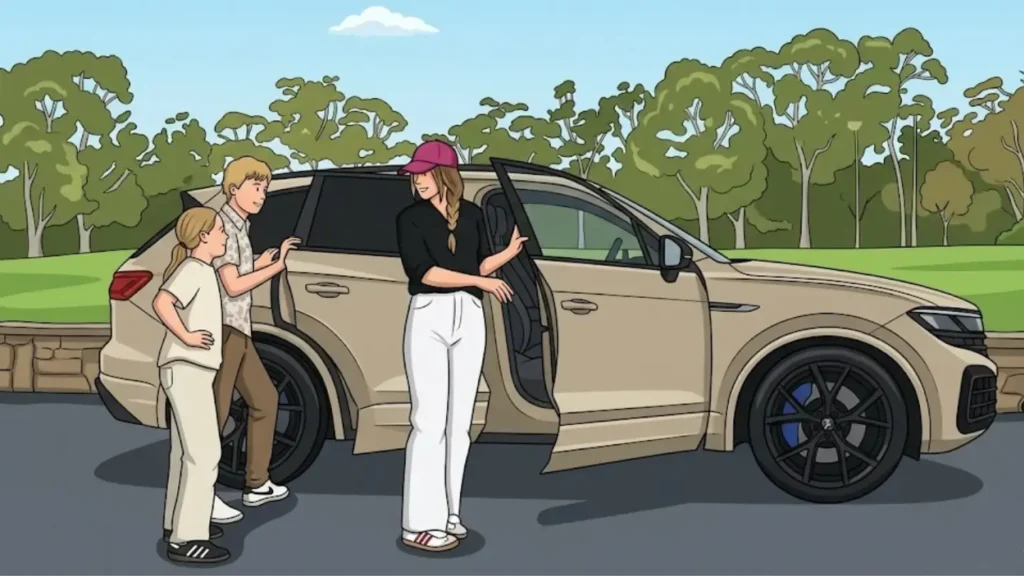
The stereotype didn’t appear out of nowhere. It was built slowly through decades of advertising that told mothers they should prioritise practicality above everything else. Safety ratings. Cup holders. Easy-clean interiors. The subtext was often the same: now that you have children, driving is no longer about enjoyment, it’s about function.
Over time, the idea became so normalised that entire vehicle categories started being marketed toward women in almost identical ways. Family SUVs, people movers and wagons became less about individual lifestyles and more about what motherhood was supposedly meant to look like.
The stereotype also assumes all mothers want the same thing: maximum practicality and minimum personality. That becoming a parent somehow replaces personal preference altogether.
Which, realistically, doesn’t reflect how people actually buy cars.
Read more: 10 best cars under $30K for mums in Australia this Mother’s Day
The mums actually driving around Australia
Real Australian mums are making far more interesting choices than the stereotype suggests. There’s the mum doing the school run in a Ford Ranger because she likes camping, weekend markets, and having a car that can handle everything from furniture runs to road trips.
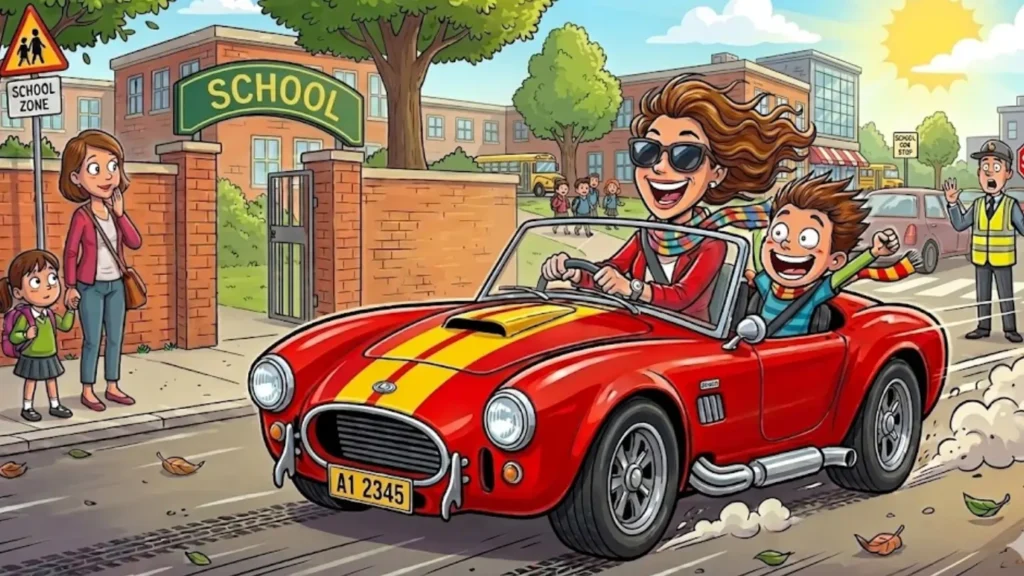
There’s the mum who bought a used Subaru WRX because she grew up loving performance cars and never saw a reason to stop. Her kids, meanwhile, think arriving at school in something loud and turbocharged is excellent for social credibility.
Then there’s the mum who switched to an EV after calculating fuel costs and thinking long-term about family expenses and sustainability. A fast electric SUV or sedan isn’t just practical, it can also be genuinely enjoyable to drive. These women are not exceptions. They’re simply not the version of motherhood car culture has traditionally focused on.
EVs have quietly changed the conversation
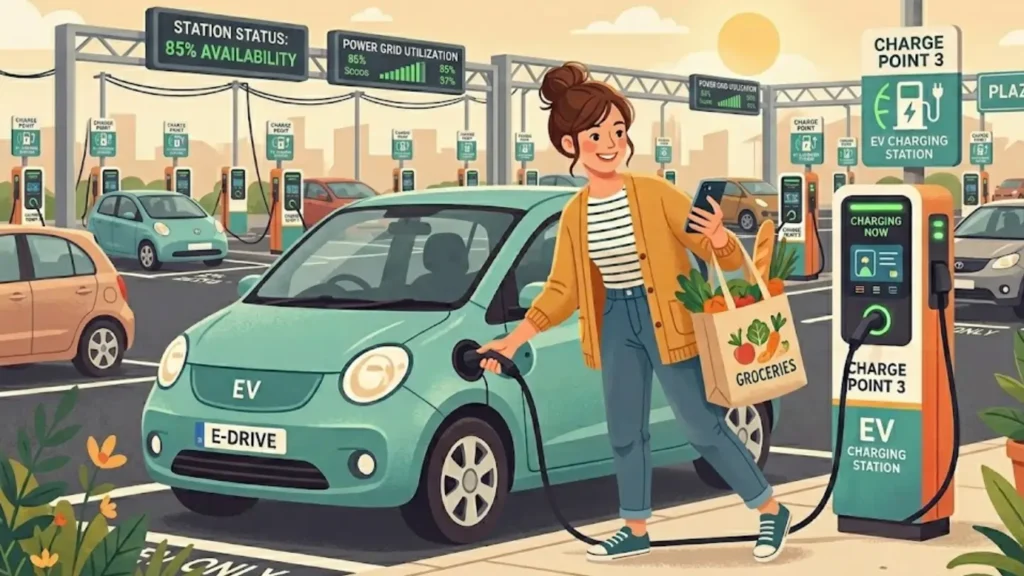
Electric vehicles have disrupted more than drivetrains, they’ve also disrupted old automotive stereotypes.
Traditional “mum cars” came with decades of cultural baggage attached. EVs largely don’t. They feel newer, less tied to old assumptions about what certain drivers are supposed to buy.
The rise of EVs among Australian families hasn’t happened independently of mothers, in many households, women are heavily involved in decisions around sustainability, running costs and long-term practicality.
Cars like the BYD Atto 3 or Kia EV6 aren’t marketed with the same old people-mover stereotypes attached to them. They’re simply modern cars that happen to suit a wide range of lifestyles.
And that shift matters.
The ute question
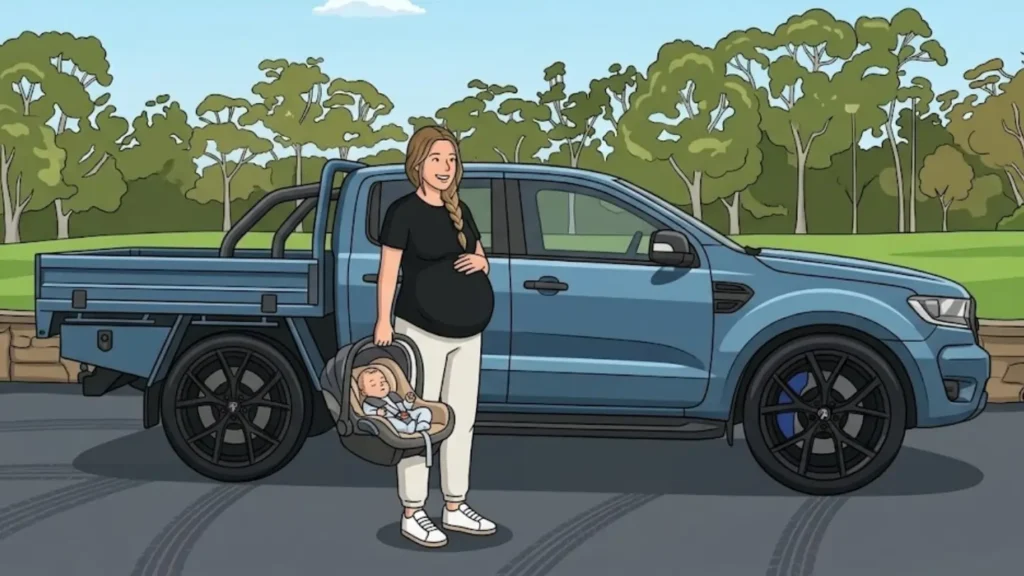
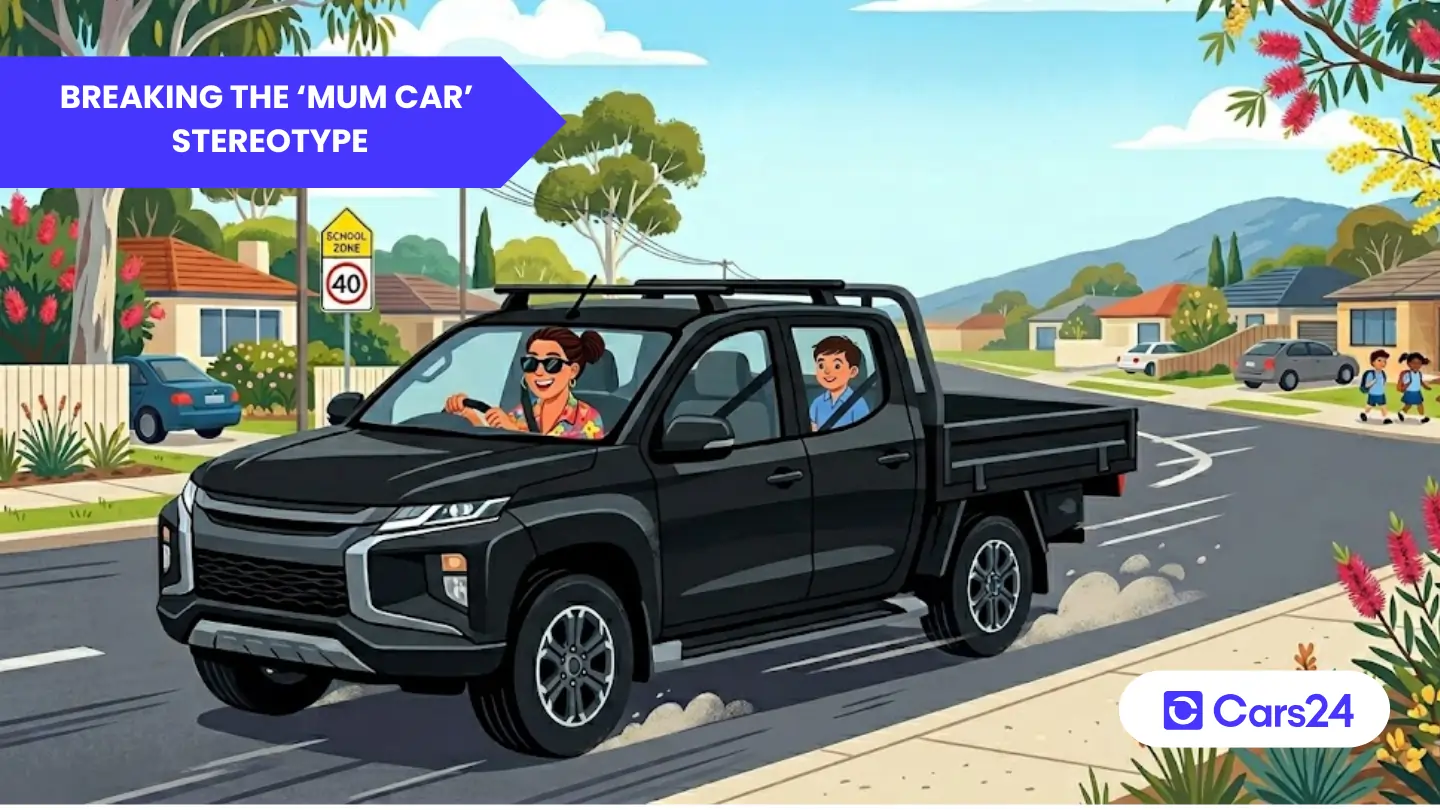
This is where the conversation becomes particularly Australian. The ute, especially vehicles like the Toyota HiLux or Mitsubishi Triton, still occupies a heavily gendered space in Australian culture. Traditionally, they’ve been associated with tradies, farms and hyper-masculine advertising campaigns.
Except increasingly, mums are buying them too. Not to make a statement. Simply because they suit real life.
For some families, a dual-cab ute makes perfect sense. It can tow, carry bikes, fit camping gear, manage weekend sport equipment and still handle the school pickup. Some owners run small businesses. Others just prefer the higher driving position and durability.
The vehicle itself doesn’t care who’s driving it. The stereotype does.
What does the “Mum Car” label actually cost?
The problem with stereotypes is that they subtly shape expectations.
When dealerships, advertisements and broader car culture constantly frame certain vehicles as “mum cars”, it narrows the conversation before buyers even begin exploring options. It suggests that practicality should automatically override personality once children enter the picture.
But those things are not mutually exclusive.
A Mazda CX-5 can be practical and still enjoyable to drive. A used BMW 3 Series can comfortably fit family life while still feeling engaging behind the wheel. A Kia Sportage can balance affordability, reliability and style without feeling like a compromise.
The best family car is simply the one that genuinely fits the owner’s life.
So what does the modern mum car look like?
Honestly, it looks like whatever the mum in question decided to buy.
It might be an EV because the running costs made sense. It might be a ute because the family genuinely needs one. It might even be a sports car because someone spent years driving sensible vehicles and decided they were done compromising.
And yes, sometimes it will still be a seven-seat SUV or people mover, because for plenty of families, that’s exactly the right tool for the job.
The difference is choice! The modern “mum car” is no longer a fixed category. It’s simply any car owned by a mother who chose the vehicle that suited her actual life, rather than the one a stereotype suggested she should want.
Which is probably how car buying should work for everyone.

Comments
New Comment