




You probably still shop for a car the way most of us were taught to- set a budget, compare sticker prices, maybe negotiate a discount, and drive away feeling like you’ve “won” the deal. But in 2026, that approach is quietly becoming outdated. The number on the windscreen matters less than what happens after you leave the dealership.
On average, owning a car now costs about $11,577 per year, or roughly $965 per month, when you factor in fuel, insurance, maintenance, and depreciation. That’s where the real financial story begins.
Running costs like fuel, servicing, insurance, tyres, depreciation have always been part of the ownership equation. What has changed is their scale, their volatility, and how quickly they can overtake the purchase price as the real cost of owning a car.
This article breaks down why running costs now matter more than ever, what is driving the shift, and how to think about your next car purchase in a way that reflects the reality of today’s market.
The purchase price is now just the entry fee
A decade ago, the upfront cost of a car was the dominant financial decision. Once you had bought the vehicle, ongoing expenses were relatively predictable. Fuel prices moved, but not dramatically. Servicing intervals were straightforward. Insurance premiums were stable.
That predictability is gone.
Today, depreciation alone averages around $4,334 per year, making it the single largest ownership cost. Add fuel and insurance, and these three categories together account for nearly 70% of what you actually spend on a car annually.
From a buyerr’s perspective, the shift is subtle at first. You might save $3,000 choosing one car over another, only to spend that difference or more within the first two years of ownership through higher fuel use alone.
The purchase price hasn’t become irrelevant. It just no longer tells the full story.
Fuel is no longer a background expense
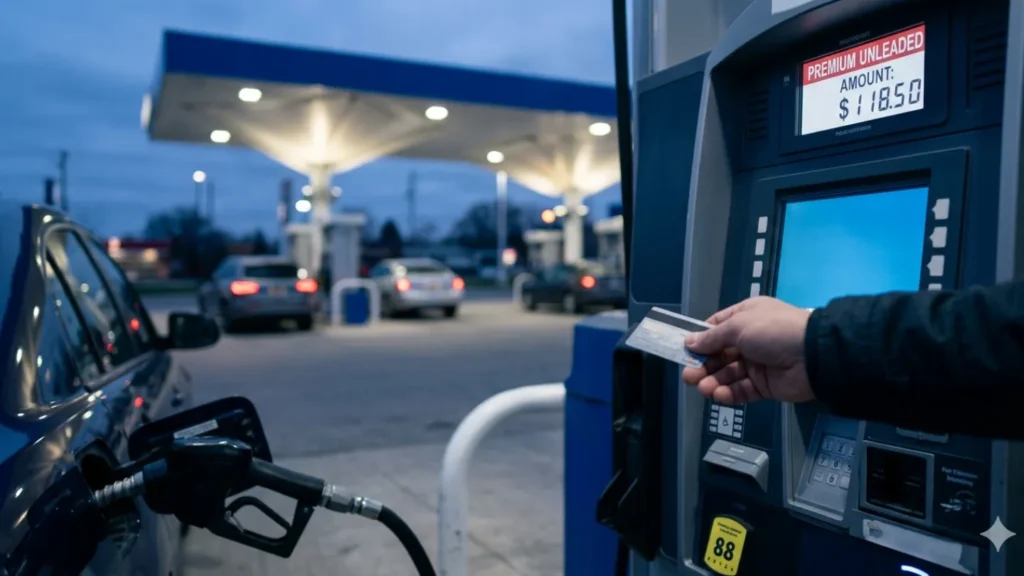
For many drivers, fuel used to be a manageable weekly cost. Now, it is often the single largest ongoing expense of owning a car.
On average, drivers spend about $1,950 per year on fuel, but the real issue isn’t just cost, it’s unpredictability. Even small efficiency differences add up quickly. A vehicle that uses 8.5L/100km versus one that uses 6.0L/100km might not sound dramatically different on paper. Over 15,000km a year, however, that gap can translate into hundreds, sometimes thousands of dollars annually, depending on fuel prices.
What makes this more important today is uncertainty. Global supply disruptions, geopolitical tensions, and limited domestic reserves mean fuel prices are not just high; they are unpredictable. Budgeting becomes harder, and inefficient vehicles expose you to more financial risk.
From behind the wheel, this is where the impact is felt most clearly. You notice it not when buying the car, but every time you fill it up.
Servicing and repairs are more complex and costly
Modern cars are safer, more efficient, and more technologically advanced than ever. But that sophistication comes at a cost.
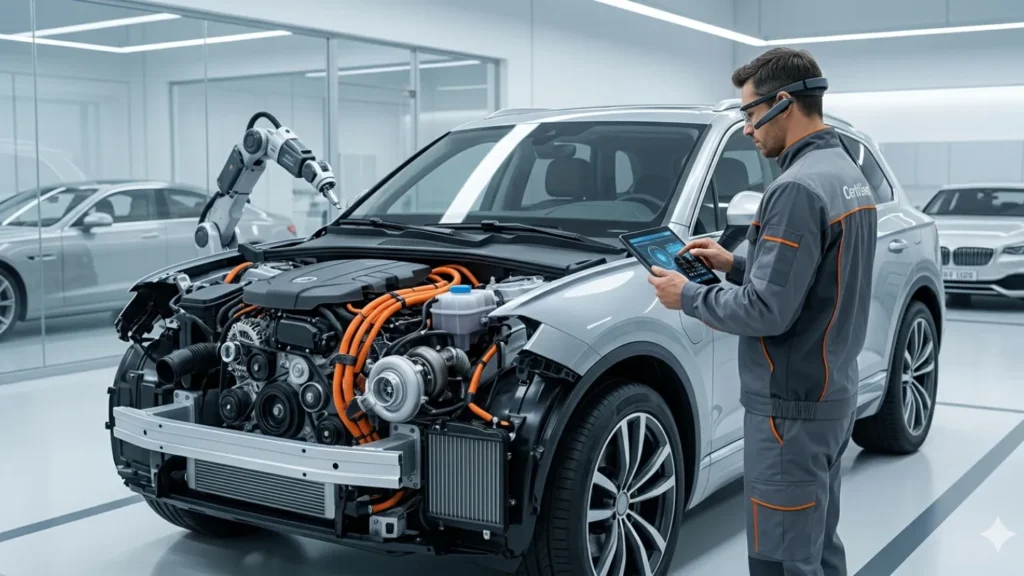
Routine servicing is no longer just oil and filters. Advanced driver assistance systems, turbocharged engines, hybrid components, and software updates all add layers of complexity. When something goes wrong, repairs can be significantly more expensive than they were even five years ago.
Labour costs are rising, parts supply can be inconsistent, and specialised components often require dealership-level expertise. For owners, that means less flexibility and higher bills.
This is one of the biggest shifts observed across the industry. Cars are objectively better, but they are also less forgiving when it comes to maintenance costs.
Insurance is quietly becoming a major factor
Insurance used to be a relatively straightforward line item. Today, it is increasingly a deciding factor in ownership costs.
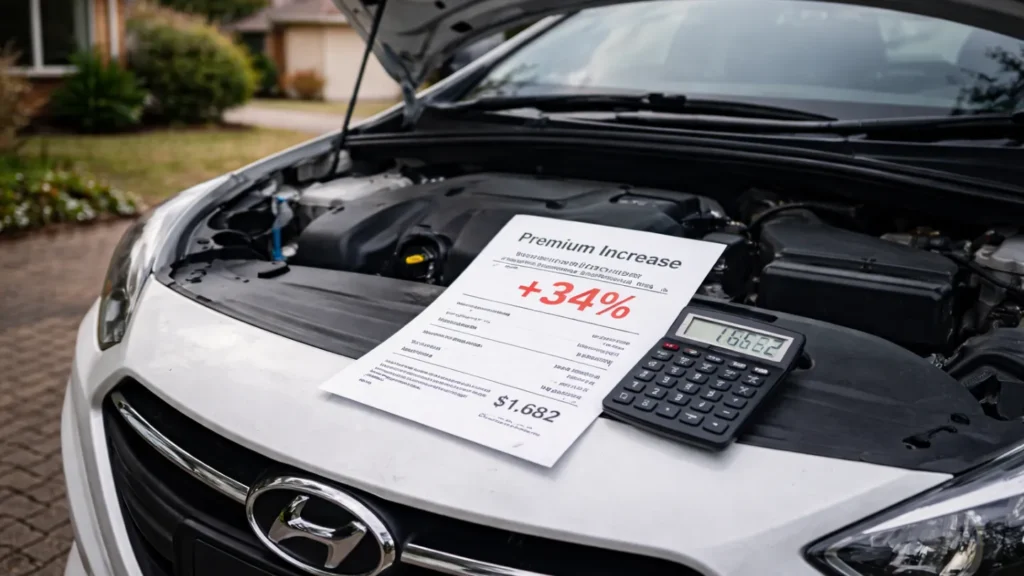
Premiums are rising for several reasons:
- Higher vehicle values and repair costs
- Increased frequency of extreme weather events
- More complex safety systems that are expensive to replace
Even something as simple as a damaged sensor or camera can turn a minor incident into a costly repair, which insurers pass on through higher premiums.
From a buyer’s perspective, two cars with similar purchase prices can have vastly different insurance costs. Yet this is often overlooked at the point of sale.
Depreciation still matters but in different ways
Depreciation has always been the hidden cost of car ownership, but its role is evolving.
In a volatile market, some vehicles hold their value better than others, particularly those with strong reputations for reliability or lower running costs. Fuel-efficient models, hybrids, and vehicles with lower servicing requirements are increasingly in demand on the used market.
That means your choice today affects not just what you spend, but what you recover when you sell.
The key shift is this; cars that are cheaper to run are often cheaper to own overall, even if their upfront price is higher.
Electrification and hybrid options are changing the equation
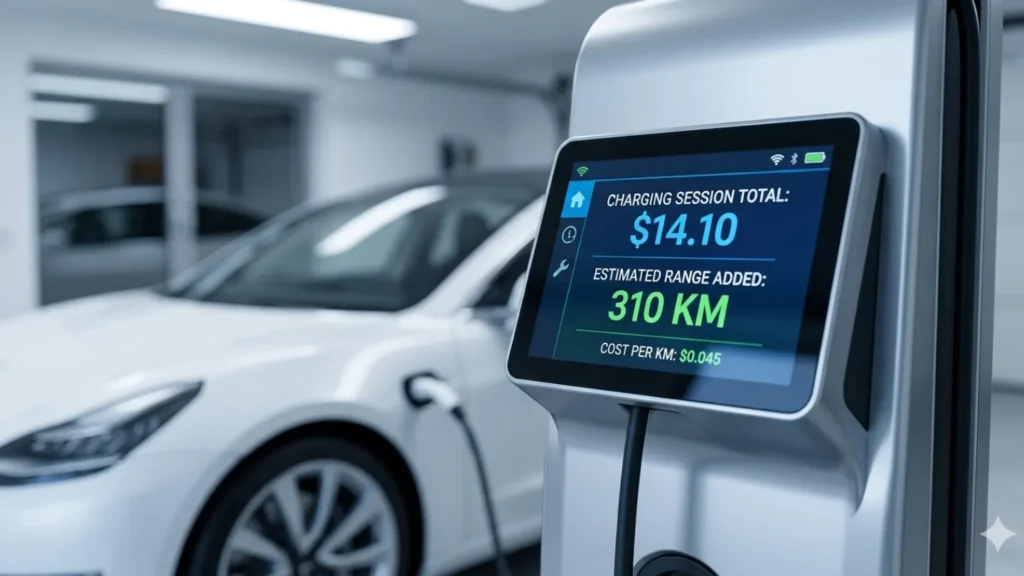
Hybrid and electric vehicles introduce a different cost structure. They are often more expensive to buy, but significantly cheaper to run.
Lower fuel (or electricity) costs, reduced servicing requirements, and smoother drivetrains can offset the higher purchase price over time. However, this depends on how and where you drive, as well as charging access and electricity pricing.
For many buyers, the question is no longer “Can I afford this car?” but “Can I afford to run it over five years?” That is a fundamentally different way of thinking about car ownership.
The real-world ownership mindset shift
From a reader’s perspective, the biggest takeaway is not that cars have become more expensive, it is that the structure of those costs has changed.
You feel it in small, cumulative ways:
- A higher-than-expected fuel bill
- A service invoice that exceeds estimates
- An insurance renewal that jumps unexpectedly
Individually, these are manageable. Collectively, they redefine what “affordable” actually means.
This is why experienced buyers and industry insiders now focus on total cost of ownership rather than just the purchase price. It is not a theoretical concept; it is a practical response to how the market has evolved.
Final advice
If you are shopping for a car in today’s environment, shift your focus beyond the sticker price. Look closely at fuel efficiency, servicing schedules, insurance estimates, and resale value. These factors will shape your ownership experience far more than the initial purchase cost.
A cheaper car upfront is not always the cheaper car to own. In many cases, the opposite is true.
Running costs are no longer a secondary consideration. They define the true cost of ownership. If there’s one mindset shift to make in 2026, it’s this- Don’t just ask what a car costs to buy. Ask what it costs to live with.

Comments
New Comment