





When you’re buying a used car in Australia, every dollar counts and every risk avoided equals savings. One smart, proactive move that can save thousands in hidden costs is obtaining a comprehensive car history check from Cars24. Our Check Vehicle History Report protects you from Encumbrance check, Written off check, Stolen check, Odometer comparison, Registration check, Vehicle Valuation, Market Demand and PPSR Report.
In this article, we will discuss why a car history check report matters, how it works and how you can leverage it to make smarter buyer decisions and keep your budget intact.

Why You Need a Car History Check Report?
Buying a used car can feel like navigating a minefield. You never know what lurks beneath the surface: hidden finance, accident damage, odometer comparison and even a previously stolen car. A car history check report arms you with knowledge, turning risky speculation into informed confidence.
- Hidden finance or outstanding loan
Imagine buying a well-priced car, only to discover that there is outstanding finance against it. A reliable vehicle history report checks whether the car has any unresolved loans or hypothecation is a major risk.
- Write-offs and structural damage
Some cars have been in major accidents, have been written off or have had serious structural repairs. These issues might not always be obvious from a casual inspection. A history check report can reveal past write-offs, flood damage or major insurance claims, giving you vital insights into the true condition and value of the car.
- Stolen vehicle or legal red flags
Have you thought what if a car was stolen and then sold off to you? Or has outstanding legal issues, such as court cases or registration anomalies? A proper report will flag the stolen status, ownership problems or mismatched registration records.
- Odometer tampering and service history
Mileage affects value heavily. If the odometer has been rolled back or tampered with, you are paying for more than you know. A vehicle history check report shows service records and mileage checks help protect you from being misled.
- Negotiation power and peace of mind
Knowing the full background of a car gives you the upper hand in negotiation; you can lower your offer if you find hidden issues or walk away if the risks are too high. And simply put, peace of mind is priceless.
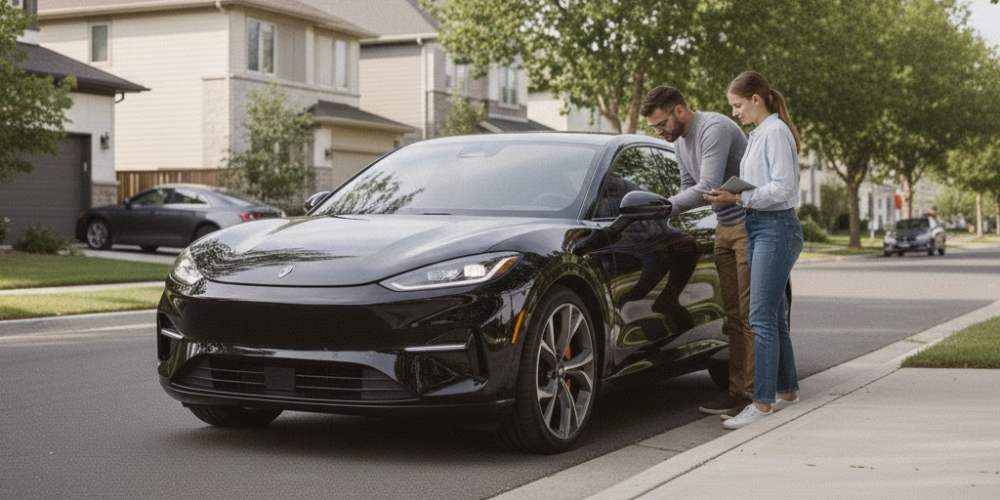
How to Get a Car History Check Report
Getting a car history check from cars24 is easy and three simple steps:
Step 1: Enter car information like VIN number or REGO number
Visit our Check Vehicle History page and put in the Registration Number (Rego) or Vehicle Identification Number (VIN)
Step 2: Search records
We scan trusted national databases for finance owing, written off checks, theft status, and more information.
Step 3: Get your report
Receive a detailed, full car history report with clear insights and facts to help you buy confidently
Real-World Savings: How Much Can You Save?
- Suppose the car is listed at AUD $20,000. Without a history check, you risk buying one with hidden damage that could cost AUD $5000 in repair over the first year.
- Or you overpay by AUD $2000 because you assumed the car had clean track record of ownershisp but in fact you got outstanding debt.
- With the history check costing less than $35 at Cars24, you can save these large costs.
By avoiding just one major cost event, you have saved thousands of dollars. Math is clear. The $34 Check Vehicle History report from Cars24 can save thousands.
How to Use the Report to Save Money
Here’s a simple workflow you can follow to make the most of the Cars24 Vehicle History Check, and how each step helps you save money.
Step 1: Before you visit the car, check the registration
Start by getting the registration number or VIN number from the seller. Use Cars24’s history check to confirm legality and ownership status. This check costs very little compared to the potential cost of getting it wrong.
Step 2: Review the report for these key red flags
- Outstanding finance: If the vehicle is owed to a lender, you might inherit problems.
- Write-off history: These will impact future repairs, insurance and resale value.
- Stolen or mismatched ownership: It’s a red flag and you should run away.
- Odometer mismatch: A huge difference between stated and real mileage
- Recall or registration issue: Need to be resolved before final payment and signing.
Step 3: Adjust your offer based on findings
If the car has had minor accident damage but is physically good. You can buy it, but you need to factor in potential future repairs or lower resale value. The report becomes your negotiation tool. You might save hundreds or thousands by securing a better price up front.
Step 4: Walk away if the risks outweigh the savings
If the reports reveal major write-offs, flood damage, or stolen status, the bargain may not be a bargain at all. Walking away saves you from unexpected repair bills, loss of value or safety risks.
Step 5: Keep the report for your record
Once you buy, keep a copy of the report with you. It serves as proof of poor due diligence and is helpful if you resell or wish to make any insurance claims.
.Few Tips for Buyers
- Always check multiple things like mechanical conditions, legal checks and financial background.
- Pair a car history check with a physical inspection and test drive before you make the final payment.
- Check the accuracy of the information or buy from a reliable seller like Cars24.
- If the price seems too good to be true, there’s probably a catch. The report will help you spot it.
- Use the report as a crucial part of the buying decision, not a standalone solution.
Conclusion
Buying a used car can be exciting, but it also carries financial risks. By investing a small upfront amount in Check Vehicle History from Cars24, you gain transparency and control. You reduce your exposure to hidden finance, write-offs, stolen cars, odometer fraud and legal issues. With a reliable car history check, you will get fewer surprises, lower potential costs and smarter spending. Whether you are buying a car in Australia or somewhere else, always do due diligence before payment.
Spend a little now and save thousands later.

Comments
New Comment