




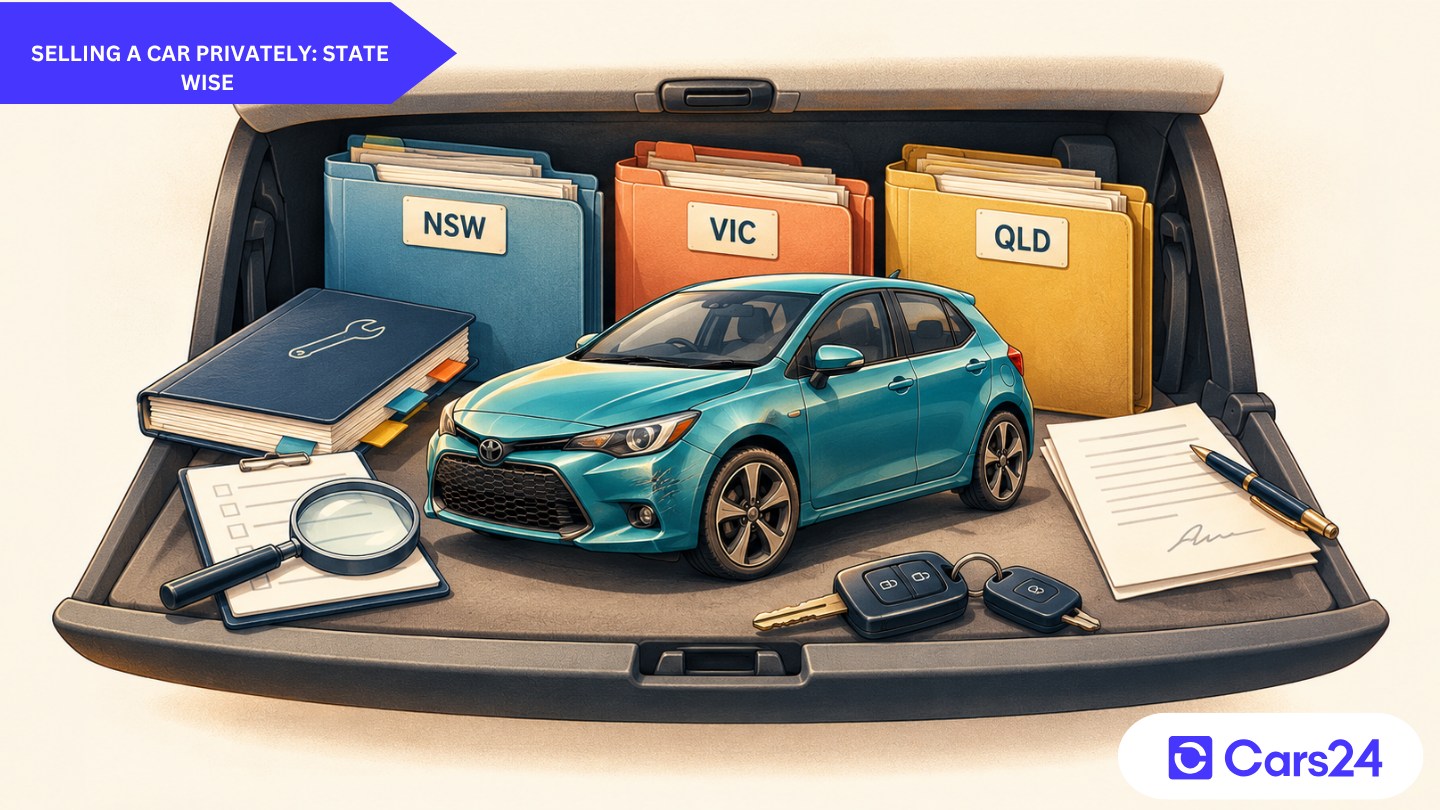
You can own a car for ten years and still have no idea how to sell it, because buying it involves someone pointing to the right boxes and handing you a pen. Now you’re selling privately, and you’re the one expected to know what happens next.
Naturally, most of your attention goes to the price. You look at similar cars, decide what you’d be happy to accept and wonder whether it’ll be profitable to fix that scrape on the bumper or not. The rego paperwork gets a mental “I’ll look into that”. Fair enough, though it’s worth checking before you promise someone they can collect the car on Saturday.
Selling a car privately works a little differently in NSW, Victoria and Queensland. Let’s go through what you’ll need in each, from getting the car ready to making sure you’re paid and the sale is properly recorded.
What do you need to organise in your state?
The paperwork depends on your state, so sort that out before you book an inspection or download any forms. Selling a car with current NSW rego to a local buyer? You won’t need a new pink slip for the transfer. In Victoria or Queensland, a private sale usually needs a roadworthy or safety certificate. Find this out first, and you can leave time for the inspection and any repairs, instead of hitting a snag after you’ve agreed on a pickup date. Here’s what applies when you sell privately, and the car stays registered in the same state:
| What needs sorting? | NSW | Victoria | Queensland |
| Do you need an inspection certificate? | No new pink slip to transfer current NSW registration. | You generally need to provide a current roadworthy certificate, unless exempt. | You generally need to provide a current safety certificate, unless exempt. |
| How long is the certificate valid? | Not applicable to the transfer above. | 30 days from issue. | Two months or 2,000 km from issue, whichever comes first. |
| What paperwork do you handle? | Lodge your notice of disposal. | Complete your notice of disposal with the buyer’s details, online through myVicRoads if eligible. | Start the transfer online if eligible. For a paper transfer, complete form F3520 with the buyer and keep signed Part B. |
| How long does the buyer have to complete the transfer? | 14 days. | 14 days. | 14 days. |
You can follow the steps through Service NSW, VicRoads or Queensland’s Department of Transport and Main Roads. Queensland also sets out its safety certificate requirements and exemptions separately.
If the buyer is registering the car in another state, sort out how that works before you agree on a handover. The existing rego, the number plates and any inspections all depend on the states involved, so settle them for this particular sale.
And if the buyer says they’ll handle the rego, you still have your own step to complete. Your notification tells the transport authority the car has been sold, and the buyer then does their own transfer. Do yours straight away and keep the confirmation. If a toll notice turns up after the car has gone, that record is your proof.
Before you put the car up for sale
You probably know your car’s little quirks better than anyone. Before choosing the closest match in the listing form, check your paperwork. Check the year and kilometres too, and take photos that show what the buyer will actually see when they arrive. Include the scrape on the bumper. It’s easier to mention it now than explain why it wasn’t in any of the photos.
For the asking price, look at similar cars with comparable kilometres, condition and service history. Bear in mind that another seller’s asking price doesn’t tell you what someone will pay. You can also get a Cars24 online valuation to help you work out where yours sits, although it remains an estimate.
While you’re getting things ready, find the spare key and gather your registration details, proof you’re entitled to sell and any inspection certificate your sale requires. Our selling-documents guide covers what to have on hand.
Go through the service records as well. Buyers will want to know when the car was serviced and what work was done, so workshop invoices are useful alongside the logbook. If some records are missing, say so. You can describe the servicing you can document without calling the history complete. Here’s where to look when checking your service history before selling.
Don’t be surprised if a buyer asks for the VIN, your car’s vehicle identification number. They can use it for a PPSR check, which can show registered security interests, such as a lender’s claim over the car, and available stolen or written-off records. It doesn’t tell them how well the car runs or whether it’s been serviced. Our REVS and PPSR guide explains what the check covers.
Selling a car privately in NSW
If your car has current NSW rego and the buyer is keeping it registered in NSW, you don’t need a new pink slip just to sell it. That’s one less thing to book. Renewing expired rego or registering the car interstate is a separate matter.
Your main job is to lodge a notice of disposal with Service NSW. This records who bought the car and when. For an eligible online submission, have your identity and registration details, the buyer’s NSW licence details, the sale date and the higher of the sale price or market value ready.
The NSW Government gives sellers 14 days to lodge it, but Service NSW recommends doing it immediately after the sale. Get it done while the details are handy and keep the confirmation.
The buyer has their own 14-day deadline to transfer the rego. Lodging your notice lets an eligible buyer complete their transfer online. Without it, they’ll need to visit a Service NSW centre.
Selling to someone from interstate? You’ll need the paper notice of disposal. Give them the required proof of registration entitlement and keep copies of your sale records.
Your green slip, or compulsory third party insurance, transfers with current NSW registration. Your comprehensive or third-party property policy needs a separate call to your insurer.
Selling a car privately in Victoria
If you’re selling with Victorian rego, get the roadworthy sorted before handing the car over. Unless the transfer is exempt, you need to give the buyer a certificate less than 30 days old. Even if they’re happy to take the car without one, that doesn’t remove your responsibility.
You don’t want to organise it so early that it expires while you’re still answering enquiries. But leaving the inspection until collection day can backfire too. The car might need repairs before it passes, so give yourself some room.
Once you’ve sold it, let VicRoads know within 14 days. If you’re eligible to do this online, open myVicRoads, find your car under “Vehicles & Registration” and select “Transfer vehicle”. Have the buyer’s details ready, complete the notice of disposal and give them the roadworthy certificate.
VicRoads says you should receive an email within 24 hours confirming the car has been transferred out of your name. Keep it with your sale records. If you can’t use the online process, head to a VicRoads Customer Service Centre.
Selling a car privately in Queensland
In Queensland, you can put the ad up before you get a safety certificate. You’ll generally need to have it ready and give it to the buyer before completing the registered private sale, though. The Queensland safety certificate rules explain the exemptions.
For a private seller, it’s valid for two months or 2,000 km, whichever comes first. If you’re still driving the car to work every day, those kilometres count. Check both the issue date and the odometer before agreeing to collection.
The certificate covers basic safety checks. A buyer might still want their own mechanic to inspect the car, because it doesn’t provide a full picture of its mechanical condition.
For an eligible online transfer, you go first and the buyer finishes the process. The transfer needs to be completed within 14 days of the sale.
If you’re using the paper form, F3520, fill it in together. The buyer submits Part A and you keep Part B with their signature. Transport and Main Roads recommends keeping a signed Part B even when you plan to do the transfer online.
If your car runs on LPG or has another gas system fitted, check whether it also needs a gas inspection certificate. That’s something to arrange before the buyer turns up for the keys.
When a buyer wants a test drive or inspection
A buyer will probably want a drive before committing. Before you hand them the keys, check their licence and confirm with your insurer that your policy covers them. Ask about any restrictions or extra excess too. Agree on a route, and consider having someone with you when you meet.
If they’d like a mechanic to inspect the car, work out the details together. Who’s booking it, who’s paying, and where will the inspection happen? It’s a reasonable request, but you’re allowed to ask questions before letting someone take your car to a workshop.
Be upfront about problems you already know about. If the air con cuts out or a warning light keeps returning, mention it before the inspection. Keep a copy of your ad and the messages where you’ve discussed the car’s condition and agreed on the sale. Our guide to avoiding online selling mistakes covers what else to watch for when dealing with buyers.
Payment first, then the keys
Agree on the payment method before collection. Ask your bank about limits and possible holds so nobody discovers a transfer problem five minutes before you need to leave.
Check payment through your own banking app or bank. A screenshot, email or the buyer’s phone showing “sent” is not confirmation that you have received the money. If anything is unclear, pause handover and contact your bank.
Scamwatch warns sellers about fake payments and requests for upfront charges. Do not send money to release a supposed payment or pay a stranger’s transport agent.
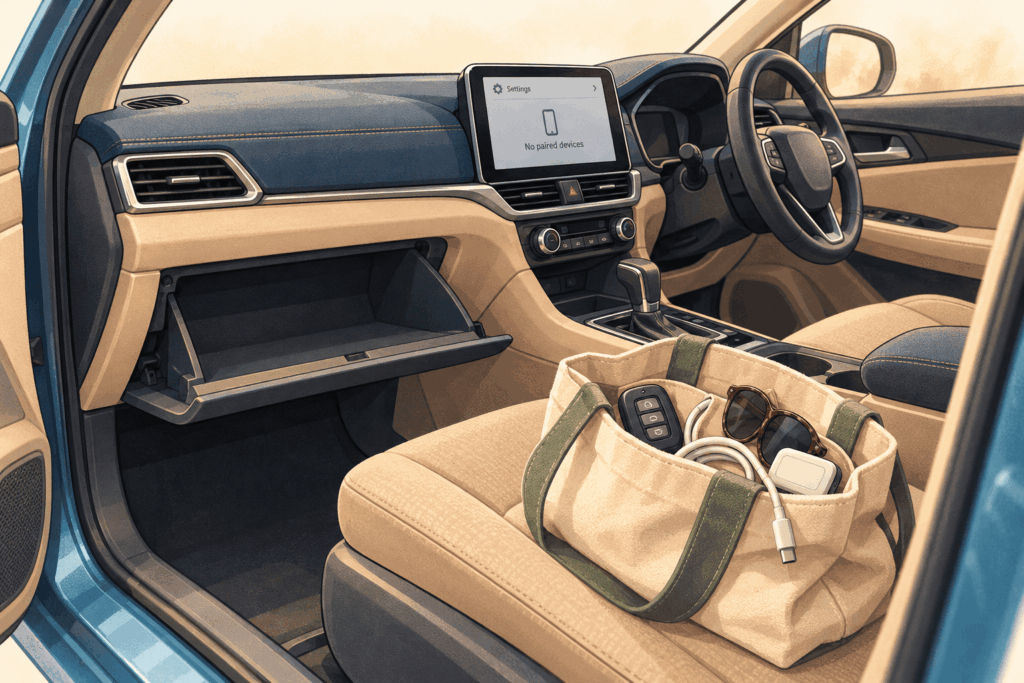
Once payment is confirmed, work through the handover:
- Record the sale. Include both parties’ names and addresses, make and model, VIN, registration, odometer, price, date and time. Record payment received, disclosed faults and agreed inclusions. Both parties keep a signed copy.
- Complete the required documents. Give the buyer the applicable certificate, transfer information and agreed service records.
- Remove your connections to the car. Take out toll tags and garage remotes, remove the vehicle from toll accounts, and delete paired phones and saved addresses.
- Finish your notification. Lodge the seller’s notice or transfer step promptly, retain confirmation and check that it has been processed. Update your insurance after the sale.
NSW and Victorian consumer guidance both say not to sign documents transferring ownership before receiving payment.
Selling with finance owing, interstate or without rego
If you’re still paying off the car
You’ll need to involve your lender in the sale. Ask for an up-to-date payout figure and find out how payment needs to be arranged. Tell the buyer about the loan so you can agree on how it will be cleared and the lender’s claim over the car released. Have that sorted before collection, rather than promising to pay it off once the buyer has gone. Our guide to selling a financed car explains how this can work.
When the buyer is from another state
Before agreeing to a collection date, find out how the buyer plans to get the car home. They may need new registration and an inspection in their state, and you’ll need to check what happens to your existing rego and plates. For example, VicRoads recommends cancelling Victorian registration and removing the plates for an interstate sale. The buyer would then need to arrange transport or check which permit they need for the drive. Discuss this early so neither of you is left trying to organise it on collection day.
If the car has no rego
You can sell an unregistered car. Say so in the ad, and make sure the buyer understands that buying it doesn’t permit them to drive it home.
They’ll need to check whether they can make the trip with an appropriate permit or arrange transport instead. You should also check your state’s paperwork requirements for an unregistered sale, as these can differ from transferring a car with current rego.
Selling elsewhere in Australia?
The NSW, Victorian and Queensland instructions are not national rules. Start with your local authority:
- Western Australia: notify Transport WA within seven days.
- Tasmania: submit the disposal notice within seven days.
- South Australia: submit a notice of disposal to Service SA.
- ACT: notify Access Canberra of the sale. Inspection requirements include light vehicles more than six years old and imported vehicles.
- Northern Territory: check the MVR sale and inspection requirements. Light vehicles seven years old or older require a roadworthy inspection for an ordinary ownership transfer.
If you’d prefer someone else to buy it directly
You might be happy to sell privately, but finding time for enquiries, test drives and people who don’t turn up can wear a bit thin. If you’d rather leave that part out, you can sell your car directly to Cars24 Australia.
Share your car’s details to get started. After the required inspection and checks, you can review the offer and decide whether it works for you. Any purchase is subject to our acceptance criteria and terms.
Having an offer to consider can help you weigh things up. Think about what you’d hope to receive privately, what you’d spend preparing and advertising the car, and how much time you want to give the sale. Then choose the option that suits you.
Frequently asked questions
Who pays stamp duty and the registration transfer fee?
For ordinary private purchases in NSW, Victoria and Queensland, these are buyer costs, subject to exemptions. Sellers should budget separately for required certificates, repairs and advertising. Use official state calculators for current charges; duty can depend on market value as well as the agreed price.
What if the buyer does not transfer the registration?
Check that your own notification has been lodged and contact the transport authority with your records. In Queensland, TMR recommends lodging signed Part B if you believe the buyer has not completed the transfer, along with the certificate. Do not ignore a toll or infringement notice that arrives afterwards.
Does “sold as is” mean the buyer has no rights?
No. The ACCC says most consumer guarantees do not apply to one-off private sales, but title, undisturbed possession and no hidden debts or charges still apply. Be accurate about the vehicle and document known problems. Those three words do not settle every possible dispute. Keep those records somewhere you can find them later.
Comments
New Comment