




When Australians consider buying a used car, spotting a wound-back odometer is always a cause of worry. It’s usually one of the first things listed in an ad and one of the first questions buyers ask. The odometer reading is often treated as a shorthand for understanding how much life the car has left, how hard it has been used, and how soon major maintenance might be due. Lower mileage usually translates to a higher asking price, quicker sales and more buyer confidence.That presumption is also why spotting a wound-back odometer makes a difference.
What a wound-back odometer actually means
A wound-back odometer does not reflect the true distance the car has travelled. The kilometres shown on the dashboard have been reduced to make the vehicle appear less used than it really is. In Australia, altering an odometer is illegal, but that hasn’t stopped the practice from appearing in private sales and online listings, particularly when demand for used cars is high.
What catches various buyers out is the belief that an odometer problem should be obvious. In reality, Australian transport and consumer authorities acknowledge that odometer tampering is often difficult to detect and may only come to light later, once mechanical issues start appearing. That’s why spotting a wound-back odometer is about checking whether everything about the car aligns with your expectations.
Why the odometer reading shouldn’t be treated as proof
A more convenient way to think about it is to stop seeing the odometer reading as a standalone fact. Instead, it helps to look at the car as a whole and ask whether the paperwork, condition and available history align with the mileage being claimed.
What do service records tell you?
Service records are usually the most ideal place to start. A genuine service history doesn’t need to be flawless, but it should show kilometres increasing in a way that makes sense over time. Logbooks, invoices and workshop printouts often include the odometer reading at each visit, which makes it easier to see whether the numbers follow a logical progression.
Most people think odometer tampering means literally winding the numbers back. In reality, the signs are usually quieter and easier to miss. A recent service invoice showing higher kilometres than what’s currently displayed on the dash is a serious warning sign. So is a sudden drop in recorded mileage with no clear explanation. Large gaps in records don’t automatically mean the odometer reading has been altered, but they do weaken the credibility of a low-kilometre claim.
How wear and tear often reveals the real mileage
Paperwork alone isn’t enough, which is why condition matters so much. While a car can be detailed and cleaned, certain wear points tend to reflect how much it has actually been used. This is where spotting a wound-back odometer becomes more about observation than technical knowledge.
Pay attention to the driver’s seat, especially the outer edge that takes the most strain. Look at the steering wheel surface rather than just whether it’s clean. Check the pedal rubbers for thinning or smoothness. Worn buttons, faded icons and tired seatbelts can all suggest higher mileage, even if the odometer reading says otherwise. None of these details prove tampering on their own, but when several don’t match the kilometres being claimed, they start to paint a clearer picture.
Signs the instrument cluster may have been disturbed
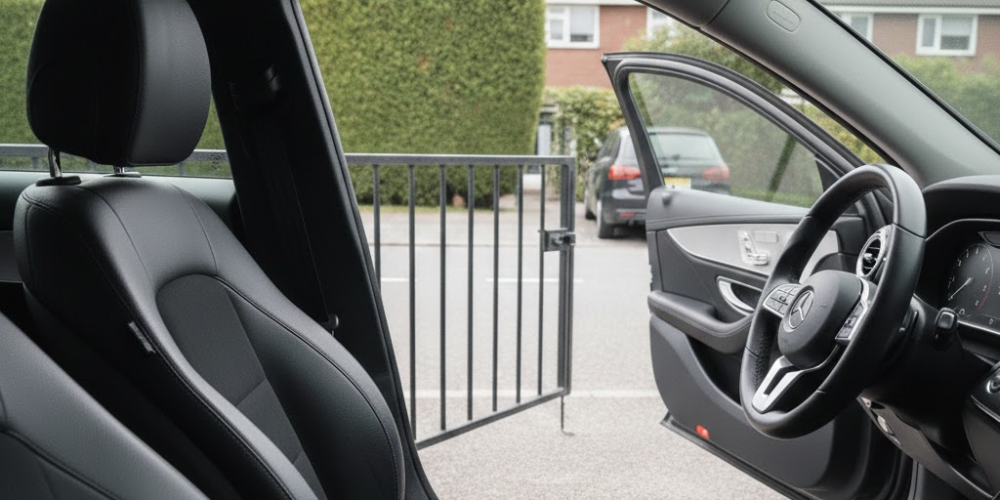
In some cases, altering an odometer involves removing or replacing the instrument cluster. You don’t need to dismantle anything to be alert to this. Scratches around the cluster, trim that doesn’t sit flush, or screw marks that suggest previous removal can all indicate the dashboard has been disturbed. Again, these signs only matter in context. On their own, they’re just clues.
Using official checks in Australia
Running the right odometer check through official channels is another important step, but this is where Australian buyers need to be careful not to assume every tool does the same thing.
- In New South Wales, buyers have access to one of the most useful public tools in the country. The Service NSW registration check can show recorded odometer readings for NSW-registered vehicles, including up to the last three annual readings where available. This has made spotting a wound-back odometer much easier when kilometres suddenly drop or change in a way that doesn’t line up with the service history.
- Victoria takes a slightly different approach. A Victorian Vehicle Report includes recorded odometer readings drawn from VicRoads data and can flag potential inconsistencies. For cars registered in Victoria, this can add another layer of confidence when checking an odometer reading against the seller’s claims.
- In other states and territories, odometer history may not be as clearly accessible. That doesn’t leave buyers unprotected, but it does mean the emphasis shifts back to records, condition and professional inspections.
What the PPSR check does and doesn’t show
One check that often causes confusion is the PPSR search. A PPSR search is essential when buying a used car in Australia because it helps confirm whether a vehicle has been reported stolen, written off or is still subject to finance. What it does not do is confirm mileage or verify an odometer reading. The PPSR itself makes this clear, which is why it should be treated as part of a broader due diligence process rather than an odometer check. Our Car History Report can also help, but it does not substantiate the odometer reading.
Are electronic scans useful for spotting odometer tampering?
Some buyers look to scan tools and electronics for reassurance. On certain vehicles, kilometres may be stored in more than one system and a scan can sometimes reveal inconsistencies, while on many cars, it won’t. This kind of check can support other findings, but it isn’t a reliable standalone method for spotting a wound-back odometer.
Where uncertainty remains, an independent pre-purchase inspection is often the most practical step. A qualified mechanic can assess whether mechanical wear aligns with the claimed mileage and whether the overall condition of the vehicle makes sense given the odometer reading. This doesn’t just help with odometer concerns. It helps buyers understand what they’re actually paying for.
Why independent inspections still matter
Buyers often worry about missing out on a good deal, especially when a car is priced attractively and described as low kilometres. That pressure is exactly what leads people to ignore small inconsistencies. If records are vague, wear doesn’t match the odometer reading and a seller resists inspections or reasonable questions, it’s worth slowing down. Walking away from a deal that doesn’t add up is usually cheaper than discovering later that the odo in cars was never telling the full story.
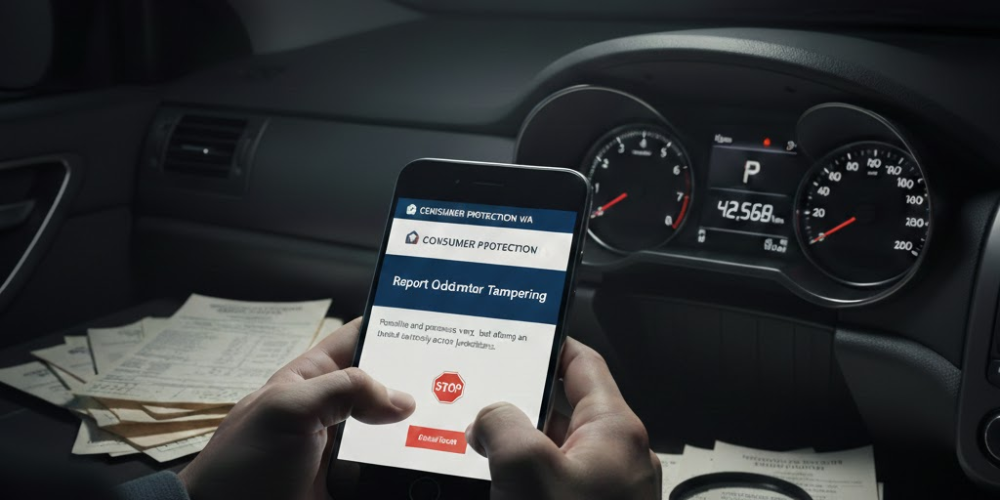
If odometer tampering is suspected after purchase, Australian authorities recommend reporting the matter to the relevant state or territory consumer protection agency. Penalties and processes vary, but altering an odometer is treated seriously across jurisdictions.
A practical way to think about odometer checks
Ultimately, spotting a wound-back odometer in Australia isn’t about catching every dishonest seller. It’s about reducing risk by checking for consistency. When the paperwork, condition and recorded history all align with the odometer reading, the likelihood of a problem drops significantly. Treat kilometres as one part of the picture rather than the whole thing, and you’ll avoid most of the situations that leave buyers feeling misled long after the sale.
| This article is general information only and not legal advice. Vehicle checks, odometer history tools and consumer protections vary by state and may change over time. Always confirm requirements with your local road authority or consumer protection agency. |
FAQs
What is a wound-back odometer?
It’s when the odometer reading has been changed to show fewer kilometres than the car has actually driven.
Is it illegal to wind back an odometer in Australia?
Yes. Changing an odometer or selling a car with false mileage is illegal across Australia.
Does odometer tampering happen often?
It’s not common but it does happen, especially in private sales and online listings.
Can a PPSR check tell me if the kilometres are real?
No. A PPSR check doesn’t show mileage or confirm an odometer reading. It only checks things like finance, theft and write-offs.
Can I check odometer history anywhere?
In NSW and Victoria – you can access recorded odometer readings through official checks. In other states and territories, odometer history isn’t always publicly available. So, service records and condition checks matter more.
Can a car look worn even if the kilometres are low?
Yes. City driving and short trips can cause wear even when the mileage isn’t high.
Are digital odometers safer than old ones?
Not really. Digital odo in cars can still be altered in some cases.
Will a mechanic know if the odometer was wound back?
They may not know for sure, but they can usually tell if the car’s condition doesn’t match the kilometres shown.
What should I do if I think the odometer was changed after I bought the car?
You should contact your state’s consumer protection or fair trading office for advice.
How do I avoid buying a car with a wound-back odometer?
Check the service history, look at the car’s condition, use any available state checks, and get an independent inspection if you can.

Comments
New Comment