





It is once again that part of the year when the summer weather goes into overdrive, with severe to extreme heatwaves hitting various areas across Australia. Parts of Western Australia are approaching record temperatures approaching 50-degree Celsius, while heat warnings are in place across multiple states as conditions remain hot and dry.
While extreme heat affects living things first and foremost, it also places added stress on our cars. Engines run hotter, batteries work harder, and tyres face tougher conditions on sun-baked roads.
Here are five simple but important things you can do to help your car cope, keeping it functional and reliable during this period of extreme heat.
1. Check your coolant and oil levels
Your engine is under its greatest strain during very hot weather. Coolant helps regulate engine temperature, and low levels of this precious liquid can quickly lead to overheating.
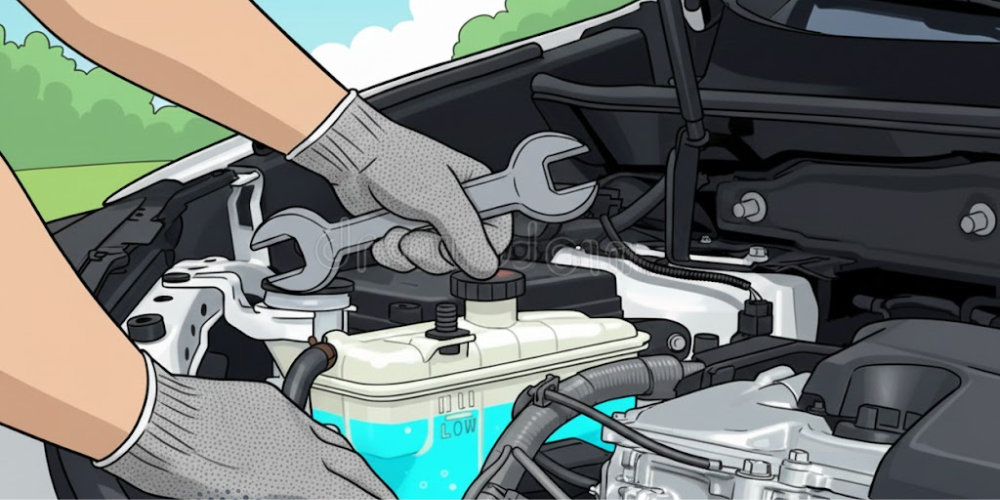
Check the coolant reservoir when the engine is completely cool. The level should sit between the minimum and maximum marks. If it’s low, top it up with the correct coolant type. Typically, the coolant levels are checked and filled during regular service, but it’s always good to keep an eye on it, especially in case of a surprise leak.
If the coolant looks dirty or hasn’t been changed in several years, it’s worth having it inspected. Fresh coolant can make a noticeable difference to the engine’s functions in prolonged heat.
While you’ve got your bonnet open, take a look at the engine oil too. This oil keeps the insides of the engine well lubricated but excessive temperatures can affect its performance. Low or degraded engine oil increases the risk of damage during extreme temperatures, and be sure to spend the extra cash for the good stuff that is best suited for your exact car and engine.
2. Don’t overwork the AC
Air conditioning is important during extreme heat, but it also places an extra load on your car when it’s used a lot. Especially during consecutive hot days! In very high temperatures, the A/C system works harder to cool the cabin, which can increase strain on the engine and electrical systems.

This is especially noticeable in older vehicles or more budget-focused cars, where cooling systems may not be as robust to endure the extreme heatwaves.
If possible, help reduce the system load before setting off. Briefly opening doors or windows allows trapped heat to escape, making it easier for the air conditioning to cool the cabin once it’s switched on. Using the A/C efficiently, rather than running it at full blast from the moment you start driving till reaching your destination, can help reduce unnecessary strain during prolonged heatwaves.
If your air conditioning isn’t cooling as effectively as usual, it may be a sign that the system needs attention. Addressing issues early can help avoid added stress on other components when temperatures remain high.
3. Park in the shade whenever possible
Cars parked in direct sunlight can heat up rapidly, with interior temperatures climbing well above the outside air temperature. This also affects the mechanical elements and fluids inside which are typically heated when the car is running, which isn’t ideal when the car is simply parked.

Whenever possible, choose shaded or covered parking. In case you have to park outside on the driveway only, consider using a pop-up canopy for the daytime. For those with street-parking, consider keeping the car covered with a heat-reflective material if you’re not going to need it everyday. Using a windscreen sunshade can also help reduce cabin heat and protect interior surfaces from long-term sun damage.
4. Check your tyre pressures
Tyre pressure increases as temperatures rise. Incorrect pressures can affect handling, tyre wear and safety, especially on very hot road surfaces.
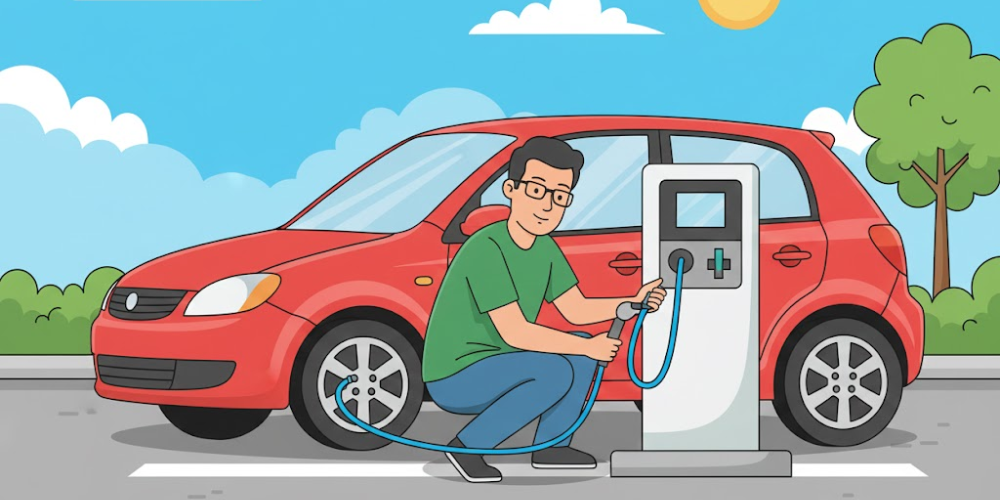
Check tyre pressures when tyres are cold, ideally first thing in the morning. Inflate them to the manufacturer’s recommended levels, typically listed on a label inside the driver’s door or in the owner’s manual. Overinflating cold tyres can lead to a bigger risk of a tyre bursting while driving as the tarmac gets extremely hot during the day.
5. Keep an eye on your battery
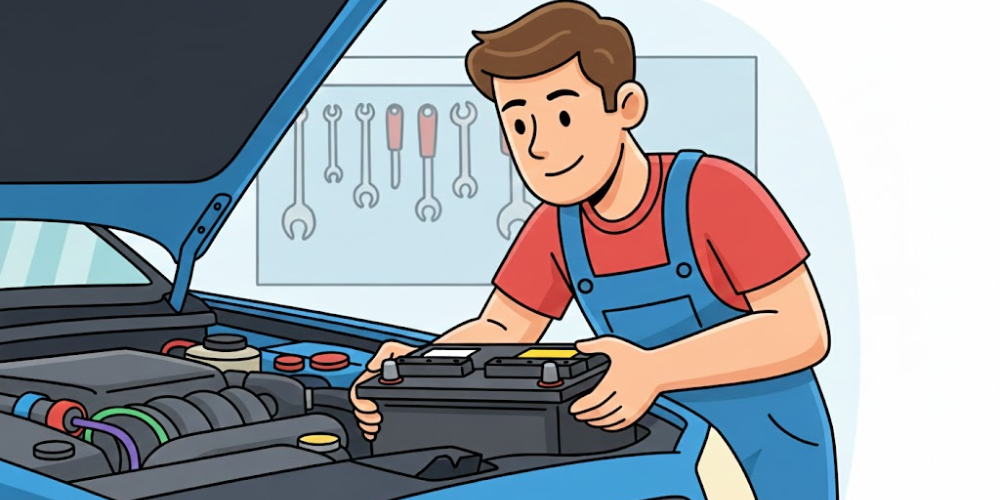
The engine fluids aren’t the only thing to check on under the bonnet when the temperatures are this high. Extreme heat accelerates battery wear and can contribute to fluid loss and corrosion, particularly in older batteries. If your battery is more than a few years old, having it tested can help avoid unexpected issues. In the worst-case scenario, you can avoid a fire risk from a heat-affected older battery.
For those of you with batteries as integral parts of the powertrain, i.e. plug-in hybrid and battery-electric vehicle owners, high temperatures affect your cars too. While the batteries are designed for thermal management, prolonged exposure to extreme heat can still affect energy efficiency and charging performance. Park in the shade, avoid repeated fast charging on severely hot days and keep software updates current to help support battery health during heatwaves.
Final advice
If the engine temperature reading gets too high or you see steam from the engine bay, pull over safely and turn the engine off. Allow the car to cool before checking under the bonnet, and avoid opening the radiator cap while hot.
Stopping early and seeking assistance can help prevent serious engine damage. With a little preparation, your car is better placed to handle the heat. Safe travels!

Comments
New Comment