




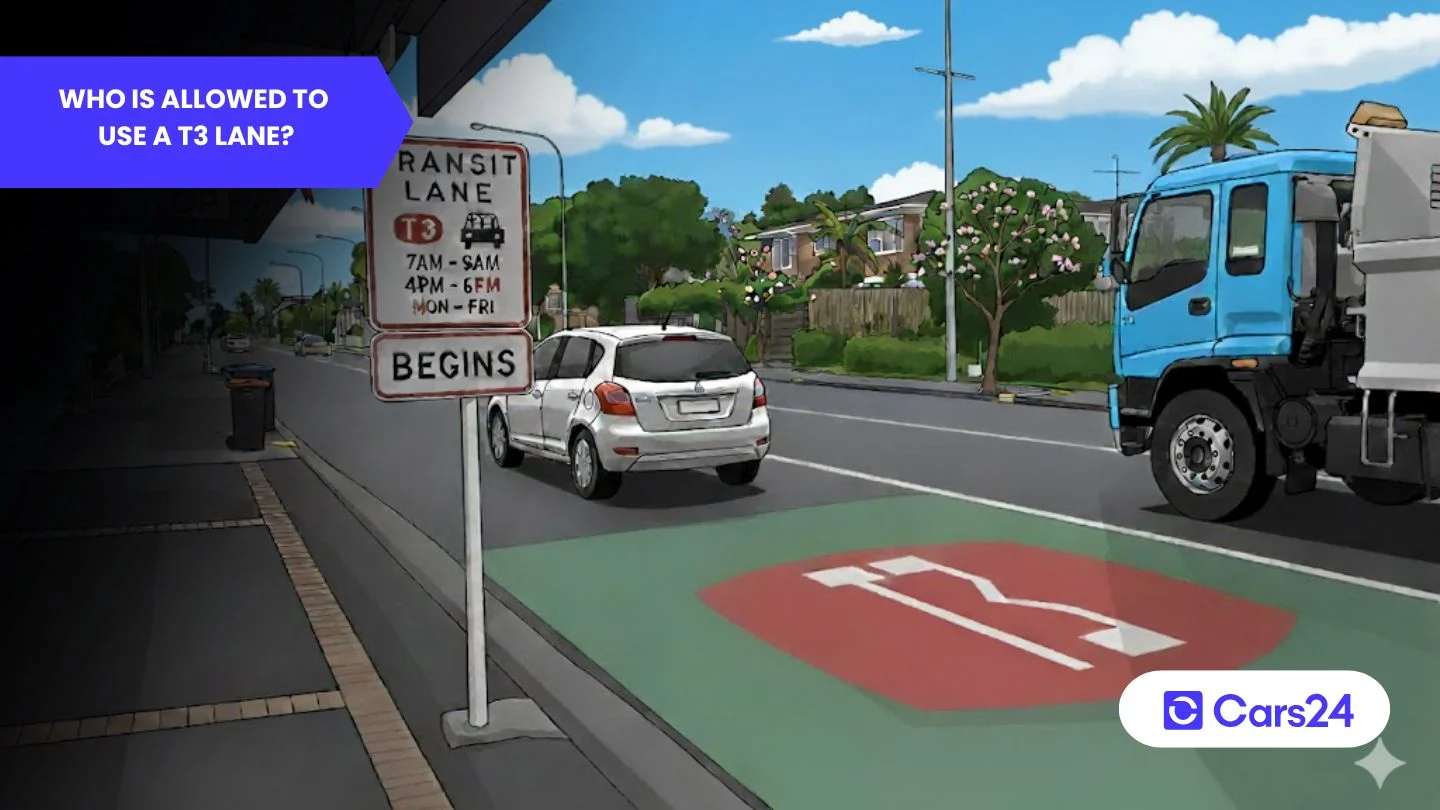
Ever been stuck in traffic while a car smoothly glides past in the T3 lane and wondered, “Who is allowed to use a T3 lane without restriction?” Or maybe you’ve asked yourself, “Are they breaking the rules, or am I missing something?” The answer lies in understanding both occupancy requirements and vehicle exemptions. This guide breaks it down clearly for who is and who isn’t allowed to use the T3 lane.
What are T3 lanes?
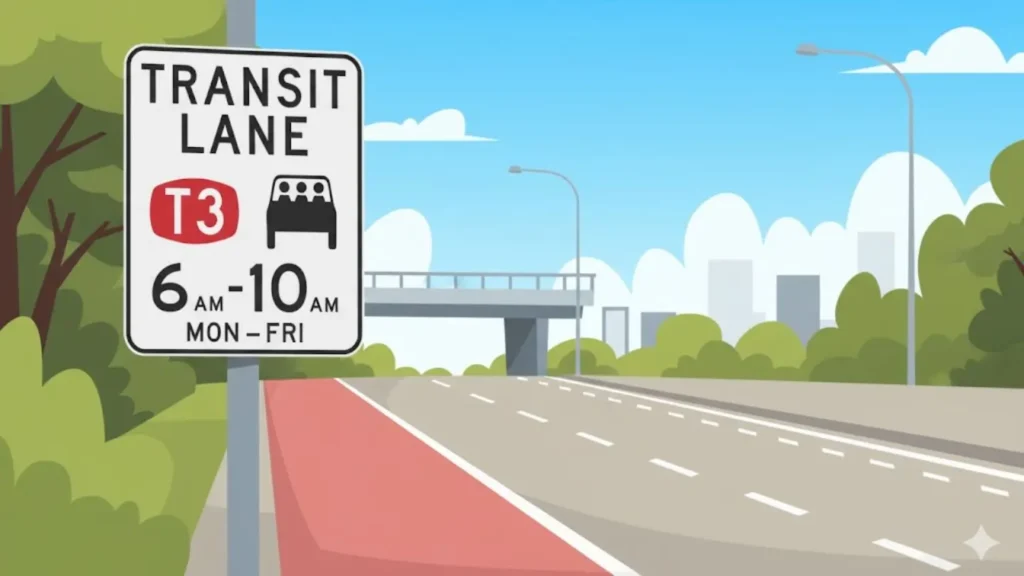
A T3 (Transit 3) lane is a specialised High-Occupancy Vehicle (HOV) lane, designed to prioritise vehicles carrying multiple people, as well as specific road users and vehicle types. The purpose of the T3 lane is to encourage carpooling and for easy flow of public transit during traffic. Knowing who can legally use a T3 lane is essential to avoid fines, and to make use of it to your advantage.
The core rule: Occupancy (T3)

The primary requirement for using a T3 lane without restriction is having enough people in the vehicle. Here’s what the rules state:
- Three (3) or more occupants: The “T3” designation means the vehicle must have the driver plus at least two passengers. The driver always counts toward this minimum.
For comparison, a T2 lane only requires two occupants. If your vehicle meets this requirement, you can legally travel in the T3 lane for the full duration of its operating hours as specified by the road signs.
Key exemptions to who can legally use a T3 lane without restriction
Some vehicles are allowed in T3 lanes regardless of the number of passengers. These exemptions promote public policy goals, like improving traffic flow, supporting public transit, or encouraging sustainable transport.
Buses – Always Permitted
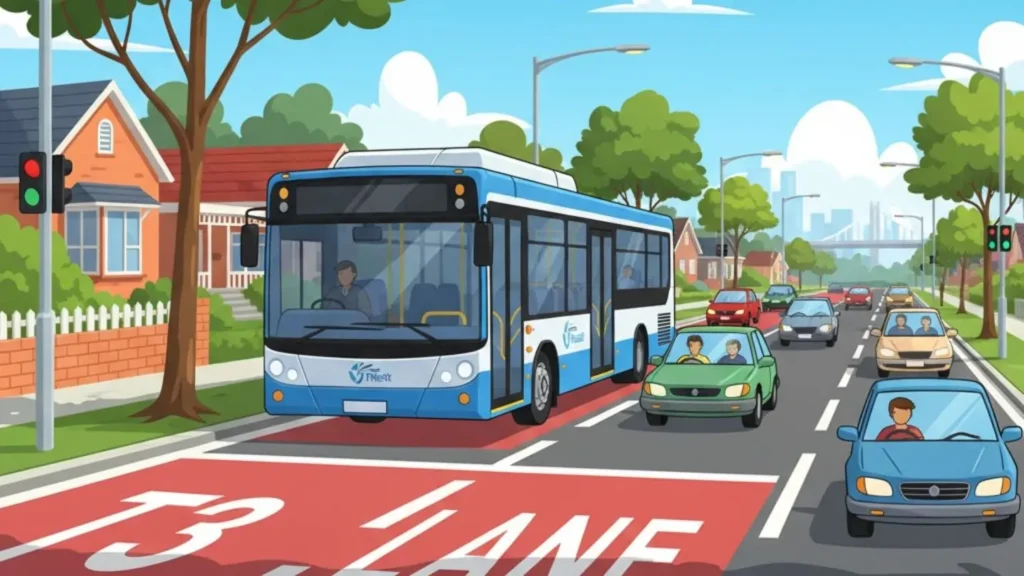
Buses, including public transit, school buses, and chartered inter-city buses, can use T3 lanes freely. Even if a dedicated bus lane (where road users are allowed) has stricter rules, buses are always allowed in T3 lanes.
Emergency Vehicles – Always Permitted
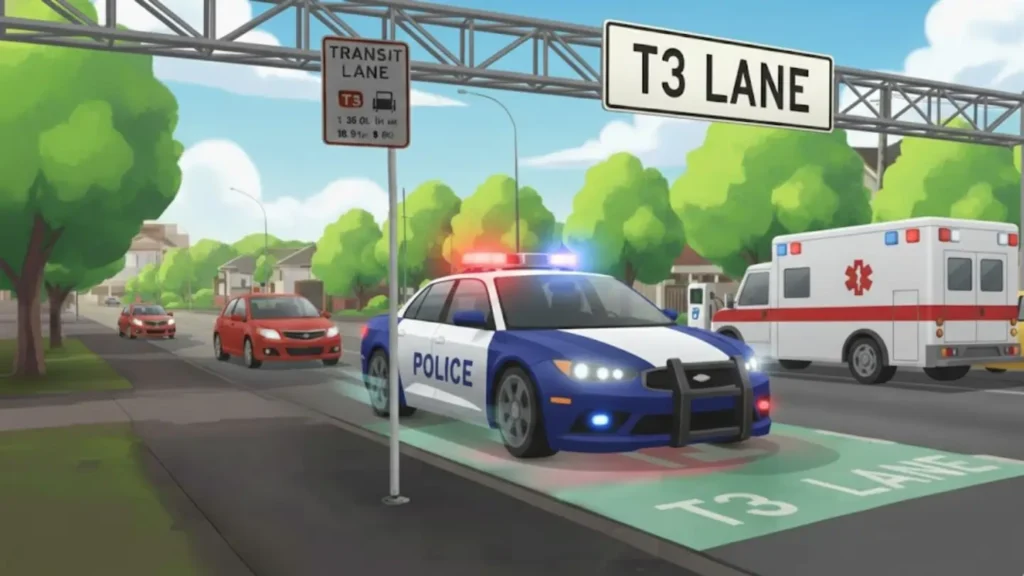
Police, fire, and ambulance vehicles can bypass traffic when responding to emergencies, giving them unrestricted access to T3 lanes at all times.
This clearly answers the question, who can legally use a T3 lane without restriction.
Motorcycles – Always Permitted
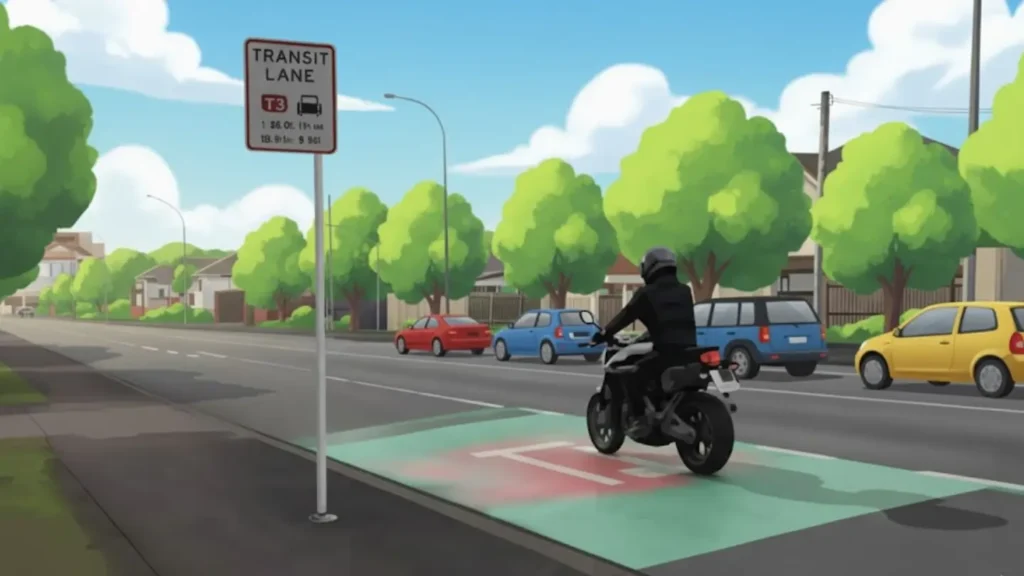
Motorcycles are permitted in T3 lanes due to their small size and lane-filtering capabilities. They can move freely regardless of the number of passengers.
Taxis & Ride-Share – Often Permitted
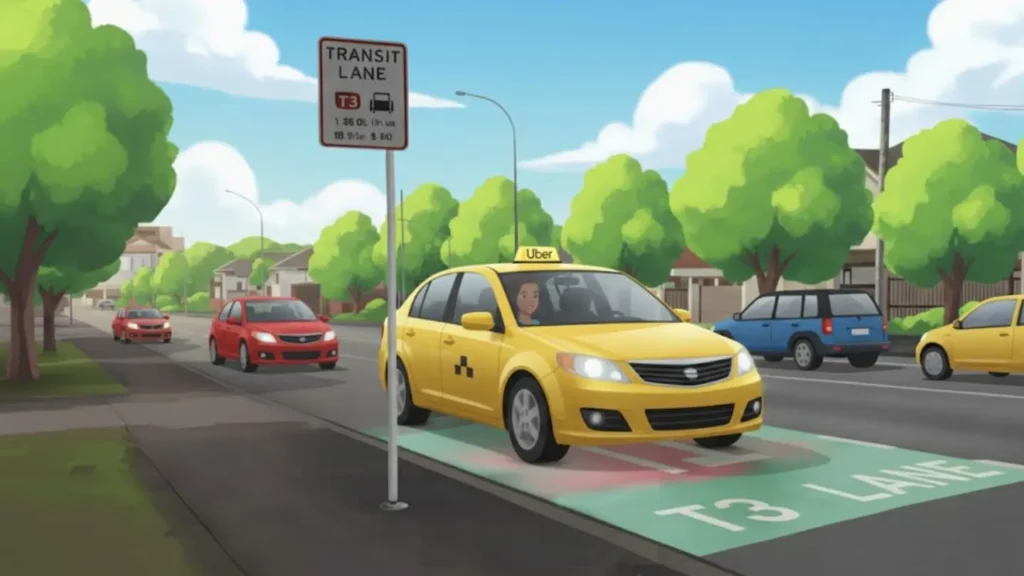
Licensed taxis and official commercial passenger vehicles, including ride-share cars actively transporting a fare, may use T3 lanes without meeting the occupancy requirement. This encourages the use of shared transport options.
Zero Emission Vehicles (ZEVs) – Conditional
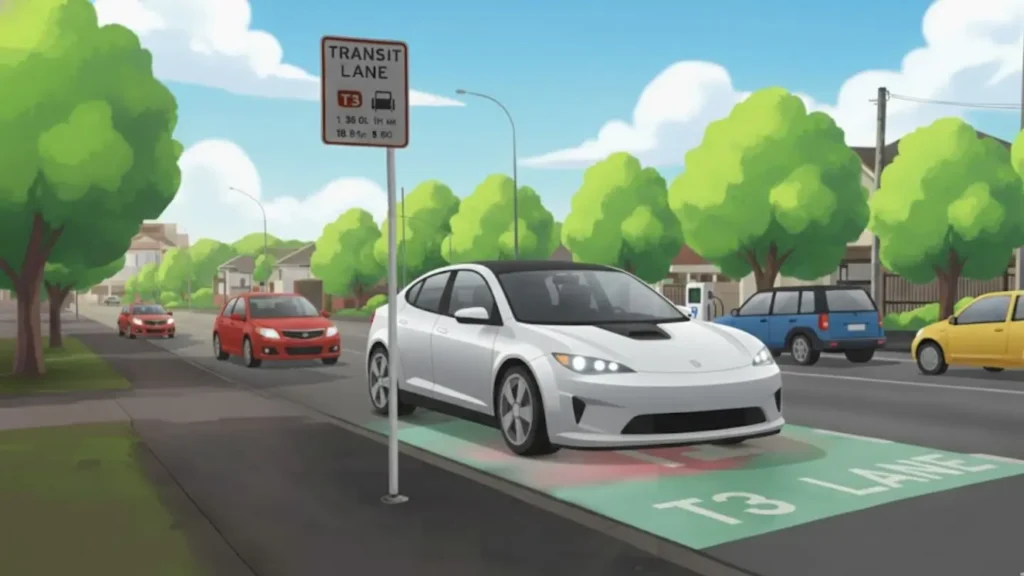
Fully electric or qualifying low-emission vehicles may be granted a permit to use T3 lanes with a single occupant. Drivers must display the required decal and check local rules, as these exemptions can vary by city or state.
How far can you travel in a T3 lane?
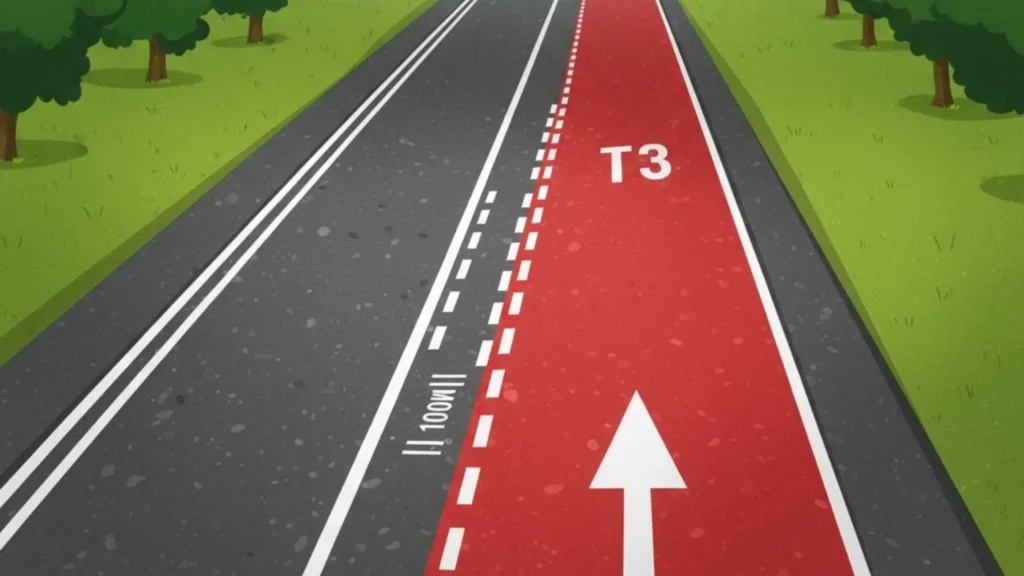
You can drive in the T3 lane (if you are someone who can legally use a T3 lane) for the entire length of the designated zone and during its restricted operating hours. If you do not meet these conditions, you may enter the lane for up to 100 meters to:
- Join or leave the road
- Overtake a vehicle turning right or making a U-turn
- Enter from the side of the road
So, if you’ve asked, “How far can you travel in a T3 lane?” with fewer than three occupants, the answer is 100 meters, and only for specific manoeuvres and circumstances.
Which road users are allowed in the bus lane?
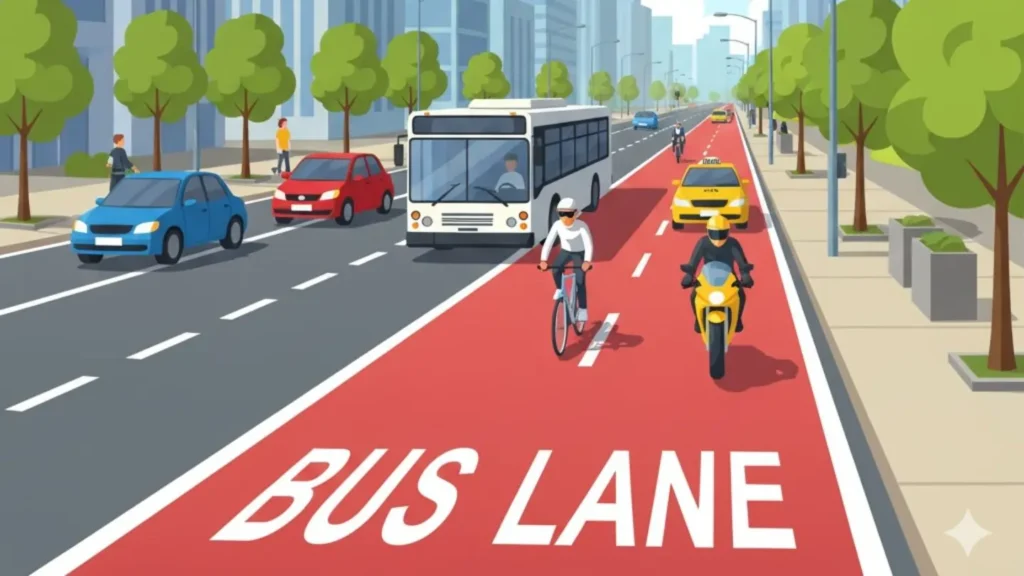
Since buses can use the T3 lane, let’s also look at exemptions to who can use the bus lane besides buses.
Bus lanes have their own set of rules. So, which road users are allowed in the bus lane? Buses, taxis, hire cars with official plates, motorcycles, and bicycles can use bus lanes freely. Other vehicles may only enter briefly or to avoid obstacles, never for extended cruising.
State variations
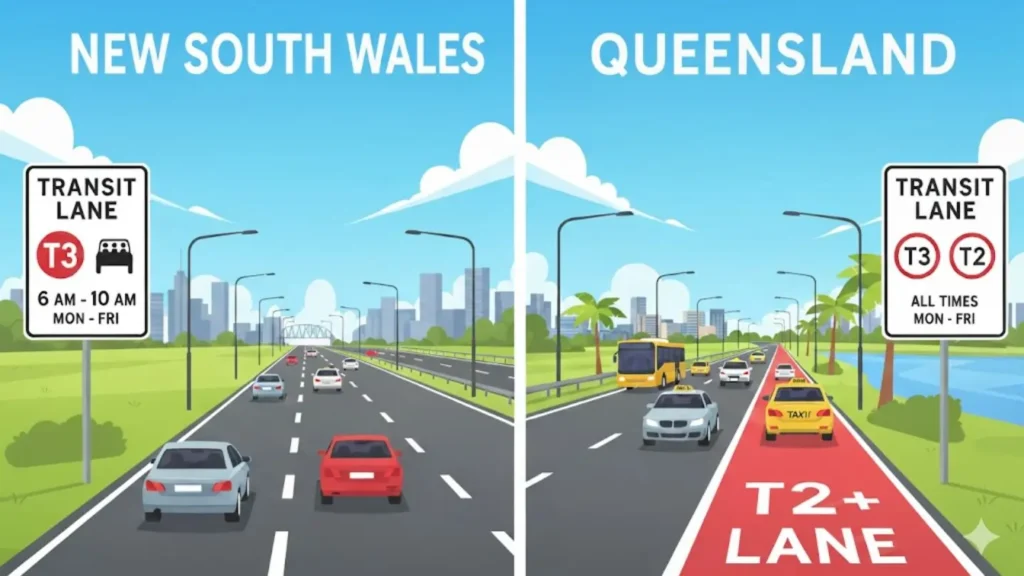
T3 lane rules can differ across states and territories, so be careful to check for variations if you’re travelling interstate. For instance, in Queensland, T3 lanes still require three occupants, but buses, taxis, limousines, bicycles, and motorcycles can use them at any time. T2 lanes require two people (one driver plus one passenger minimum).
Rules may vary slightly by state or territory, so it’s worth checking local signage and regulations.
What happens if you use a T3 lane illegally?
Ignorance can cost you a fine! In NSW, failing to follow T3 lane rules can attract a fine of up to $362 and one demerit point, with transit lane cameras actively enforcing compliance, so it’s best not to test them.
Bottom Line
Knowing who is allowed to use a T3 lane without restriction is essential for safe and legal driving. While buses, motorcycles, taxis, emergency vehicles, and permitted zero-emission vehicles can travel freely, regular cars must meet the occupancy requirement of three or more people. If you’re ever unsure about who can legally use a T3 lane without restriction, or who can legally use a T3 lane, check local signage and rules. Understanding which road users are allowed in the bus lane and how far can you travel in a T3 lane with fewer passengers ensures you avoid fines and demerit points while keeping traffic flowing smoothly.

Comments
New Comment