




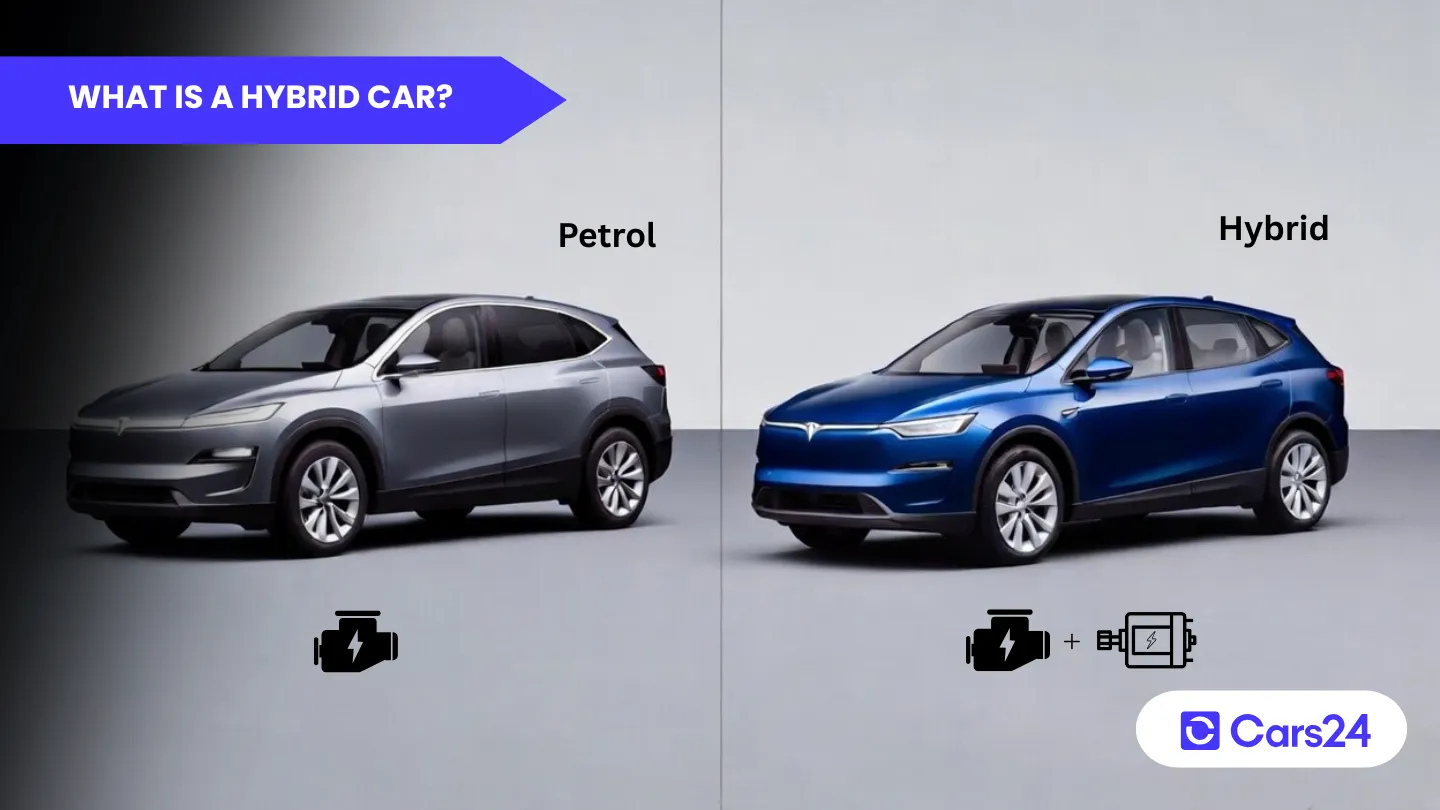
Petrol prices in Australia are volatile, and the charging infrastructure still feels patchy to a suburban driver. As a result, hybrids are getting more attention, but what is a hybrid car?
Online, you’ll come across terms like HEV, PHEV, MHEV, Series, Parallel, etc. Some are true hybrids, while others lean more toward marketing language. This guide breaks down what a hybrid car is, how it works, the different types available, and whether it suits your needs.
What is a hybrid car?
A hybrid car is typically defined as a vehicle that uses two power sources, a traditional petrol/diesel engine and an electric motor. In Australia, this typically refers to three main types: HEV, PHEV and MHEV. Let’s take a closer look.
Types of hybrid cars: HEV vs. PHEV vs. MHEV
Hybrids are generally split into three categories based on how much the electric motor assists the petrol engine.
| Feature | HEV (Hybrid) | PHEV (Plug-in Hybrid) | MHEV (Mild Hybrid) |
|---|---|---|---|
| How it works? | Charges itself while driving; can drive short distances on EV power | Large battery charged via a plug; drives 40–90km on pure electricity | Small battery assists the engine; cannot drive on electricity alone |
| Needs external charging? | No | Yes | No |
| Fuel economy | Approx. 30-50% saving over petrol | Highest if charged daily | Approx. 15% saving over petrol |
| Price premium | Mid-range (typically +$3,000–$5,000 over petrol) | Highest (can be +$10,000+ over petrol/HEV) | Lowest (typically +$1,000–$2,000 over petrol). |
| Charging | None (self-charges via braking) | Required daily for best fuel savings | None |
| Best for | Most Aussies; City/suburban driving without home charging | Short daily commutes with access to home charging | Long highway drives or budget-conscious buyers |
| Popular examples | Toyota RAV4 Hybrid, MG3 Hybrid+ | Mitsubishi Outlander PHEV, BYD Shark 6 | Mazda CX-30 MHEV, Volvo XC40 B4 |
What is HEV?
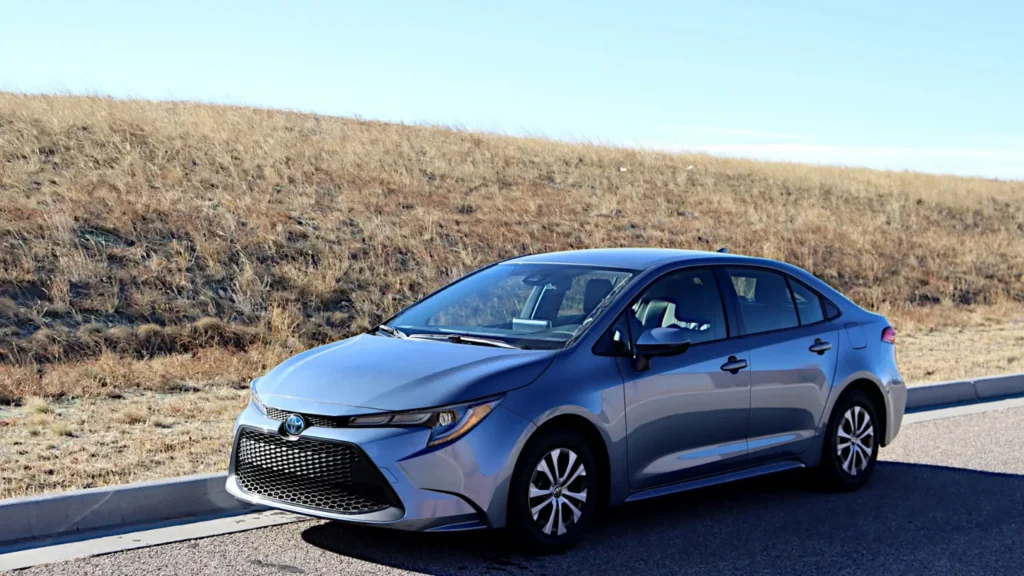
An HEV (Hybrid Electric Vehicle) is a car that uses both a petrol engine and an electric motor to drive the wheels, but never needs to be plugged in. It’s often called a “self-charging hybrid” because the battery recharges itself using regenerative braking or directly from the petrol engine. Conventional hybrids (HEVs) are the most popular types of hybrids in Australia, especially SUVs. Toyota dominates this space, with models like the RAV4 Hybrid accounting for a large share of hybrid sales.
What is a PHEV?
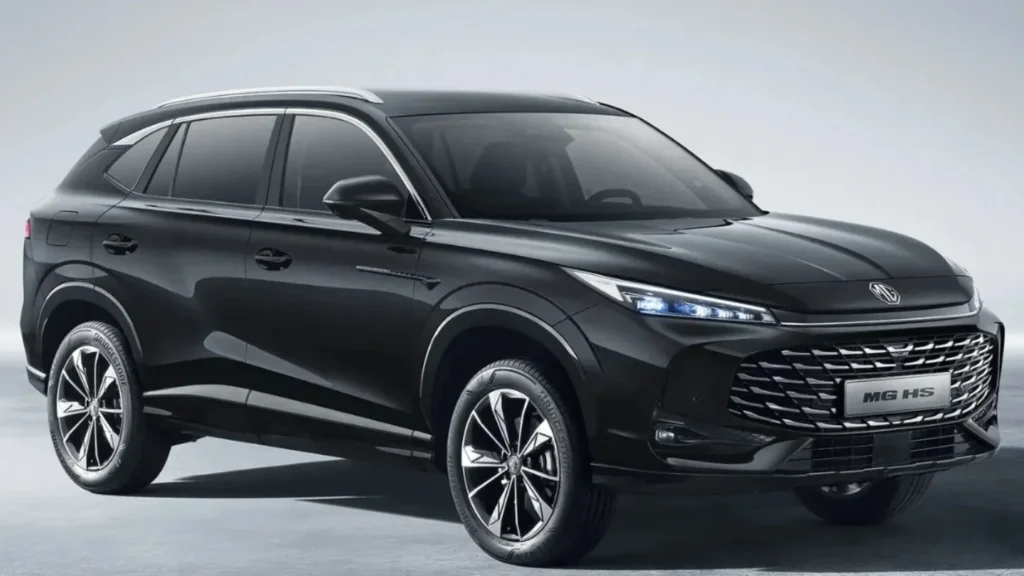
A PHEV (Plug-in Hybrid Electric Vehicle) is a vehicle that combines a petrol engine with a high-capacity electric motor and a battery that you charge by plugging into an external power source. It prioritises using its battery first and acts like a pure EV until the battery is flat, and then the petrol engine kicks in automatically. Its battery also captures some energy from regenerative braking.
What is an MHEV?
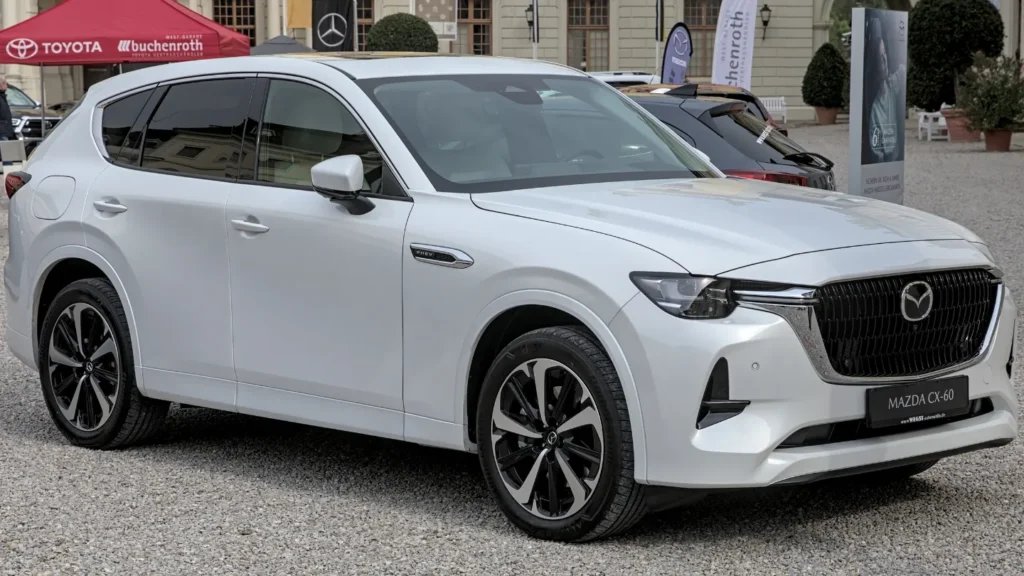
An MHEV (Mild Hybrid Electric Vehicle) is a petrol car with a small electric starter motor that kicks in to help push the car from a standstill, saving some petrol. In Australia, these are often called “battery-assisted” or simply as having “48V technology.”
You can refer to this detailed guide on MHEV vs. HEV vs. PHEV for more information.
Other lesser-known hybrid car types
You would hear several other hybrid technologies that exist in Australia and globally, other than the popular three. These are distinguished by how the engine and electric motor interact or what fuel they use.
1. Series Hybrid (Range Extender): The engine works only as a generator to power the electric motor or charge the battery. Example: Nissan X-Trail e-POWER
2. Parallel Hybrid: The engine and electric motor are both connected to the transmission and can drive the wheels together or independently. Example: Hyundai Santa Fe Hybrid
3. Power-Split (Series-Parallel) Hybrid: A more advanced system using a planetary
gearset to seamlessly combine series and parallel operation for maximum efficiency, especially in city driving. Examples: Toyota Prius, Toyota RAV4 Hybrid
4. FCEV (Hydrogen Fuel Cell Hybrid): Uses hydrogen to generate electricity, with a small battery assisting during acceleration and braking. The only emission is water vapour. Examples: Hyundai Nexo, Toyota Mirai
5. E-Fuel/Synthetic Fuel Hybrids: Conventional hybrid systems adapted to run on CO₂-neutral synthetic fuels, mainly under development in Europe. Example: Porsche Cayenne E-Hybrid
How do hybrid cars work?
Let’s focus on full hybrids (HEVs), the most common type. They use a closed-loop system combining a petrol engine and an electric motor to drive the wheels, without needing external charging. Key components include an internal combustion engine (ICE), electric motor(s), a battery, and a power-split device.
The system automatically manages energy use based on driving conditions. It continuously decides whether it’s more efficient to use the electric motor or the petrol engine.
Transitions between modes are seamless, often noticeable only through a faint engine sound or dashboard indicator. Here’s how a hybrid operates across different driving modes:
1. EV mode: Uses electric power at low speeds or in traffic.
2. Cruising: The petrol engine runs efficiently and may recharge the battery.
3. Acceleration: Engine and motor work together for maximum power.
4. Regenerative braking: Captures energy during braking to recharge the battery.
Pros and cons of a hybrid car
Owning a hybrid in Australia involves weighing the low running costs and strong resale value against a higher upfront price and specific maintenance needs.
| Aspect | Pros | Cons |
|---|---|---|
| Ownership cost | Lower (40-50%) fuel bills than petrol in city traffic; strong resale | Higher purchase price than petrol, especially for PHEVs |
| Driving feel | Instant, silent electric “kick” (of torque) in stop-start traffic | The engine can feel “noisy” after the battery goes flat |
| Maintenance | Less wear on brake pads, engine, and motor | More electrical components; costly to repair |
| Technical reliability | Toyota’s eCVT is considered “bulletproof” and smooth | Some worry about long-term maintenance, out of warranty |
| Practicality | Less range anxiety; ideal for regional areas | Reduced boot space due to the battery; may replace the spare tyre |
| Emissions | Significantly cleaner in urban areas with short commutes | Battery degrades over 8-10 years, making the engines work |
Can hybrid cars survive the Australian outback?
A hybrid car can survive the Australian Outback, but it loses most of its efficiency benefits on the long stretches between outback towns. Extreme heat and dust can increase the risk of battery thermal runaway and clog cooling intakes and fans. Many hybrids also lack a spare tyre, which is a must for replacing a shredded tyre. You will also need to shorten your service intervals in the regional areas.
Overall, you will get marginal fuel economy gains in the outback. That’s why many rural residents prefer a good old Turbo-Diesel 4WD here.
Common misconceptions about hybrid cars
| Misconception | Fact check |
|---|---|
| “The battery will die in 5 years and cost $15,000 to replace, making the car a write-off.” | Most hybrid cars in Australia (like Toyota’s) are warrantied for 8-10 years or 160,000km |
| “Hybrids are slow, sluggish, or boring.” | They have better acceleration than their petrol counterparts because of instant electric torque |
| “You have to plug in a hybrid every night, or it won’t run.” | This confuses HEVs (like a Corolla Hybrid) with PHEVs (like an Outlander) |
| “Hybrid cars can’t handle a 45°C Australian summer and will melt or stop working.” | Well-maintained hybrid cars have effective cooling systems for the battery |
| “Hybrids have poor resale value.” | High petrol prices and long wait for new models have made used hybrid cars more valuable |
The FBT exemption on the hybrid cars in Australia
Standard hybrids (HEV) were never eligible for the Fringe Benefits Tax (FBT) exemption, and the plug-in hybrids (PHEV) are no longer eligible for new arrangements as of 1 April 2025. This means that any PHEV purchased or leased now is treated like a petrol car for tax purposes and attracts full FBT.
The impact of NVES on hybrid cars
One notable impact of the New Vehicle Efficiency Standard (NVES) (and concurrent Euro 6d emissions standards) is the retuning of hybrid car engines, which often results in lower power output to achieve better efficiency.
For instance, the Mazda CX-5’s (2026) new-gen 2.5L petrol engine has been “dullered,” losing 8kW of power and 10Nm of torque. Similarly, the upcoming Toyota RAV4 is expected to see a power drop, from 163kW down to roughly 143kW. Car makers who previously lacked hybrid options are now developing their own systems, for instance, Mazda’s upcoming 2027 in-house hybrid system.
Best hybrid cars in Australia
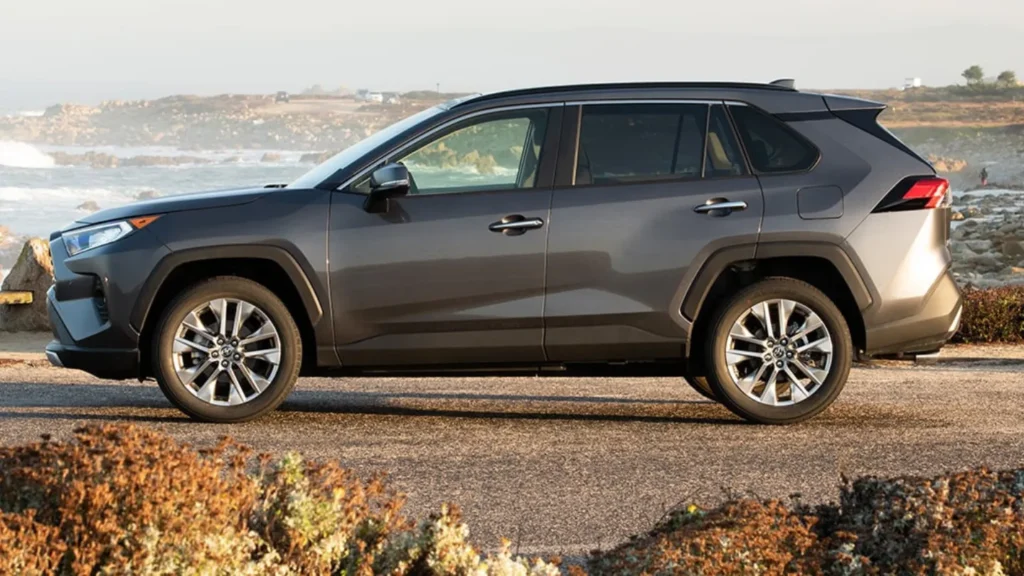
The Australian hybrid market in 2025 and early 2026 is defined by a massive shift toward electrification, with nearly one in two Toyotas sold being a hybrid. Brands like Hyundai, BYD, and GWM are rapidly growing their presence while Toyota maintains a dominant 58% market share.
Toyota RAV4 Hybrid (a mid-size SUV) is Australia’s reigning hybrid king and the best-selling hybrid car in 2025. The 2025 hybrid car sales data show Toyota holding six of the top ten spots, though competitors like the Hyundai Tucson and Kona have broken into the top five. New Chinese entrants, such as BYD and Chery, are also now rapidly climbing the charts.
Is the hybrid car suitable for you?
A hybrid car suits drivers who spend most of their time in stop-start city traffic, cover moderate to high annual kilometres, and want better fuel efficiency without relying on EV charging. It also works well if you value quieter low-speed driving and strong resale value, or want a partial EV experience through a PHEV without fully giving up a petrol engine. However, hybrids are less ideal for those who frequently drive long highway distances, tow regularly, or spend significant time in remote or outback conditions.
FAQs
1. How long do Toyota hybrid batteries last?
Toyota hybrid car batteries can last 10-15 years, and it’s common to see them hit 300,000km+ in Aussie taxi fleets. However, most cars are warrantied for 8–10 years for your peace of mind.
2. Can a hybrid handle a 1,000km road trip safely?
Absolutely. You can refuel them at any petrol station. Just keep a spare tyre before hitting remote roads.
3. What are wagon hybrid cars?
They combine the spacious “long-roof” body style of a traditional station wagon with a fuel-efficient hybrid powertrain.
4. What are automatic hybrid cars?
Almost all hybrid cars are automatic. A manual gearbox wouldn’t work because the computer has to constantly switch between the petrol engine and the electric motor. They use eCVT instead.
5. Is a mild hybrid a hybrid car?
Technically, no. A mild hybrid (MHEV) car has a tiny battery that helps with electronics and saves some fuel by smoothing out the start-stop system, but it cannot drive on electricity like an HEV.

Comments
New Comment