




There’s always that moment when you’re standing next to a used car thinking, this might actually be the one. The paint looks clean, the seller sounds convincing, and the price sits comfortably inside your budget. And sooner or later, you find yourself asking the obvious question: what to check when buying a used car?
Not every buyer is a car specialist, and most people aren’t conducting dealership inspections in their driveways either. They’re trying to make sure the car they’re looking at isn’t hiding something expensive, and that’s the reality of figuring out how to finalise your used car inspection checklist.
To be honest, buying a second-hand car in Australia doesn’t require expert knowledge, it’s not rocket-science. What it does require is knowing what to scan for when buying a used car before the excitement takes over, and a few small checks can tell you far more about a vehicle than a polished sales pitch ever will.
Think of this as a practical used car buying guide Australia drivers can use when they’re actually standing next to a car, keys in hand, trying to decide if it’s worth moving forward.
Used Car Inspection Checklist: The Key Things Buyers Should Check
If you ask a mechanic what to check when buying a used car, the answers are usually pretty consistent. The fundamentals don’t change much; a solid used car inspection checklist usually starts with the paperwork and works its way outward from there.
Start With the History, Not the Paint
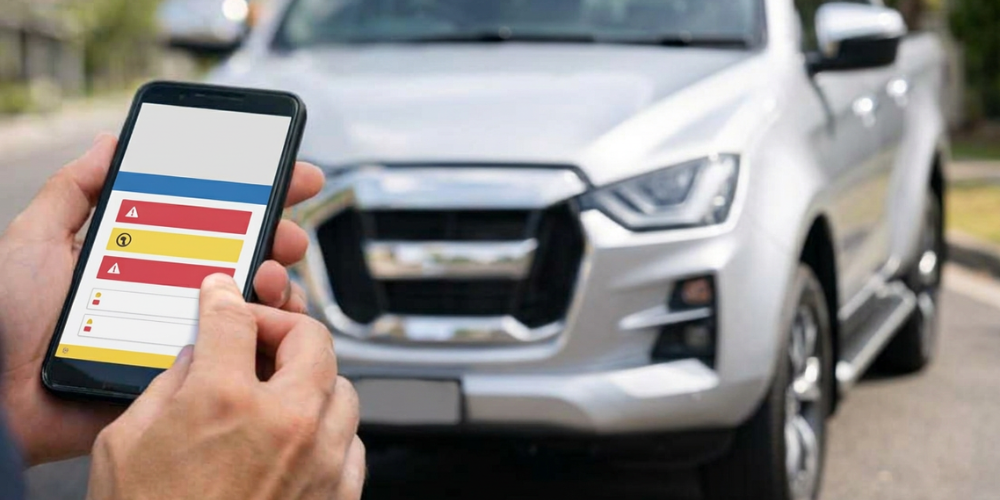
One of the most common mistakes buyers make is starting with the car itself, inspecting the paint, the tyres, the interior, but the smarter move is to start with the car’s history. It’s imperative to understand where the vehicle has been and whether there are any issues attached to it. In Australia, this usually starts with a PPSR Check, which reveals whether the car has outstanding finance, has been written off by an insurer, or has been reported stolen.
It only takes a few minutes, but it answers one of the most important questions around what to check when buying a used car. If a vehicle still has finance owing on it, the lender can legally repossess the car even after it has been sold. That’s not the kind of surprise anyone wants after handing over their money.
This is where a proper car history check report becomes useful. Instead of relying on scattered information, a comprehensive report pulls together data from multiple official sources to show the vehicle’s full background. This can include accident records, written-off status, finance encumbrances through a PPSR check, and current registration details.
Cars24, for example, provides buyers with a detailed Car History Check designed specifically for Australian buyers. By combining VIN data, registration checks and REGO information, the report helps confirm whether the vehicle is genuine, road-legal and free from financial surprises.
Starting with a proper history check doesn’t take long, but it can save buyers from major problems later. And when you’re working through what to check when buying a used car, knowing the vehicle’s background first makes every other inspection far easier.
Check the Seller and the Paperwork Properly
The next step in what to check when buying a used car is surprisingly simple, just make sure the person selling the car actually owns it. If it’s a private sale, ask to see their licence and compare the name with the registration papers. The VIN on the car should match the VIN on those documents as well.
While you’re looking at the paperwork, check how much rego remains on the car. Registration costs vary across Australia, so a vehicle with several months left can save you a few hundred dollars straight away. Small details like that rarely make headlines in a used car buying guide Australia, but it does impact the final cost, and they help you confirm the car is exactly what the seller claims it is.
Take a Proper Look at the Service History
When working out what to check when buying a used car, the service history often says more about the car than the odometer does. A properly maintained vehicle usually has a logbook showing regular servicing. You need to look for consistent service intervals and invoices or receipts that support the record.
Cars that have been serviced regularly tend to age far better than vehicles that only saw a mechanic when something went wrong. That’s why service records sit right near the top of most used car inspection checklists.
Walk Around the Car Slowly
Now it’s time to look at the car itself – not quickly. Slowly!
One of the easiest ways to spot issues when learning what to check when buying a used car is simply walking around the vehicle and paying attention to the details. Now is the time when you look for differences in paint colour between panels, uneven gaps between doors and body panels, or bubbling paint that could indicate rust.
These signs don’t automatically mean the car is a bad buy, but they do give you a reason to ask more questions about previous repairs. While you’re there, crouch down and glance underneath the car to check whether there are any oil stains or leaks around the engine area that are worth noting. These are small but significant signs that may often reveal more than people expect when working through a used car inspection checklist.
Tyres Tell You More Than You Think
Yes, you heard that right! Tyres are one of the most underrated clues when working through used car buying guides in Australia because Australian road rules require at least 1.5 mm of tread depth, but tyres that close to the limit will likely need replacing soon.
More importantly, check whether the wear looks even across the tyre surface. Uneven wear can sometimes suggest alignment or suspension issues, while a full tyre replacement can easily cost several hundred dollars. A full tyre replacement can easily cost several hundred dollars, so this is one of those small checks that can influence whether the deal still makes sense. It’s also why tyres appear in almost every used car inspection checklist that mechanics recommend.
Sit Inside and Test Everything
Once you hop inside the car, spend a few minutes checking that everything actually works.
Try the air conditioning, wind the windows up and down, adjust the mirrors, and have a quick look through the infotainment system. Turn the ignition on and keep an eye on the dashboard as well. The warning lights should come on briefly and then disappear once the car starts.
It might feel a bit picky, but this step is an important part of what to check when buying a used car. It’s far better to catch small issues now than discover them after you’ve already paid for the car.
While you’re there, pay attention to the general condition of the interior. Excessive wear on the driver’s seat, steering wheel or gear shifter can sometimes suggest the car has seen heavier use than the odometer might imply.
A Test Drive Should Never Be Rushed
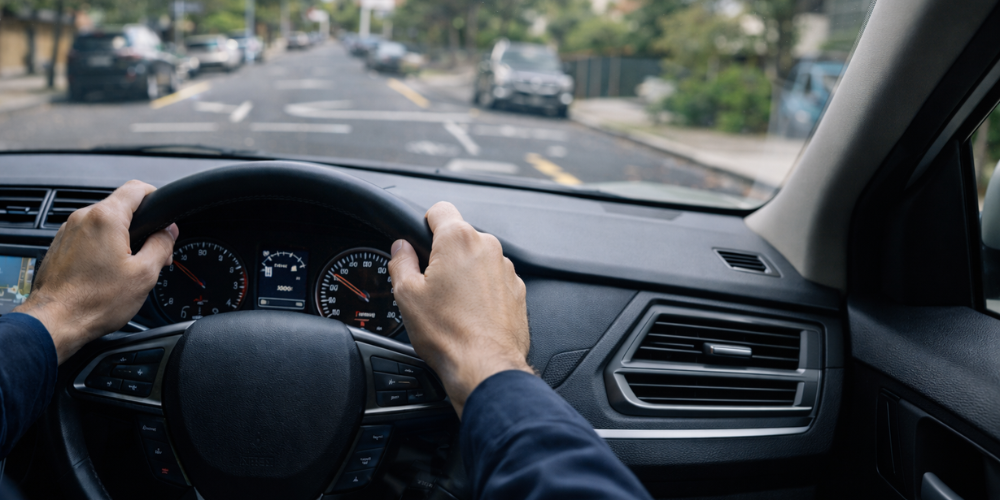
A proper test drive is still one of the most practical ways to understand what to check when buying a used car, because a vehicle that looks perfectly fine while parked can behave very differently once it’s out on real roads. Instead of doing a quick lap around the block, it helps to take your time and drive the car in conditions that resemble everyday use, whether that’s navigating a few tight turns, driving over speed bumps, or taking it through slightly uneven suburban streets where suspension noises and steering quirks tend to reveal themselves much more clearly. Pay attention to how the engine sounds once it warms up, notice how smoothly the gearbox shifts through different speeds, and keep an eye on how stable the steering feels when braking or accelerating, because small vibrations or pulling can sometimes hint at issues that aren’t obvious during a quick visual inspection.
Anyone who has spent a Saturday afternoon inspecting cars will recognise this moment, because even after you’ve followed every checklist and covered most of what to check when buying a used car, there’s usually still a small part of you wondering whether the car will feel the same once you start driving it every day. A vehicle can pass a quick inspection without any problems, yet small things only start appearing after a few days of commuting, school runs, or weekend errands, which is simply part of the reality of buying used cars.
Cars24 30-Day Trial Period
Because we understand that uncertainty, we recently introduced something we’re genuinely excited about at Cars24, and it’s designed specifically for Australians who are trying to figure out what to check when buying a used car but still want a little more confidence before fully committing. Instead of expecting buyers to rely entirely on a short test drive when making such an important decision, we’ve launched a 30-Day Trial Period that allows you to actually live with the car and see how it fits into your everyday routine.
Think of it less like a traditional inspection and more like a real-world test that happens over time rather than over a few minutes in a car park. Drive it to work, take it out on weekend errands, see how it feels in traffic, and get a genuine sense of whether it suits the way you actually use a car. If something doesn’t feel quite right during that period, the vehicle can be returned without the awkward conversations or complicated processes that buyers often worry about.
For many Australians trying to work through what to check when buying a used car, that extra breathing room makes a meaningful difference, because even though inspections and history checks are still incredibly important, having the opportunity to properly experience the car over several weeks removes a lot of the pressure that usually comes with making a final decision on the spot.
Even Experienced Buyers Get a Mechanic to Look
Finally, there’s one step that appears in nearly every used car inspection checklist, and that’s arranging a professional mechanical inspection before committing to the purchase.
Even buyers who already understand what to check when buying a used car often prefer having a mechanic look over the vehicle as well, simply because a trained eye can sometimes notice early signs of wear or mechanical issues that might not be obvious during a short driveway inspection.
It’s not about distrust or assuming the seller is hiding something, but rather about having another set of experienced eyes reviewing the car and confirming that everything looks as it should.
And for many buyers, this is also the point where they start wondering whether there might be an easier way to approach the whole process of figuring out what to check when buying a used car without organising multiple checks themselves.
| You may also find this helpful: Used Car Test Drive Checklist and Car History Report Guide |

Comments
New Comment