




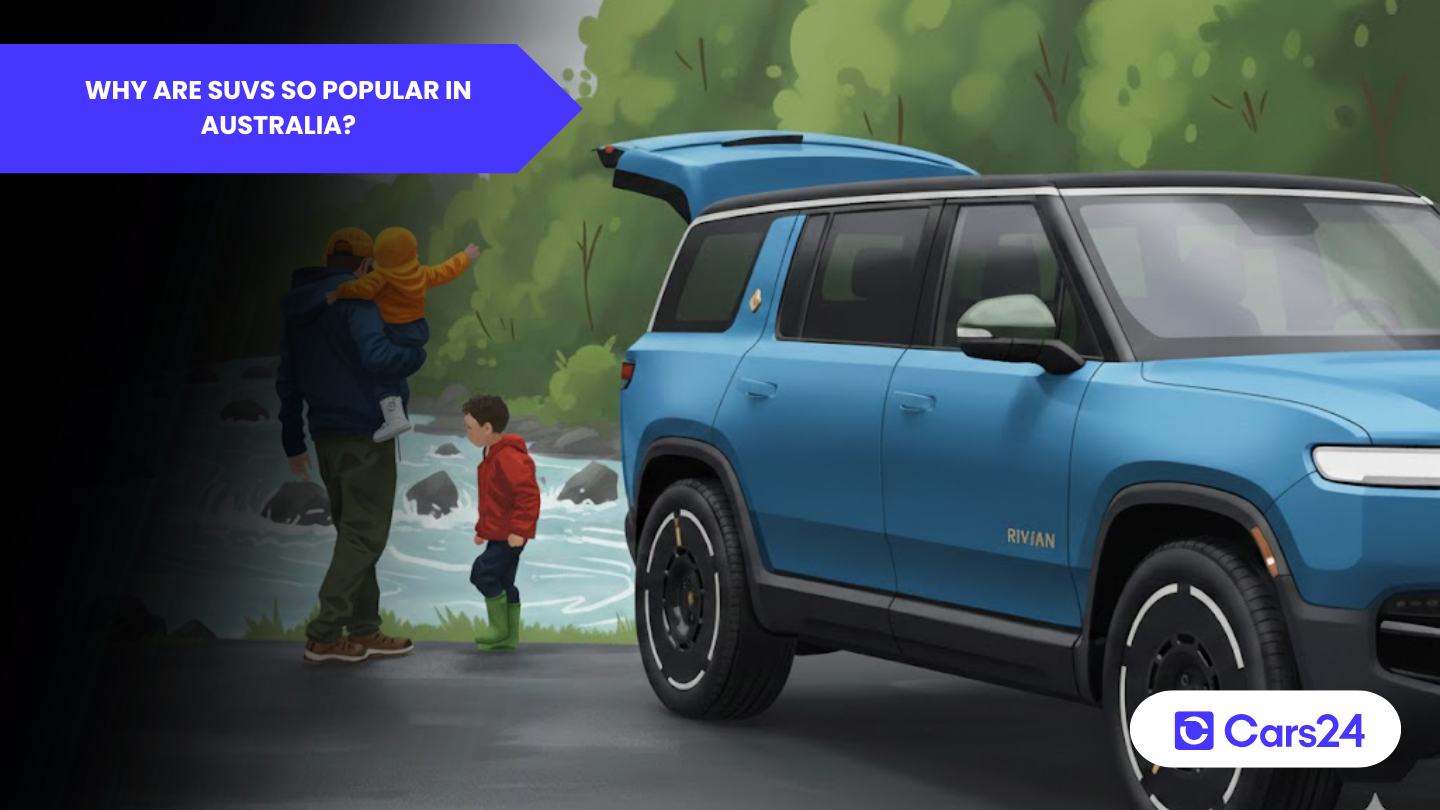
Walk through any suburban school zone or shopping centre car park, and the answer appears obvious: Australia has reorganised itself around the SUV. What was once a niche alternative to the family sedan is now the dominant format. In 2025, SUVs accounted for roughly 60 per cent of all new vehicle sales, a majority position that would have seemed improbable just ten years ago. This dominance was not driven by hype or a single breakout model. It emerged from steady, practical decisions repeated at scale.
The shift did not happen overnight. It unfolded incrementally, reshaping expectations of what a “normal” family car looks like.
The tipping point
For years, sedans and hatchbacks defined the Australian mainstream. But by 2017, SUVs had outsold passenger cars for the first time. Medium-sized crossovers such as the Mazda CX-5, Toyota RAV4 and Hyundai Tucson became default family choices rather than secondary options.
It represented a cultural recalibration. The SUV was no longer an alternative; it became the assumed starting point.
Practicality over tradition
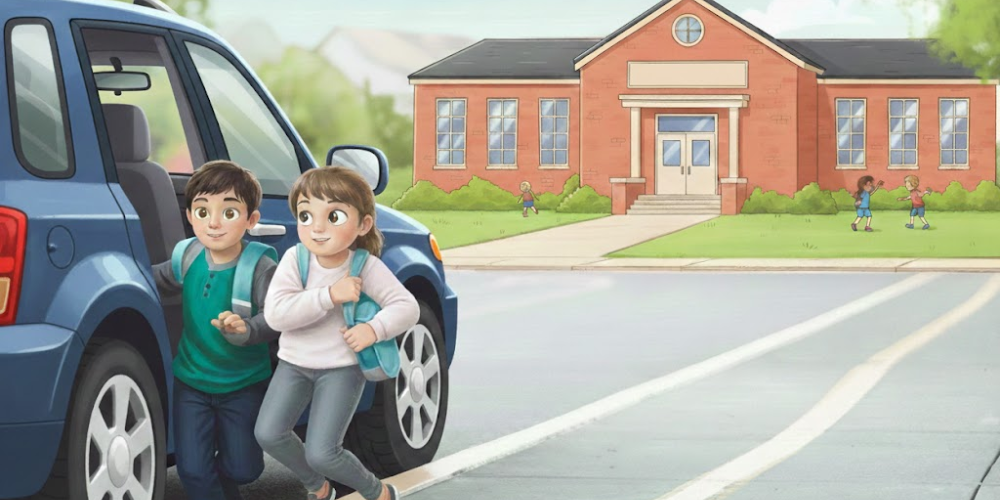
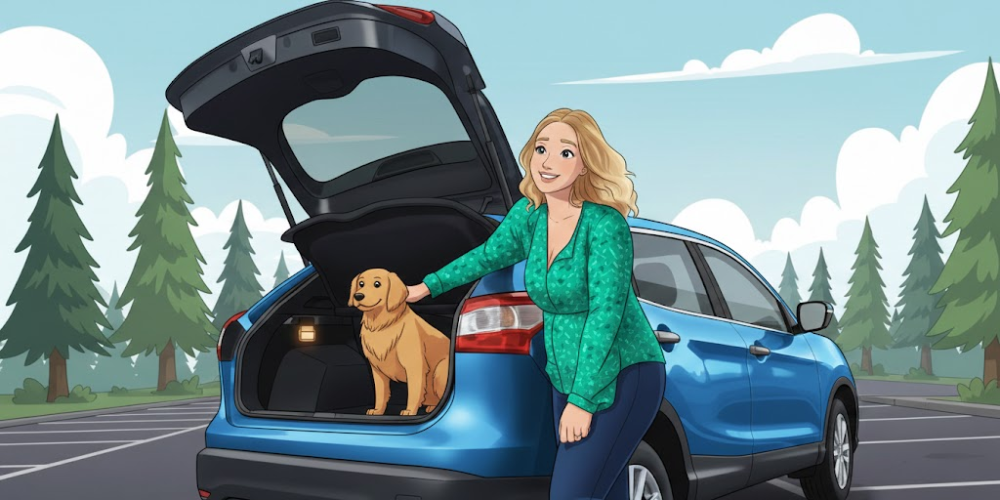
SUVs succeeded because they solved everyday problems efficiently. They offered flexible boot space without the footprint of a large off-roader. Five-door access simplified child-seat installation. Higher hip points made entry and exit easier for both young families and older passengers.
Importantly, they achieved this without appearing overtly utilitarian. The SUV looked modern, capable and adaptable. It absorbed the functional strengths of the wagon while retaining the visual appeal of a lifestyle vehicle. In many cases, it quietly replaced both.
In expanding outer suburbs where commuting distances increased and weekend travel remained common, that versatility resonated. It aligned with how Australians were actually using their cars.
The psychology of height
The elevated driving position is frequently cited as a key reason for SUV popularity. On paper, it improves forward visibility. In practice, it also changes driver perception.
Sitting higher creates a sense of control and insulation in dense traffic. As more vehicles adopted similar ride heights, the road environment itself shifted. Lower cars began to feel exposed. Over time, the baseline expectation moved upward.
Once the majority of vehicles sit taller, height stops being a feature and becomes a norm. Choosing something lower starts to feel like a compromise.
Industry strategy accelerated the shift
Manufacturers responded to demand by expanding SUV line-ups and trimming sedan development. Marketing campaigns emphasised lifestyle, safety and family practicality. Investment flowed towards crossover platforms, including hybrid and electric variants.
Supply did not merely reflect consumer preference; it reinforced it. As sedan ranges narrowed and advertising budgets concentrated on SUVs, the market’s centre of gravity moved decisively. SUVs became the logical default not just because buyers preferred them, but because alternatives gradually diminished.
Standardisation followed.
The broader implications
The rise of the SUV has also reshaped Australia’s vehicle fleet. On average, vehicles are taller and heavier than they were a decade ago. Road safety researchers note that increased vehicle mass and front-end height can alter crash dynamics, particularly in collisions involving pedestrians, cyclists and smaller cars.
SUVs are not the sole explanation for changes in road trauma trends, and factors such as speed, exposure and driver behaviour remain central. However, the transformation of the national fleet is part of the broader safety conversation.
When an entire market shifts upward in size and weight, the effects extend beyond showroom statistics.
A shift that now feels permanent
Australia did not become “obsessed” with SUVs through hype alone. The transition was gradual and pragmatic. Buyers chose what felt practical, versatile and reassuring. Manufacturers aligned their portfolios accordingly. Over time, alternative formats receded.
Today, the SUV is not a trend. It is the mainstream. It no longer feels like a category choice but a default setting. Reversing that dominance would require more than a compelling new sedan, it would require a change in collective expectation.

Comments
New Comment