




Thinking about buying a used car in Victoria? A WOVI check could be the single most important thing you do before handing over your money.
In a market flooded with private sellers and trade-ins, knowing a vehicle’s write-off history protects you from costly surprises and potentially unsafe vehicles. This guide covers everything you need to know about performing a WOVI check in Victoria, understanding what the results mean, and making a smarter buying decision.
Read more: WOVI Check in NSW: What every used car buyer must know!
What Is a WOVI Check in Victoria?
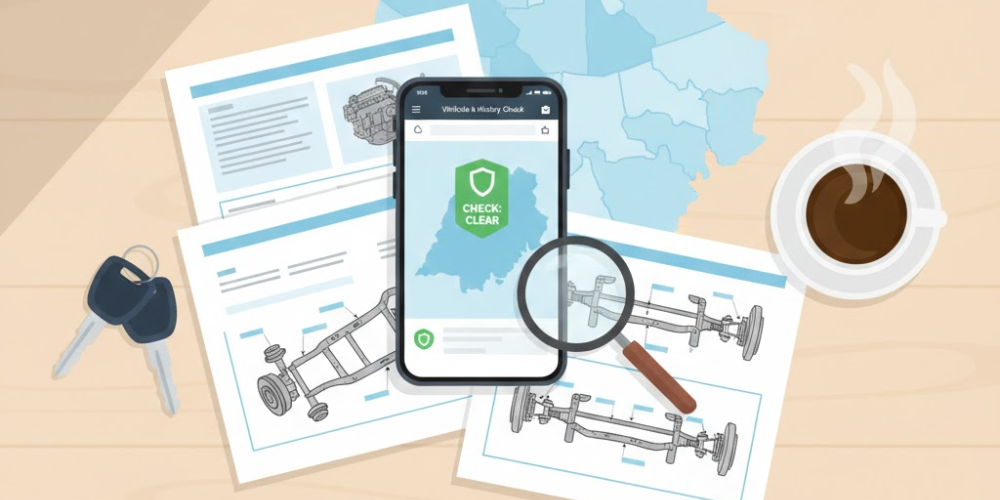
A WOVI check means searching the Written-Off Vehicles Register (WOVR), Victoria’s official database of vehicles that have been assessed as write-offs by insurers or licensed motor traders.
When a vehicle sustains serious damage, and the cost of repairs exceeds its market value, it gets recorded on the WOVR. That record stays attached to the vehicle permanently, even after it’s been repaired and put back on the road.
The WOVR in Victoria covers:
- Light vehicles up to 4.5 tonnes GVM
- Motorcycles
- Vehicles less than 15 years old
If you’re buying a used car without running a WOVI check, you’re taking an avoidable risk.
Read more: WOVI Check in Queensland? What every used car buyer must know!
Why a WOVI Check matters before you buy?

A written-off vehicle can look perfectly fine on the surface. Sellers don’t always disclose a write-off history, and in private sales, they’re not always legally required to. Without checking, you could end up with:
- A car that’s difficult or impossible to insure
- Significantly reduced resale value
- Hidden structural damage affecting safety
- A vehicle that can never be legally registered
A WOVI check takes minutes and can save you thousands.
Read more: WOVI Check in South Australia: What Buyers Need to Know
Types of write-offs in Victoria
Not all write-offs are equal. Victoria recognises three categories, and the type matters enormously when buying.
1. Repairable Write-Off (RWO)
A repairable write-off is a vehicle where the repair cost exceeded its market value at the time of assessment, but the damage itself wasn’t catastrophic. The vehicle can be fixed.
What happens after a repairable write-off:
- Registration is cancelled immediately
- The vehicle is recorded on the WOVR
- It cannot be driven on Victorian roads until it meets strict reinstatement requirements
To get a repairable write-off back on the road in Victoria, the owner must:
- Repair the vehicle to manufacturer standards
- Obtain a VIV (Vehicle Identity Validation) certificate from VicRoads
- Pass a roadworthy inspection
- Re-register the vehicle
Buying a repairable write-off? Always ask for:
- Proof of all repairs carried out
- The VIV certificate
- A current roadworthy certificate
- Before-and-after photos of the damage
Even a fully repaired and re-registered repairable write-off carries that status permanently on the WOVR.
2. Inspected Write-Off (IWO)
An inspected write-off is a vehicle that was previously recorded as a repairable write-off but has since been repaired, passed inspection, and been re-registered.
This is the status you’ll see on the register once a repairable write-off has completed the reinstatement process.
A few things worth knowing:
- The write-off history does not disappear; it stays on the WOVR forever
- Hail-damaged vehicles may be listed as inspected write-offs even when no structural repairs were required
- If the vehicle was previously registered interstate, a VIV inspection may still be required before Victorian registration is granted
3. Statutory Write-Off (SWO)
A statutory write-off is the most serious category. These are vehicles that have sustained damage so severe that they can never be re-registered anywhere in Australia.
Statutory write-offs are typically the result of:
- Serious structural damage
- Flood, fire, or complete rollover damage
- Theft recovery with extensive damage
A statutory write-off cannot legally return to Victorian roads, ever. These vehicles can only be used for parts or dismantling.
If a WOVI check reveals a vehicle is a statutory write-off, walk away. No exceptions.
How to Do a WOVI Check in Victoria: Step-by-Step
Step 1: Collect the Vehicle Details
Before you can run a check, you’ll need either:
- The VIN (Vehicle Identification Number), a 17-character code unique to the vehicle, or
- The registration plate number
You’ll find the VIN on the dashboard near the windscreen, inside the driver’s door frame, or on the vehicle’s registration papers.
Step 2: Use the VicRoads Registration Check
Head to the official VicRoads website and use their free registration check tool. Enter the VIN or plate number, and you’ll immediately see:
- Current registration status and expiry date
- Whether the vehicle is recorded on the WOVR
This is the quickest and most direct way to do a WOVI check in Victoria at no cost.
Step 3: Consider a Full Vehicle History Report
A WOVI check tells you about write-off status, but it won’t reveal everything. For complete peace of mind, many buyers also purchase a paid vehicle history report, which can include:
- Finance or money owing on the vehicle
- Theft or stolen vehicle records
- Full registration history
- Interstate records
If you’re spending significant money on a used car, the cost of a full report is well worth it.
Who reports to the WOVR in Victoria?

The register works because reporting is legally required. The following parties must notify the WOVR:
- Insurers and self-insurers must report within 7 days of assessing a vehicle as a write-off
- Motor wreckers and parts recyclers must report vehicles being dismantled
- Licensed Motor Car Traders (LMCTs) must report any written-off vehicles in their custody that aren’t already recorded
This legal framework reduces the risk of unrecorded write-offs slipping through the cracks and onto the used car market.
Can a written-off vehicle be re-registered in Victoria?
It depends entirely on the type of write-off:
| Write-off type | Can it be re-registered? |
| Repairable Write-Off (RWO) | Yes, after VIV inspection and roadworthy |
| Inspected Write-Off (IWO) | Already re-registered |
| Statutory Write-Off (SWO) | No |
Always verify the current registration status in addition to the write-off history before buying.
Is buying a repairable write-off in Victoria worth it?
For the right buyer in the right situation, it can be. But you need to go in with clear eyes.
Potential advantages:
- Lower purchase price compared to an equivalent clean-title vehicle
- Good value if high-quality repairs were carried out
Risks to consider:
- Permanently reduced resale value
- Some insurers may refuse cover or charge significantly higher premiums
- Potential for hidden structural issues even after repair
- Additional scrutiny when reselling
If you’re considering a repairable write-off, have it independently inspected by a qualified mechanic, not just the seller’s roadworthy certificate. And verify the VIV certificate is genuine through VicRoads before committing.
Final checklist before buying a used car in Victoria
Before signing anything or transferring funds, make sure you’ve:
- Run a WOVI check using the VicRoads registration tool
- Confirmed the type of write-off (if one exists)
- Verified the VIV certificate is genuine (for repairable write-offs)
- Sighted a current roadworthy certificate
- Considered a full vehicle history report for finance and theft checks
- Had the vehicle independently inspected by a mechanic
A WOVI check in Victoria is free, takes minutes, and can save you from a very expensive mistake. There’s no good reason to skip it.
Final advice
A WOVI check in Victoria is a small step that can prevent significant financial loss. Before buying any used car, you should confirm its write-off status, understand exactly what type of write-off it has been classified as, verify all required inspection certificates, such as VIV and roadworthy approvals, and review the full vehicle history report. In Victoria’s used car market, proper due diligence is not optional; it is essential to protect yourself from unexpected costs and legal complications.

Comments
New Comment