





Every driver, no matter how seasoned, is capable of having one of those zoned-out mental lapses at the fuel pump. Maybe you’re distracted, it’s late, you’ve borrowed someone else’s car, or you’re simply on autopilot. You grab the wrong nozzle, fill up, and only when you replace the cap does the realisation hit: That was petrol… and this is a diesel.
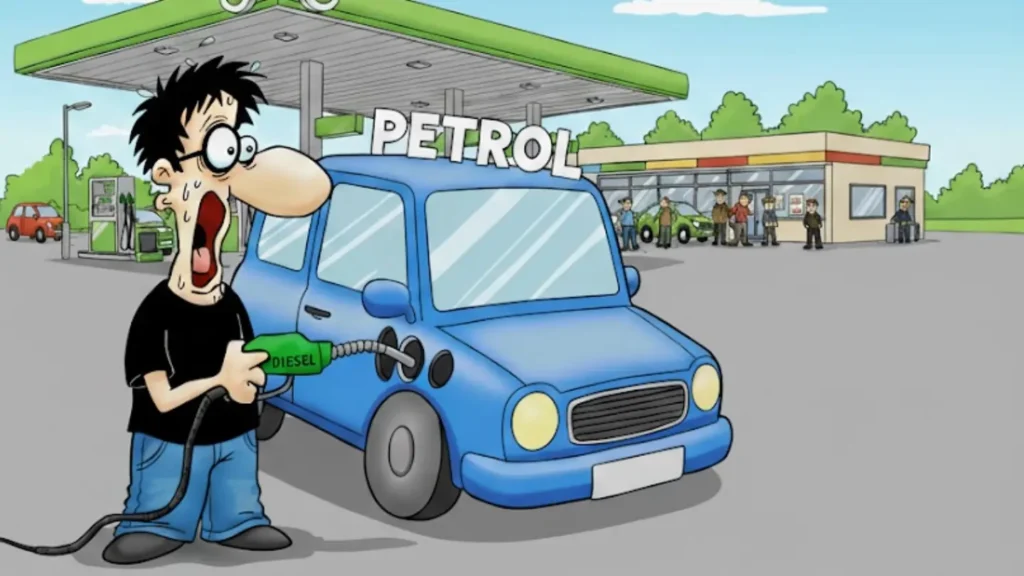
If that ever happens to you, don’t panic. Putting the wrong fuel in a car is far more common than most people dare to admit. Thousands of Australian drivers make the same mistake every year. The key isn’t to beat yourself up, it’s to know exactly what to do next. Acting quickly and correctly can mean the difference between a minor inconvenience and a major repair bill.
Here’s what we think you should do, step by step:
DO NOT START THE ENGINE!
This is the single most important step. If you realise your mistake before you’ve started the car, you have likely prevented 99% of the potential damage.
Why? Starting the engine circulates the wrong fuel through your system, turning a simple tank drain task into a potential full-system flush and risking damage to expensive components like fuel pumps, injectors, and filters.
What can you do? Well, if you’re still at the pump, do not turn the key. Put the car in neutral and have someone help you push it to a safe parking spot. And now, follow the following easy steps.
Step 1: Retrace your steps

Misfuelling feels embarrassing, but it happens to the best of us. Freaking out won’t help. This is a fixable problem, and professional services deal with wrong fuel in car cases every single day.
Take a moment to note:
- Which wrong fuel you added (petrol or diesel)
- Roughly how much went in (a splash, half a tank, full tank)
- Whether the car has been started or driven
These details are invaluable for whoever comes to fix the problem. The difference between a quick drain and a complete system overhaul often comes down to whether the engine was run.
Step 2: Call a wrong fuel recovery service

Standard roadside assistance rarely covers misfuelling. That’s where specialised incorrect fuel recovery or mobile mechanic services come in. In most parts of Australia, you can find a mobile technician who’ll come directly to your location, servo, roadside, or car park and handle the whole job without towing.
What they’ll do is fairly straightforward but requires proper equipment:
- Safely drain the contaminated fuel from the tank
- Flush the fuel system to remove any remaining residue
- Refill with the correct fuel
- Run diagnostic checks before restarting the engine
It’s a controlled process that typically takes 45–60 minutes. A professional service also ensures that the contaminated fuel is disposed of safely and legally.
If you’re located in a metro area like Sydney, Melbourne, or Brisbane, response times are usually within an hour. Regional areas might take longer, but it’s still worth waiting rather than risking further damage.
Step 3: Resist the urge to DIY

There’s an entire genre of online videos that make draining a fuel tank if you misfuel your car look like a simple siphon-and-go job. Don’t fall for it. Modern cars, especially diesels, use pressurised fuel systems and electric pumps that don’t take kindly to home tinkering.
Attempting to drain the tank yourself risks:
- Spilling flammable liquid
- Damaging sensitive fuel lines
- Triggering check-engine warnings
- Breaching environmental disposal laws
In short, you should step away from the hose and let a trained technician handle it.
Step 4: Let the professionals finish the job

Once your technician arrives, they’ll drain the wrong fuel into a sealed container and dispose of it in accordance with environmental guidelines. They’ll then flush the lines, replace filters if necessary, and refill the tank with the right fuel.
If you hadn’t started the car after filling in the wrong fuel, you’re likely to drive away with no lasting effects. If the engine had been started and run briefly, your mechanic may recommend additional inspection, especially of the injectors and pump. But it’s still fixable!
What happens when you mix fuels?

Understanding why misfuelling is such a serious issue helps.
Putting petrol in a diesel car- High Risk
Diesel engines rely on the fuel’s lubricating properties to keep pumps and injectors running smoothly. Petrol, by contrast, is a solvent. It strips away that lubrication, creating metal-on-metal friction. Putting petrol in a diesel car can scar the pump, clog injectors, and cause catastrophic wear within minutes. Even running for a few kilometres on the wrong fuel can lead to repairs worth thousands.
Putting diesel in a petrol car- Medium Risk
Diesel is heavier and oilier than petrol. When it enters a petrol engine that is designed for a clean, vaporised fuel-air mix, it simply can’t combust properly. Putting diesel in a petrol car doesn’t just cause a brief hiccup; it disrupts the entire combustion process. The engine may sputter, knock, or refuse to start altogether. Unburned diesel can also foul spark plugs and damage the catalytic converter, a costly component to replace.
AdBlue Mix-ups- High Risk
Then there’s the growing number of AdBlue-related errors for diesel cars. AdBlue belongs in its own separate tank in certain diesel vehicles, not in the fuel filler. Pouring it into the wrong pipe can cause corrosion in the fuel system and requires professional intervention.
Tips to prevent putting the wrong fuel in car
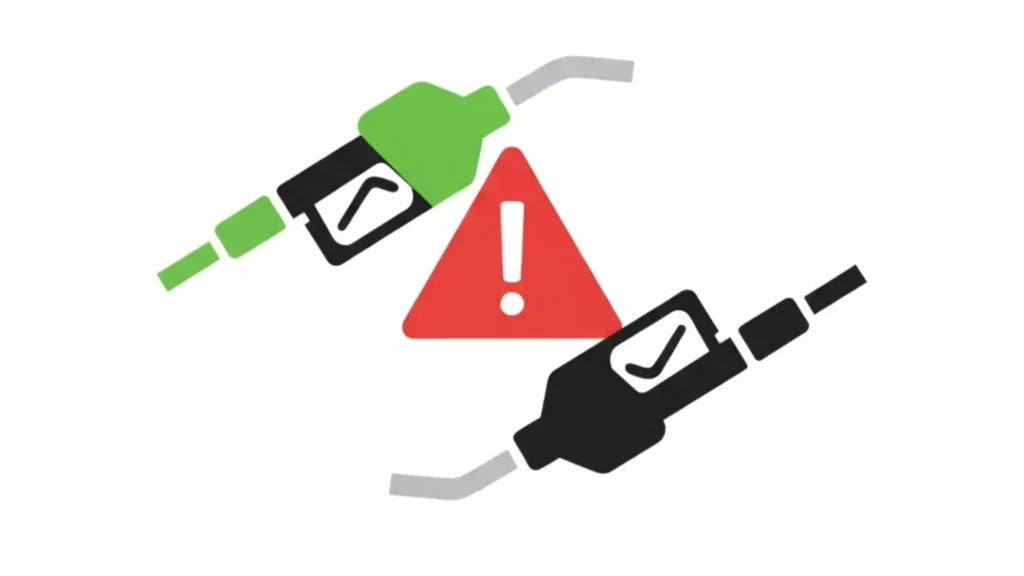
After witnessing a few too many red-faced drivers at the bowser, I can say prevention is remarkably easy:
- Slow down. Most misfuelling happens when people are in a rush.
- Double-check the nozzle. Diesel pumps usually have larger, black handles; petrol nozzles are smaller and often green.
- Label your cap. A simple “Diesel Only” sticker works wonders.
- Avoid distractions. Put your phone down while refuelling.
- Know who to call. Save the number of a local wrong-fuel recovery or mobile mechanic service in your phone now, not later.
If you realise you’ve put the wrong fuel in car, don’t panic. Call a professional to remove the incorrect fuel from the car immediately.

Comments
New Comment