




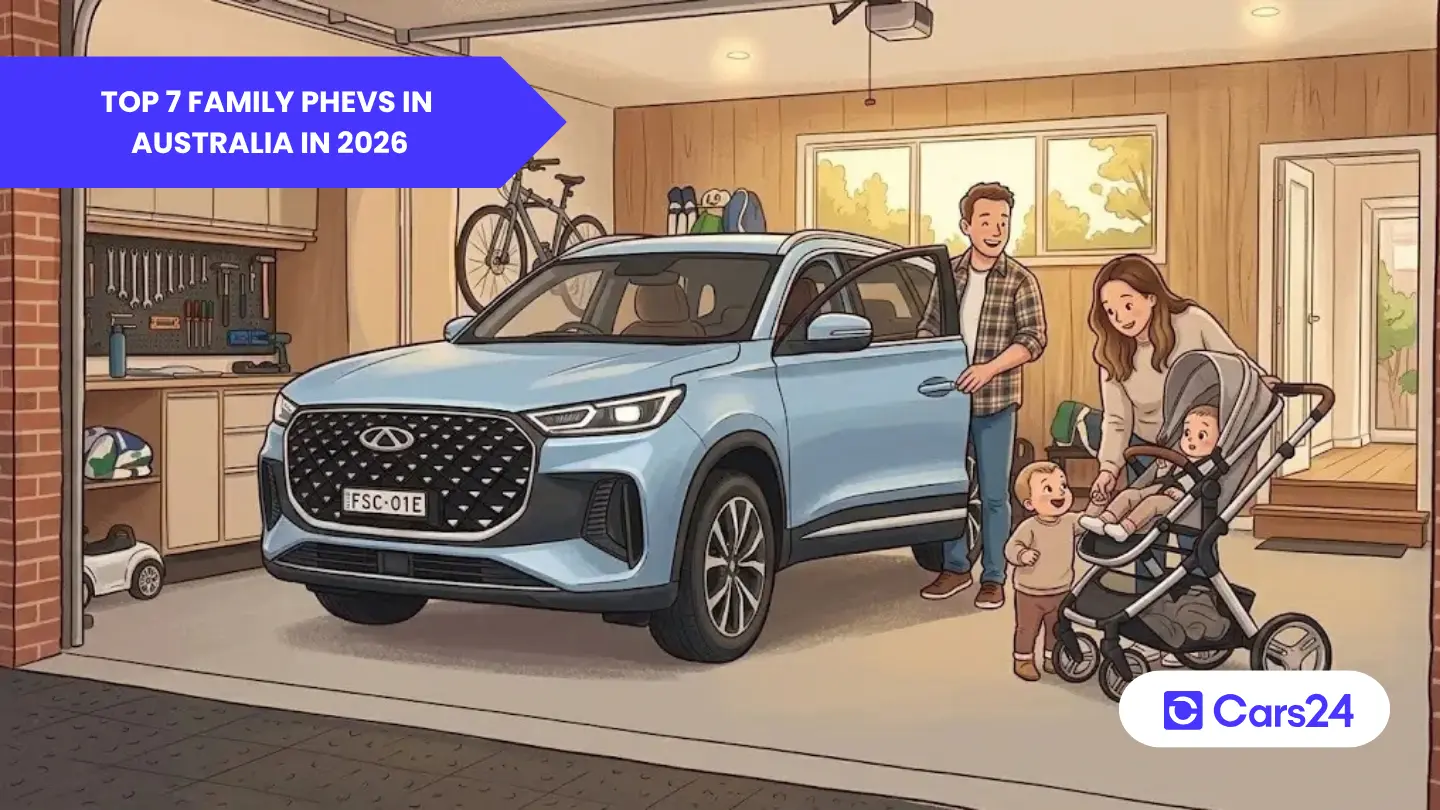
A family car has to do more than get you from A to B. It needs to handle school runs, supermarket trips, commuting, weekend sport and the occasional road trip without making everyday life harder. For some families, that makes a plug-in hybrid electric vehicle, or PHEV, an interesting middle ground between a petrol car and a fully electric vehicle.
A PHEV can use its battery for shorter everyday trips, while a petrol engine gives you the flexibility to keep driving when the battery is depleted. That can be particularly useful if you can charge at home and most of your weekday driving is relatively short. But choosing a family PHEV isn’t just about finding the car with the longest electric range. Boot space, rear-seat room, child-seat compatibility, safety and charging all matter too.
Here are seven PHEVs and electrified family-car options worth considering in Australia. Range figures in this guide use different official testing standards, including NEDC and WLTP, and should not be compared as if they were measured under identical conditions. Actual electric range varies with driving conditions, temperature, driving style and climate-control use. Check the testing standard shown for each model when comparing the figures.
1. BYD Sealion 5
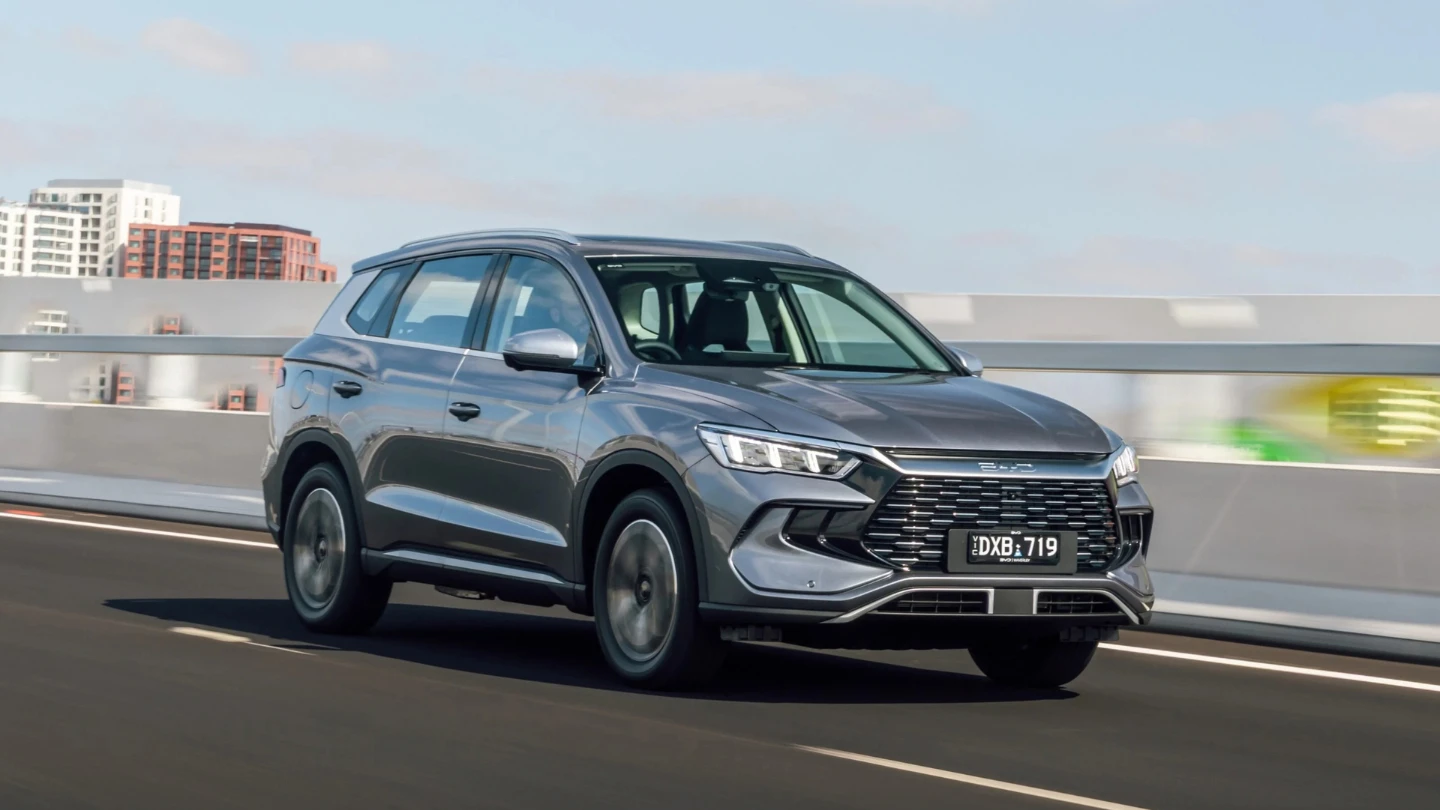
The BYD Sealion 5 is one of the more affordable ways into a plug-in hybrid family SUV in Australia. The entry-level Sealion 5 Essential is priced from $33,990 before on-road costs, while the higher-spec Premium costs another $4000. The Essential has a claimed 71km NEDC electric range, while the Premium increases this to 100km. That difference could matter if you want to use your PHEV primarily as an electric car during the week. Depending on how far your family drives each day, the additional range could mean fewer charging stops. BYD also quotes a combined range of 1001km, giving the Sealion 5 the ability to cover longer journeys without the same charging planning required by a pure electric vehicle.
Is the BYD Sealion 5 practical for families?
The Sealion 5 has a 463-litre boot, giving it useful luggage space for a family SUV. The two outer backseats have ISOFIX points, while all three backseats get top-tether anchors. However, three child seats have not been confirmed as fitting across the rear bench, so families with three young children should check this themselves before buying. The BYD Sealion 5 also has seven airbags as standard. One important consideration is safety. The Sealion 5 received a three-star ANCAP rating under the latest testing criteria. Its child occupant protection results were stronger, with 90% in the frontal offset test and 100% in the side impact test.
CARS24 Australia’s verdict
The BYD Sealion 5 makes the most sense for families that want to enter the PHEV market without spending significantly more than they would on a conventional small or medium SUV. Its relatively low starting price and useful electric range are the big attractions. However, the three-star ANCAP result means safety-conscious buyers should compare it carefully with five-star alternatives before making a decision.
Buyers looking for a used alternative can also explore used BYD cars in Australia in Cars24.
2. BYD Seal 6
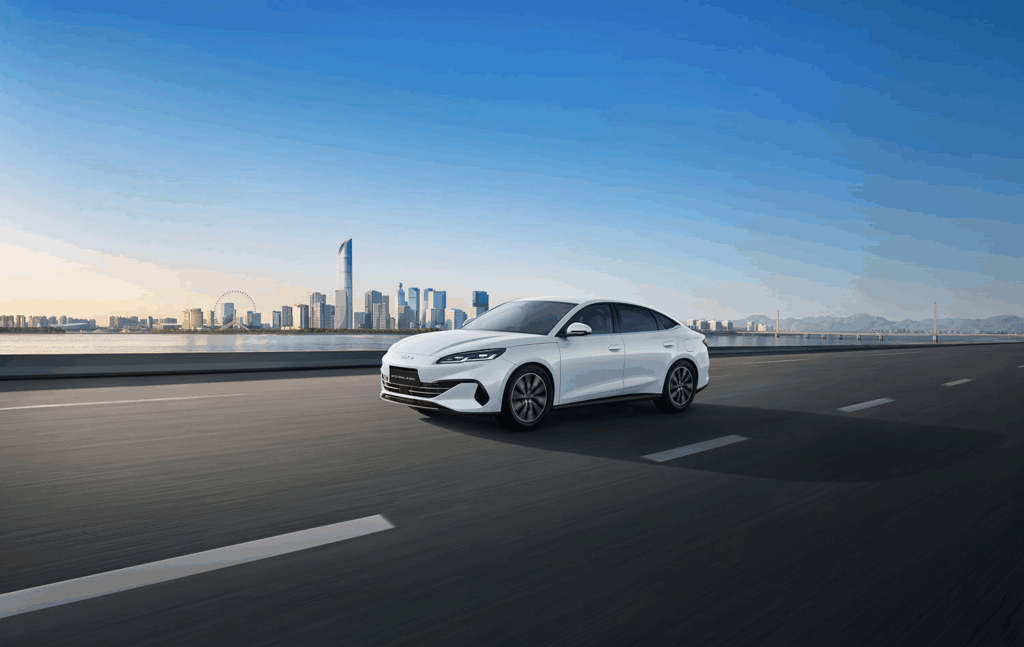
If you need more room but don’t necessarily want an SUV, the BYD Seal 6 is an interesting alternative. The BYD Seal 6 Essential starts from $34,990 before on-road costs, putting it only $1000 above the Sealion 5 Essential. The sedan has a 55km WLTP electric range, while the Seal 6 Touring Premium increases that figure to 100km. That makes the Touring particularly interesting for families that want to do short trips using electric power. The sedan has a 491-litre boot, while the Touring increases cargo capacity to 670 litres. The extra space makes the wagon a more practical option for families carrying prams, luggage and other bulky items.
What about child seats?
The BYD Seal 6 is one of the more interesting options here if fitting three child seats is a priority. Three slim child seats can fit across the rear seats of both the sedan and Touring, while the cabin offers enough space for tall front occupants even with rear-facing child seats installed. The BYD Seal 6 received five stars in ANCAP safety testing, including 90% for child occupant protection and 92% for adult occupant protection.
CARS24 Australia’s verdict
The BYD Seal 6 Touring is arguably the most convincing family package here if you don’t need an SUV body. Its combination of a large 670-litre boot, generous rear-seat space, three-child-seat capability and five-star ANCAP rating gives it a strong family-car case. The sedan is also worth considering if you don’t need the extra cargo capacity of the wagon.
3. GWM Haval H6 PHEV
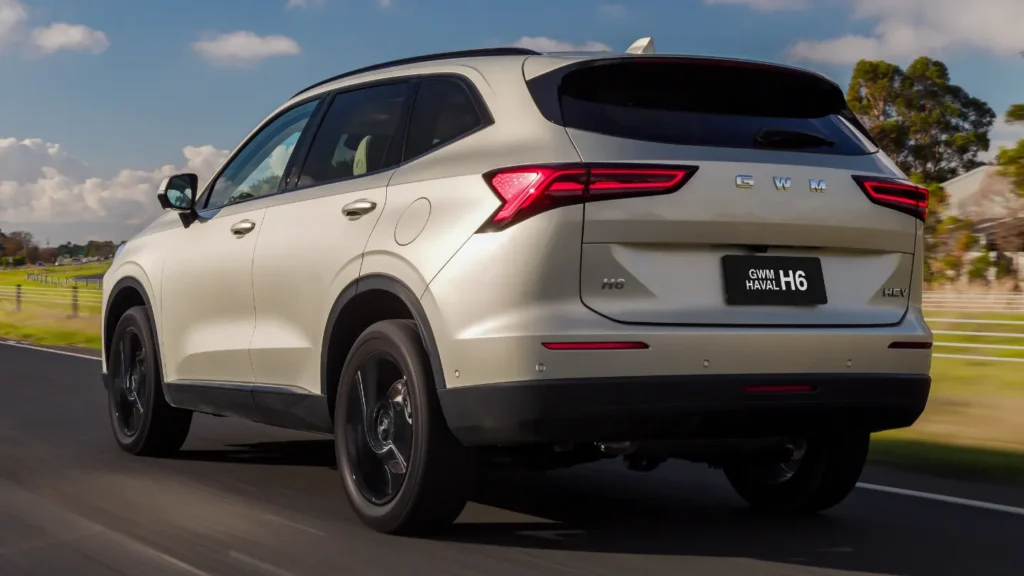
The GWM Haval H6 PHEV is one of the more compelling alternatives for families looking for a conventional mid-size SUV without moving too far beyond the $40,000 mark. It is priced from $40,990 drive-away, putting it directly against several of the more affordable PHEVs in this list. The GWM H6 PHEV combines a petrol engine with electric motors and a rechargeable battery, giving families the ability to handle shorter trips using electric power while retaining the flexibility of a petrol engine for longer journeys. Its claimed electric range and the applicable testing standard need to be verified against current Australian-market specifications before this guide is published.
Is the GWM H6 PHEV practical for families?
The GWM H6 has a spacious cabin and a useful boot, making it well suited to everyday family duties. Its SUV body also gives buyers a higher driving position and easier access to the rear seats, which can be useful when loading children into child restraints. As with any family car, buyers should test their own child seats in the rear before buying, particularly if they need to fit more than two restraints.
CARS24 Australia’s verdict
The H6 PHEV is a strong all-rounder for families that want a mid-size SUV with plug-in hybrid power without moving into premium pricing. It doesn’t have the headline-grabbing price of the Sealion 5, but its combination of space, familiar SUV packaging and competitive drive-away pricing makes it one of the PHEVs worth putting on a shortlist.
Buyers looking for a used alternative can also explore used GWM cars in Australia in Cars24.
4. Jaecoo J7 PHEV
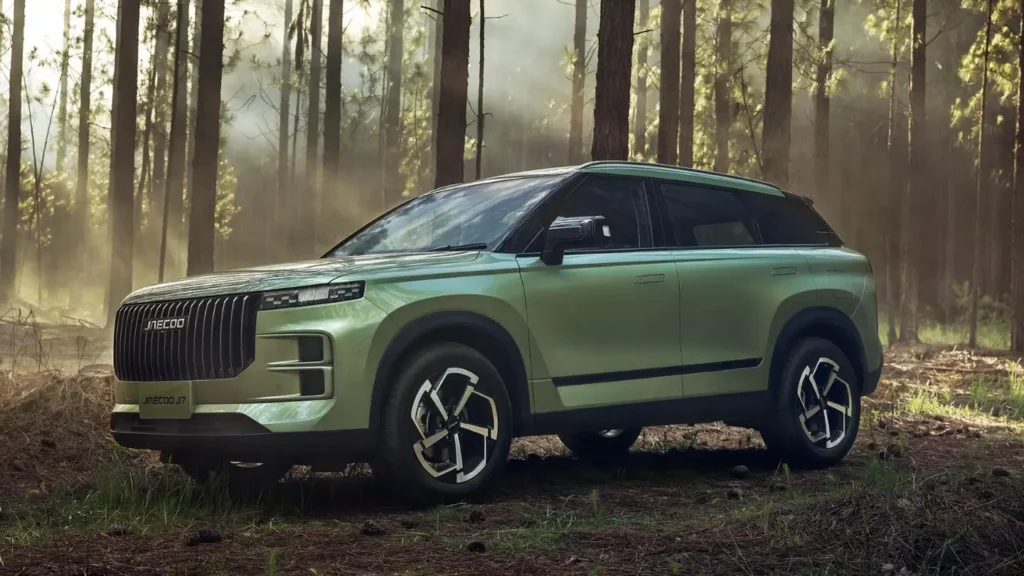
The Jaecoo J7 PHEV is another mid-size SUV that sits firmly in the value-focused end of Australia’s plug-in hybrid market. Priced from around $40,990 drive-away, it gives buyers another alternative to the BYD, Chery, Geely and GWM models in this group. The Jaecoo J7 PHEV combines a turbocharged petrol engine with electric power, allowing it to cover shorter journeys using battery power while retaining the flexibility needed for longer trips.
What makes it family-friendly?
The Jaecoo J7 offers a spacious cabin with the sort of upright SUV packaging that works well for family use. Its equipment list is also one of its attractions, with features designed to make everyday driving and parking easier. Families should still check the rear-seat and boot space with their own child seats and luggage before buying, particularly if the car will regularly carry several passengers.
CARS24 Australia’s verdict
The Jaecoo J7 PHEV is worth considering if you want a well-equipped mid-size family SUV around the $40,000 mark. It doesn’t necessarily have one standout feature that makes it the obvious winner, but its combination of price, equipment and plug-in hybrid power makes it a credible alternative to the more established choices here.
5. Geely Starray EM-i
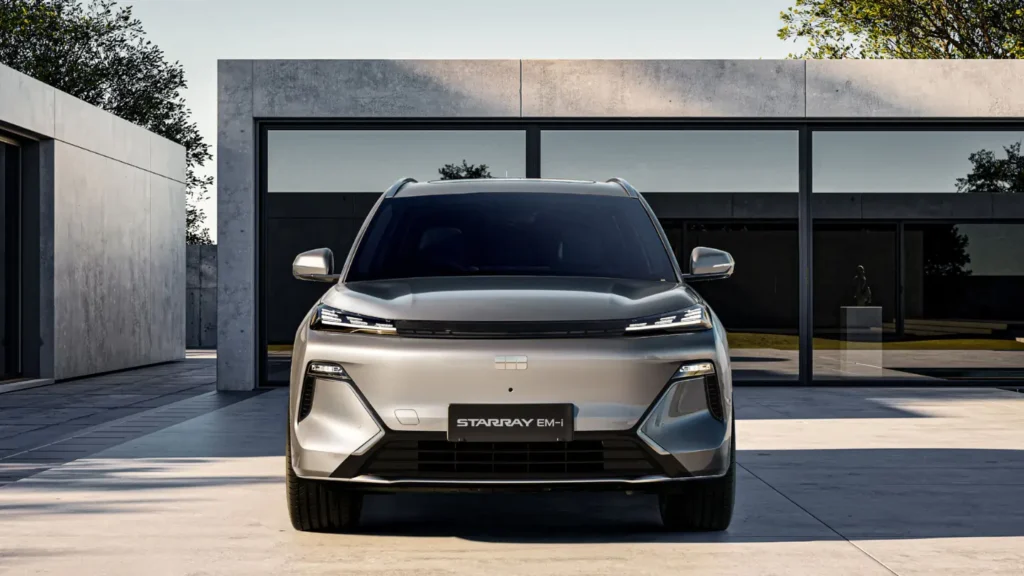
The Geely Starray EM-i takes a similar approach, pairing mid-size SUV practicality with electrified power. The entry-level Complete is priced from $37,490 before on-road costs, while the higher-spec Inspire costs $41,490. The Geely Starray EM-i has an 83km WLTP electric range in its standard configuration. An extended-range version increases that figure to 136km. For a family that mainly drives locally, the standard battery could be enough for several days of everyday use, particularly if the car is charged regularly at home. The combined range is quoted at 943km.
Does it work as a family SUV?
The Geely Starray has a 428-litre boot and a spacious cabin. Three child seats can fit across the rear, although the fit is tight. There is also enough front legroom for a 186cm driver to sit ahead of a rear-facing child seat. That makes rear-seat space one of the Starray’s stronger points for growing families. Move up to the Inspire and you get extras such as a panoramic opening glass sunroof, hands-free powered tailgate, ventilated front seats, front parking sensors and a 360-degree camera.
CARS24 Australia’s verdict
The Geely Starray EM-i deserves attention from families who prioritise cabin space and everyday practicality. Its rear-seat room is particularly relevant if you have young children, although the relatively modest 428-litre boot means buyers should check whether it can accommodate all their usual family luggage.
Buyers looking for a used alternative can also explore used Geely cars in Australia in Cars24.
6. Chery Tiggo 7
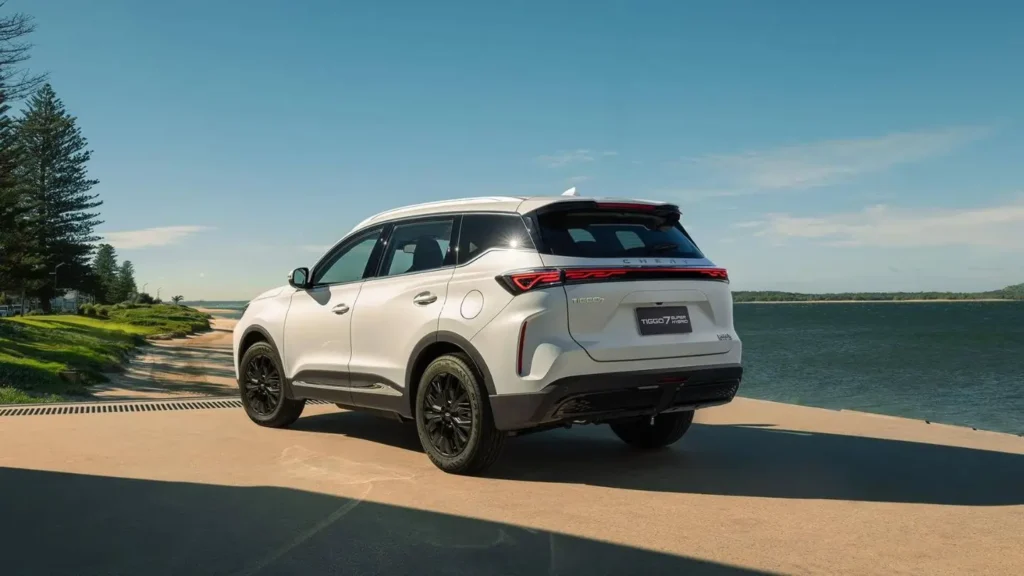
The Chery Tiggo 7 rounds out the more affordable options with a higher starting price of $39,990 drive-away for the Urban. The top-spec Ultimate costs $43,990 drive-away. Its 93km NEDC electric range gives it enough battery capacity for plenty of everyday family driving, while Chery quotes a combined range of 1200km. That makes the Chery Tiggo 7 particularly interesting for families that want to minimise fuel stops on longer journeys without moving to a fully electric SUV.
Is the Chery Tiggo 7 spacious enough?
The Chery Tiggo 7 has the smallest boot in this group at 356 litres, although it can still accommodate a double pram. The second row can accommodate three child seats, although space is tight, while rear-seat legroom is reasonably generous. The Urban is the more affordable option, while the Ultimate adds features such as a panoramic sunroof, heated and ventilated seats and a 360-degree camera.
CARS24 Australia’s verdict
The Chery Tiggo 7 is a strong option for buyers who want a lot of electric range and equipment without moving too far beyond the $40,000 mark. Boot space is where it gives up some practicality. If you regularly travel with bulky prams, sports gear or lots of luggage, check the cargo area carefully before buying.
Buyers looking for a used alternative can also explore used Chery cars in Australia in Cars24.
7. Forthing Range Extender Hybrid
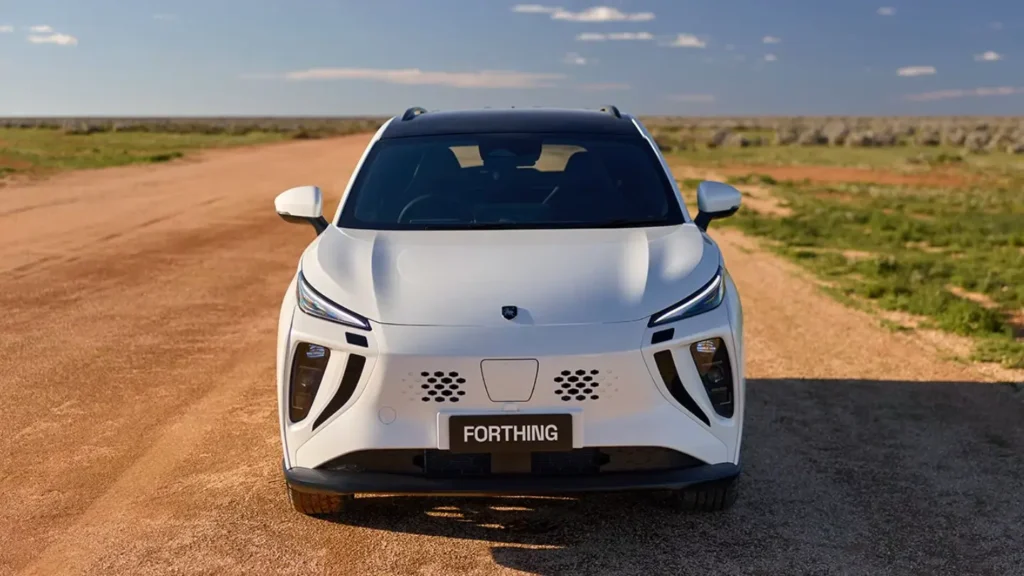
Unlike a conventional PHEV, the Forthing Range Extender Hybrid uses a range-extender electric powertrain. Its petrol engine acts as a generator to supply electricity rather than driving the wheels directly. Its range-extender electric powertrain can provide a claimed 170km of electric range under the WLTP testing standard, which is the longest electric range among the models covered here. That could make it particularly appealing to families that want to do most of their everyday driving without using petrol. Its claimed combined range is 937km, so it retains the flexibility expected from a petrol-assisted powertrain when travelling longer distances. The entry-level Luxury version is priced at $36,990 drive-away.
How practical is it?
The Forthing is a five-seat mid-size SUV with a 480-litre boot. All three rear seats have top-tether anchor points, while the two outer seats get ISOFIX mounts.. The rear seats offer good headroom and legroom, although three child seats have not been tested across the rear bench. Families who need to fit three child restraints should therefore check the arrangement before committing to the car. The Forthing has six airbags as standard but had not yet been assessed by ANCAP at the time of the source material.
CARS24 Australia’s verdict
The Forthing is the interesting choice for families that want to maximise electric driving without stepping into a fully electric vehicle. Its claimed 170km WLTP electric range is the standout feature, but its lack of an ANCAP assessment is something buyers should consider alongside the impressive range figure.
Other PHEVs worth considering
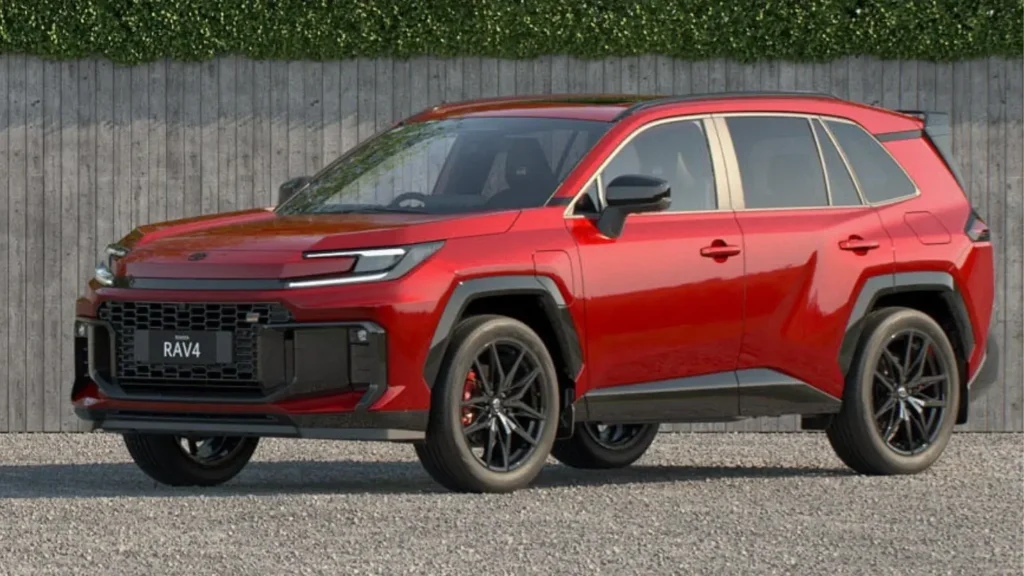
There are several other PHEVs that deserve a look. The Chery Tiggo 8 PHEV, from $45,990 drive-away, adds seven-seat practicality for larger families, while the Mitsubishi Outlander PHEV offers an established PHEV system, up to 103km of electric range and the option of seven seats. The Toyota RAV4 Plug-in Hybrid is another mainstream alternative for buyers willing to pay more for brand familiarity and long-distance flexibility. The MG HS PHEV, from around $42,990 drive-away, offers a spacious cabin and familiar mainstream positioning. The Leapmotor C10 PHEV, at around $48,840, brings an electric-focused driving experience with range-extender flexibility. For larger families, the BYD Sealion 8 PHEV, at around $61,549 drive-away, offers seven seats. These models may not make our main seven, but each could suit a different family.
Which family PHEV should you choose?
There isn’t one PHEV that will suit every family. If purchase price is your biggest concern, the BYD Sealion 5 and Seal 6 sit at the more affordable end of this group. If electric driving range matters most, the Forthing stands out with its claimed 170km WLTP range. If you regularly carry three child seats, the BYD Seal 6 and Geely Starray EM-i are worth putting on your shortlist, although you should always test your own child restraints in the
car before buying.
If boot space is important, the BYD Seal 6 Touring’s 670-litre cargo area gives it a clear advantage over the other models here. If seven seats are essential, the Mitsubishi Outlander PHEV and Chery Tiggo 8 PHEV are the more obvious starting points, although families using child restraints need to pay attention to the third row. And if safety ratings are high on your list, the BYD Seal 6 and Mitsubishi Outlander PHEV both bring five-star ANCAP ratings, while other models in this group have lower ratings or, in some cases, had not yet been assessed.
What should you check before buying a family PHEV?
The electric range figure isn’t the only number worth looking at. Before buying a plug-in hybrid family car, consider:
Can you charge at home?
A PHEV makes the most sense when you can regularly recharge its battery. If you cannot charge at home or work, you may not get the full benefit of the technology. A PHEV that is rarely plugged in can end up being a heavier, more complicated petrol car that isn’t making full use of its electric hardware.
How far do you drive each day?
Compare your normal daily driving distance with the car’s electric range. Official testing figures are useful for comparing models, but real-world range can vary depending on traffic, weather, temperature, driving style and the use of heating or air conditioning.
Do you need three child seats?
Don’t rely solely on the number of ISOFIX points. Take your actual child seats to a dealership and check how they fit across the rear bench. Pay attention to access to buckles, top-tether points and the amount of space left for passengers.
How much luggage do you carry?
A PHEV’s battery can affect available cargo space. Check the boot with your actual pram, school bags, sports equipment or whatever else your family regularly carries. A boot that looks large on paper may not be as useful once you put your everyday family gear inside it.
Do you take regular road trips?
One of the biggest advantages of a PHEV is the ability to use electric power around town while retaining petrol-powered range for longer journeys. If you frequently travel long distances, look at the combined range as well as the electric range. Also consider where you are likely to charge and whether public charging is actually necessary for the way you use the car.
Are you considering a novated lease?
The fringe benefits tax exemption that previously applied to eligible plug-in hybrid vehicles ended on 1 April 2025, subject to transitional rules for some existing arrangements. If you’re considering a PHEV through a novated lease, confirm the current tax treatment with your employer or a qualified tax adviser before making a decision.
The bottom line
A plug-in hybrid can make sense for an Australian family that wants to reduce petrol use without committing to a fully electric car. The key is to choose a PHEV based on how your family actually uses a car. A long electric range is useful if most of your driving is local. A large boot matters if you’re carrying a pram and luggage. Rear-seat width matters if you have multiple child seats. And a strong ANCAP result can be more important than another few kilometres of claimed electric range.
The best family PHEV isn’t necessarily the cheapest one, the newest one or the one with the longest electric range. Toyota It’s the one that fits your family’s daily routine while still giving you the flexibility to travel further when you need to.
Comments
New Comment