




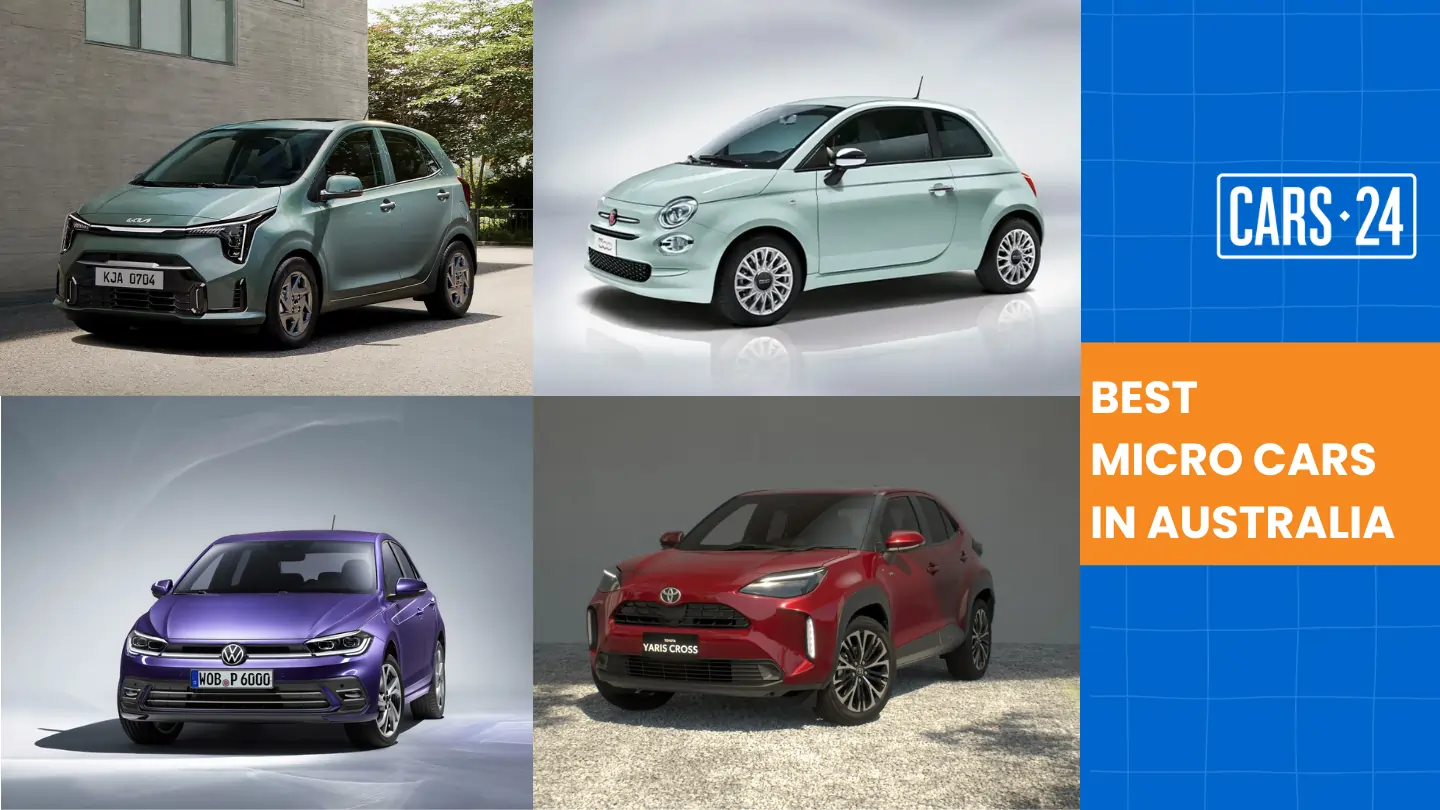
Once a staple of Australia’s new-car market, the micro-car segment has quietly faded into the background. The rising safety standards, changing buyer expectations and the steady upsizing of vehicles have all taken their toll. In fact, under Australia’s official VFACTS classifications, only two models now technically qualify as micro cars.
Yet the need they once served hasn’t disappeared. City buyers still want cars that are easy to park, cheap to run and affordable to buy. As a result, many shoppers now look slightly beyond the formal micro category, cross-shopping light hatchbacks and compact electric vehicles that deliver the same everyday advantages, just in a slightly larger package.
Here are the best small car options for Australian buyers who value simplicity, efficiency and urban practicality above all else.
Kia Picanto
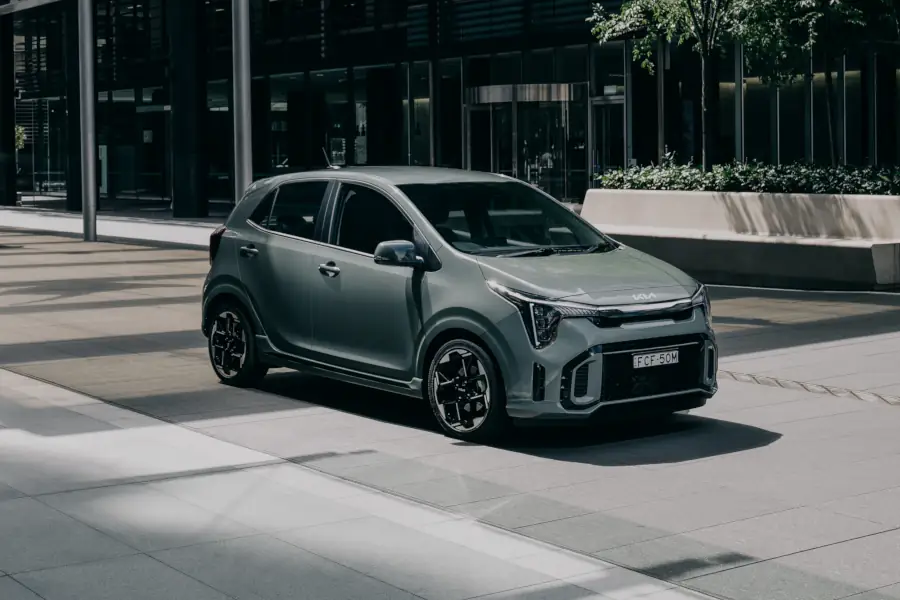
The Kia Picanto is one of the few cars that still fits squarely within Australia’s official VFACTS micro-car category, and it remains a favourite for urban buyers. The compact dimensions make it easy to park and manoeuvre, while its simple petrol engine keeps running costs low.
Despite its size, the Picanto doesn’t feel bare-bones, offering modern infotainment, smartphone connectivity, and a surprisingly solid build. For first-time buyers or those needing a second city car, it delivers strong value. While outright performance is modest, the Picanto is designed for efficiency and ease rather than speed. In a market where the micro car segment in Australia has shrunk, the Picanto stands out as one of the last true examples, proving that small cars can still make a lot of sense in Australia.
| Specifications | Kia Picanto |
| Engine | 1.2L Petrol |
| Power | 62kW |
| Torque | 122Nm |
| Transmission | 5-speed manual/4-speed automatic |
| Fuel Economy (Combined) | 5.4-6.0L/100km |
| Dimensions (L x W x H) | 3,595 x 1,595 x 1485mm |
Fiat 500
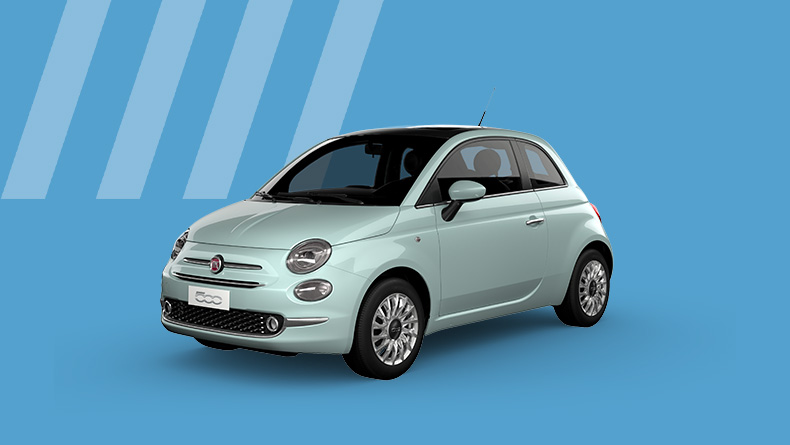
The Fiat 500 brings personality to the small car market in Australia, appealing to buyers who value style as much as size. While technically larger than today’s remaining micro cars in Australia, it’s often considered alongside them due to its compact footprint and city-friendly nature. The retro-inspired design remains its biggest drawcard, but underneath is a light hatch that’s well suited to short commutes and tight streets.
The Fiat 500’s cabin prioritises character over outright space, making it best for singles or couples rather than families. Running costs are generally reasonable, though servicing can be pricier than some Japanese rivals. As a lifestyle-focused option, the 500 isn’t trying to be all things to all people. Instead, it offers charm, ease of driving, and a distinct alternative to more conservative light hatchbacks under $30,000.
| Specifications | Fiat 500 |
| Engine | 1.2L Petrol |
| Power | 51kW |
| Torque | 102Nm |
| Transmission | 5-speed manual/ automatic |
| Fuel Economy | 4.8-4.9L/100km |
| Dimensions (L x W x H) | 3,571 x 1,627 x 1488mm |
Toyota Yaris
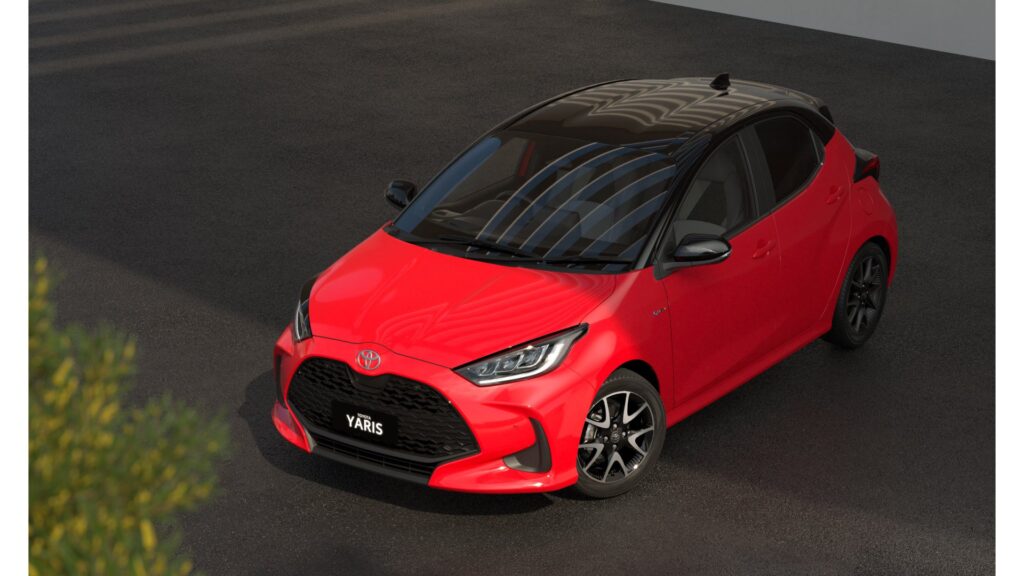
The Toyota Yaris sits just outside the shrinking micro-car segment in Australia, yet it’s one of the most common alternatives buyers consider thanks to its affordability and efficiency. It’s larger and more practical than traditional tiny cars, offering improved safety technology, a more refined interior, and excellent fuel economy. Toyota’s hybrid option further strengthens its appeal, particularly for city drivers looking to minimise fuel costs.
The Yaris is easy to live with, featuring light steering and predictable handling that suits everyday commuting. Its reputation for reliability and strong resale value also makes it a popular choice for both first-time buyers and downsizers. While not the smallest car on this list, the Yaris demonstrates why many shoppers now stretch slightly beyond the micro category to gain added versatility without sacrificing ease of ownership or manageable running costs.
| Specifications | Toyota Yaris |
| Engine | 1.5L Hybrid-petrol |
| Power (Combined) | 85kW |
| Torque (Combined) | 120Nm |
| Transmission | Continuously-variable automatic |
| Fuel Economy (Combined) | 3.3L /100km |
| Dimensions (L x W x H) | 4,180 x 1,765 x 1,580mm |
Suzuki Swift
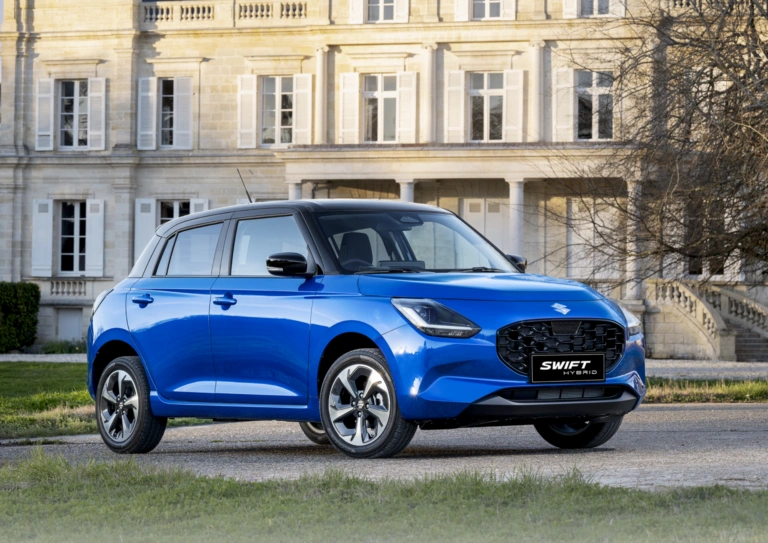
The Suzuki Swift has long blurred the line between micro and light small car, and that’s part of its appeal. Though no longer classed as a micro car under VFACTS, its compact size and sharp pricing keep it firmly in the same shopping conversation. The Swift stands out for its light weight and responsive handling, making it feel more engaging to drive than many rivals. Suzuki’s efficient engines and simple mechanical layout contribute to low running costs, which is a key priority in this segment.
Inside, the Swift is straightforward rather than luxurious, but it offers enough technology to meet modern expectations. For buyers wanting the smallest cars in Australia, it is a fun and affordable choice without stepping into larger small-car territory; the Swift remains a strong contender under $30k mark.
| Specifications | Suzuki Swift |
| Engine | 1.2L Hybrid-petrol |
| Power | 60kW |
| Torque | 109Nm |
| Transmission | 5-speed manual/Continuously-variable automatic |
| Fuel Economy | 3.8-4.0L /100km |
| Dimensions (L x W x H) | 3,860 x 1,735 x 1,520mm |
Mazda 2
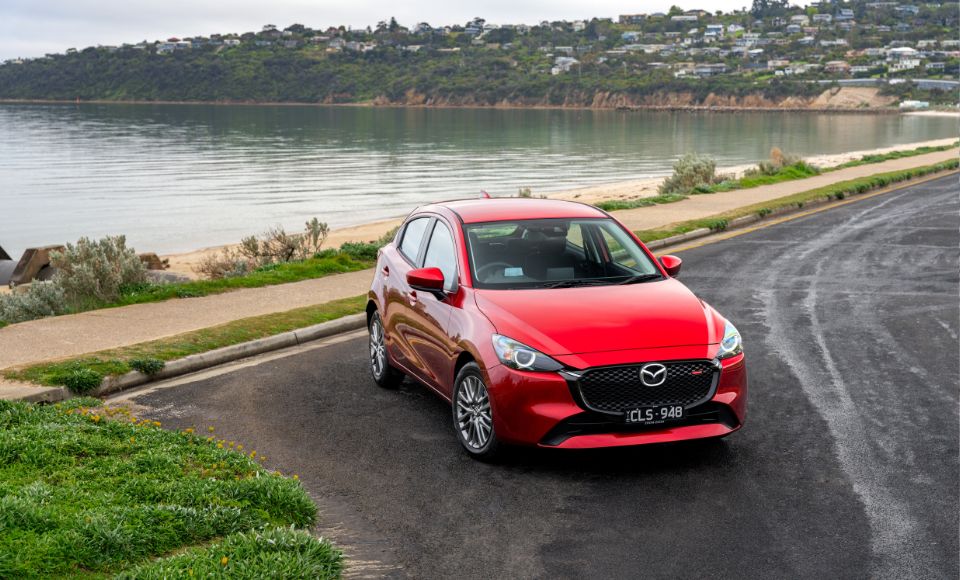
The Mazda 2 is one of the closest alternatives to a true tiny car still available, offering compact dimensions with a more premium feel than many rivals. It’s often chosen by buyers who want a small car in Australia but well-finished, blending Mazda’s design focus with city-friendly proportions. The Mazda 2’s petrol engine is tuned for efficiency rather than outright performance, making it well-suited to urban driving.
Inside, the cabin quality punches above its weight, with intuitive controls and a high-quality interior finish. While rear-seat space is limited, it’s a practical choice for singles or couples. As micro car options in Australia become increasingly rare, the Mazda 2 shows why many Australian buyers now gravitate toward light hatches that deliver similar ease of use, just with a little extra polish and everyday usability.
| Specifications | Mazda 2 |
| Engine | 1.5L Petrol |
| Power | 82kW |
| Torque | 144Nm |
| Transmission | 6-speed manual/ automatic |
| Fuel Economy | 5.0L /100km |
| Dimensions (L x W x H) | 4,085 x 1,695 x 1,495mm |
Mitsubishi Mirage
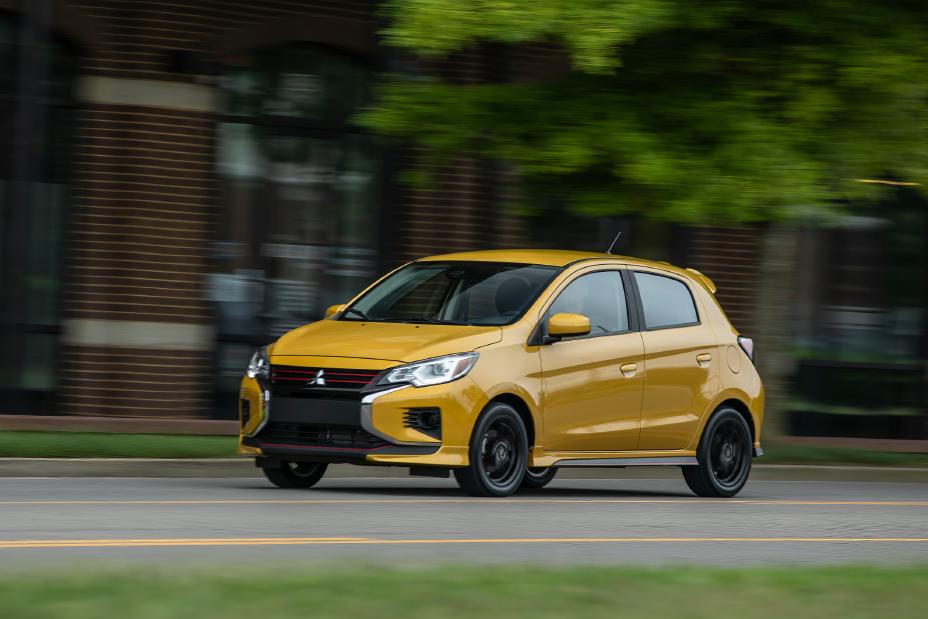
The Mitsubishi Mirage is one of the last true budget-focused small cars still available in the Australian used car market, often compared directly with micro models due to its simplicity and size. It is designed with affordability and efficiency in mind; the Mirage offers low fuel consumption and straightforward mechanics. It’s not particularly powerful, but it’s easy to drive and inexpensive to own, which is exactly what many buyers in this segment want.
The interior is basic, though functional, and prioritises durability over luxury. As the market shifts toward larger and more complex vehicles, the Mirage remains a reminder that simple, lightweight cars still have a place, especially for buyers seeking a no-frills, cost-effective alternative to increasingly scarce micro cars.
| Specifications | Mitsubishi Mirage |
| Engine | 1.2L Petrol |
| Power | 57kW |
| Torque | 100Nm |
| Transmission | 5-speed manual/ Continuously-variable automatic |
| Fuel Economy | 5.0L/100 km |
| Dimensions (L x W x H) | 3,845 x 1,510 x 1,665mm |
Volkswagen Polo
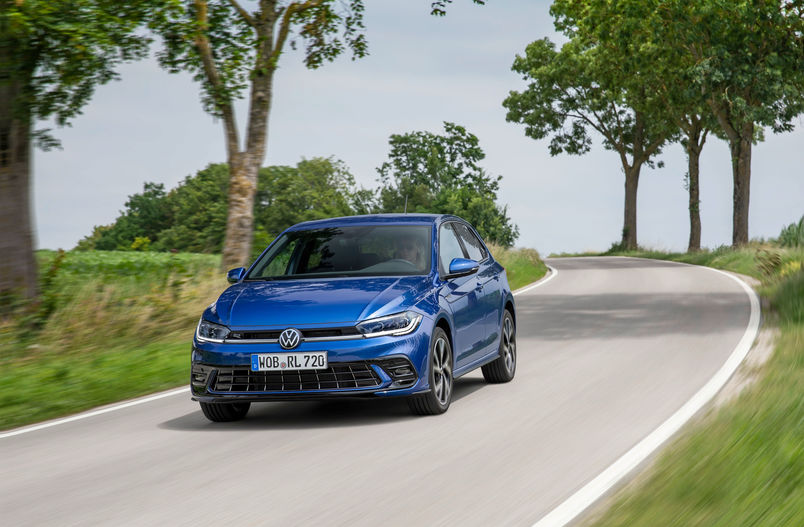
The Volkswagen Polo represents a more refined take on the small-car formula, often cross-shopped by buyers who might otherwise consider a micro car. Although larger than traditional tiny cars, the Polo delivers a balance of compact dimensions and solid European build quality. Its ride comfort and cabin insulation are standouts, giving it a more mature feel than many rivals in this price range.
The Polo’s turbocharged engines offer a good mix of efficiency and usable performance, particularly for highway driving. While ownership costs can be slightly higher than some Asian competitors, many buyers appreciate the Polo’s understated design and confident on-road manners. It suits drivers who want the smallest cars, which are easy to park, but with a more substantial, grown-up feel than the few remaining micro cars in Australia.
| Specifications | Volkswagen Polo |
| Engine | 1.0L Turbo-petrol |
| Power (Combined) | 85kW |
| Torque | 200Nm |
| Transmission | 7-speed dual-clutch automatic |
| Fuel Economy (Combined) | 5.0-5.4L/100km |
| Dimensions (L x W x H) | 4080 x 1751 x 1450mm |
MG 3
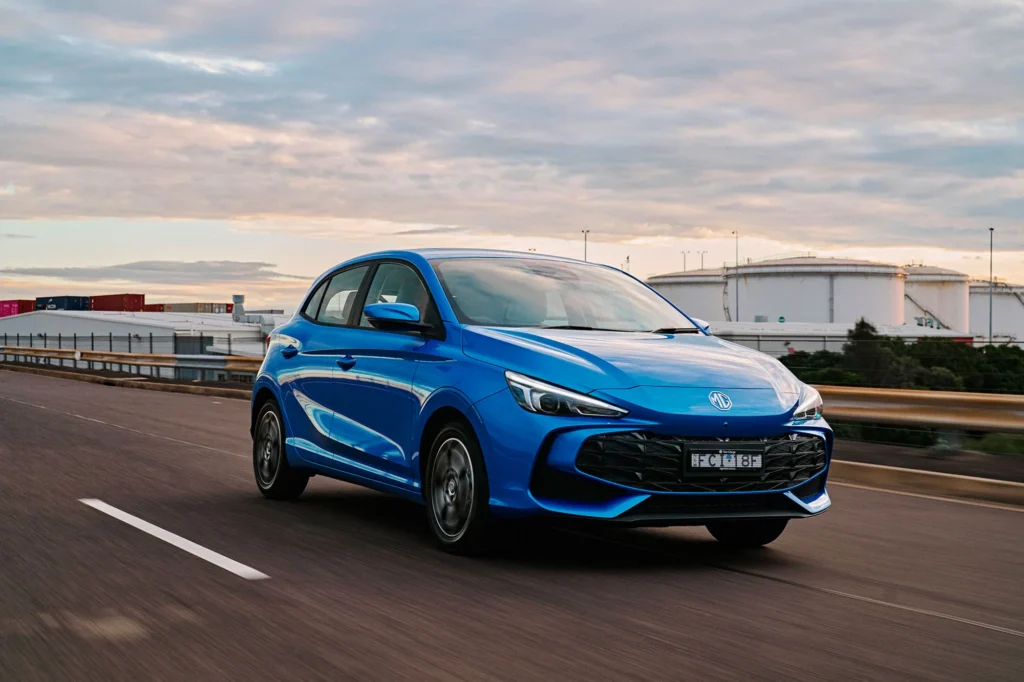
The MG 3 has quickly become one of Australia’s best-known small cars in Australia, filling the gap left by the shrinking micro car segment in Australia. Priced aggressively under $30k, it attracts buyers who prioritise value, warranty coverage, and modern features. The latest MG 3 features a refreshed design, updated infotainment system, and enhanced safety technology compared to earlier versions. While it’s no longer micro-sized by official standards, its compact footprint keeps it practical for city use.
The MG brand’s long warranty helps offset concerns for budget-conscious buyers, though driving dynamics and refinement are not its strongest points. For shoppers seeking a compact, affordable hatchback with numerous inclusions, the MG 3 stands out as a popular alternative to traditional microcars.
| Specifications | MG 3 |
| Engine | 1.5L Petrol/ 1.5L Hybrid-petrol |
| Power (Combined) | 81 / 155kW |
| Torque (Combined) | 142 / 425 Nm |
| Transmission | Continuously-variable automatic/ 3-speed automatic |
| Fuel Economy (Combined) | 4.3-6.0L/100km |
| Dimensions (L x W x H) | 4113 x 1797 x 1502mm |
BYD Atto 1
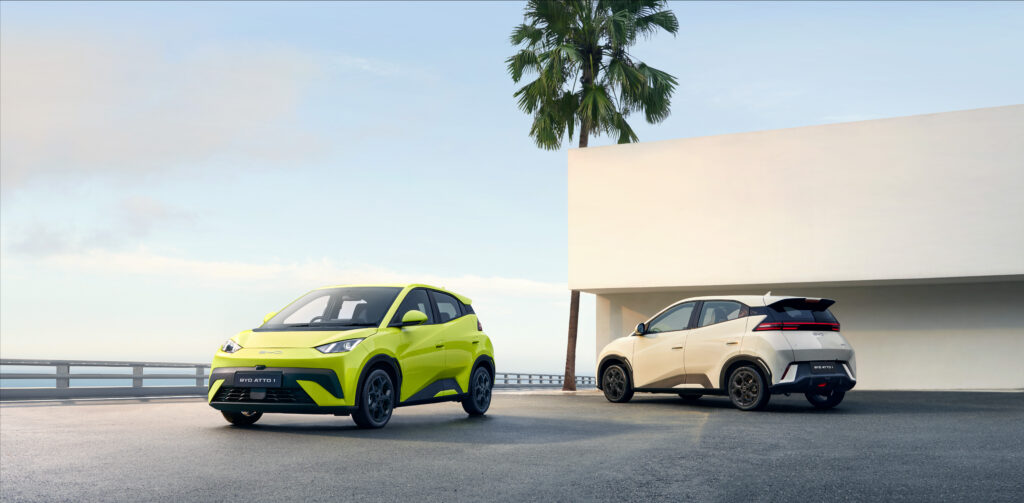
The BYD Atto 1 represents the most accessible entry point yet into electric motoring for Australian buyers, sitting at the very bottom of BYD’s local line-up. While it stretches beyond the traditional micro-car definition, its compact size and sharp pricing place it firmly in the same consideration set as city-focused light hatches. Its electric drivetrain delivers quiet, smooth acceleration that suits stop-start traffic.
Inside, the cabin follows BYD’s tech-forward approach with a central touchscreen and modern connectivity features. As petrol micro cars in Australia continue to disappear from the market, the Atto 1 highlights how electric vehicles are beginning to fill that space, offering a simple, affordable alternative for city drivers.
| Specifications | BYD Atto 1 |
| Battery Capacity | 30/43.2kWh |
| Power | 65-115kW |
| Torque | 180-310Nm |
| Transmission | Single-speed automatic |
| Electric Range (WLTP) | 220-322km |
| Dimensions (L x W x H) | 3,990 x 1,720 x 1,590mm |
Abarth 695
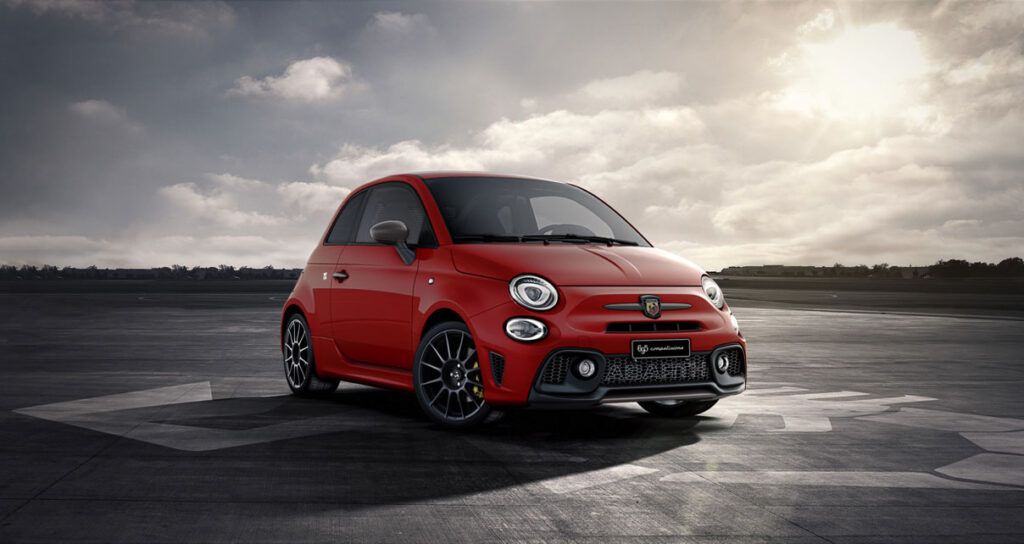
The Abarth 695 takes the small-car concept in a completely different direction, prioritising performance and personality over practicality. Based on the Fiat 500 platform, it’s compact enough to appeal to micro-car shoppers in Australia, but its intent is far more focused. The turbocharged engine delivers lively performance, while the sporty exhaust note and aggressive styling set it apart from typical city cars.
Inside, the cabin reflects its enthusiastic nature, with firm seats and bold design elements. It’s not the most comfortable option for daily commuting, nor is it the cheapest, but that’s not the point. The Abarth 695 is for buyers who want something small, distinctive, and fun, proving that even cars at the lower end of the size scale can deliver a memorable driving experience.
| Specifications | Abarth 695 |
| Engine | 1.4L Turbo-petrol |
| Power | 132kW |
| Torque | 250Nm |
| Transmission | 5-speed manual/ automatic |
| Fuel Economy | 6.7-6.9L/100 km |
| Dimensions (L x W x H) | 3,657 x 1,627 x 1,485mm |
Final thoughts on the best micro cars in Australia
The modern “micro car” may be harder to define than it once was, but its purpose remains clear. Whether it’s squeezing into tight city streets, keeping fuel and servicing costs low, or offering an unintimidating entry point into car ownership, small cars still play an important role in Australia’s market.
What’s changed is the variety. Today’s buyers can choose between traditional petrol hatches, value-driven newcomers, and an increasing number of compact electric alternatives that suit short commutes and urban lifestyles. Some prioritise personality, others focus on price or technology, but all deliver the core benefits that once defined the micro segment in Australia.
As the market continues to evolve, these cars show that small doesn’t mean compromised. Instead, they prove that thoughtful design, efficiency and accessibility still matter even as Australia’s roads fill with ever-larger vehicles.

Comments
New Comment