




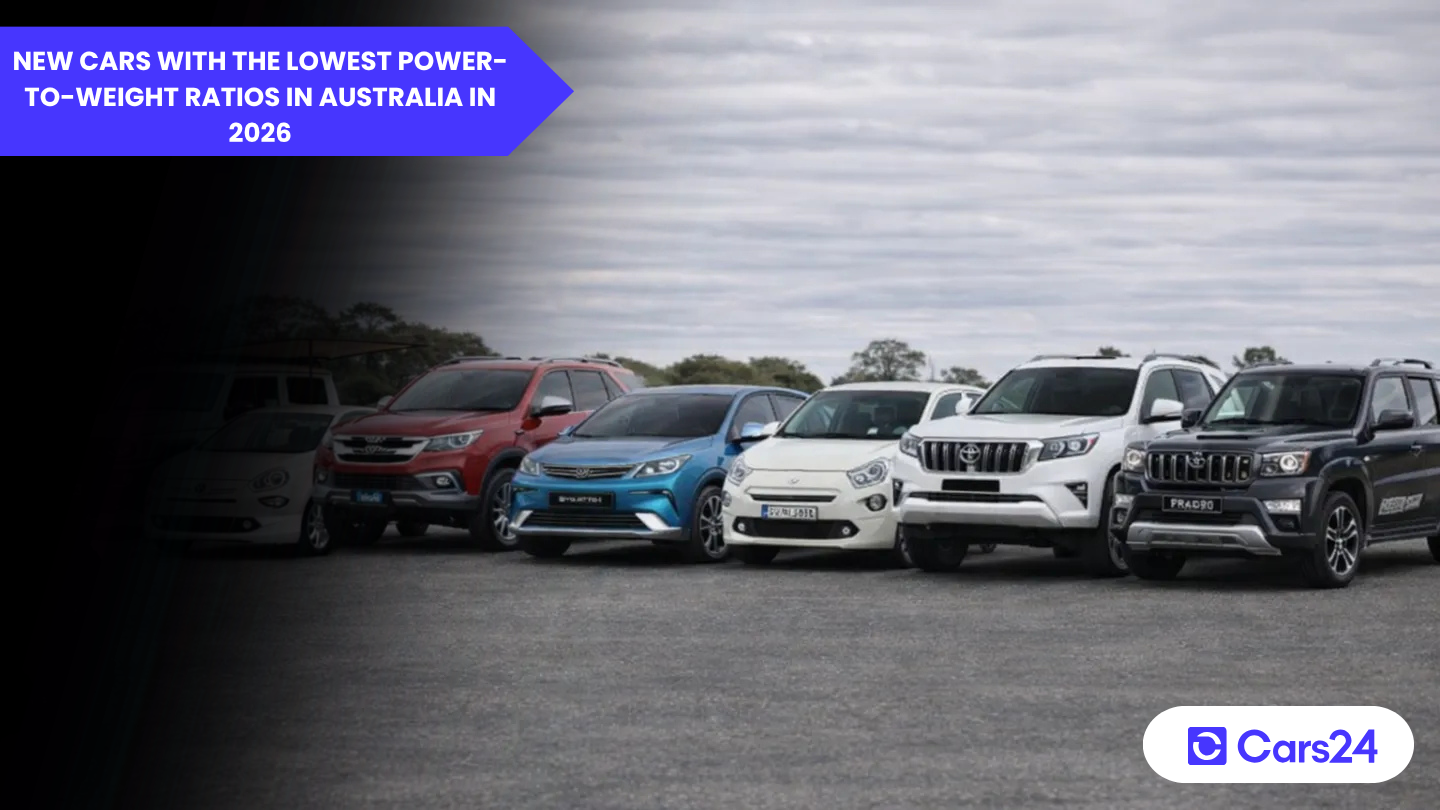
Power-to-weight ratio is one of the clearest indicators of how a car will feel on the road. Measured in kilowatts per tonne (kW/t), it directly reflects how much performance is available relative to a vehicle’s mass. In simple terms, the lower the number, the more modest the performance.
In 2026, a surprising mix of vehicles sits at the lower end of the spectrum. From compact city EVs and microcars to heavy-duty SUVs and ladder-frame off-roaders, these models prioritise affordability, efficiency, durability, or capability over acceleration.
Importantly, a low power-to-weight ratio isn’t necessarily a drawback. Many of these vehicles are designed for urban commuting, long-distance touring, or off-road work, where reliability, efficiency, and torque delivery matter more than outright speed.
Here are the new cars with the lowest power-to-weight ratios in Australia in 2026, and what makes them stand out.
| Model | Power-to-weight ratio(kiloWatts per tonne) |
| BYD Dolphin | 46.5kW/t |
| BYD Atto 1 | 50.2kW/t |
| Hyundai Inster | 51.6kW/t |
| Fiat 500 | 55.4kW/t |
| Isuzu MU-X | 58.5kW/t |
| Toyota LandCruiser Prado | 59.5kW/t |
| GWM Tank 300 | 60.7kW/t |
| Mahindra Scorpio | 61.4kW/t |
| Kia Picanto | 62.4kW/t |
| Suzuki Jimny | 63.2kW/t |
BYD Dolphin – 46.5kW/t
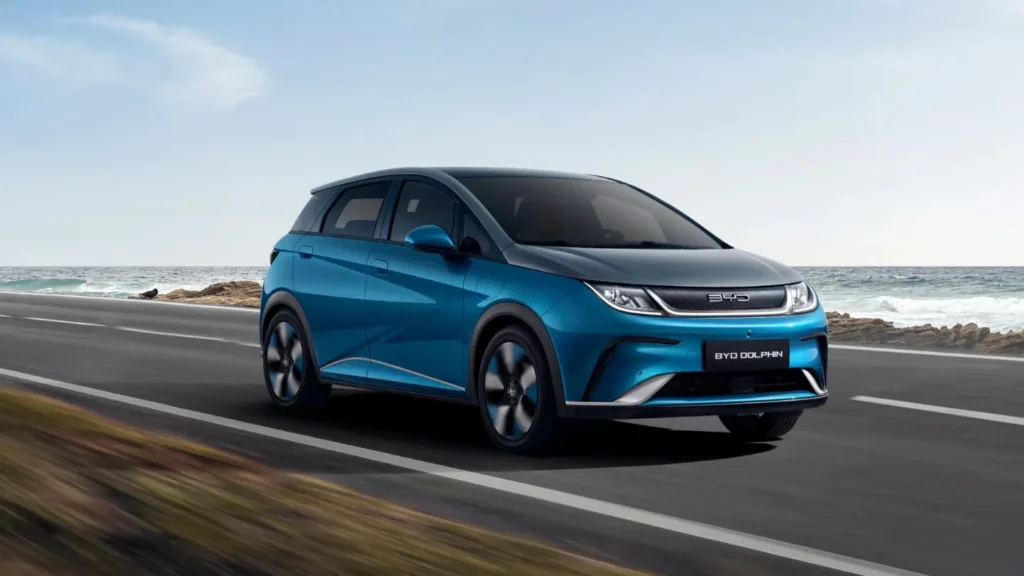
The BYD Dolphin Essential sits at the very bottom of this list, reflecting its role as an affordable, entry-level electric hatchback focused on efficiency rather than performance. With a modest electric motor and relatively light footprint, it delivers adequate urban acceleration but quickly runs out of urgency at higher speeds.
From a driver’s perspective, the BYD Dolphin feels suited to city commuting. Stop-start traffic, short trips, and low running costs are its natural environment. The low power-to-weight ratio is offset by the instant torque delivery typical of EVs, which helps it feel more responsive than the numbers suggest.
It’s a car designed for cost-conscious buyers entering the EV space, where efficiency, ease of use, and practicality take priority over dynamic excitement.
| Specifications | BYD Dolphin |
| Kerb weight | 1,506kg |
| Battery | 44.9kWh (LFP) |
| Power | 70kW |
| Torque | 180Nm |
| Drivetrain | Front-wheel drive |
| Range (WLTP) | 340km |
| Acceleration(0-100km/h) | 12.3 seconds |
BYD Atto 1 – 50.2kW/t
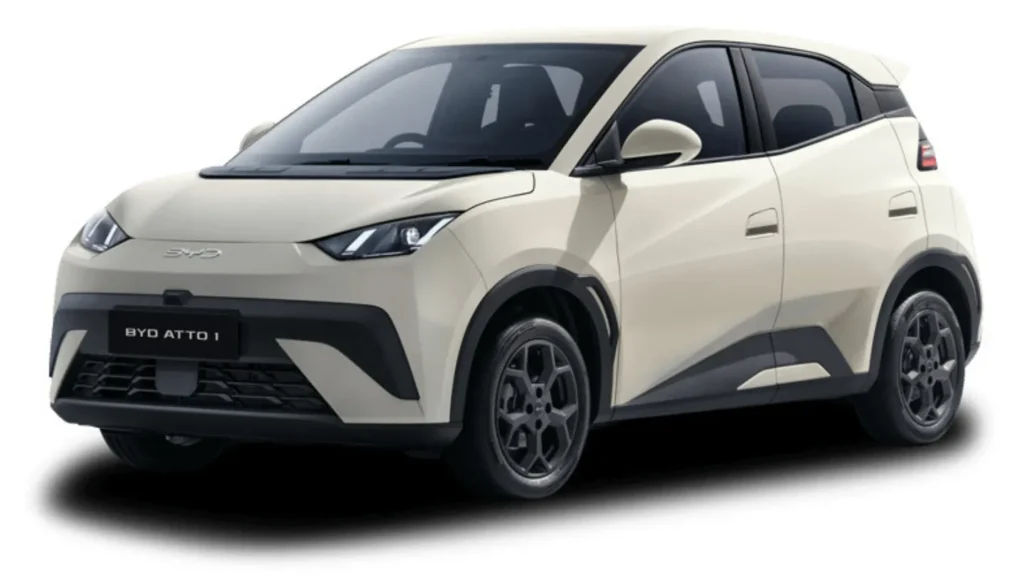
The BYD Atto 1 continues the brand’s focus on accessible electrification, offering a slightly higher power-to-weight ratio than the Dolphin but still firmly positioned as a low-performance urban crossover. Its added size and weight mean performance remains modest, particularly when fully loaded.
On the road, the BYD Atto 1 prioritises smoothness and predictability. Acceleration is gentle, making it well-suited to new drivers or those who value a relaxed driving experience. Like many EVs, it compensates with linear power delivery and quiet operation.
For buyers, the appeal lies in its practicality and elevated driving position rather than outright pace. It’s a sensible choice for daily commuting and family errands, where refinement and efficiency matter more than speed.
| Specifications | BYD Atto 1 |
| Kerb weight | 1,300kg |
| Battery | 30kWh |
| Power | 65kW |
| Torque | 175Nm |
| Drivetrain | Front-wheel drive |
| Range (WLTP) | 220km |
| Acceleration(0-100km/h) | 11.0 seconds |
Hyundai Inster – 51.6kW/t
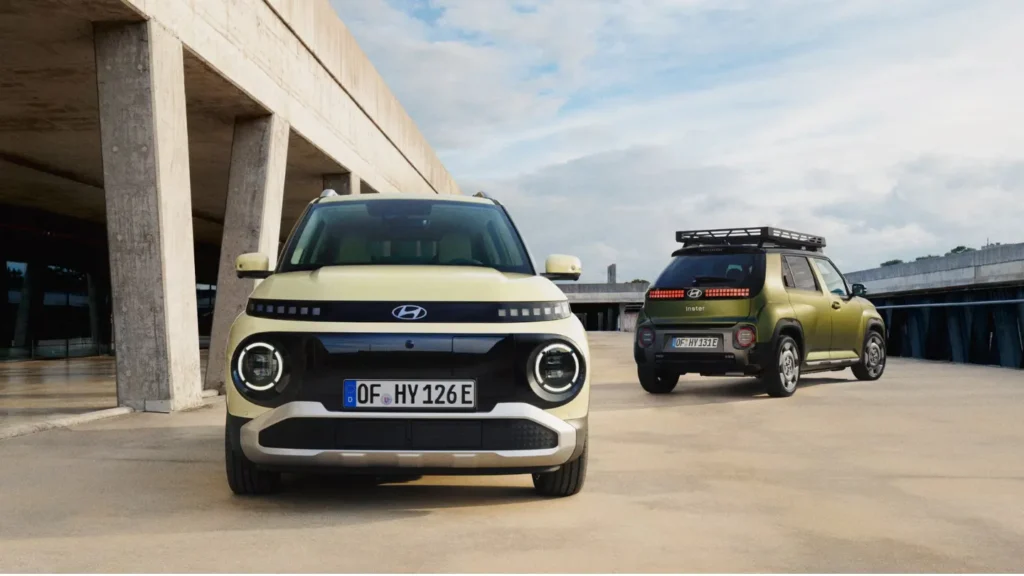
The Hyundai Inster is a compact electric SUV that embraces efficiency-first engineering, reflected in its low power-to-weight ratio. While it won’t deliver brisk acceleration, it offers a well-rounded package tailored to urban environments.
Behind the wheel, the Inster feels light and easy to manoeuvre, with smooth throttle response and predictable performance. It’s not designed for enthusiastic driving, but it excels in tight streets and congested traffic conditions where agility matters more than power.
The low ratio also contributes to improved energy efficiency, helping maximise driving range, a key consideration for EV buyers. For those seeking a practical, compact electric SUV for daily use, the Hyundai Inster strikes a sensible balance between usability and cost.
| Specifications | Hyundai Inster |
| Kerb weight | 1,375kg |
| Battery | 42kWh |
| Power | 71kW |
| Torque | 147Nm |
| Drivetrain | Front-wheel drive |
| Range (WLTP) | 350km |
| Acceleration(0-100km/h) | 11.7seconds |
Fiat 500 – 55.4kW/t
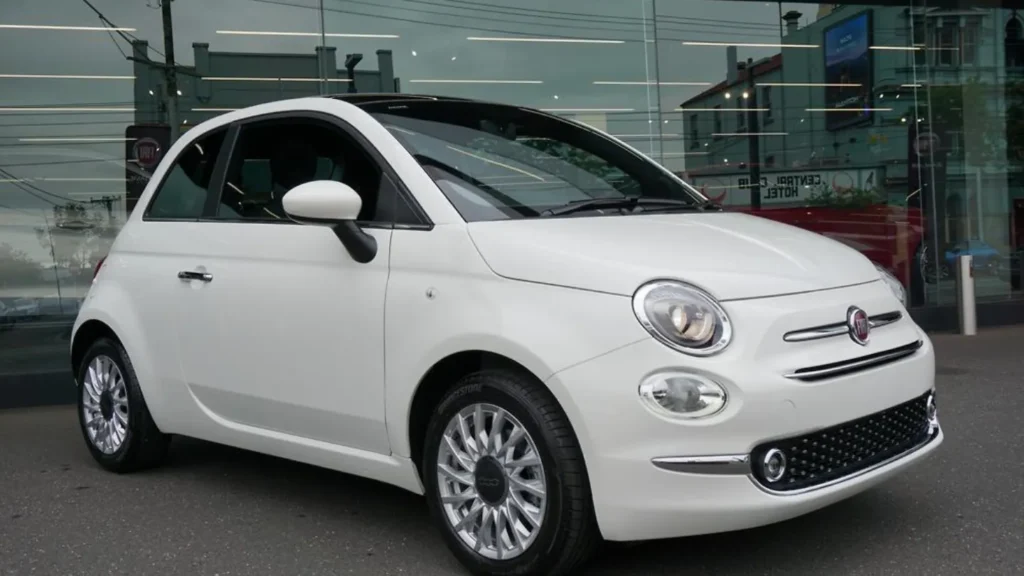
The Fiat 500 remains one of the most characterful small cars on the market, and its low power-to-weight ratio reflects its city-focused nature. Whether in petrol or electric form, performance is modest, but that’s not the point of this iconic hatchback.
In real-world driving, the Fiat 500 feels lively enough at low speeds, thanks to its compact dimensions and light controls. It thrives in urban environments, where its small footprint and tight turning circle make it exceptionally easy to live with.
For buyers, the appeal lies in style, charm, and ease of use rather than outright capability. The low power-to-weight ratio reinforces its role as a fashionable, practical runabout built for short trips and city life.
| Specifications | Fiat 500 |
| Kerb weight | 920kg |
| Battery | 24kWh |
| Power | 51kW |
| Torque | 220Nm |
| Drivetrain | Front-wheel drive |
| Range (WLTP) | 190km |
| Acceleration(0-100km/h) | 9.5 seconds |
Isuzu MU-X – 58.5kW/t
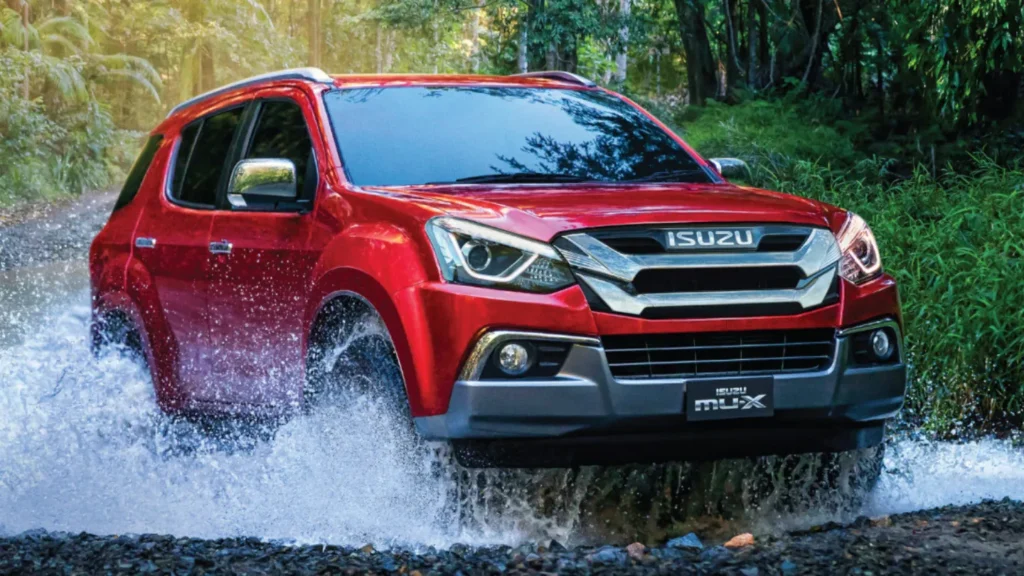
The Isuzu MU-X highlights how low power-to-weight ratios aren’t limited to small cars. As a large, ladder-frame SUV, its substantial mass naturally brings down its performance figures despite a capable turbo-diesel engine.
On the road, the Isuzu MU-X prioritises torque and durability over acceleration. It feels steady rather than quick, particularly when overtaking or merging at highway speeds. However, its strength lies in towing capability and long-distance touring.
From a practical standpoint, this is a vehicle designed for Australian conditions. Load it up with passengers, gear, or a trailer, and its relaxed performance makes sense. It’s built to work hard, not to sprint.
| Specifications | Isuzu MU-X |
| Kerb weight | 2,050kg |
| Engine | 2.2L turbo-diesel |
| Power | 120kW |
| Torque | 400Nm |
| Drivetrain | 4×2/4×4 |
| Transmission | 6-speed automatic |
| Acceleration(0-100km/h) | 12 seconds |
Toyota LandCruiser Prado – 59.5kW/t
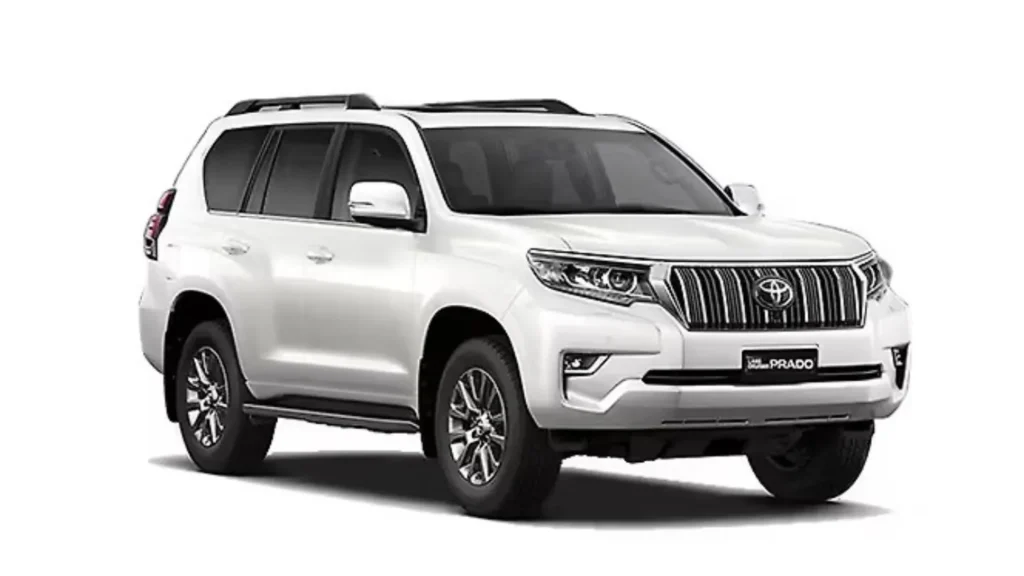
The Toyota LandCruiser Prado is another example of a heavy-duty SUV where low power-to-weight figures reflect purpose rather than limitation. Built for off-road capability and long-distance durability, outright performance is secondary.
Behind the wheel, the Toyota LandCruiser Prado delivers a composed, unhurried driving experience. Acceleration is gradual, but the engine’s torque is well-suited to towing and tackling challenging terrain. It’s a vehicle that rewards patience rather than aggressive inputs.
For buyers, the appeal lies in its reputation for reliability and go-anywhere capability. The low ratio is simply a by-product of its robust construction and off-road hardware, making it ideal for touring and remote-area travel.
| Specifications | Toyota LandCruiser Prado |
| Kerb weight | 2,500kg |
| Engine | 2.8L turbo-diesel |
| Power | 150kW |
| Torque | 500Nm |
| Drivetrain | 4×4 |
| Transmission | 8-speed automatic |
| Acceleration(0-100km/h) | 10.6 seconds |
GWM Tank 300 – 60.7kW/t
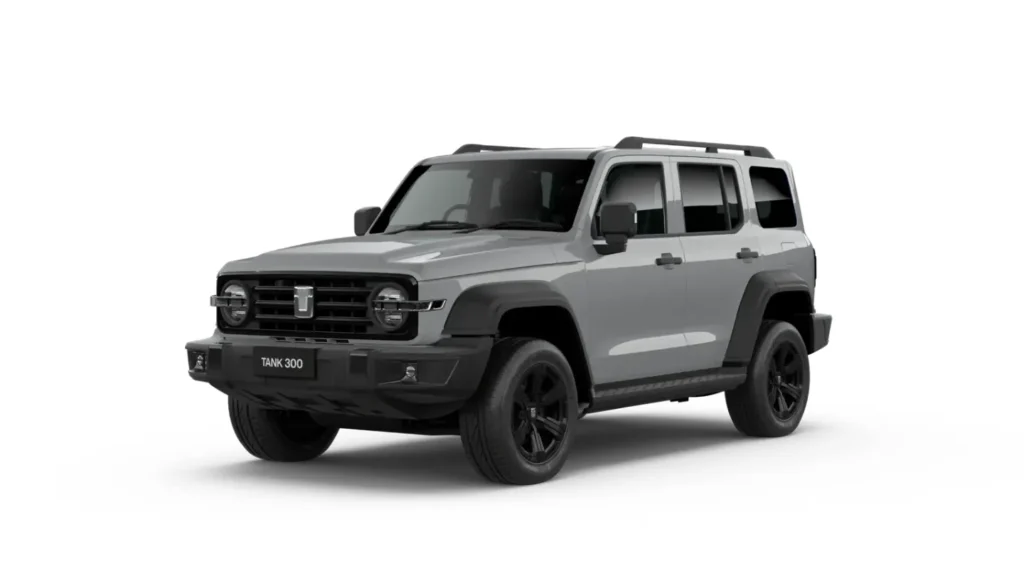
The GWM Tank 300 Diesel combines retro-inspired styling with serious off-road credentials, and its low power-to-weight ratio reflects its rugged underpinnings. With a heavy body and diesel engine, performance is adequate rather than energetic.
On the road, the GWM Tank 300 feels solid and planted, though acceleration is leisurely. Off-road, however, the focus shifts entirely to torque delivery and control, where the vehicle excels.
For enthusiasts, this is a lifestyle SUV built for adventure rather than speed. The low power-to-weight ratio is a trade-off for durability, off-road hardware, and a robust chassis, making it well-suited to buyers who prioritise capability over performance.
| Specifications | GWM Tank 300 |
| Kerb weight | 2,200kg |
| Engine | 2.4L turbo-diesel |
| Power | 135kW |
| Torque | 480Nm |
| Drivetrain | 4×4 |
| Transmission | 9-speed automatic |
| Acceleration(0-100km/h) | 11.32 seconds |
Mahindra Scorpio – 61.4kW/t
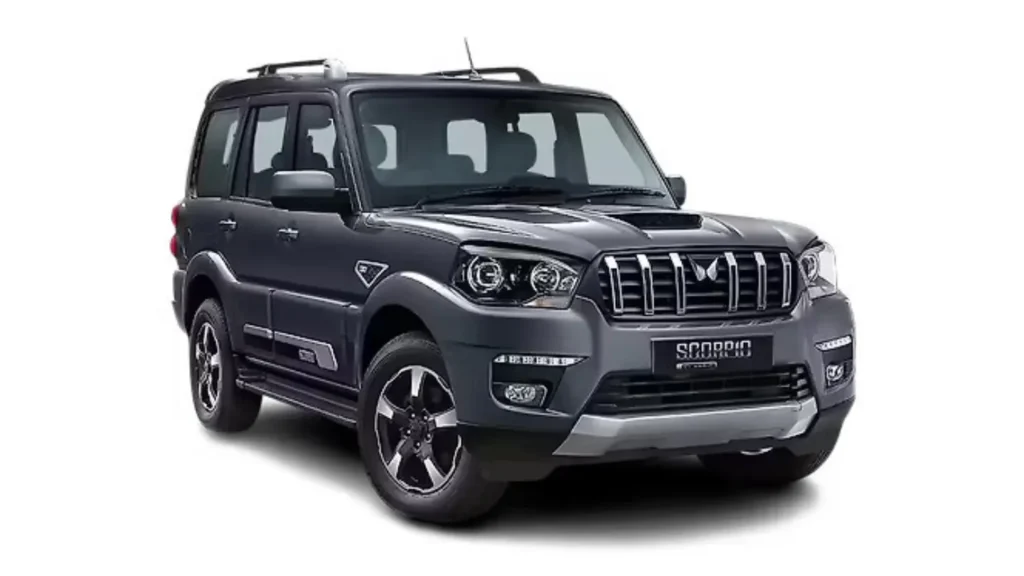
The Mahindra Scorpio continues the theme of rugged, body-on-frame SUVs with modest performance figures. Its low power-to-weight ratio reflects its utilitarian design and focus on durability in challenging conditions.
Driving the Mahindra Scorpio is a reminder that not all SUVs are built for refinement or speed. Acceleration is steady, and the vehicle feels most at home when driven at a relaxed pace. Its strengths lie in robustness and simplicity.
For buyers, the Mahindra Scorpio offers a no-nonsense approach to motoring. It’s designed to handle rough roads and heavy loads, where reliability matters more than responsiveness. The low ratio is simply part of its workhorse character.
| Specifications | Mahindra Scorpio |
| Kerb weight | 2,100kg |
| Engine | 2.2L turbo-diesel |
| Power | 129kW |
| Torque | 400Nm |
| Drivetrain | Rear-wheel drive/4×4 |
| Transmission | 6-speed automatic |
| Acceleration(0-100km/h) | 14 seconds |
Kia Picanto – 62.4kW/t
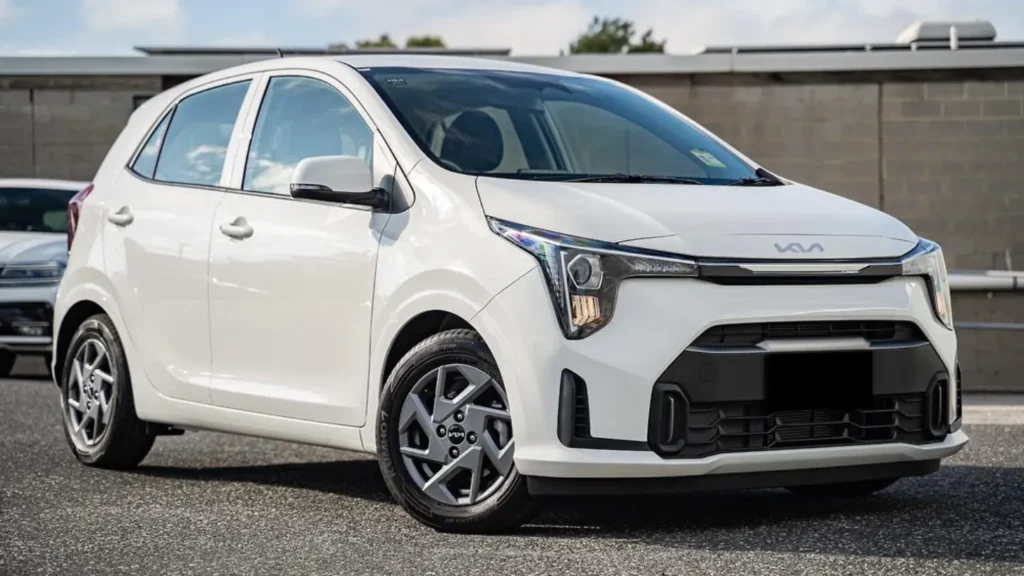
The Kia Picanto auto is one of the smallest and most affordable cars in Australia, and its low power-to-weight ratio reflects its modest engine output. Performance is limited, particularly with the automatic transmission, but it aligns with the car’s intended use.
In urban driving, the Kia Picanto feels nimble and easy to handle, even if acceleration is slow. It’s best suited to short commutes and city errands, where its compact size is a major advantage.
For budget-conscious buyers, the Kia Picanto delivers low running costs and simplicity. The low power-to-weight ratio is a compromise, but one that makes sense given its affordability and city-focused design.
| Specifications | Kia Picanto |
| Kerb weight | 1,000kg |
| Engine | 1.2L petrol |
| Power | 62kW |
| Torque | 122Nm |
| Drivetrain | Front-wheel drive |
| Transmission | 4-speed automatic |
| Acceleration(0-100km/h) | 18.2 seconds |
Suzuki Jimny – 63.2kW/t
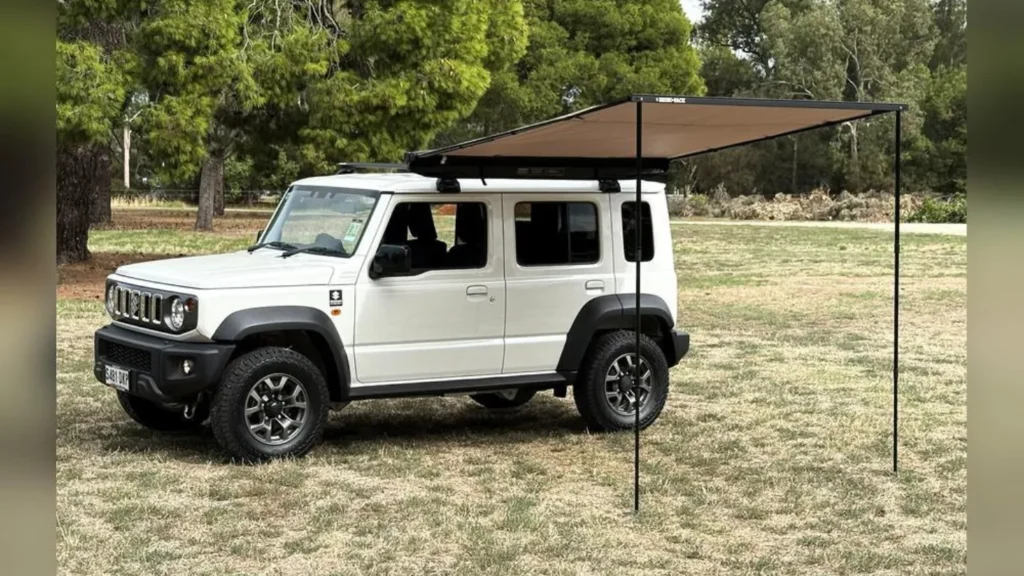
The Suzuki Jimny XL auto rounds out this list with the highest (yet still low) power-to-weight ratio here. Despite its boxy shape and small engine, the added weight of the XL body further tempers performance.
On-road, the Suzuki Jimny feels slow and requires patience, particularly on highways. However, its true strengths lie off-road, where its light weight, compact dimensions, and four-wheel-drive system shine.
From a buyer’s perspective, the Suzuki Jimny isn’t about speed, it’s about character and capability. The low power-to-weight ratio is a reflection of its utilitarian design and focus on off-road fun rather than everyday performance.
| Specifications | Suzuki Jimny |
| Kerb weight | 1,195kg |
| Engine | 1.5L petrol |
| Power | 75kW |
| Torque | 130Nm |
| Drivetrain | 4×4 |
| Transmission | 4-speed automatic |
| Acceleration(0-100km/h) | 12 seconds |
Why does power-to-weight ratio matter in 2026?
As vehicles become heavier due to electrification, stricter safety standards, and the integration of advanced technology, power-to-weight ratio is becoming increasingly relevant. It influences not just straight-line acceleration, but also how confidently a car can overtake, merge onto highways, or maintain speed under load. In everyday driving, a stronger ratio typically translates to a more effortless and responsive feel behind the wheel.
It also plays a key role in efficiency and refinement. Vehicles with lower power-to-weight ratios often need to work harder under acceleration, which can impact fuel consumption or energy use, particularly when carrying passengers or cargo. In towing scenarios, the ratio becomes even more critical, as heavier loads can further strain performance and drivability.
However, context is key. A low ratio isn’t inherently negative, it often reflects a vehicle’s intended purpose. City cars, EVs, and heavy-duty SUVs all prioritise different attributes, from efficiency and affordability to torque delivery and durability. In many cases, especially with electric vehicles, instant torque can mask a low power-to-weight figure in urban conditions.
Ultimately, the power-to-weight ratio should be viewed as a guide rather than a definitive measure. The best choice depends on how and where the vehicle will be used, whether that’s urban commuting, long-distance touring, or off-road capability.
Final thoughts
The lowest power-to-weight cars in Australia for 2026 highlight the diversity of the modern market. Models like the BYD Dolphin Essential and Hyundai Inster focus on efficiency and affordability, while vehicles such as the Toyota LandCruiser Prado and Isuzu MU-X prioritise durability and capability.
Rather than chasing performance figures, these cars are designed with specific use cases in mind. Whether it’s urban commuting, off-road exploration, or cost-effective motoring, they deliver where it matters most.
If outright speed isn’t a priority, these vehicles prove that there’s more to a good car than just performance.

Comments
New Comment