




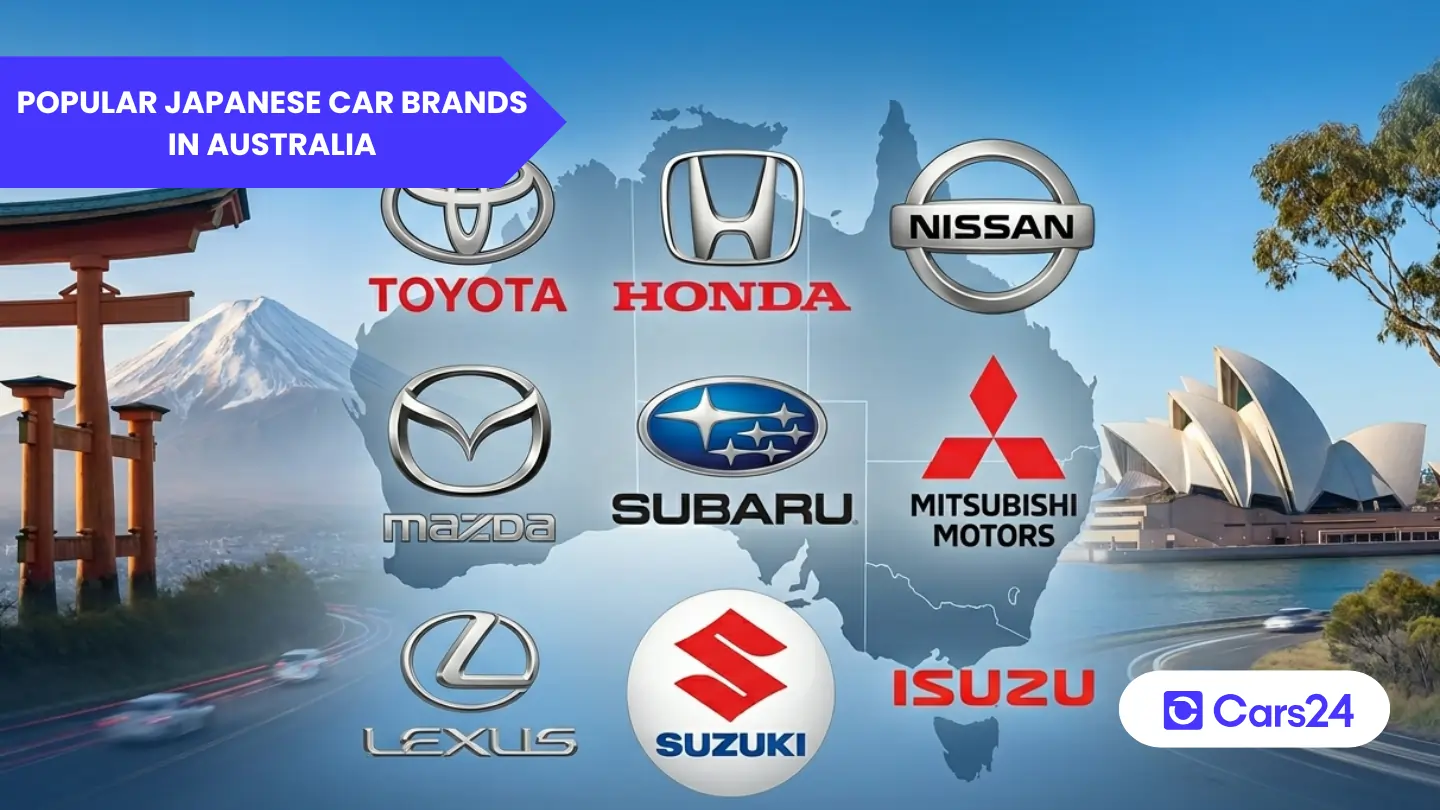
Japanese car brands have played a defining role in shaping Australia’s automotive market for decades. From reliable city hatchbacks and family SUVs to rugged utes, hybrids, and performance-focused models, Japanese manufacturers continue to dominate multiple segments thanks to their reputation for durability, practicality, and strong resale value.
One of the biggest strengths of Japanese brands in Australia is the sheer diversity of their line-ups. Whether buyers are looking for an affordable first car, a capable off-roader, a fuel-efficient hybrid, or a premium luxury SUV, Japanese manufacturers offer products that cater to almost every type of customer. Their long-standing dealer networks, proven reliability records, and widespread parts availability also continue to make ownership straightforward for Australian buyers.
Many of Australia’s best-selling vehicles now come from Japanese manufacturers. Let’s take a closer look at their current model ranges, strengths, and market appeal in Australia.
Toyota
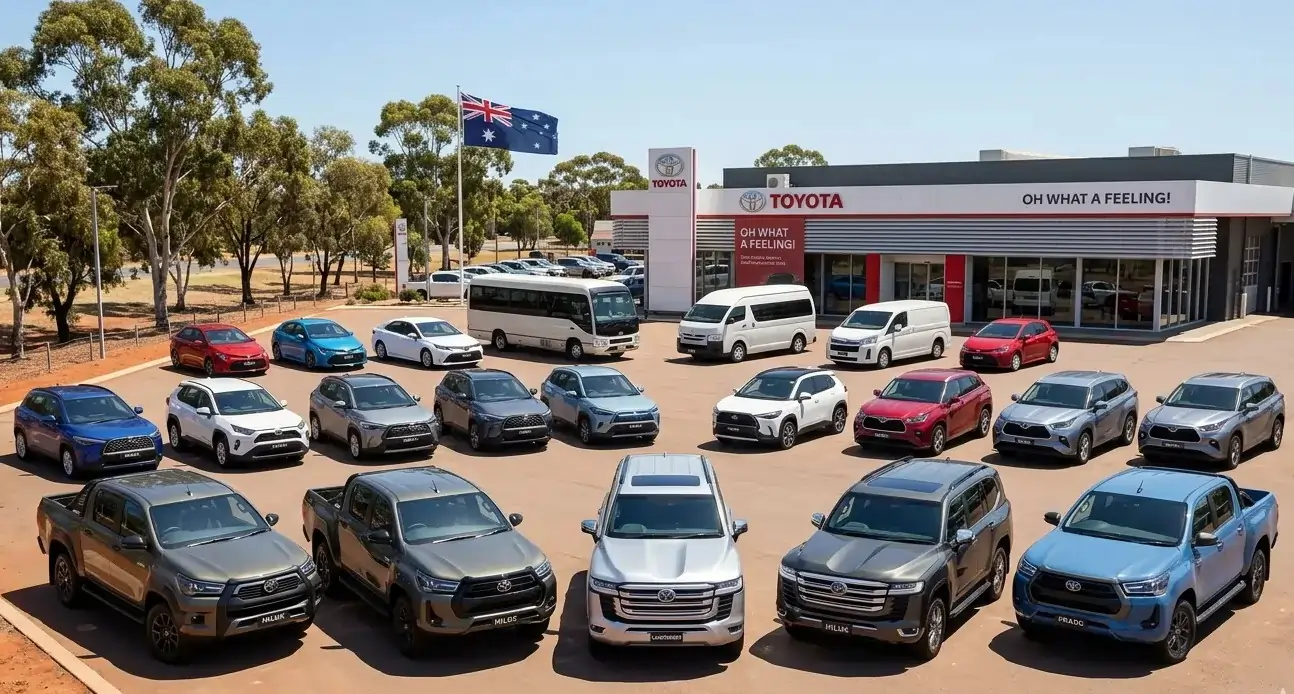


Toyota remains Australia’s most dominant automotive brand. It accounted for 239,863 vehicle sales in Australia in 2025, according to the FCAI Market Report. The brand has consistently led national sales charts thanks to its unmatched reputation for reliability, resale value, and broad model line-up. Toyota vehicles appeal to an enormous range of buyers, from city commuters and growing families to tradies, fleet operators, and off-road enthusiasts.
Its SUV portfolio is one of the strongest in the market, led by the RAV4, Corolla Cross, Kluger, Prado, and LandCruiser families. Toyota also continues to dominate Australia’s hybrid market, with electrified versions of key models helping buyers reduce fuel costs without sacrificing practicality. On the commercial side, the Hilux remains one of Australia’s top-selling utes, while the HiAce continues to be a favourite among businesses. Their reputation for long-term durability also makes them highly desirable in Australia’s used-car market.
Toyota’s extensive dealer network, proven long-term durability, and strong aftersales support remain major reasons why it continues to attract such a broad customer base across Australia.
| Segment | Model Name |
| Hatchback & Sedan Range | Toyota Corolla |
| Toyota Camry | |
| Toyota Yaris | |
| SUV & Hybrid Range | Toyota Yaris Cross |
| Toyota Corolla Cross | |
| Toyota C-HR | |
| Toyota RAV4 | |
| Toyota Kluger | |
| Toyota Prado | |
| Toyota LandCruiser 300 | |
| Electric Range | Toyota bZ4X |
| Toyota bZ4X Touring | |
| Ute & Vans Range | Toyota LandCruiser 70 |
| Toyota Tundra | |
| Toyota Hilux | |
| Toyota HiAce | |
| Toyota Coaster | |
| Sports Range | Toyota GR Corolla |
Model range current as of 2026. Availability may vary by state.
Honda
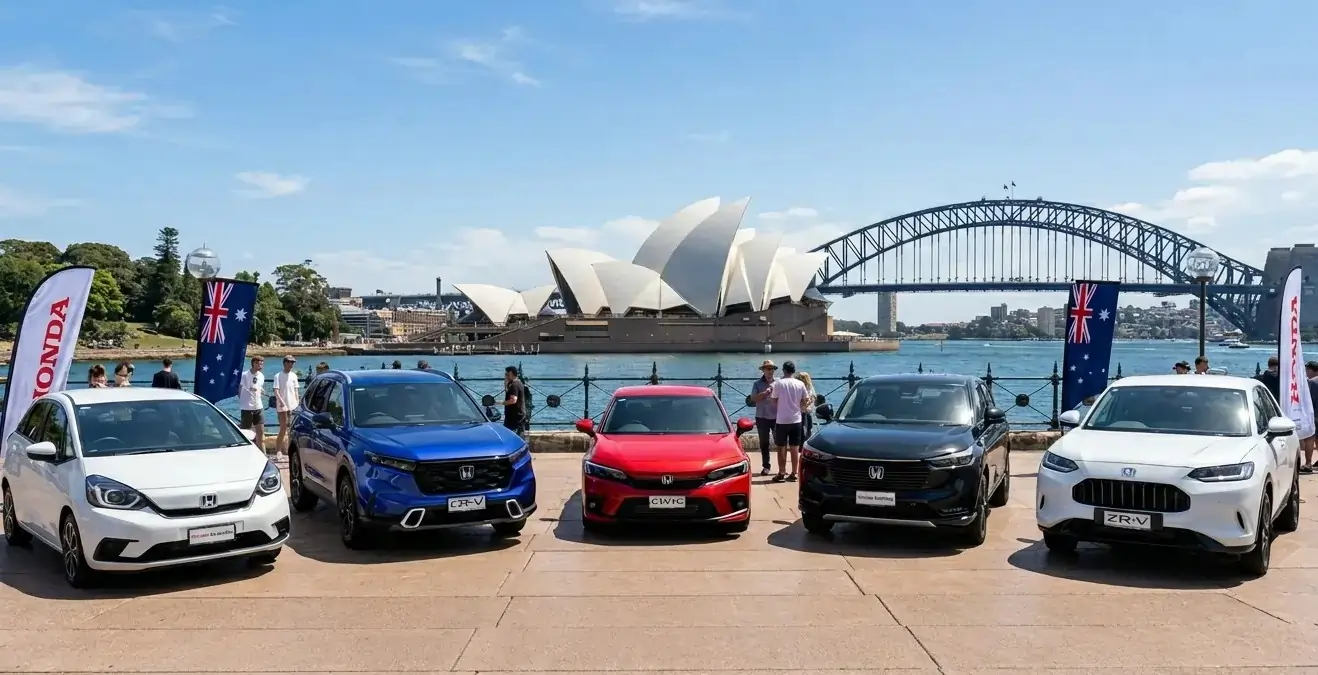
Honda has built a loyal following in Australia by focusing on practicality, efficiency, and user-friendly engineering. While its local range is now smaller than some rivals, the brand continues to appeal to buyers looking for dependable vehicles with solid build quality and low running costs.
The CR-V remains Honda’s best-known SUV locally, offering family-friendly practicality, comfortable road manners, and increasingly efficient hybrid technology. Smaller models like the HR-V and Civic continue to attract urban buyers seeking refined everyday transport with strong fuel economy. Honda has also placed a growing emphasis on hybrid powertrains, reflecting shifting consumer demand towards more fuel-efficient vehicles.
One of Honda’s standout strengths is its reputation for mechanical reliability and ease of ownership. Buyers also tend to appreciate the brand’s high-quality interiors, refined driving experience, and strong safety technology. Although the line-up is more streamlined than before, Honda continues to maintain a strong reputation among Australian buyers seeking dependable and efficient daily transport.
| Segment | Model Name |
| Hatchback & Sedan Range | Honda Civic |
| Honda Accord | |
| SUV Range | Honda HR-V |
| Honda ZR-V | |
| Honda CR-V | |
| Hybrid Range | Honda Civic e:HEV |
| Honda Accord e:HEV | |
| Honda HR-V e:HEV | |
| Honda ZR-V e:HEV | |
| Honda CR-V e:HEV | |
| Coupe Range | Honda Prelude |
| Sports Range | Honda Civic Type R |
Model range current as of 2026. Availability may vary by state.
Read more: Toyota Australia SUV lineup explained
Nissan
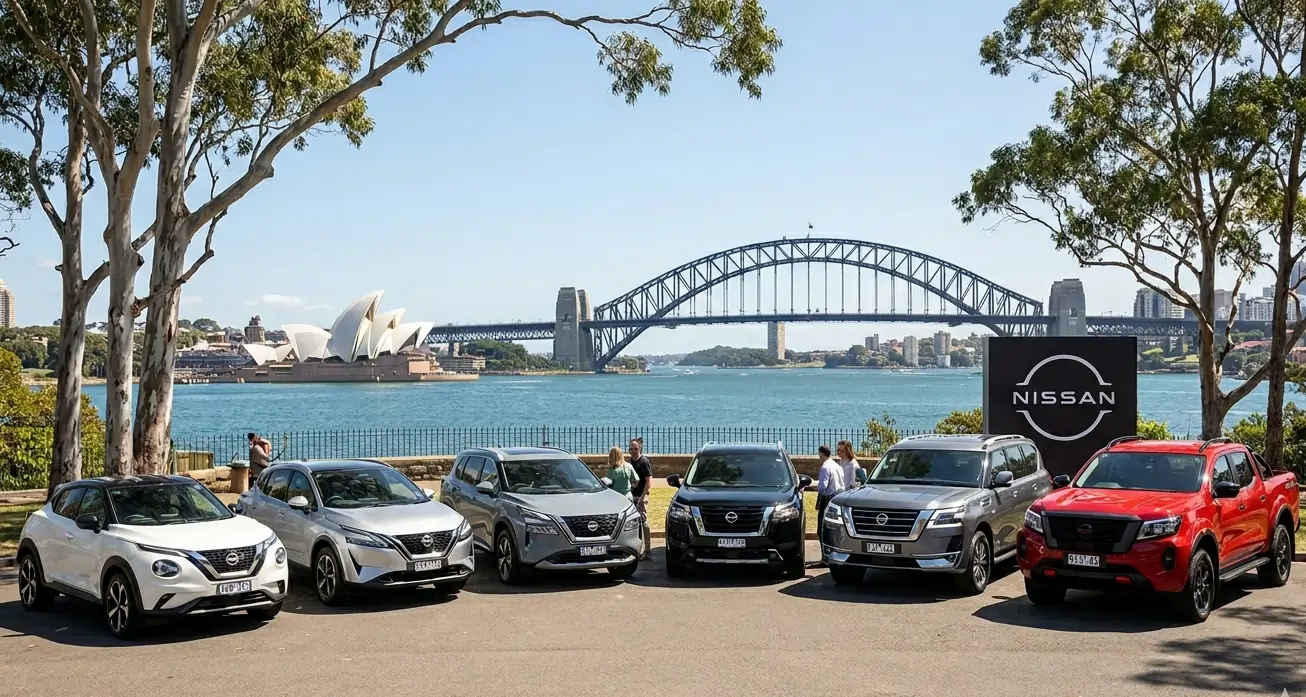
Nissan continues to hold an important place in the Australian market thanks to its broad SUV range, established off-road heritage, and growing focus on electrification. The brand caters to a wide spread of buyers, from first-time SUV owners through to serious touring and towing enthusiasts.
The X-Trail remains one of Nissan’s core family SUVs, while the smaller Qashqai and Juke target urban buyers looking for compact crossovers. At the tougher end of the range, the Patrol continues to maintain a strong following among caravan owners and off-road drivers thanks to its large-capacity V8 and proven long-distance capability. The Navara ute also remains an important part of Nissan’s local portfolio.
Nissan has also expanded its hybrid and electric ambitions, highlighted by the e-Power drivetrain technology now offered in selected models. Combined with practical interiors, competitive pricing, and strong dealer support, Nissan continues to appeal to buyers seeking versatility and proven capability.
| Segment | Model Name |
| Coupe Range | Nissan Z |
| Electric & Hybrid Range | Nissan Ariya |
| Nissan X-Trail e-Power | |
| SUV Range | Nissan Qashqai |
| Nissan X-Trail | |
| Nissan Patrol | |
| Ute Range | Nissan Navara |
Model range current as of 2026. Availability may vary by state.
Mazda
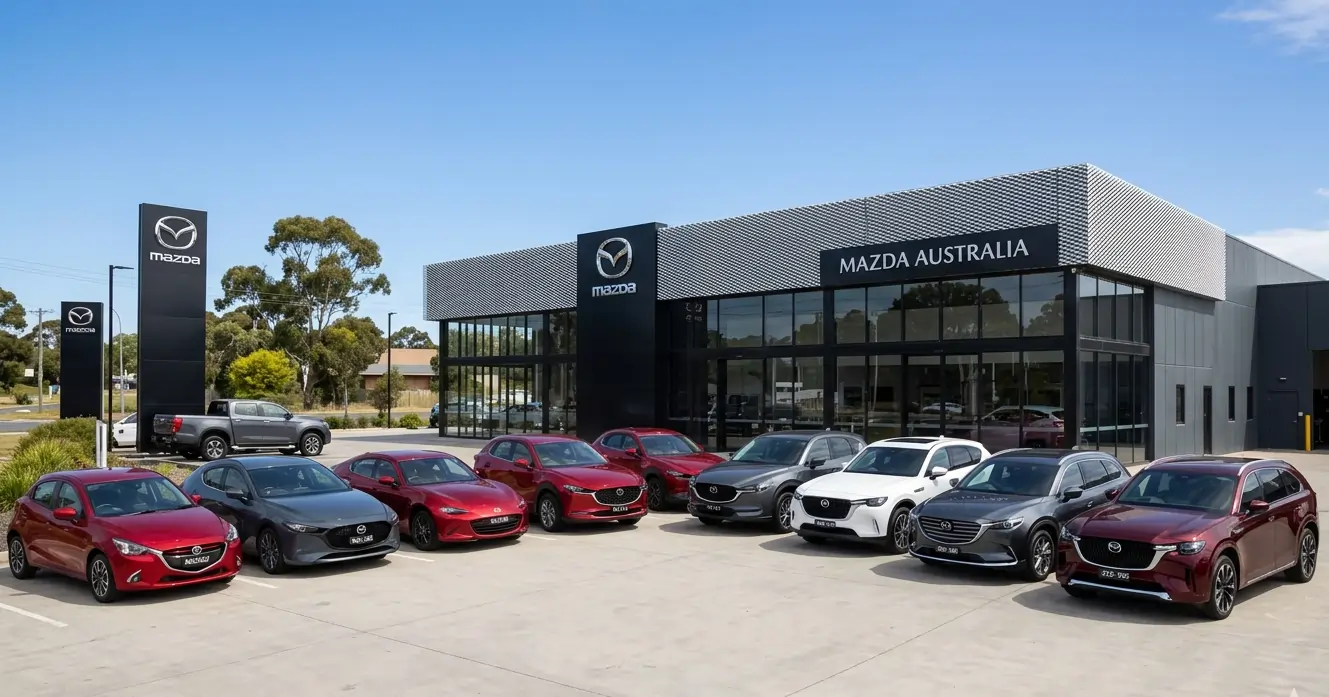
Mazda has successfully positioned itself as one of Australia’s most consistently popular mainstream brands by blending sharp styling, engaging driving dynamics, and premium-like interiors at accessible price points. The brand has developed a particularly strong reputation among private buyers seeking a more refined alternative to traditional mainstream competitors.
Its SUV line-up forms the backbone of local sales, led by the CX-3, CX-30, CX-5, and larger CX-60 and CX-90 models. Mazda also continues to perform strongly in passenger vehicles, with the Mazda3 and Mazda6 maintaining loyal followings. One of the brand’s biggest strengths is its focus on driver engagement, with many models offering responsive handling and well-tuned ride quality.
Mazda’s interiors also stand out for their quality presentation and user-friendly layouts, often rivaling more expensive European competitors. Combined with strong reliability and appealing design, Mazda continues to attract Australian buyers looking for an upmarket feel without premium-brand pricing.
| Segment | Model Name |
| Hatchback & Sedan Range | Mazda 2 |
| Mazda 3 | |
| SUV & Hybrid Range | Mazda CX-3 |
| Mazda CX-30 | |
| Mazda CX-5 | |
| Mazda CX-60 | |
| Mazda CX-70 | |
| Mazda CX-80 | |
| Mazda CX-90 | |
| Sports Range | Mazda MX-5 |
| Electric Range | Mazda CX-6e |
| Mazda 6e | |
| Ute Range | Mazda BT-50 |
Model range current as of 2026. Availability may vary by state.
Read more: Top 10 most reliable cars in Australia
Subaru
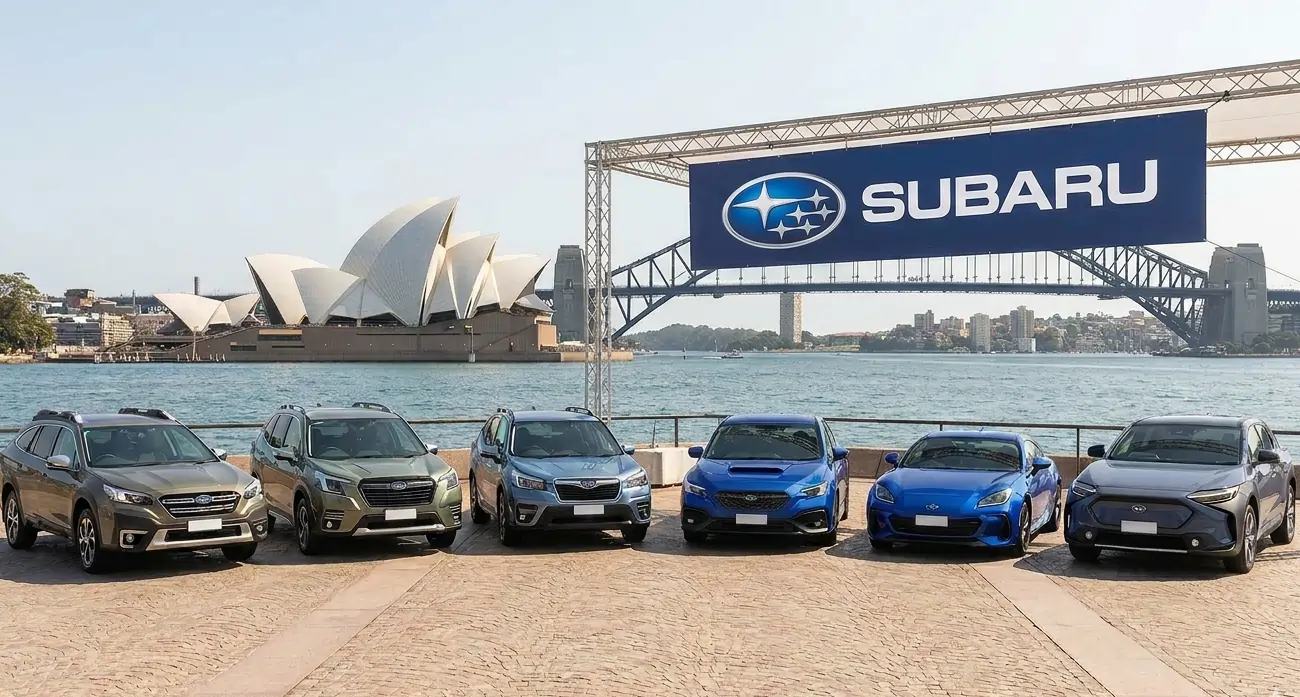
Subaru has carved out a unique niche in Australia thanks to its long-standing focus on all-wheel-drive capability, safety, and adventure-oriented vehicles. The brand enjoys particularly strong popularity among regional buyers, outdoor enthusiasts, and drivers who regularly travel in difficult weather or road conditions.
The Forester and Outback remain Subaru’s best-known models locally, combining family practicality with genuine touring ability and standard symmetrical all-wheel drive. The Crosstrek also continues to perform strongly among buyers seeking a compact SUV with added versatility. Subaru’s WRX and BRZ sports models meanwhile maintain the brand’s enthusiast appeal.
Safety remains one of Subaru’s strongest selling points, with EyeSight driver assistance technology now widely available across the range. Buyers also tend to value Subaru’s strong visibility, comfortable ride quality, and dependable engineering. While Subaru’s market share is smaller than some Japanese rivals, its distinct identity and loyal customer base continue to make it a respected player in Australia.
| Segment | Model Name |
| Sedan & Hatchback Range | Subaru Impreza |
| Sports Range | Subaru WRX |
| Subaru BRZ | |
| SUV Range | Subaru Crosstrek |
| Subaru Forester | |
| Subaru Outback | |
| Subaru Outback Wilderness | |
| Electric & Hybrid Range | Subaru Crosstrek Hybrid |
| Subaru Forester Hybrid | |
| Subaru Trailseeker | |
| Subaru Uncharted | |
| Subaru Solterra |
Model range current as of 2026. Availability may vary by state.
Mitsubishi
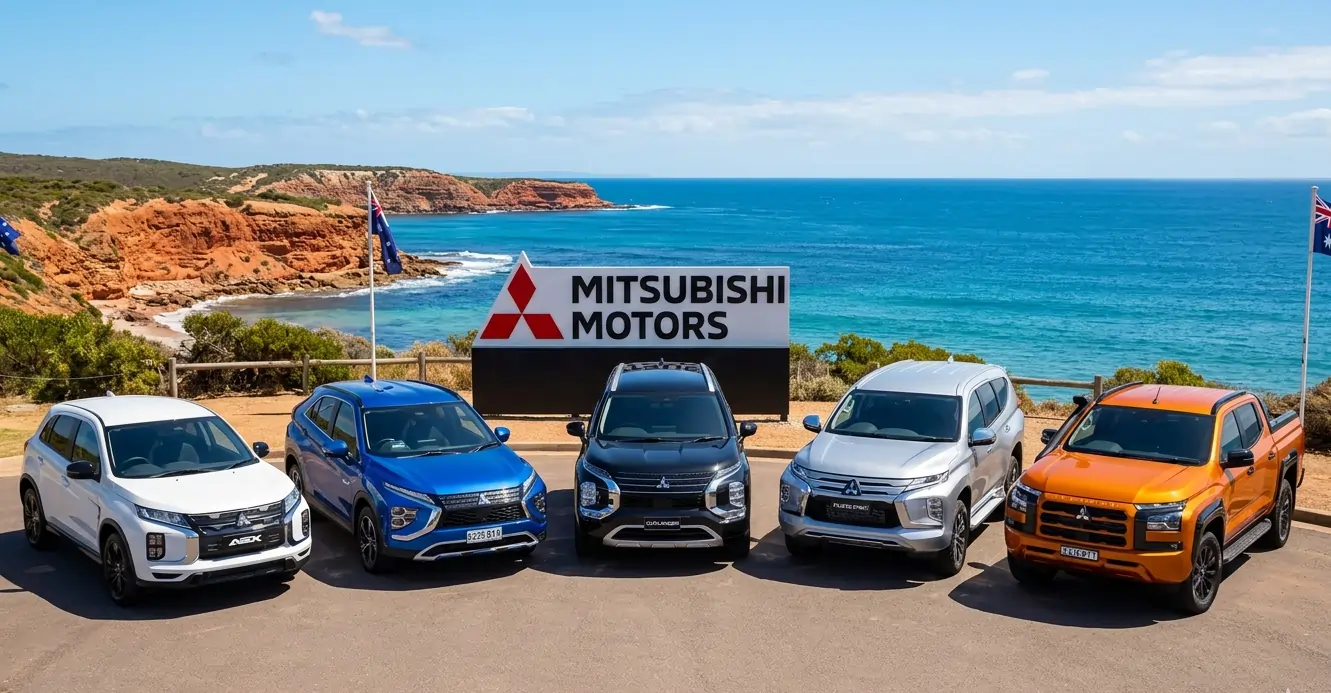
Mitsubishi continues to attract Australian buyers through its strong focus on value, practicality, and long warranty coverage. The brand has built a particularly strong reputation among budget-conscious families and regional buyers looking for dependable transport with manageable ownership costs.
The Outlander has become Mitsubishi’s standout family SUV, especially with the addition of plug-in hybrid variants that offer improved fuel efficiency and electric-only driving capability. Smaller SUVs like the ASX and Eclipse Cross continue to appeal to urban buyers, while the Triton ute remains a major player in the competitive dual-cab segment.
One of Mitsubishi’s biggest advantages is its extensive warranty program, which has helped strengthen buyer confidence over recent years. Competitive servicing costs, practical cabin layouts, and straightforward ownership experiences also remain key attractions. While Mitsubishi largely focuses on mainstream affordability rather than outright luxury or performance, it continues to maintain strong sales through its emphasis on value-driven motoring.
| Segment | Model Name |
| Ute Range | Mitsubishi Triton |
| Mitsubishi Triton Cab-Chassis | |
| Plug-in Hybrid Range | Mitsubishi Eclipse Cross PHEV |
| Mitsubishi Outlander PHEV | |
| SUV Range | Mitsubishi ASX |
| Mitsubishi Pajero Sport | |
| Mitsubishi Outlander |
Model range current as of 2026. Availability may vary by state.
Read more: Top 5 cheap cars that don’t feel cheap at all
Lexus
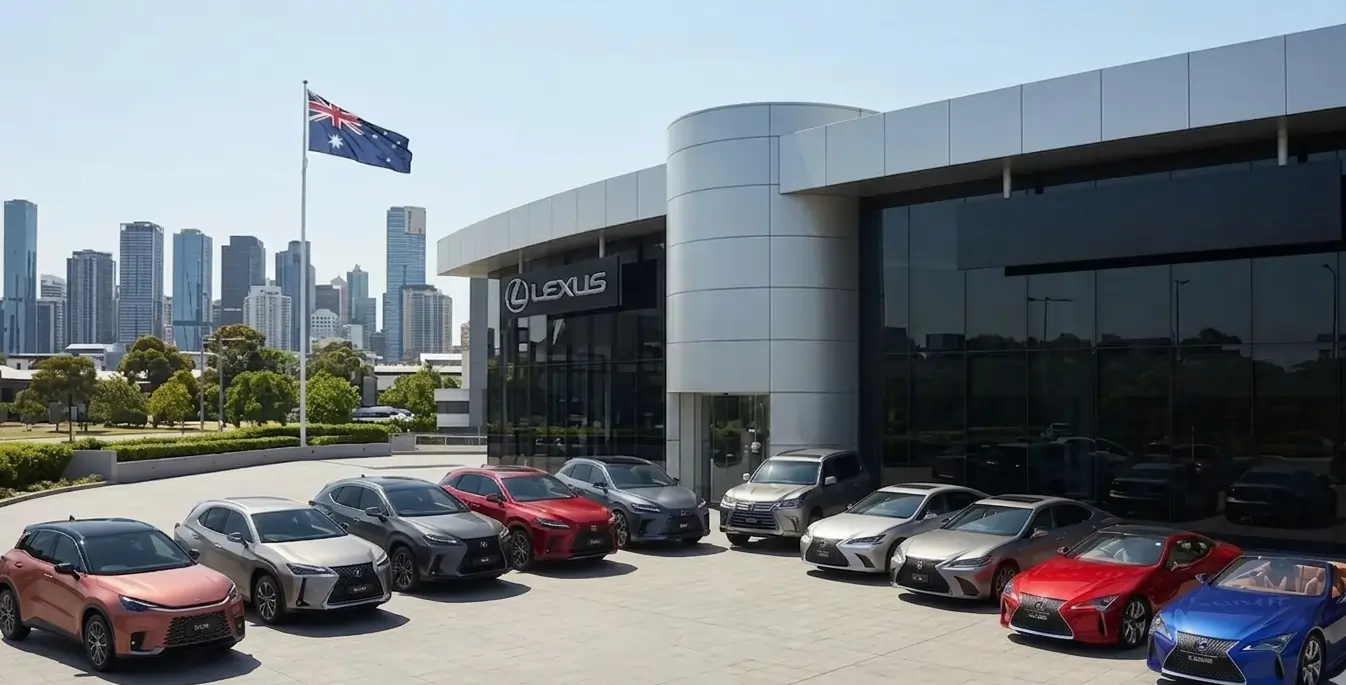
Lexus has firmly established itself as one of Australia’s leading luxury automotive brands, combining premium comfort, strong reliability, and advanced hybrid technology. Unlike many European luxury rivals, Lexus places a major emphasis on long-term dependability and lower ownership stress, which continues to resonate strongly with Australian buyers.
Its SUV range drives much of the brand’s local success, particularly the NX, RX, and larger GX models. Lexus has also become a major force in luxury hybrid vehicles, with electrified drivetrains now featured across much of the line-up. Sedans like the ES and IS continue to attract buyers seeking refinement and comfort, while performance-focused F models add enthusiast appeal.
Lexus interiors are widely regarded for their craftsmanship, quiet cabins, and high equipment levels. Combined with strong dealership service standards and Toyota-backed engineering reliability, Lexus continues to appeal to buyers wanting luxury motoring without the unpredictability sometimes associated with European alternatives.
| Segment | Model Name |
| Coupe Range | Lexus LC |
| Lexus LC Convertible | |
| Sedan Range | Lexus ES |
| Lexus LS | |
| SUV Range | Lexus LBX |
| Lexus LBX Morizo RR | |
| Lexus UX | |
| Lexus NX | |
| Lexus RX | |
| Lexus GX | |
| Lexus LX | |
| Electric & Plug-in Hybrid Range | Lexus NX 450+ |
| Lexus RX 450+ | |
| Lexus RZ | |
| People Mover Range | Lexus LM |
Model range current as of 2026. Availability may vary by state.
Suzuki
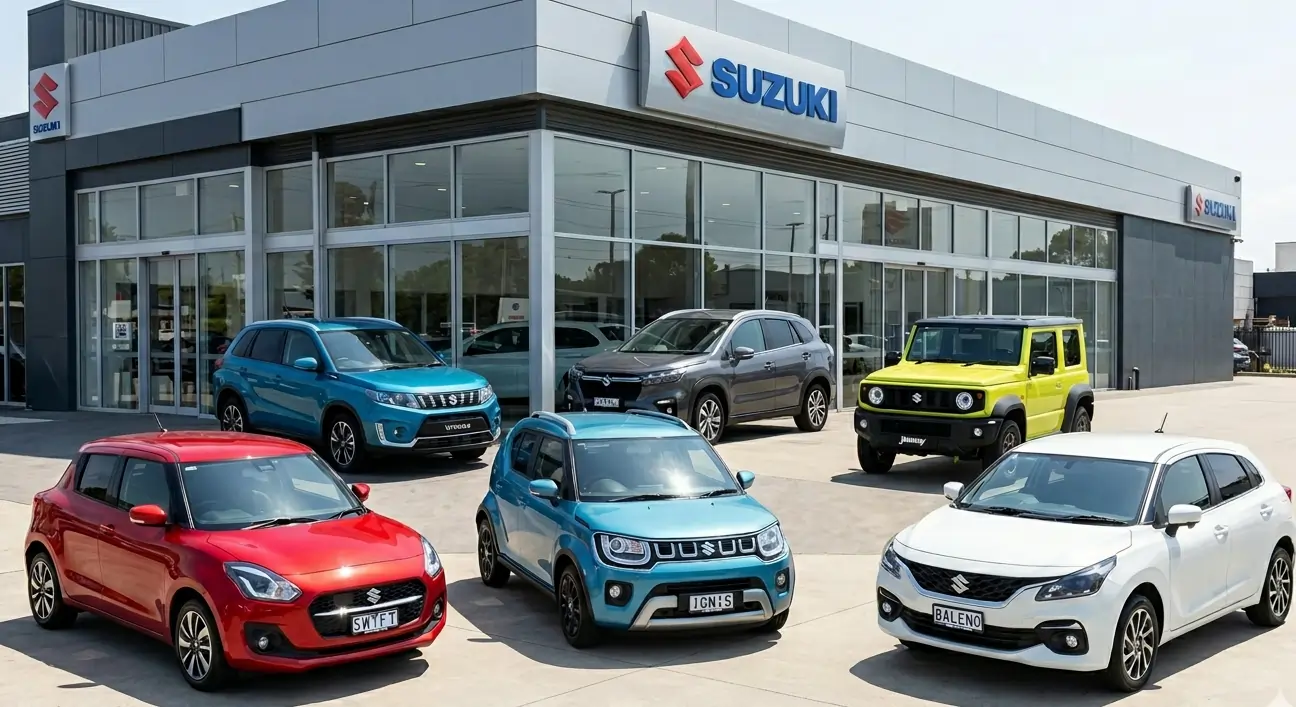
Suzuki has maintained a steady presence in Australia by specialising in compact, affordable, and easy-to-own vehicles. The brand particularly appeals to first-car buyers, city drivers, and budget-conscious households seeking simple and reliable everyday transport.
The Swift hatchback remains Suzuki’s best-known model locally thanks to its compact dimensions, efficient engines, and light handling characteristics. SUVs such as the Vitara, S-Cross, and Jimny have also helped broaden the brand’s appeal. The Jimny in particular has developed a cult following thanks to its retro styling and genuine off-road capability in a compact package.
Suzuki’s vehicles are generally praised for their affordability, low running costs, and mechanical simplicity. While the interiors and technology may not always feel as premium as larger rivals, buyers often appreciate the straightforward ownership experience and dependable reliability. For Australians wanting practical motoring without excessive complexity, Suzuki continues to represent strong value.
| Segment | Model Name |
| Hatchback Range | Suzuki Swift |
| SUV Range | Suzuki Ignis |
| Suzuki Vitara | |
| Suzuki S-Cross | |
| Suzuki Jimny | |
| Sports Range | Suzuki Swift Sport |
| Electric & Hybrid Range | Suzuki Swift Hybrid |
| Suzuki Fronx Hybrid | |
| Suzuki e-Vitara | |
| Suzuki Vitara Hybrid |
Model range current as of 2026. Availability may vary by state.
Read more: Best hybrid cars in Australia
Isuzu
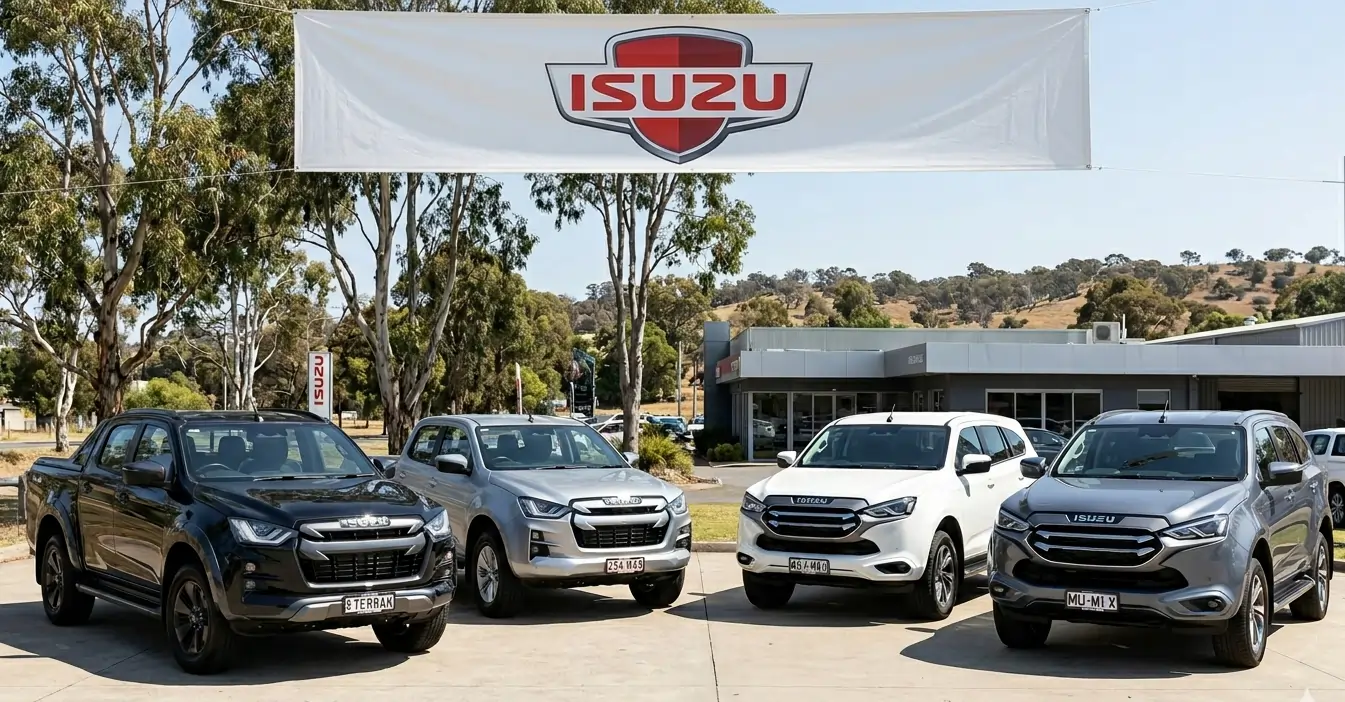
Isuzu has become one of Australia’s strongest-performing ute and SUV brands, building its reputation around durability, towing capability, and straightforward engineering. The brand’s focus on rugged practicality has made it especially popular among tradies, touring enthusiasts, and regional buyers.
The D-Max ute forms the backbone of Isuzu’s local success, consistently ranking among Australia’s best-selling dual-cab utes. Buyers are typically drawn to its strong diesel performance, dependable reputation, and impressive towing capability. The related MU-X SUV has also become a favourite among families seeking seven-seat practicality combined with genuine off-road capability.
One of Isuzu’s major strengths is its focus on reliability and simplicity rather than excessive complexity. Buyers often view the brand as dependable for long-distance touring and heavy-duty use. Combined with competitive pricing, growing safety technology, and a strong dealer network, Isuzu continues to strengthen its position in Australia’s highly competitive ute and SUV market.
| Segment | Model Name |
| Ute Range | Isuzu D-Max |
| SUV Range | Isuzu MU-X |
Model range current as of 2026. Availability may vary by state.
What’s next for Japanese car brands in Australia?
Japanese car brands continue to hold enormous influence in Australia, but the market is evolving rapidly. Growing competition from Chinese manufacturers, increasing demand for hybrid and electric vehicles, and changing buyer expectations are pushing traditional brands to adapt faster than ever before.
Most Japanese manufacturers are now accelerating their electrification strategies, with hybrids, plug-in hybrids, and EVs becoming a much larger part of future line-ups. Toyota and Lexus remain heavily invested in hybrid technology, while brands like Nissan, Honda, Subaru, and Mitsubishi are steadily expanding their electrified offerings. At the same time, established strengths such as reliability, resale value, dealer support, and long-term durability continue to give Japanese brands a strong advantage among Australian consumers.
Despite growing competition, Japanese manufacturers remain deeply embedded in Australia’s automotive landscape. Their ability to balance practicality, innovation, affordability, and proven reliability ensures they are likely to remain among the country’s most trusted automotive brands for years to come.

Comments
New Comment