




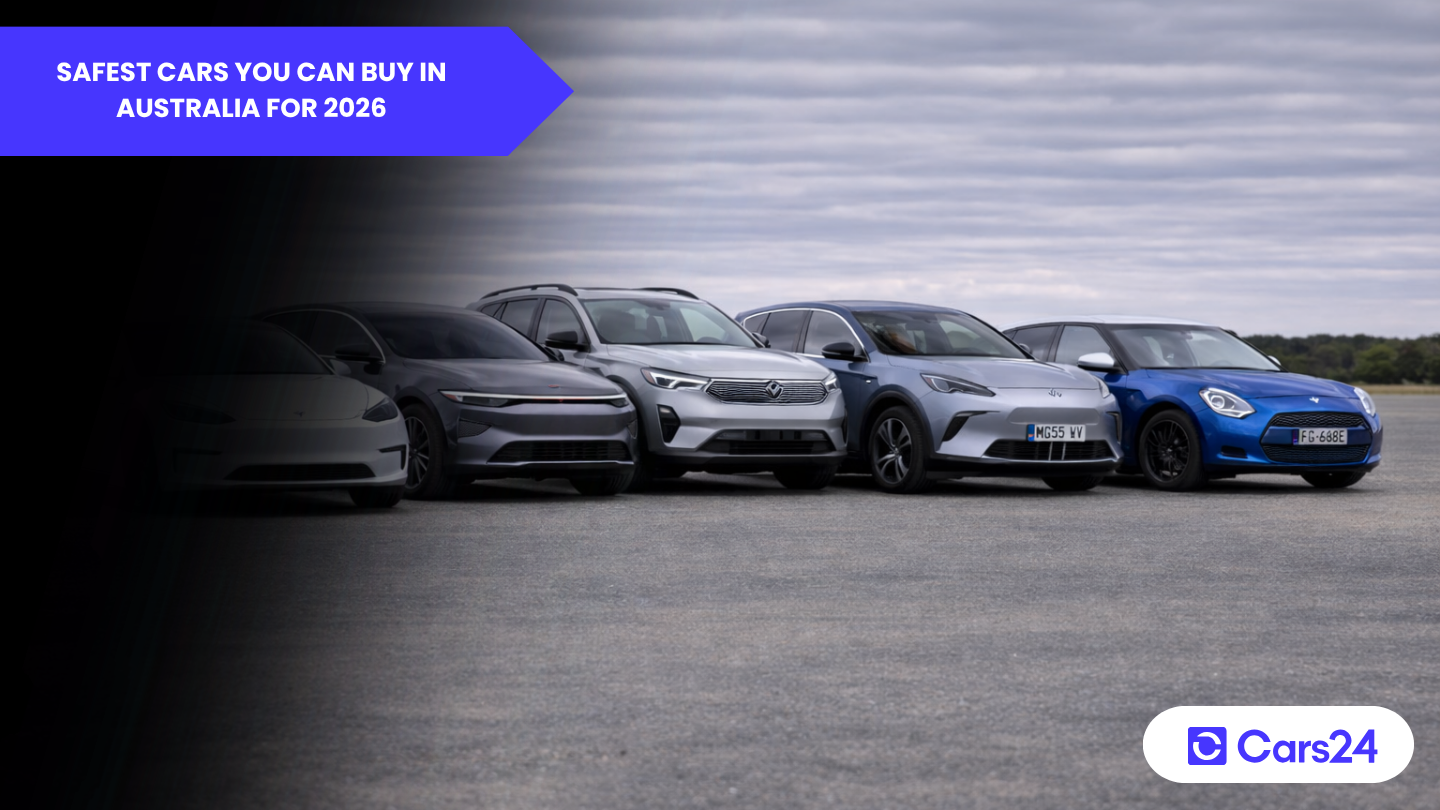
Safety remains one of the most critical considerations for Australian car buyers in 2026, whether you’re navigating congested urban streets, regional highways, or long-distance touring routes. With road conditions becoming more demanding and traffic density continuing to rise, the importance of choosing a vehicle with strong crash protection and advanced safety systems has never been greater.
Today’s safest vehicles go beyond traditional crash protection. The latest models are engineered to perform strongly across all four key assessment areas used by ANCAP: Adult Occupant Protection, Child Occupant Protection, Vulnerable Road User Protection, and Safety Assist technologies. Together, these categories reflect how well a vehicle protects not just its occupants, but everyone around it.
From electric sedans and SUVs to workhorse utes, here are some of the safest cars in Australia in 2026 and why they stand out.
| Model | Adult Occupant Protection | Child Occupant Protection | Vulnerable RoadUser | Safety Assist | ANCAPRating |
| Tesla Model 3 | 90% | 95% | 89% | 99% | 5 stars |
| Tesla Model Y | 91% | 95% | 86% | 92% | 5 stars |
| Volvo EX90 | 92% | 94% | 82% | 84% | 5 stars |
| MG IM5 | 89% | 91% | 85% | 79% | 5 stars |
| Toyota Hilux | 84% | 89% | 82% | 82% | 5 stars |
| MG S5 EV | 90% | 86% | 82% | 79% | 5 stars |
| Mini Cooper E | 89% | 83% | 77% | 83% | 5 stars |
Note: All vehicles listed hold a current 5-star ANCAP safety rating under the applicable test protocol.
Tesla Model 3
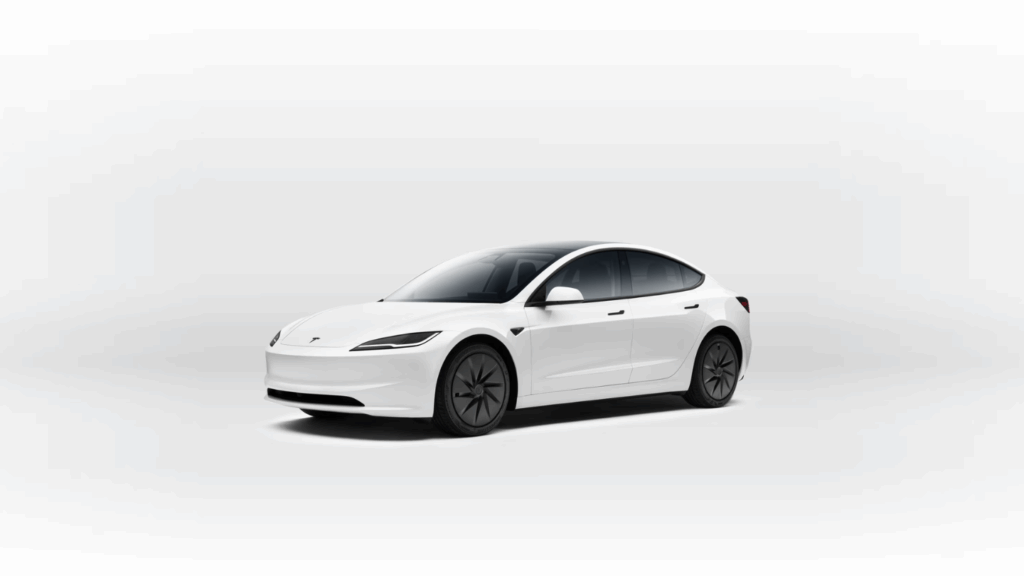
The Tesla Model 3 remains one of the safest passenger cars available in Australia, offering a well-rounded combination of crash protection and advanced safety technology. Its low centre of gravity, rigid structure, and carefully engineered crumple zones contribute to excellent performance in frontal and side-impact testing.
Occupant protection is complemented by a comprehensive restraint system, including multiple airbags and optimised seatbelt load management. Where it stands out is in Safety Assist (99%), the strongest here, giving it an edge over SUVs like the Tesla Model Y and Volvo EX90 in crash avoidance scenarios. This makes it particularly well-suited to highway driving and long-distance touring, where driver fatigue and reaction times become critical.
Its pedestrian and cyclist detection capability is particularly effective in real-world conditions, contributing to high Vulnerable Road User Protection scores. With a 95% child occupant protection score, it also ranks among the best options for families, closely matching larger SUVs despite being a sedan. For buyers who want top-tier safety without moving into a bulkier vehicle class, the Tesla Model 3 sets the benchmark.
Tesla Model Y
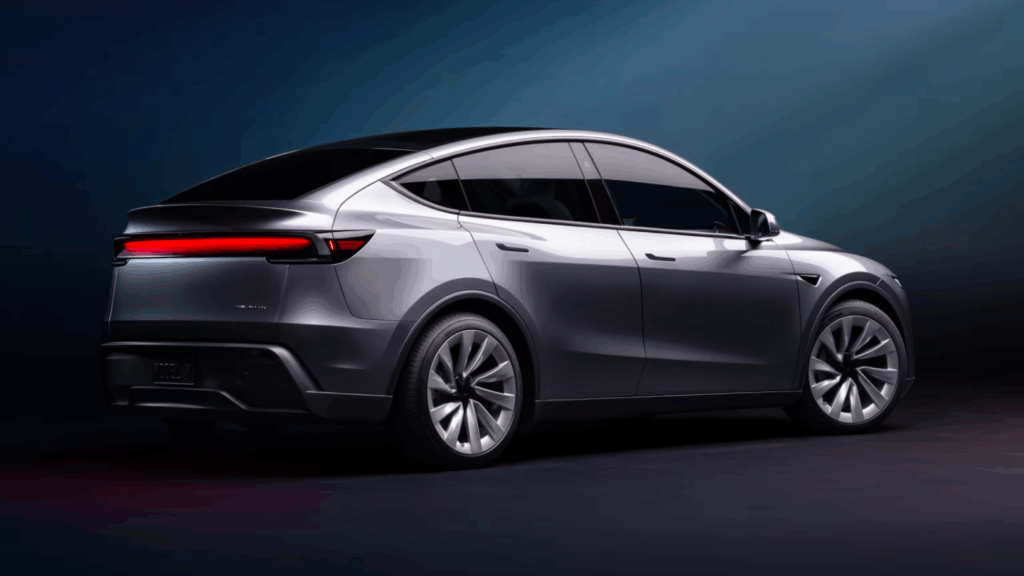
The Tesla Model Y continues to set the benchmark for overall safety performance in Australia, combining strong structural engineering with one of the most advanced driver assistance systems on the market. Its crash structure performs exceptionally well in frontal offset, side-impact, and pole tests, with a highly stable passenger compartment and effective energy absorption.
Where the Tesla Model Y truly excels is in crash avoidance. Tesla’s integrated safety suite delivers consistently strong real-world performance, particularly in highway driving and complex urban scenarios. But compared to the Tesla Model 3, its Safety Assist score is slightly lower, but it remains one of the strongest in the SUV segment. The key advantage here is space and practicality, making it a better fit for families needing rear-seat flexibility and easier child seat access.
Its child occupant protection score (95%) matches the Model 3, and exceeds smaller cars like the Mini Cooper E, making it a more suitable choice for households with young children. For buyers prioritising both family usability and high crash avoidance capability, the Model Y is one of the most balanced options.
Volvo EX90
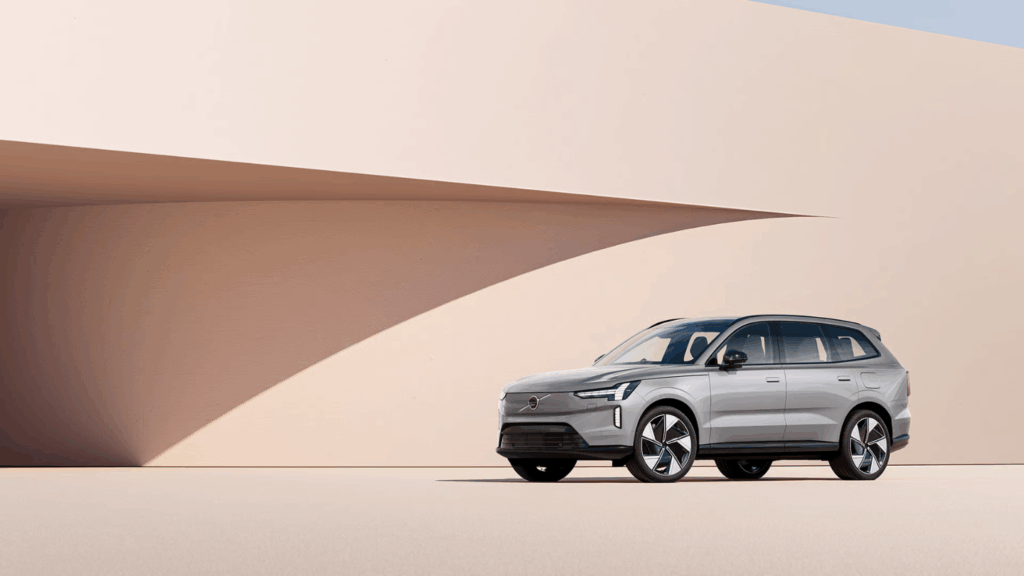
Volvo’s reputation for safety engineering continues with the Volvo EX90, one of the most technologically advanced SUVs on sale in Australia. Built on a next-generation electric platform, it integrates cutting-edge sensor technology, including lidar, to enhance crash avoidance capability.
The Volvo EX90 delivers exceptional structural integrity, with a strong safety cell designed to manage energy effectively during high-speed impacts. Occupant protection is further supported by advanced restraint systems and intelligent airbag deployment strategies.
Its Safety Assist suite is among the most sophisticated available, capable of detecting and responding to a wide range of potential hazards. Combined with excellent pedestrian and cyclist detection, the Volvo EX90 offers a comprehensive safety package tailored to modern Australian driving conditions.
MG IM5
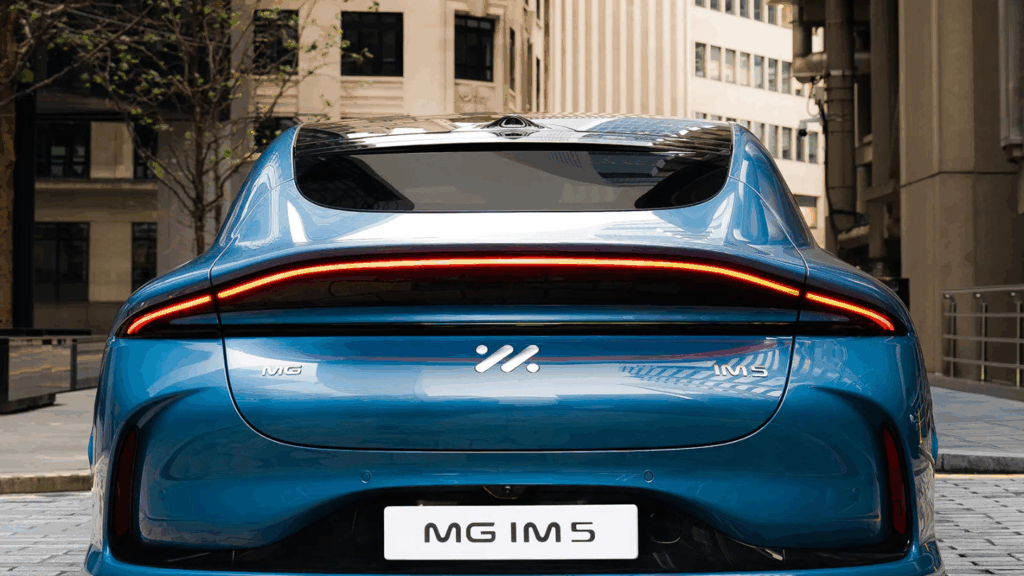
The MG IM5 delivers a well-rounded safety package, with balanced scores across all four ANCAP categories. It represents a significant step forward in safety performance for the brand, delivering strong results across all key ANCAP assessment areas. Its structure demonstrates good stability in crash testing, with effective energy management and well-calibrated restraint systems.
Child occupant protection (91%) is a particular strength, is among the stronger results in this group, outperforming vehicles like the Mini Cooper E and aligning more closely with larger SUVs. supported by well-designed ISOFIX mounting points. This makes it a solid option for budget-conscious families who still want strong rear-seat safety performance.
While its Safety Assist score (79%) is lower than Tesla models, it still provides a comprehensive suite of features for urban driving. Compared to higher-end EVs here, it trades cutting-edge tech for consistency and value, rather than outright leadership in any single category.
Toyota Hilux
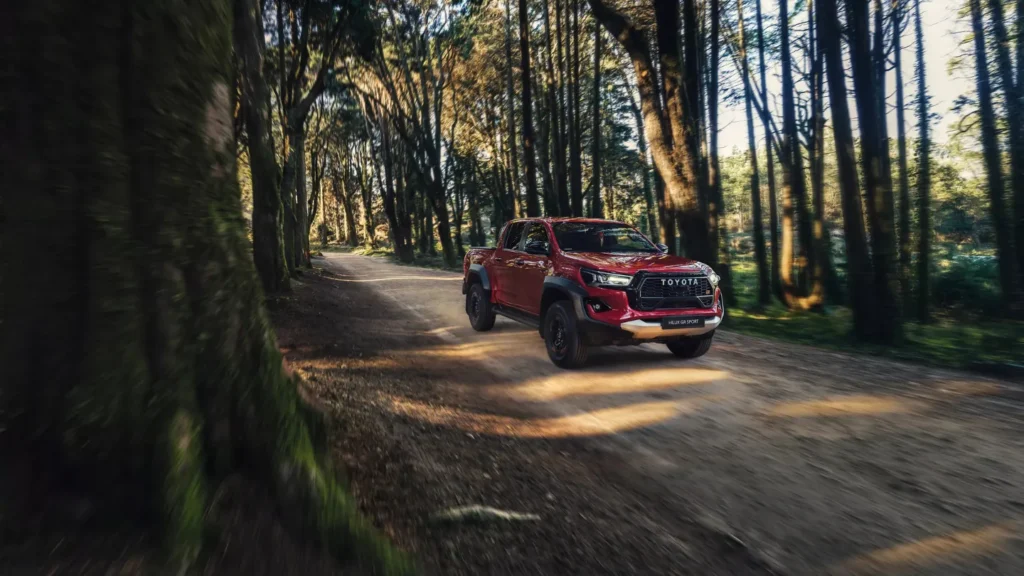
The Toyota Hilux remains one of Australia’s most popular utes, and its safety performance continues to evolve with each update.
Its adult occupant protection (84%) is lower than most passenger vehicles, reflecting the limitations of a ladder-frame chassis compared to monocoque SUVs like the Model Y or EX90. However, its vulnerable road user protection (82%) is competitive, showing improvements in pedestrian and cyclist detection.
Where it stands out is in real-world durability and regional usability, making it more suitable for rural driving and work environments, where conditions differ significantly from urban settings. For buyers needing a workhorse, it offers a balanced compromise between toughness and safety, even if it doesn’t match the top performers in outright crash scores.
MG S5 EV
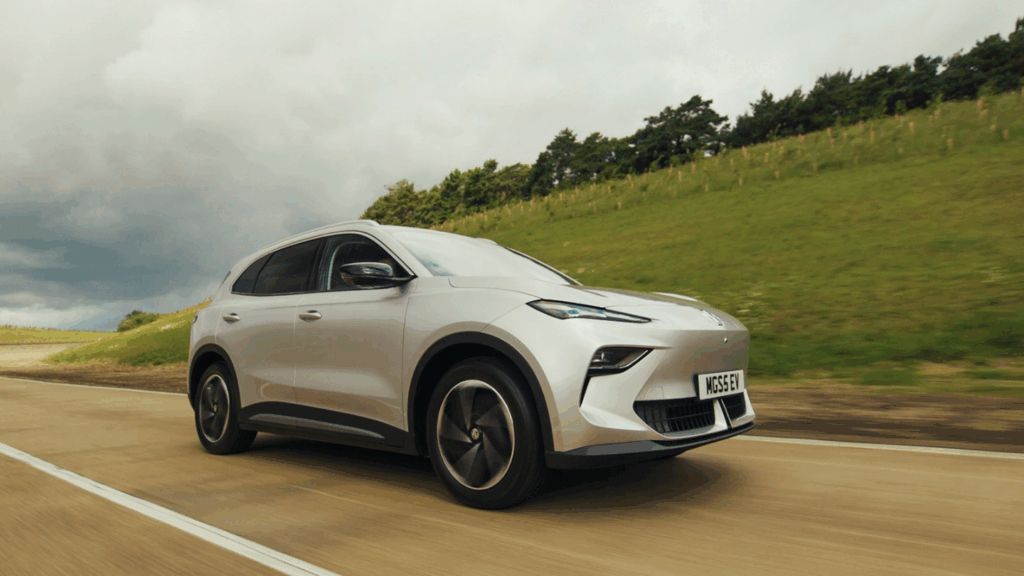
The MG S5 delivers a well-rounded safety package that reflects the rapid evolution of MG’s engineering capabilities, balanced safety package at a more accessible price point. Its crash structure performs confidently in both frontal and side-impact scenarios, maintaining good occupant protection across a range of test conditions.
The vehicle’s restraint systems are tuned to provide effective protection for both front and rear passengers, while child occupant safety is supported by accessible and well-integrated mounting points. Compared to the MG IM5, it delivers slightly lower child occupant protection, making it less optimised for families but still competitive within the compact SUV space.
A comprehensive Safety Assist suite underpins its real-world performance, with features such as autonomous emergency braking, blind-spot monitoring, and rear cross-traffic alert enhancing driver awareness. For Australian buyers seeking an affordable SUV with strong safety credentials, the MG S5 EV offers a compelling balance of protection and technology.
Mini Cooper E
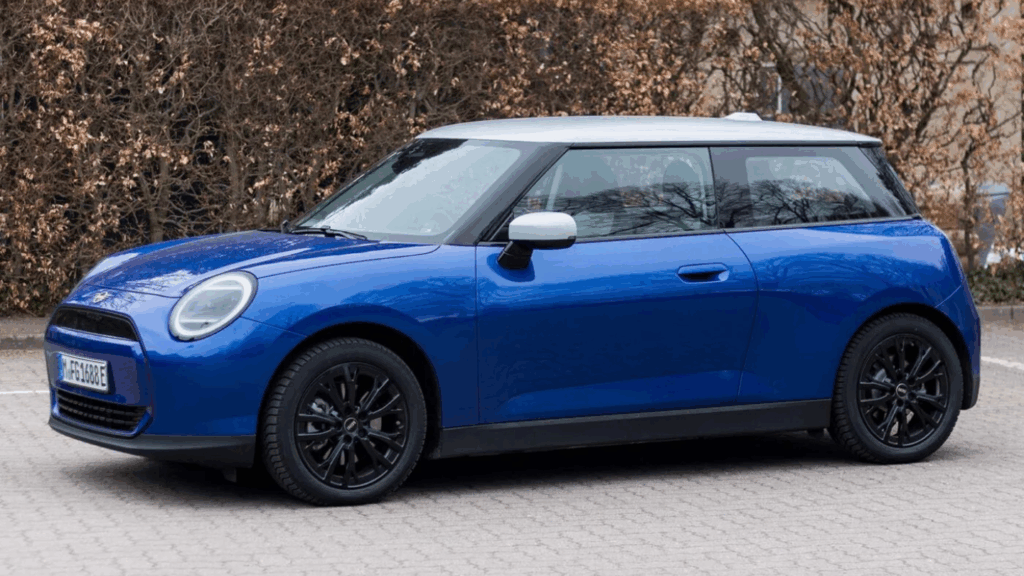
The Mini Cooper E brings modern electric performance together with a strong focus on occupant safety, particularly in the small car segment. Its compact footprint is supported by a rigid body structure that performs well in crash testing, maintaining occupant space integrity in key impact scenarios.
Despite its size, the Mini Cooper E offers a comprehensive suite of safety features. Its adult occupant protection (89%) is competitive, but child occupant and vulnerable road user scores are lower than larger vehicles like the Tesla Model Y or EX90. This makes it less ideal for families with multiple child seats, but well suited to urban singles or couples.
Where it excels is in city safety, Pedestrian detection capability is well tuned for urban environments, an important consideration for Australian city driving. Within the small EV segment, it remains a credible option, even if it can’t match the broader protection offered by larger vehicles.
Why safety matters more than ever in 2026?
Modern safety technology doesn’t just protect occupants during a crash, it actively works to prevent accidents. Features such as autonomous emergency braking, lane centring, blind-spot monitoring, and cyclist detection are now critical components of everyday driving in Australia.
ANCAP’s rigorous testing ensures vehicles meet high standards across structural integrity, restraint systems, and crash avoidance technologies. A strong overall performance indicates a vehicle that can handle real-world conditions across city, highway, and regional driving environments.
Final thoughts
Not all 5-star ANCAP-rated cars deliver the same level of safety in practice. While every model on this list meets a high benchmark set by ANCAP, the differences lie in how that safety is distributed across occupant protection, crash avoidance, and real-world usability.
Models like the Tesla Model 3 and Tesla Model Y stand out for their crash prevention capability and consistently high scores across all categories, making them among the most well-rounded choices. In contrast, vehicles such as the Volvo EX90 prioritise advanced sensing technology and structural protection, while options like the Toyota Hilux demonstrate how safety is evolving in traditionally utilitarian segments.
Ultimately, the right choice depends on how and where the vehicle will be used. For Australian drivers, choosing a car with strong safety performance means more than just peace of mind, it offers tangible protection for occupants, pedestrians, and other road users. If safety is high on your priority list, these models represent some of the best options currently available.

Comments
New Comment