




Tesla’s presence in Australia has evolved from niche disruptor to one of the defining forces behind Australia’s shift to electric mobility. Unlike traditional carmakers that rely on broad portfolios, Tesla’s strategy is deliberately focused, offering a small but highly refined lineup that leans heavily on software integration, charging infrastructure, and real-world efficiency. For buyers, this means fewer choices on paper, but clearer differentiation in purpose.
At the entry point sits the Model 3, a sedan that prioritises efficiency and everyday usability. The Model Y builds on that foundation with added space and practicality, making it the brand’s volume seller in many markets. At the other end of the spectrum, the Cybertruck represents Tesla’s most ambitious leap yet, bringing its EV technology into the rugged, utility-focused segment.
For Australian buyers navigating the EV space, Tesla’s lineup offers a straightforward path: choose based on body style and lifestyle needs, rather than being overwhelmed by variants. Here’s how each model fits into the broader picture.
Read more: Inside MG’s Electric and Hybrid Line-Up in Australia
Tesla Model 3
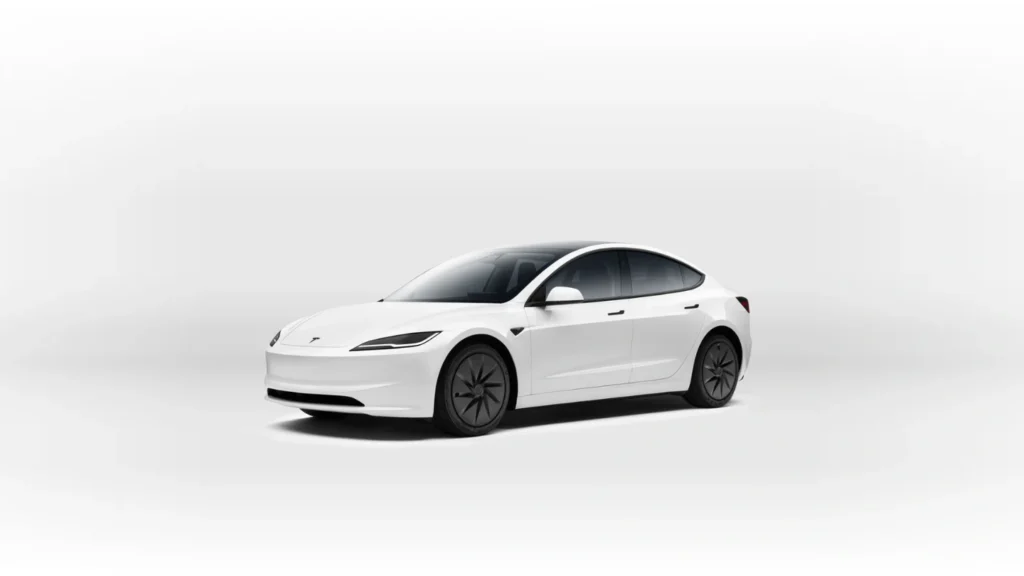
The Tesla Model 3 remains the brand’s most accessible entry point in Australia and continues to be one of the most compelling EV sedans for everyday buyers. It’s positioned as a practical, tech-forward commuter car, offering a minimalist interior dominated by a central touchscreen, over-the-air updates, and strong real-world efficiency. For buyers, the appeal lies in its balance: usable range, brisk performance, and relatively attainable pricing compared to larger EVs.
Available in rear-wheel-drive and dual-motor all-wheel-drive variants, the Tesla Model 3 delivers smooth acceleration and confident highway cruising. It’s particularly well-suited to urban and suburban driving, where its compact footprint and low running costs shine. For first-time EV buyers or those downsizing from larger vehicles, it remains Tesla’s most sensible all-rounder.
| Specifications | RWD | Long Range RWD | Performance AWD |
| Battery Capacity | 60kWh | 80kWh | 80kWh |
| Power Output | 188kW | 224kW | 343kW |
| Torque Output | 350Nm | 400Nm | 681Nm |
| Acceleration(0-100km/h) | 6.1 seconds | 5.2 seconds | 3.1 seconds |
| Drivetrain | Rear-wheel drive | Rear-wheel drive | All-wheel drive |
| Range (WLTP) | 520km | 691-750km | 571km |
| Top Speed | 201km/h | 201km/h | 261km/h |
| Charging | 11kW AC/ 170kW DC | 11kW AC/ 170kW DC | 11kW AC/ 170kW DC |
Read more: BYD Australia Model Lineup Explained
Tesla Model Y
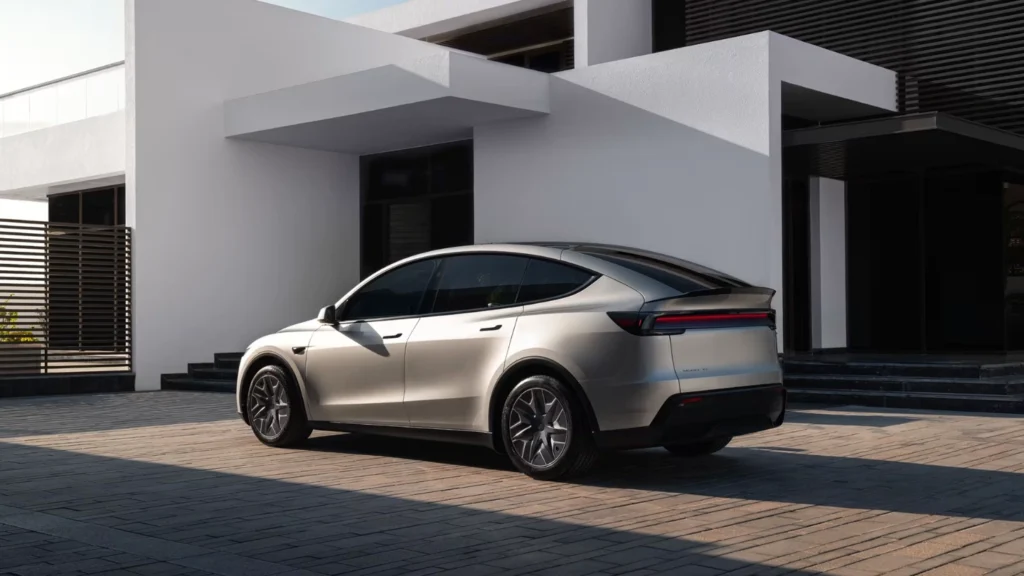
The Tesla Model Y builds on the Model 3’s strengths but packages them into a more practical, family-friendly SUV format. For Australian buyers, this is arguably the sweet spot in Tesla’s lineup, combining elevated seating, a roomy cabin, and flexible cargo space with the same underlying tech and drivetrain options as the sedan.
It’s particularly appealing for growing families or those needing extra versatility without stepping into large SUV territory. The flat floor, generous boot capacity, and optional third-row seating (market-dependent) make it well-suited for daily errands and road trips alike. Performance remains a highlight, especially in the dual-motor variants, which deliver strong acceleration despite the SUV form factor.
For buyers choosing between the Model 3 and Model Y, it often comes down to practicality and in that regard, the Model Y holds a clear edge!
| Specifications | Premium RWD | Long Range AWD | Premium AWD | Performance AWD |
| Battery Capacity | 60kWh | 80kWh | 82kWh | 80kWh |
| Power Output (Combined) | 188kW | 274kW | 331kW | 393kW |
| Torque Output(Combined) | 355Nm | 509Nm | 493Nm | 693Nm |
| Acceleration(0-100km/h) | 5.9 seconds | 4.8 seconds | 5.0 seconds | 3.5 seconds |
| Drivetrain | Rear-wheel drive | All-wheel drive | All-wheel drive | All-wheel drive |
| Electric Range (WLTP) | 466km | 600km | 681km | 580km |
| Top Speed | 201km/h | 201km/h | 201km/h | 250km/h |
| Charging | 11kW AC/ 170kW DC | 11kW AC/ 250kW DC | 11kW AC/ 250kW DC | 7kW AC/ 250kW DC |
Read more: Tesla overtakes BYD for top global EV sales spot in Q1 2026
Tesla Cybertruck
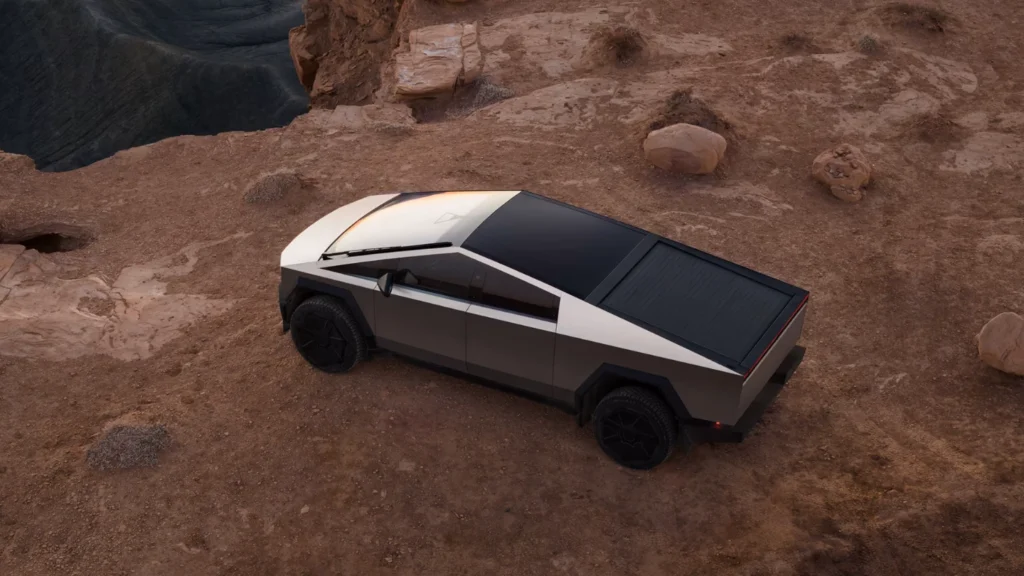
The Tesla Cybertruck stands apart as the most unconventional vehicle in the brand’s lineup, targeting buyers who want utility, durability, and standout design. While its Australian launch timeline and specifications are still evolving, its positioning is clear: this is Tesla’s answer to traditional utes, albeit with a radically different approach.
From a buyer’s perspective, the Cybertruck is aimed at those who need towing capability, off-road potential, and load-carrying capacity, but are also drawn to Tesla’s electric performance and software ecosystem. Its stainless-steel exoskeleton, adaptive air suspension, and high towing figures suggest it’s built for both work and adventure.
However, its size, styling, and expected pricing mean it’s likely to remain a niche option in Australia, appealing more to early adopters and lifestyle buyers than mainstream ute customers.
| Specifications | Dual Motor AWD | Tri Motor AWD (Cyberbeast) |
| Battery Capacity | 123kWh | 123kWh |
| Power Output | 621kW | 621kW |
| Torque Output (Combined) | 500Nm | 1000Nm |
| Acceleration(0-100km/h) | 2.7 seconds | 2.7 seconds |
| Drivetrain | All-wheel drive | All-wheel drive |
| Electric Range (WLTP) | 523km | 515km |
| Top Speed | 209km/h | 209km/h |
| Charging | 11kW AC/250kW DC | 7kW AC/ 250kW DC |
Read more: Tesla to axe Model S and Model X after more than a decade
Final thoughts on Tesla’s model range
Tesla’s Australian lineup highlights a very different approach to product planning compared to legacy automakers. Instead of covering every possible niche, the brand focuses on a handful of core models that are continuously updated and refined through software and incremental hardware improvements. This results in vehicles that often feel more future-proof, with new features and enhancements arriving long after purchase.
The Model 3 and Model Y form the backbone of Tesla’s success locally, appealing to commuters, families, and long-distance drivers alike with their blend of range, performance, and access to the Supercharger network. Meanwhile, the Cybertruck signals Tesla’s intent to expand into more specialised segments, even if its appeal in Australia may remain limited due to its size and unconventional design.
For buyers, the decision ultimately comes down to use case rather than brand comparison. If efficiency and value are priorities, the Model 3 makes a strong case. If space and versatility matter more, the Model Y stands out. And for those wanting something radically different with genuine utility credentials, the Cybertruck offers a glimpse of where Tesla and the broader EV market could be heading next.

Comments
New Comment