




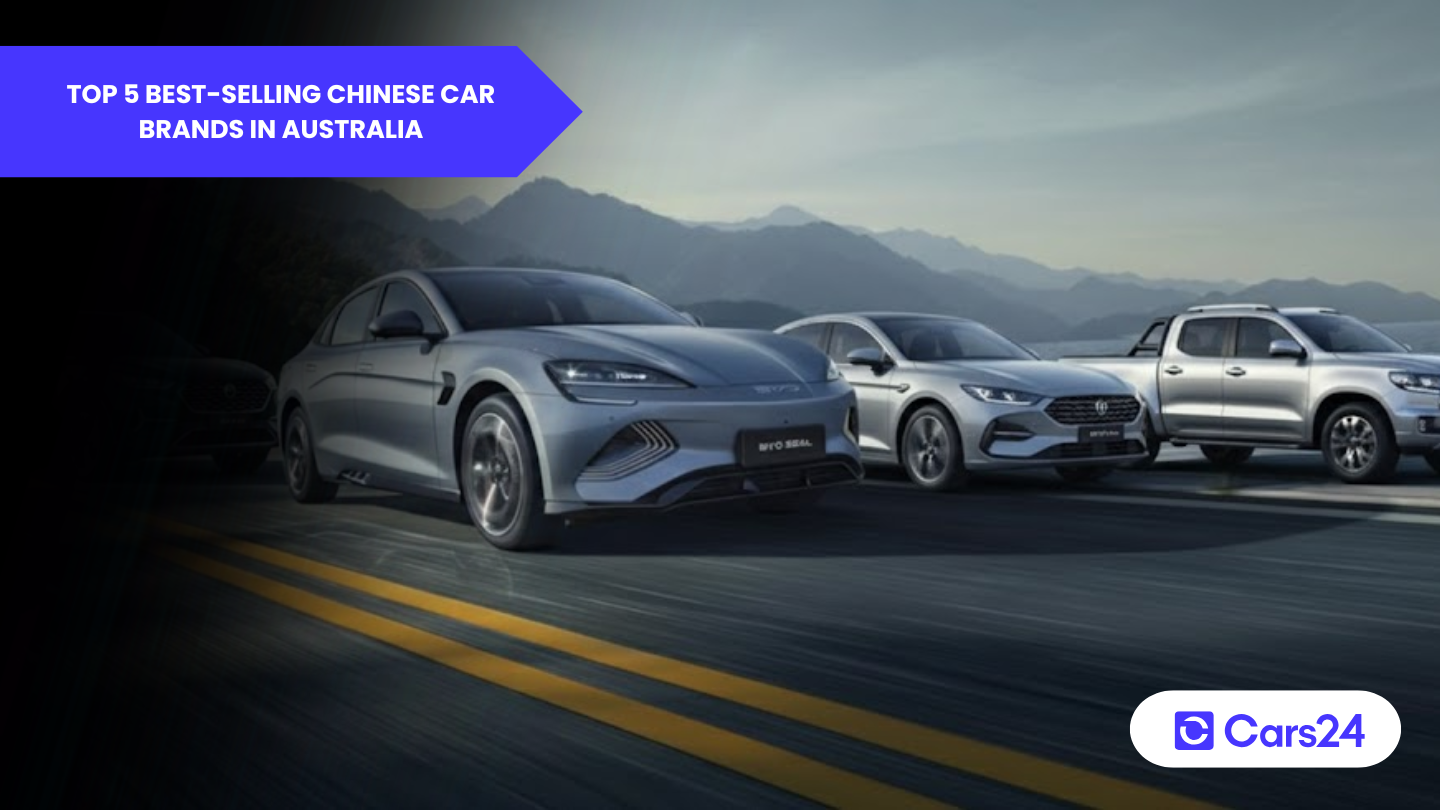
If you think back to when Chinese brands were still fighting for recognition in Australia just a few years ago, 2025 shows just how dramatically the market has shifted. According to VFACTs sales data, Chinese carmakers now account for a significant share of new-car deliveries, firmly cementing their place in the mainstream.
Competitive pricing, long warranties, improved build quality, and a rapidly expanding range of petrol, hybrid, and electric models have helped drive this transformation. From budget-friendly hatchbacks and compact SUVs to family wagons, dual-cab utes, and cutting-edge EVs, Chinese brands now cover almost every major segment in the market.
These are the 5 best-selling Chinese car brands in Australia for 2025, based on their annual sales performance, along with a closer look at their current model line-ups and market impact.
| Brand | Units sold in 2025 |
| GWM | 52,809 |
| BYD | 52,415 |
| MG | 41,298 |
| Chery | 34,889 |
| LDV | 14,108 |
1. GWM
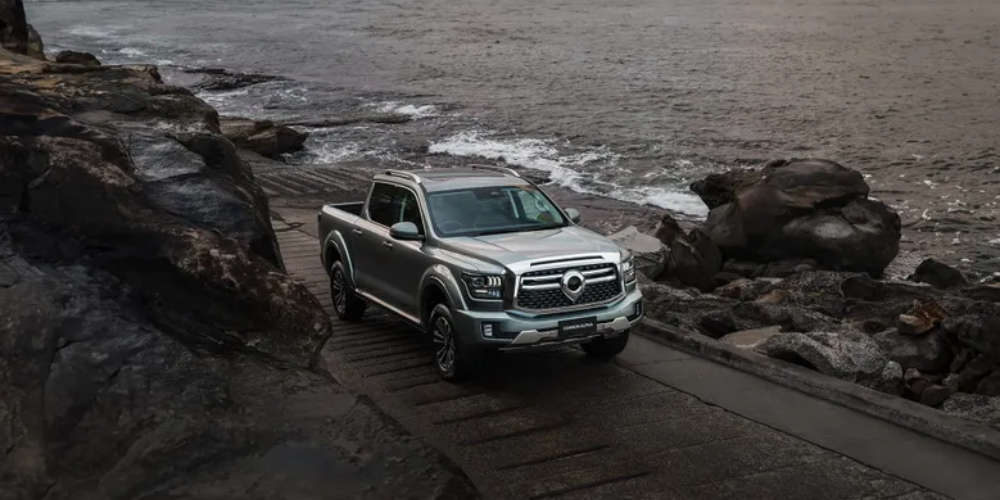
GWM (Great Wall Motor) topped the sales charts as Australia’s best-selling Chinese car brand in 2025, underlining its broad appeal and rapidly expanding model portfolio. The brand’s strength lies in its diverse line-up, which spans small and mid-size SUVs, dual-cab utes, and electrified options, catering to both private buyers and fleets.
Its SUV range is led by the popular Haval Jolion and larger Haval H6, both of which consistently feature among Australia’s top-selling Chinese models thanks to their blend of modern styling, generous technology, and strong value. On the commercial side, the GWM Cannon and the more premium Cannon Alpha dual-cab utes continue to gain traction, offering competitive towing capacity, four-wheel drive capability, and well-equipped cabins at sharp price points.
GWM has also been expanding its hybrid and electric offerings, reflecting growing demand for electrified vehicles. Combined with aggressive pricing, long warranty coverage, and a rapidly growing dealer network, GWM’s wide-ranging line-up has allowed it to appeal to families, tradies, and value-focused buyers alike, helping it secure top spot among Chinese brands in Australia.
| Segment | Model Name |
| Electric Range | GWM Ora |
| SUV Range | GWM Haval Jolion |
| GWM Haval H6 & H6GT | |
| GWM Haval H7 | |
| GWM Tank 300 | |
| GWM Tank 500 | |
| Ute Range | GWM Cannon |
| GWM Cannon Alpha |
2. BYD
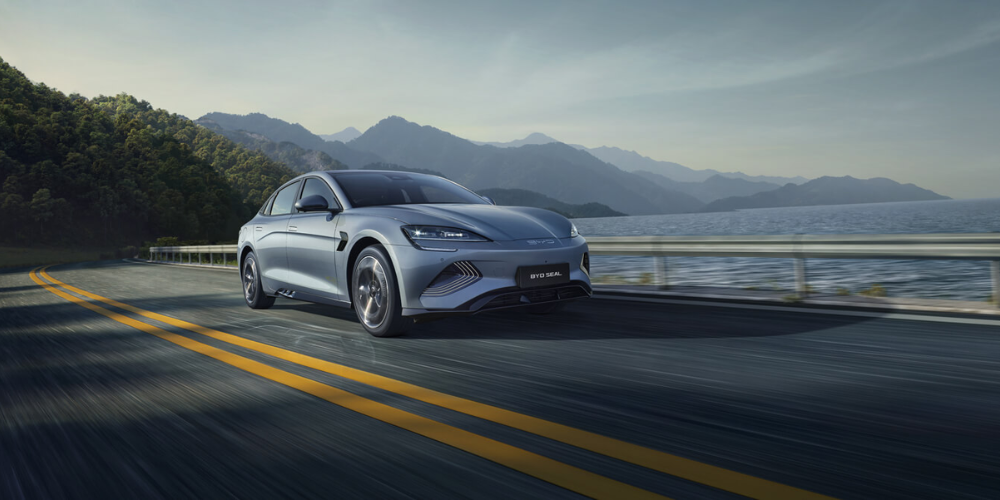
BYD finished a close second, driven largely by its strong electric vehicle and plug-in hybrid portfolio. The brand has quickly become one of Australia’s most recognisable EV specialists, offering a range of electric SUVs, sedans, and commercial-style vehicles at accessible price points.
Key models include the Atto 3 compact electric SUV, Dolphin hatchback, Seal electric sedan, and the larger Sealion 7 SUV, all of which have resonated strongly with buyers seeking affordable, well-equipped EVs. The launch of the Shark 6 plug-in hybrid ute proved particularly significant, allowing BYD to enter Australia’s fiercely competitive dual-cab segment with a unique electrified proposition.
BYD’s focus on advanced battery technology, long driving range, strong performance, and competitive pricing has helped fuel rapid growth, resulting in triple-digit year-on-year sales increases. With an expanding product line and increasing brand recognition, BYD is now one of the most influential players in Australia’s fast-growing EV market.
| Segment | Model Name |
| Hatchback Range | BYD Dolphin |
| BYD Atto 1 | |
| Sedan Range | BYD Seal |
| SUV Range | BYD Atto 2 |
| BYD Atto 3 | |
| BYD Sealion 5 PHEV | |
| BYD Sealion 6 | |
| BYD Sealion 7 | |
| BYD Sealion 8 PHEV | |
| Ute Range | BYD Shark 6 PHEV |
3. MG
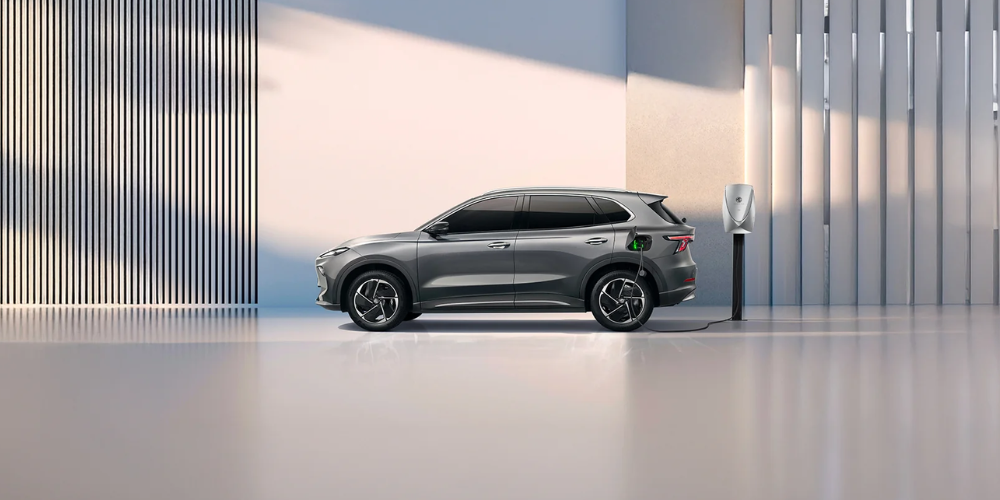
MG remains one of the most established and trusted Chinese brands in Australia, thanks to its broad range of affordable vehicles and a well-developed dealer network. Its line-up covers everything from light hatchbacks and small SUVs to electric vehicles and family-sized crossovers, appealing to a wide range of buyers.
The MG ZS continues to be the brand’s standout performer, offered in both petrol and electric forms, making it one of Australia’s most accessible SUVs and EVs. The MG4 electric hatchback has also gained strong momentum, offering sharp pricing, impressive driving dynamics, and a competitive range. Meanwhile, models like the MG3 light hatch and HS mid-size SUV help MG maintain a strong presence across entry-level and family segments.
Long warranty coverage, simple ownership costs, and consistently sharp pricing have been central to MG’s sustained popularity, allowing it to remain one of Australia’s highest-selling Chinese brands year after year.
| Segment | Model Name |
| Hatchback Range | MG S5 EV |
| MG 3 | |
| MG 4 | |
| MG 5 | |
| Premium & Sedan Range | MG 7 |
| MG IM 5 | |
| MG IM 6 | |
| MG Cyberster | |
| SUV Range | MG HS |
| MG ZS | |
| MG QS | |
| Ute Range | MG U9 |
4. Chery
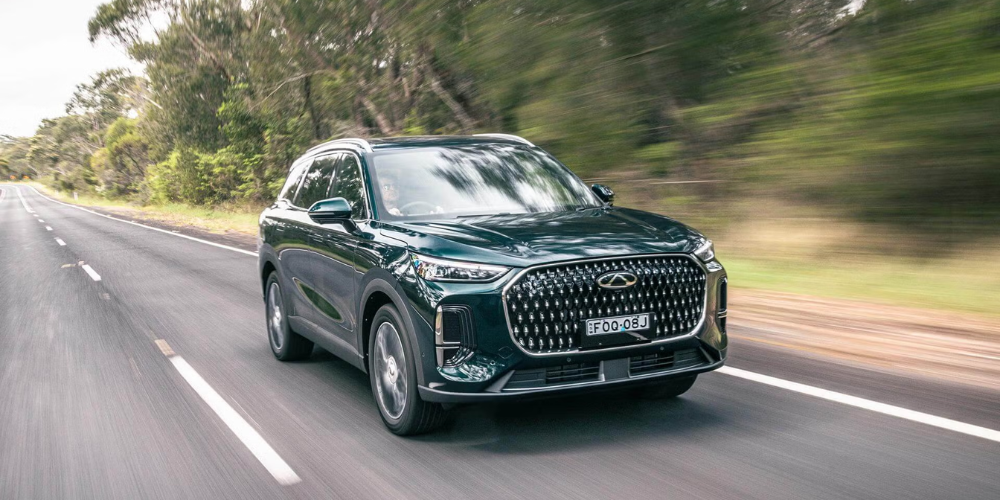
Chery has staged one of the most impressive turnarounds in the Australian market, rapidly rebuilding its brand presence with a fresh line-up of well-equipped, competitively priced SUVs. Its current range focuses heavily on value-packed small and mid-size crossovers, paired with long warranty coverage and modern design.
The Tiggo 4 Pro has emerged as Chery’s top seller, offering budget-conscious buyers a stylish and practical compact SUV with modern technology. It is supported by larger models such as the Tiggo 7 Pro and Tiggo 8 Pro, which cater to families seeking more space, comfort, and features. The recently rebranded Chery C5 (formerly Omoda 5) adds further depth to the line-up, targeting buyers looking for a balanced, everyday SUV.
Chery’s rapid sales growth reflects improving consumer confidence, driven by better build quality, modern safety tech, and aggressive pricing. As the brand continues to expand its dealer network and introduce new electrified models, its market presence is expected to grow further.
| Segment | Model Name |
| Small SUV Range | Chery Tiggo 4 |
| Chery Tiggo 4 Hybrid | |
| Chery C5 | |
| Medium SUV Range | Chery Tiggo 7 |
| Chery Tiggo 7 Super Hybrid | |
| Large SUV Range | Chery Tiggo 8 Pro Max |
| Chery Tiggo 8 Super Hybrid | |
| Chery Tiggo 9 Super Hybrid | |
| Electric Range | Chery E5 |
5. LDV
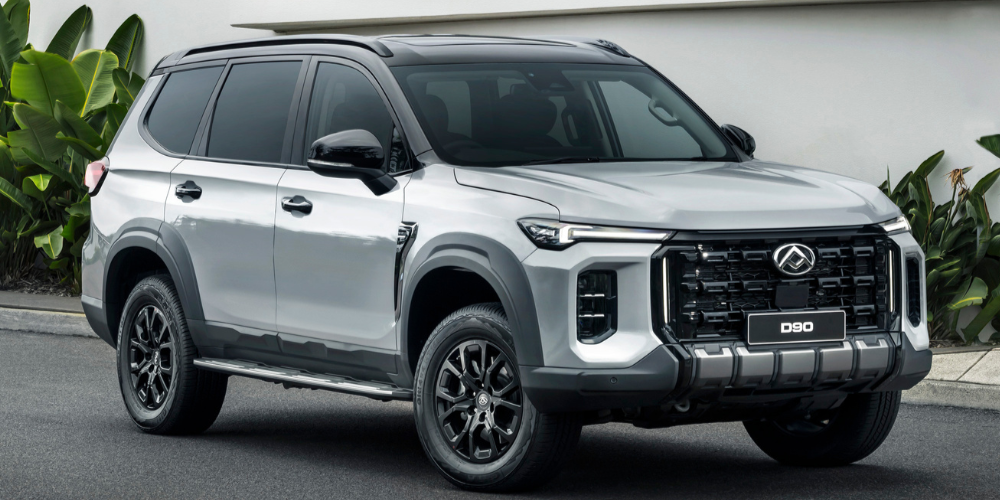
LDV rounds out the top five, carving out a strong niche in Australia’s commercial vehicle and ute segments. Best known for its range of dual-cab utes, vans and people movers, LDV has built a loyal following among tradespeople, fleets and business buyers seeking value-driven work vehicles.
The T60 and T90 dual-cab utes re main central to LDV’s success, offering competitive towing, off-road capability, and generous standard equipment at sharp prices. On the commercial front, LDV’s Deliver and eDeliver vans, including fully electric variants, have helped the brand gain traction among logistics and delivery operators transitioning towards lower-emission fleets.
While LDV’s overall volumes trail the larger SUV-focused brands, its targeted product strategy and growing electrified commercial range have secured it a solid foothold in key market segments.
| Segment | Model Name |
| SUV Range | LDV D90 |
| UTE Range | LDV Terron 9 |
| LDV T60 Max | |
| LDV eT60 | |
| People Mover Range | LDV MIFA 9 Electric |
| Van & Bus Range | DELIVER 7 |
| G10+ Van | |
| eDELIVER 7 | |
| DELIVER 9 Large Van | |
| eDELIVER 9 | |
| LDV DELIVER 9 Bus | |
| RV Range | LDV DELIVER 9 CAMPERVAN |
What’s next for Chinese car brands in Australia?
The 2025 sales figures highlight just how far Chinese car brands have progressed in Australia. Once considered niche or budget-only alternatives, they now compete head-to-head with established Japanese, Korean, and European manufacturers across nearly every segment. Strong value remains a major drawcard, but improved design, advanced technology, electrification, and long warranty coverage are now equally important factors in their success.
Beyond the top five, several other Chinese brands, including GAC, Geely, JAC, Leapmotor, Omoda, and Zeekr, are also building their presence in Australia. While their current sales volumes remain in the 4 and 3-digit range, these brands are firmly in their growth phase, steadily expanding dealer networks, refining product line-ups, and raising brand awareness.
Their gradual rise suggests that competition within the Chinese-car space is only set to intensify, further reshaping Australia’s new-car market in the years ahead.

Comments
New Comment