




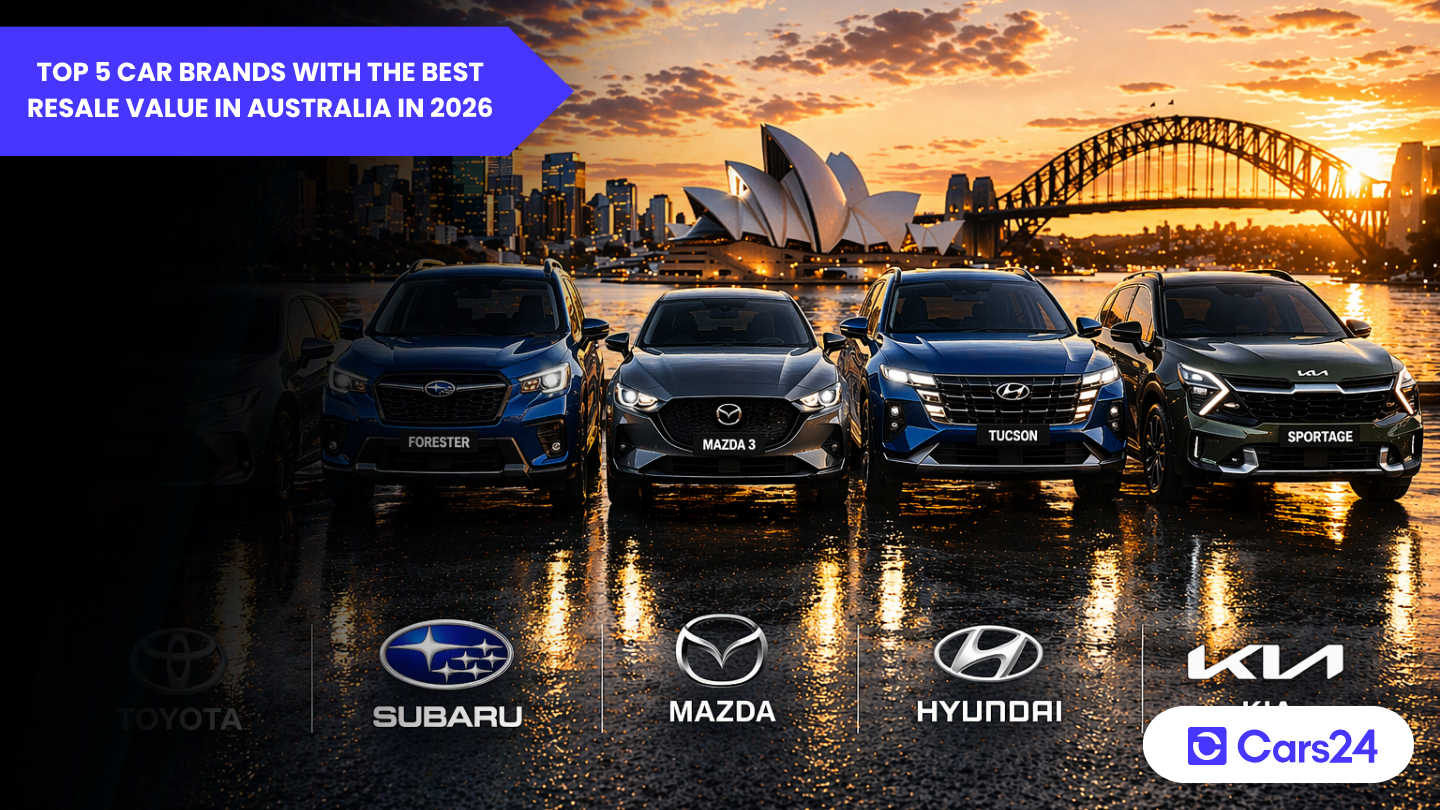
For many buyers, resale value is one of the most important yet often overlooked factors when choosing a car. Beyond the initial purchase price, the true cost of ownership is shaped by depreciation, running expenses, and how well a vehicle holds its appeal in the used market.
In Australia, where conditions range from dense urban commuting to long-distance regional driving, certain brands have built a reputation for durability and consistent used-market demand.
What sets these brands apart isn’t just reliability on paper, but how their vehicles perform over time in real-world conditions. Strong dealer networks, affordable servicing, and brand perception all play a role in keeping resale values high.
While some manufacturers command a premium upfront, they often return that value at trade-in. Others focus on affordability but still manage to retain competitive resale through high demand and warranty support.
If you’re weighing up your options in 2026, these 5 brands stand out not only for what they offer today, but for how well they hold their value over the ownership cycle.
Toyota — The lowest-risk resale benchmark
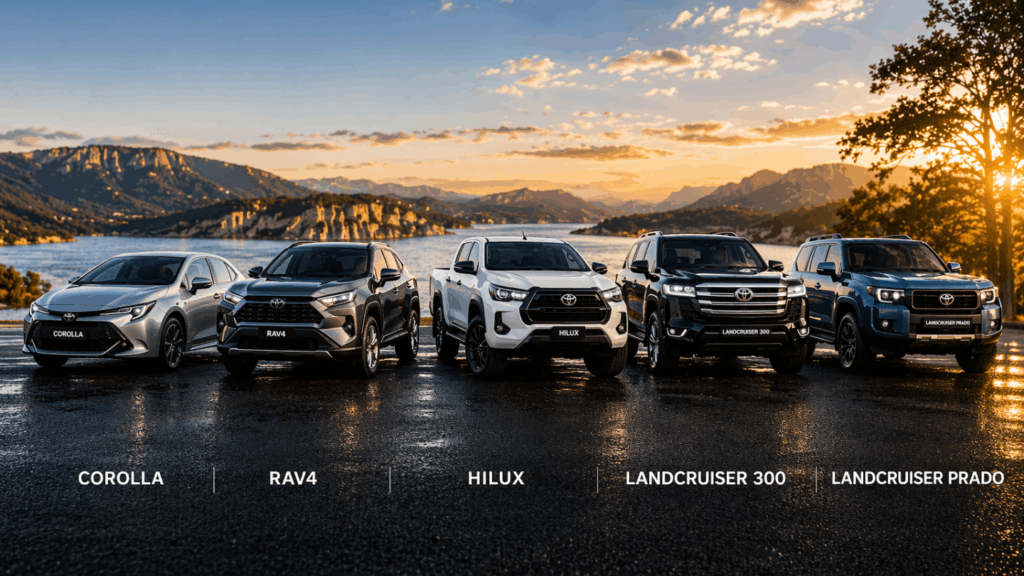
Toyota continues to set the standard for resale value in Australia, with models like the Corolla, RAV4, Hilux and LandCruiser consistently attracting strong demand on the used market. Compared to Hyundai and Kia, Toyota typically commands a higher upfront price, but this is often balanced by lower depreciation over time.
Where Mazda and Subaru offer strong alternatives in specific segments, Toyota’s advantage lies in its consistency across hatchbacks, SUVs, and utes. Hybrid variants of the Corolla and RAV4, in particular, tend to retain value exceptionally well due to rising fuel efficiency demands.
- Typical 3-year depreciation: ~ 20-25%
- Strong resale drivers: durability, cheap servicing, high trust factor
For buyers, the appeal is straightforward low running costs, proven reliability, and widespread service support. While it may not always be the cheapest option initially, Toyota remains one of the safest long-term bets for preserving value.
Subaru — Strong resale in AWD and lifestyle segments
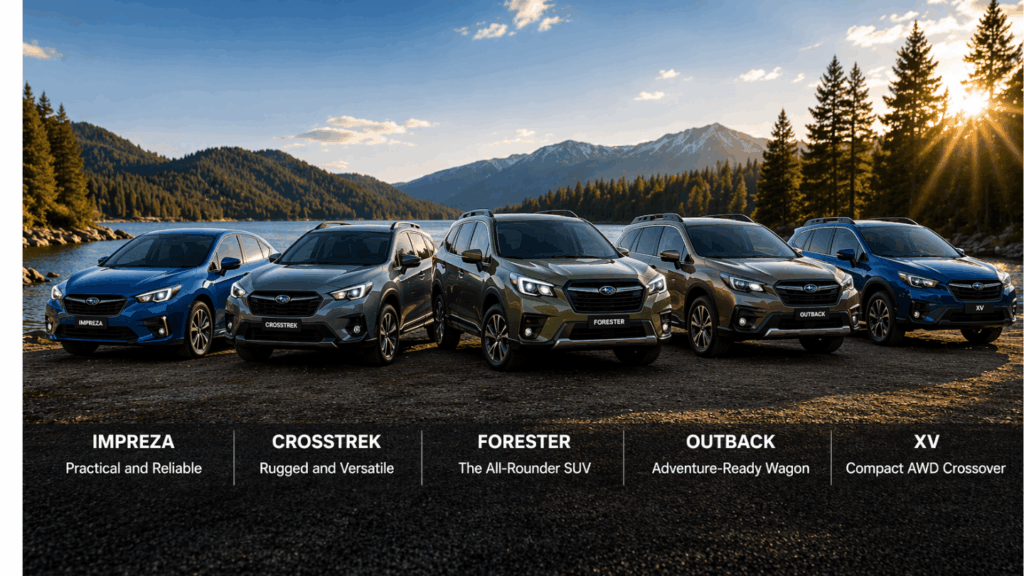
Subaru’s resale strength is closely tied to its standard all-wheel-drive lineup, with models like the Forester and Outback maintaining steady demand, particularly in regional Australia. Compared to Mazda’s more urban-focused SUVs, Subaru appeals more to buyers seeking versatility and off-road capability.
While it doesn’t quite match Toyota’s across-the-board resale consistency, Subaru often outperforms Hyundai and Kia in niche segments where AWD capability is valued. Its loyal customer base also helps stabilise used prices over time.
- Typical 3-year depreciation: ~ 25-30%
- Strong resale drivers: AWD capability, safety, niche loyalty
Subaru makes sense for buyers who regularly drive beyond the city. Running costs can be slightly higher than front-wheel-drive rivals, but this is offset by strong retained value and dependable long-term performance.
Hyundai — Affordable entry with steady resale returns
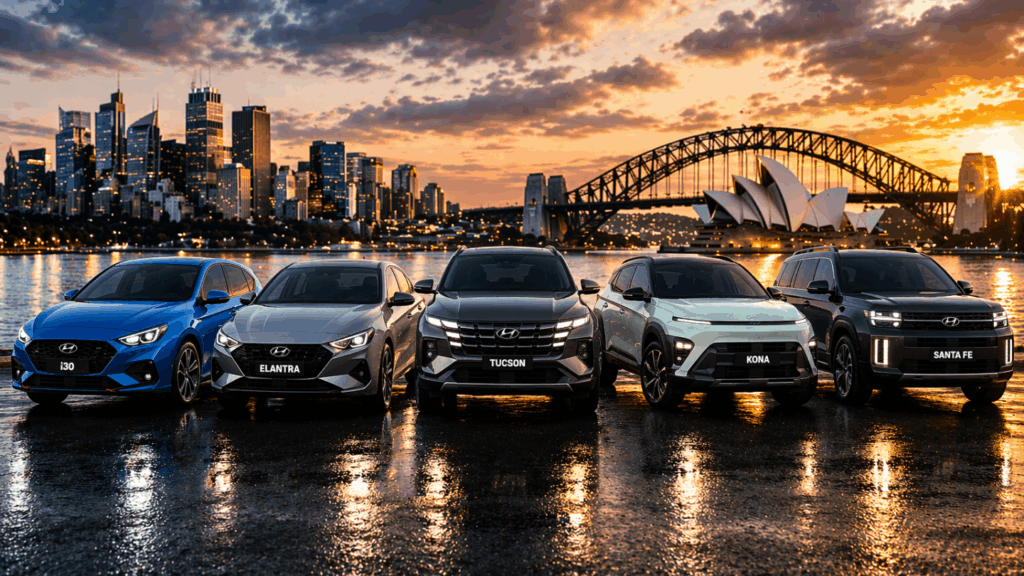
Hyundai remains one of the most accessible brands in Australia, with models like the i30, Tucson, and Kona offering a strong mix of value and reliability. Compared to Toyota, Hyundai vehicles typically depreciate faster, but they also come with a lower initial cost, making them appealing to budget-conscious buyers.
When stacked against Kia, Hyundai offers a similar ownership experience, though resale values can be marginally lower depending on the model. However, high demand for practical, well-equipped vehicles helps support consistent used prices.
- Typical 3-year depreciation: ~ 30-35%
- Strong resale drivers: affordability, warranty, modern features
Hyundai delivers predictable ownership costs and solid resale outcomes relative to its price point. It may not lead the segment, but it remains a smart, low-risk option for those prioritising affordability without sacrificing long-term value.
Mazda — A balance of value and desirability
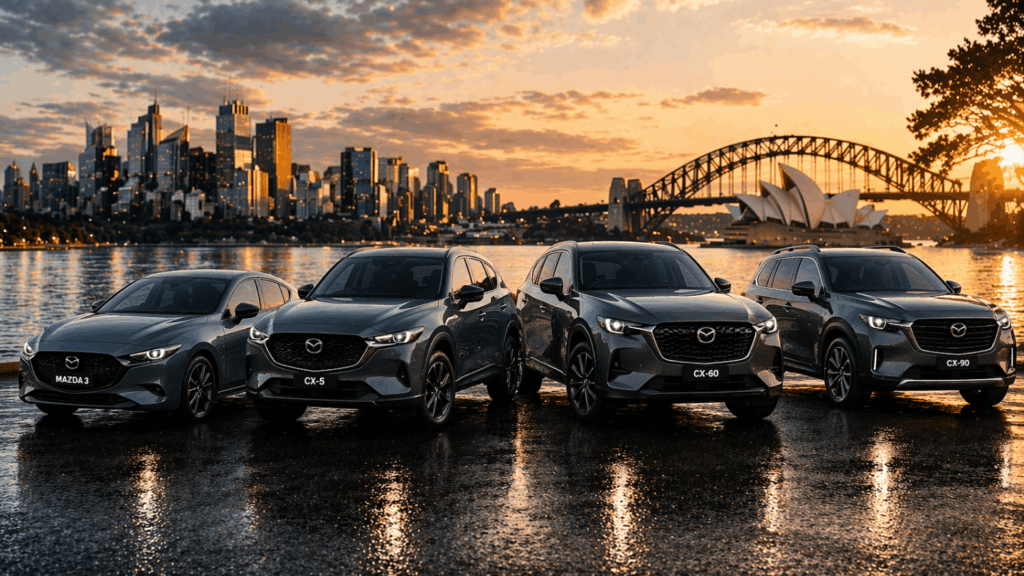
Mazda positions itself between Toyota’s resale strength and Hyundai’s affordability, offering a well-rounded ownership proposition. Models like the Mazda3 and CX-5 consistently perform well on the used market thanks to their blend of design, driving dynamics, and perceived quality.
Compared to Toyota, Mazda vehicles may depreciate slightly faster, but they often come with a lower purchase price, making them an attractive middle ground. Against Subaru, Mazda leans more towards on-road comfort and refinement rather than rugged capability.
- Typical 3-year depreciation: ~ 25-30%
- Strong resale drivers: styling, reliability, wide buyer appeal
Mazda offers strong resale without the premium typically associated with Toyota making it an attractive option for buyers. The brand is a strong middle-ground choice, balancing resale, driving appeal, and upfront cost.
Kia — Warranty-backed resale confidence
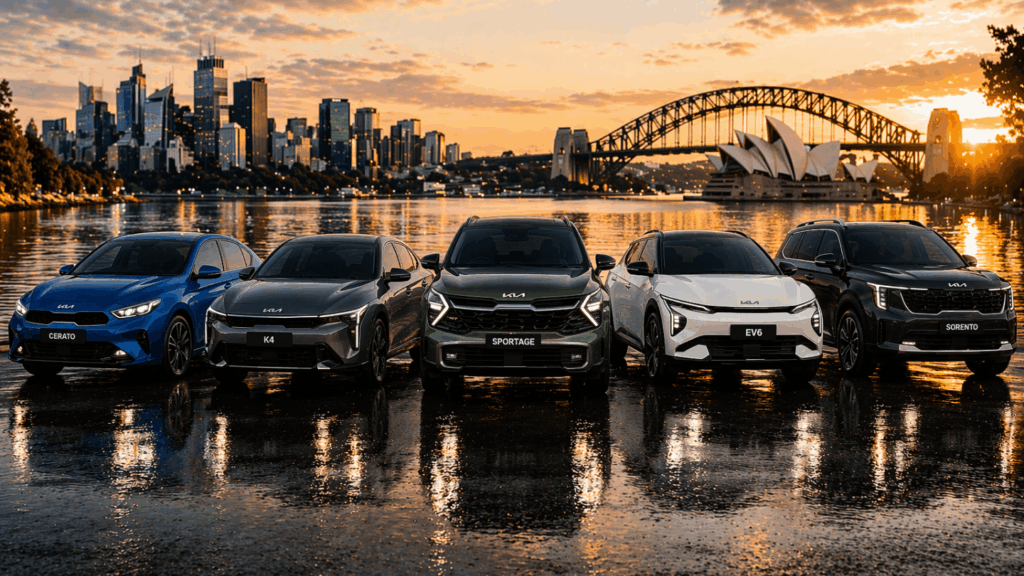
Kia has made significant gains in resale value over recent years, with models like the Cerato, Sportage, and Sorento benefiting from the brand’s 7-year warranty. Compared to Toyota and Mazda, Kia vehicles are generally more affordable upfront, which makes their resale performance even more compelling.
While they may not always match Toyota’s residual values, Kia models often outperform expectations when factoring in purchase price and remaining warranty coverage at resale. Against Hyundai, Kia tends to edge ahead slightly in retained value due to stronger perceived durability in certain segments.
- Typical 3-year depreciation: ~ 28-32%
- Strong resale drivers: long warranty, improved quality perception
Kia’s warranty doesn’t just reduce ownership risk, it actively boosts resale when the car is sold within the coverage period.
Final thoughts on resale value in 2026
Resale value isn’t determined by a single factor, it’s the result of how well a car balances reliability, ownership costs, and ongoing demand in the market. In Australia, brands that consistently deliver on these fronts tend to hold their value far better, regardless of segment.
Toyota remains the benchmark for minimal depreciation, particularly for buyers who want long-term certainty. Mazda and Subaru offer strong alternatives depending on whether your priorities lean towards driving experience or all-terrain capability.
Meanwhile, Kia and Hyundai continue to close the gap, appealing to buyers who want lower upfront costs without taking a significant hit at resale.
Ultimately, the best choice comes down to how you plan to use your vehicle. A city commuter, a family SUV, and a work-focused ute will all depreciate differently, but choosing a brand with a proven track record can significantly reduce long-term ownership costs.
For buyers in 2026, these five brands remain among the most dependable ways to balance upfront cost with long-term value.
Comments
New Comment