




For many buyers in Australia, a car’s ability to handle high kilometres is a key part of its overall value. With long commuting distances, regional travel, and rising ownership costs, vehicles that can reliably push past 200,000km, often with minimal major repairs, stand out in both the new and used markets. It’s not just about durability either; factors like engine design, drivetrain simplicity, servicing costs, and real-world efficiency all play a role in how well a car ages over time.
SUVs have become increasingly popular for their versatility, but they also need to prove they can match the longevity traditionally associated with smaller cars. At the same time, hatchbacks continue to offer a compelling case with lower running costs and fewer mechanical complexities.
From hybrid efficiency to all-wheel-drive durability and simple, proven petrol engines, each of these cars offers a slightly different approach to long-term ownership, making it easier to compare what suits your needs best.
This list brings together five models that consistently demonstrate strong high-mileage tolerance across different segments.
Toyota RAV4 Hybrid
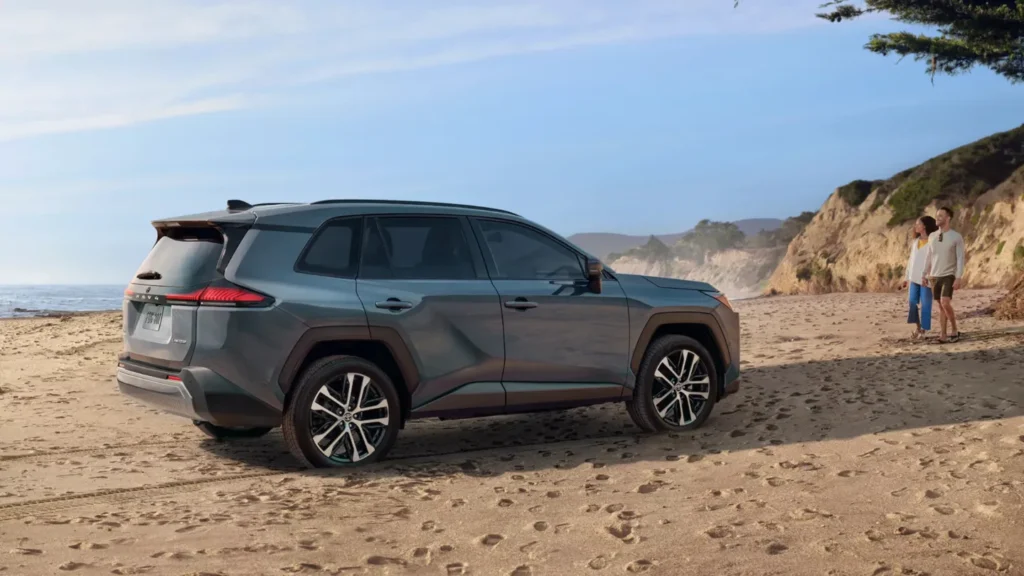
The Toyota RAV4 Hybrid remains the benchmark for high-mileage durability, particularly for buyers who want efficiency without sacrificing longevity. Toyota’s hybrid system has proven itself over time, often requiring less mechanical wear than conventional petrol drivetrains.
Compared to the Subaru Forester and Honda CR-V, the Toyota RAV4 stands out for lower fuel consumption and reduced running costs over long distances.
While it may not offer the same all-terrain confidence as the Forester, it’s typically cheaper to run over 200,000km-plus ownership. Compared to smaller cars like the Mazda 3 and Hyundai i30, it adds practicality and space without significantly increasing maintenance complexity.
For buyers covering big annual distances, the Toyota RAV4 Hybrid strikes one of the best balances between efficiency, reliability, and long-term ownership confidence.
| Specifications | Toyota RAV4 |
| Engine | 2.5L hybrid-petrol |
| Power | 143kW |
| Torque | 221Nm |
| Transmission | Continuously-variable automatic |
| Drivetrain | Front-wheel drive |
| Fuel economy (combined) | 3.9-4.0L/100km |
| Body style | Medium SUV |
| Dimensions (L x W x H) | 4,600 x 1,855 x 1,680mm |
| Seats | 5 |
Read more: Top 10 most reliable cars in Australia
Subaru Forester

The Subaru Forester appeals to buyers who prioritise durability in tougher conditions, particularly in regional Australia. Its all-wheel-drive system gives it an edge over the Toyota RAV4 Hybrid and Honda CR-V when it comes to gravel roads and light off-road use, though that added capability can mean slightly higher servicing costs over time.
In terms of high-mileage tolerance, the Subaru Forester has a strong reputation, especially when regularly maintained. However, it doesn’t quite match the fuel efficiency of the RAV4 Hybrid over long distances.
Compared to hatchbacks like the Mazda 3 and Hyundai i30, it’s less economical but far more versatile. For buyers who expect their car to handle both distance and rougher terrain, the Forester remains one of the most dependable long-term SUV options.
| Specifications | Subaru Forester |
| Engine | 2.5L petrol/ 2.5L petrol-hybrid |
| Power | 136/145kW |
| Torque | 247/212Nm |
| Transmission | Continuously-variable automatic |
| Drivetrain | All-wheel drive |
| Fuel Economy | 7.9L/100km (petrol)6.2L/100km (petrol-hybrid) |
| Body style | Medium SUV |
| Dimensions (L x W x H) | 4655x 1830x 1730mm |
| Seats | 5 |
Honda CR-V
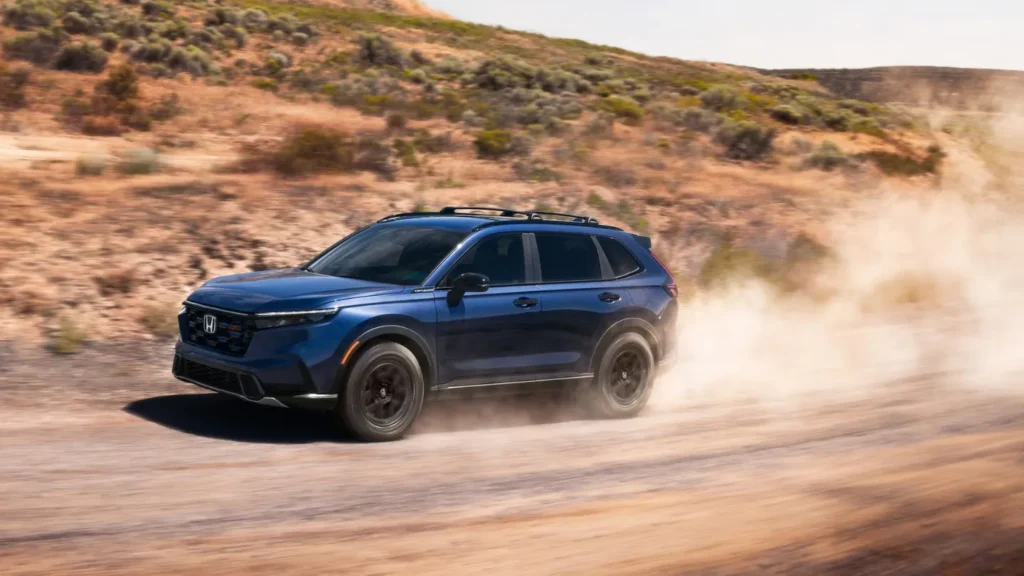
The Honda CR-V sits comfortably between the RAV4 Hybrid and Subaru Forester, offering a balance of efficiency, comfort, and proven long-term reliability. It’s not as fuel-efficient as the Toyota, nor as rugged as the Subaru, but it compensates with a smooth driving experience and consistent durability at high kilometre counts.
Compared to the Mazda 3 and Hyundai i30, the CR-V offers significantly more interior space, making it a better fit for families planning long-term ownership. Maintenance costs are generally predictable, and Honda’s engines are known for longevity when properly serviced.
While it may not lead in any single category, the Honda CR-V’s well-rounded nature makes it a safe, dependable choice for buyers wanting an SUV that can comfortably exceed 200,000km without major concerns.
| Specifications | Honda CR-V |
| Engine | 1.5L turbo-petrol/2.0L hybrid-petrol |
| Power | 140/135kW |
| Torque | 240/335Nm |
| Transmission | Continuously-variable automatic |
| Drivetrain | Front-wheel drive/ All-wheel drive |
| Fuel economy | 5.5L/100km (hybrid-petrol)7.1L/100km (turbo-petrol) |
| Body style | Medium SUV |
| Dimensions (L x W x H) | 4,704 x 1,866 x 1,681mm |
| Seats | 5 |
Read more: Best used family cars in Australia for reliability
Mazda 3
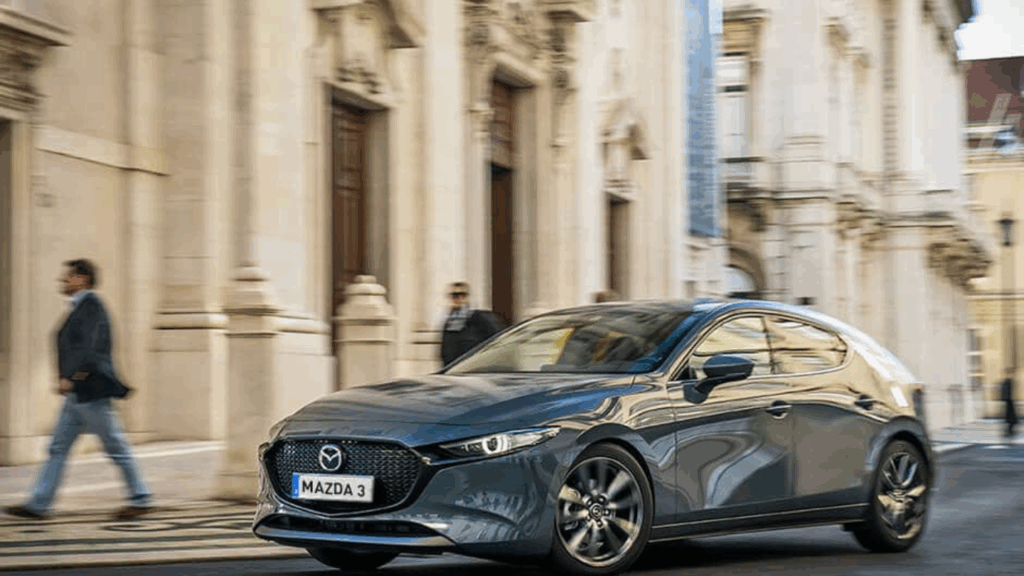
The Mazda 3 proves that high mileage tolerance isn’t limited to SUVs. As a smaller, lighter vehicle, it often experiences less drivetrain stress than larger models like the CR-V or Forester, which can contribute to long-term reliability.
Compared to the Hyundai i30, it offers a more refined driving experience, though both are closely matched in durability.
While it lacks the practicality of the SUVs on this list, it compensates with lower servicing costs and strong fuel efficiency. Over high kilometres, it’s typically cheaper to maintain than the RAV4 Hybrid or CR-V, particularly for urban drivers.
For buyers who don’t need extra space or off-road capability, the Mazda 3 is one of the most cost-effective ways to achieve long, trouble-free ownership.
| Specifications | Mazda 3 |
| Engine | 2.0L /2.5L petrol |
| Power | 114/139kW |
| Torque | 200/252Nm |
| Transmission | 6-speed automatic |
| Drivetrain | Front-wheel drive |
| Fuel economy | 5.9L/100km (petrol, mild-hybrid system depending on variant) 6.6L/100km (turbo-petrol) |
| Body style | Hatchback |
| Dimensions (L x W x H) | 4,460 x 1,795 x 1,435mm |
| Seats | 5 |
Read more: Top 5 best value used cars in Australia in 2026
Hyundai i30
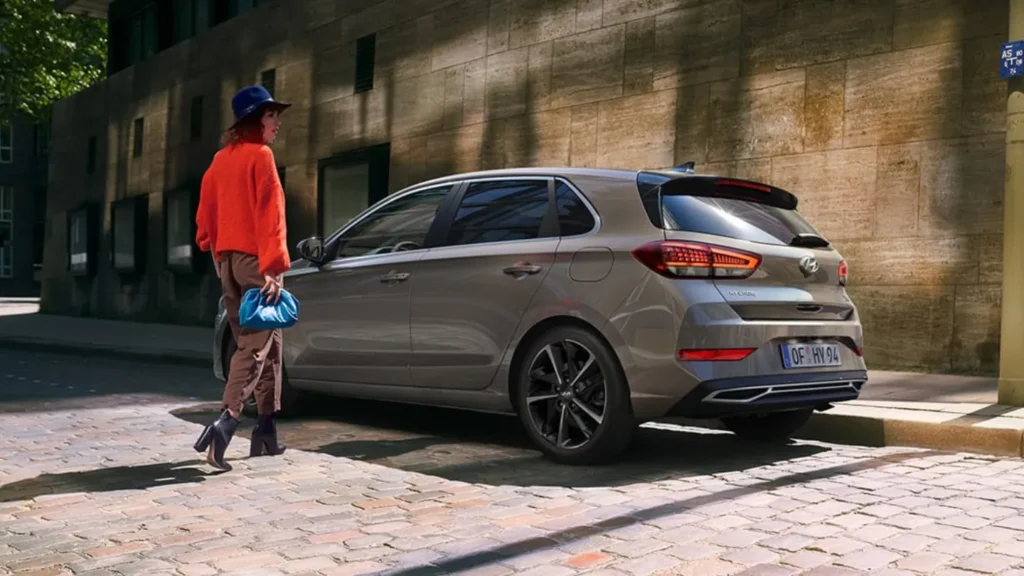
The Hyundai i30 rounds out the list as one of the most accessible high-mileage performers. It’s often seen as a value-focused alternative to the Mazda 3, typically offering a lower purchase price while still delivering solid long-term reliability.
While it may not match the refinement of the Mazda or the efficiency of the RAV4 Hybrid, it holds its own in durability.
Compared to SUVs like the CR-V and Forester, the i30 is far cheaper to run and maintain, making it ideal for buyers prioritising low ownership costs over versatility. It’s particularly well-suited to urban and commuter use, where its simplicity becomes an advantage over time. For buyers chasing dependable, no-frills longevity, the i30 remains one of the smartest budget-friendly choices.
| Specifications | Hyundai i30 |
| Engine | 1.6L turbo-petrol/ 2.0L petrol |
| Power | 120/150kW (hatch)117/150kW (sedan) |
| Torque | 203/265Nm (hatch)191/265Nm (sedan) |
| Transmission | 6-speed manual/ 6-speed automatic 7-speed DCT (N-Line) |
| Drivetrain | FWD |
| Fuel economy | 7.3–7.5L/100km (petrol)7.1-7.5L/100km (turbo-petrol) |
| Body style | Hatchback/Sedan |
| Dimensions (L x W x H) | 4,340 x 1,795 x 1,455mm4,345 x 1,795 x 1,453mm (N-Line) |
| Seats | 5 |
Final thoughts on high-mileage cars in Australia
High mileage tolerance ultimately comes down to how well a car balances durability, running costs, and real-world usability. The Toyota RAV4 Hybrid leads for efficiency and long-distance economy, while the Subaru Forester offers added confidence in tougher conditions. The Honda CR-V sits in the middle as a dependable all-rounder.
Meanwhile, the Mazda 3 and Hyundai i30 prove that smaller cars can deliver exceptional longevity at a lower cost. Choosing between them depends on whether you prioritise space and versatility or simplicity and affordability, but all five have proven they can go the distance.

Comments
New Comment