




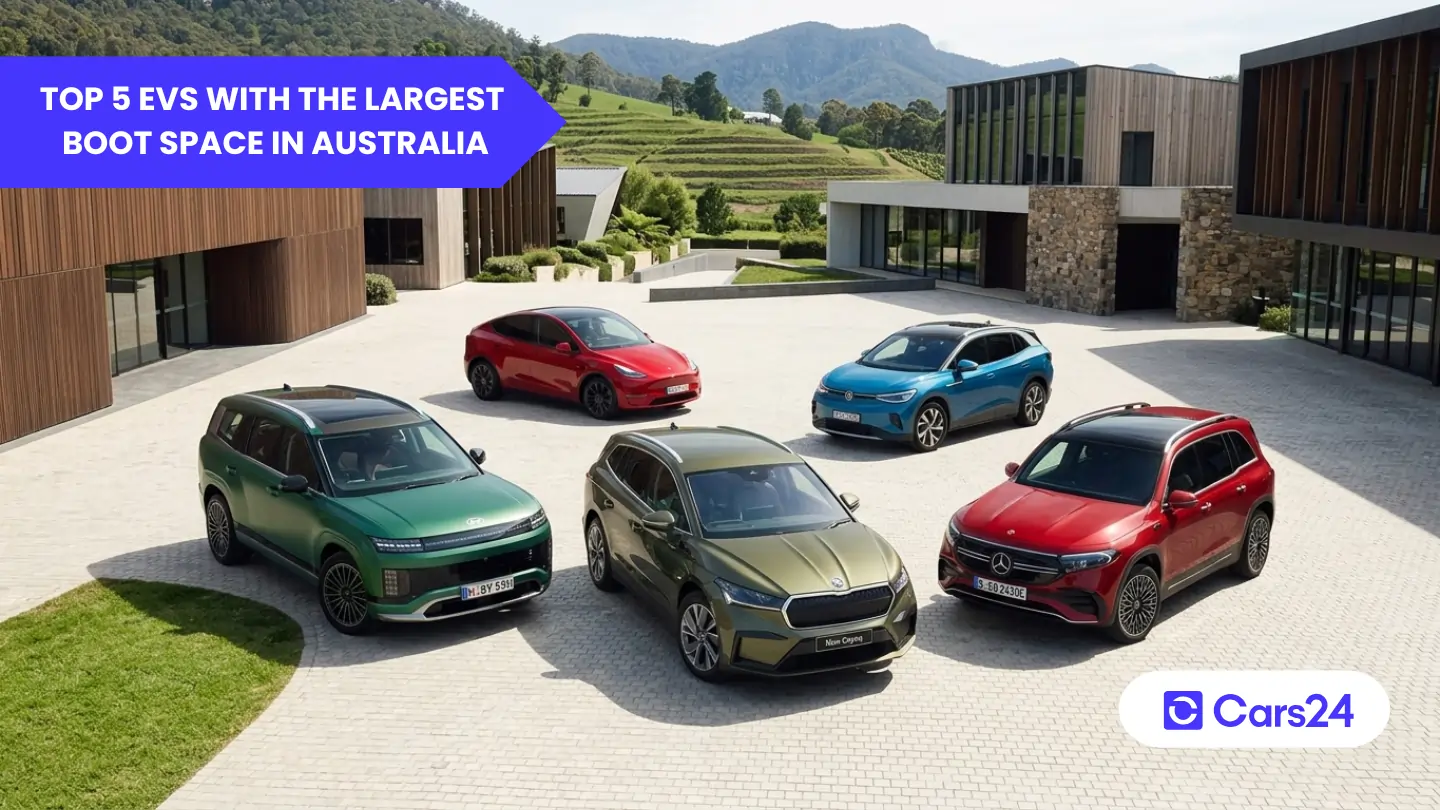
Boot space has become one of the biggest deciding factors for Australian EV buyers. While range and charging capability continue to dominate conversations, the ability to carry family luggage, sports gear, camping equipment, prams, or bulky shopping loads remains equally important in day-to-day ownership.
Electric vehicles often benefit from packaging advantages that create more usable interior space than similarly sized combustion cars. Flat floors, compact drivetrains, and in some cases front storage compartments (frunks) allow EVs to offer impressive boot space without necessarily increasing exterior dimensions.
But outright litres only tell part of the story. Boot shape, load height, seat-folding flexibility, cabin packaging, and front storage all influence how practical an EV feels in real-world Australian use.
Here are 5 EVs with the largest boot space currently available in Australia and why they stand out.
| Model | Boot space (all seats up) | Boot space (rear rows down) |
| Tesla Model Y | 854L + 117L | 2,183L |
| Skoda Enyaq | 585L | 1,710L |
| Volkswagen ID.4 | 543L | 1,575L |
| Mercedes EQB | 495L | 1,710L |
| Hyundai Ioniq 9 | 338L | 908L |
This ranking considers both official boot capacity and overall cargo flexibility, including folded-seat volume and additional storage areas where applicable.
Tesla Model Y – 2,183 litres


If boot space is the priority, the Tesla Model Y remains one of the most practical EVs sold in Australia. Its enormous 854 litre rear boot is already class-leading, but the addition of a 117 litre front trunk gives it an advantage few rivals can match.
The packaging efficiency becomes even more apparent once the rear seats are folded, unlocking up to 2,183 litres of total carrying space. That puts the Model Y comfortably ahead of every vehicle on this list for buyers regularly transporting large items, road-trip gear, or family luggage.
Unlike some larger SUVs that achieve capacity through sheer size, the Model Y delivers impressive usability in a relatively manageable footprint. The wide opening, flat load floor and underfloor storage areas make everyday loading straightforward.
For buyers who want maximum boot space flexibility without moving into a full-size SUV segment, the Tesla Model Y remains the benchmark among practical electric vehicles.
Read more: Top 10 best electric cars for families in Australia
Skoda Enyaq – 1,710 litres
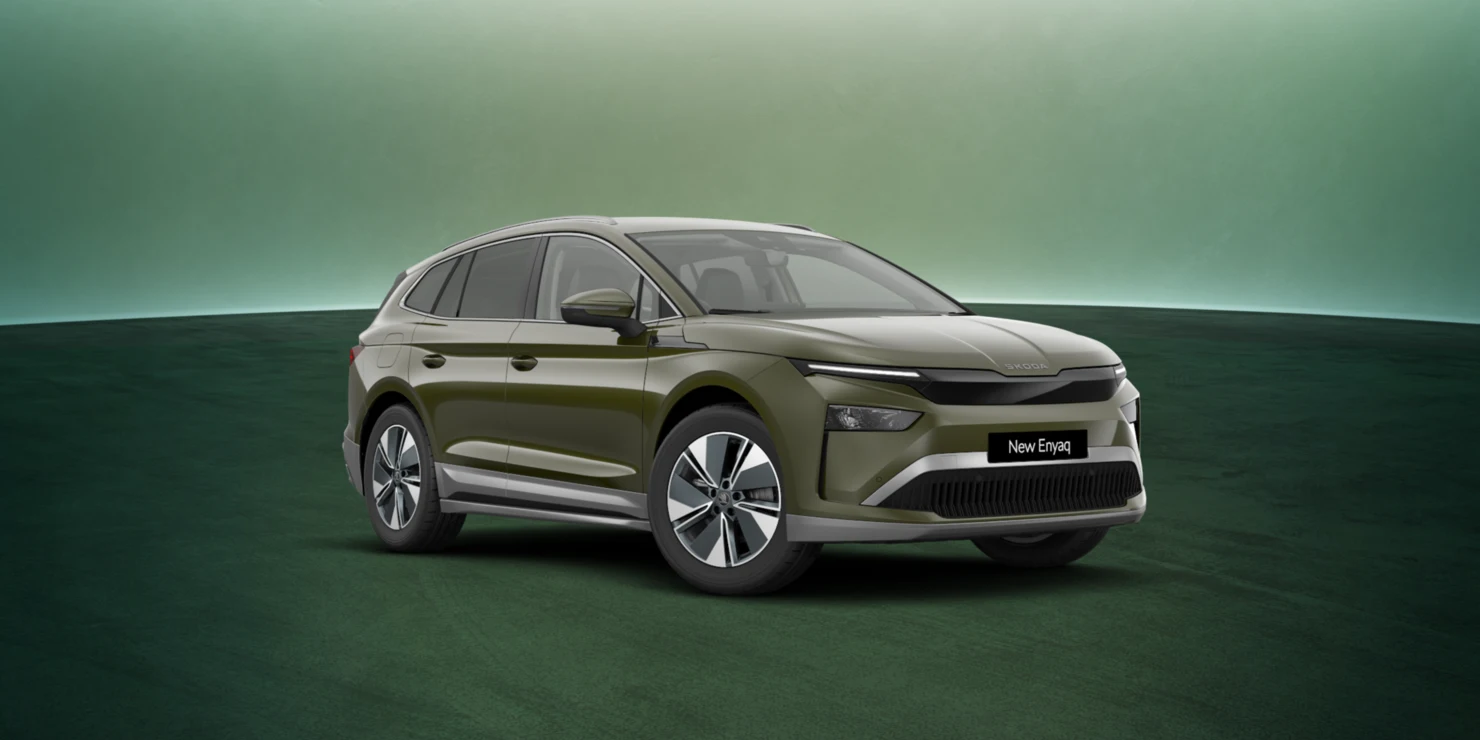
The Skoda Enyaq takes a different approach to practicality. Rather than chasing headline boot space figures through additional storage compartments, it focuses on delivering one of the most usable conventional boot layouts among electric SUVs.
Its 585 litre boot space comfortably exceeds the Volkswagen ID.4 and Mercedes EQB, giving it an advantage for buyers carrying bulky luggage without needing to fold seats regularly. Once expanded to 1,710 litres, it becomes highly competitive with larger vehicles.
What makes the Enyaq particularly appealing is how efficiently the space is shaped. The square load area and practical dimensions make it easier to maximise every litre in real-world use.
Compared with the Tesla Model Y, the Enyaq doesn’t offer the same total carrying volume, but it delivers a more traditional SUV experience while remaining one of Australia’s most practical family EV choices.
Read more: Top 5 EVs with the best battery warranties in Australia (2026)
Volkswagen ID.4 – 1,575 litres
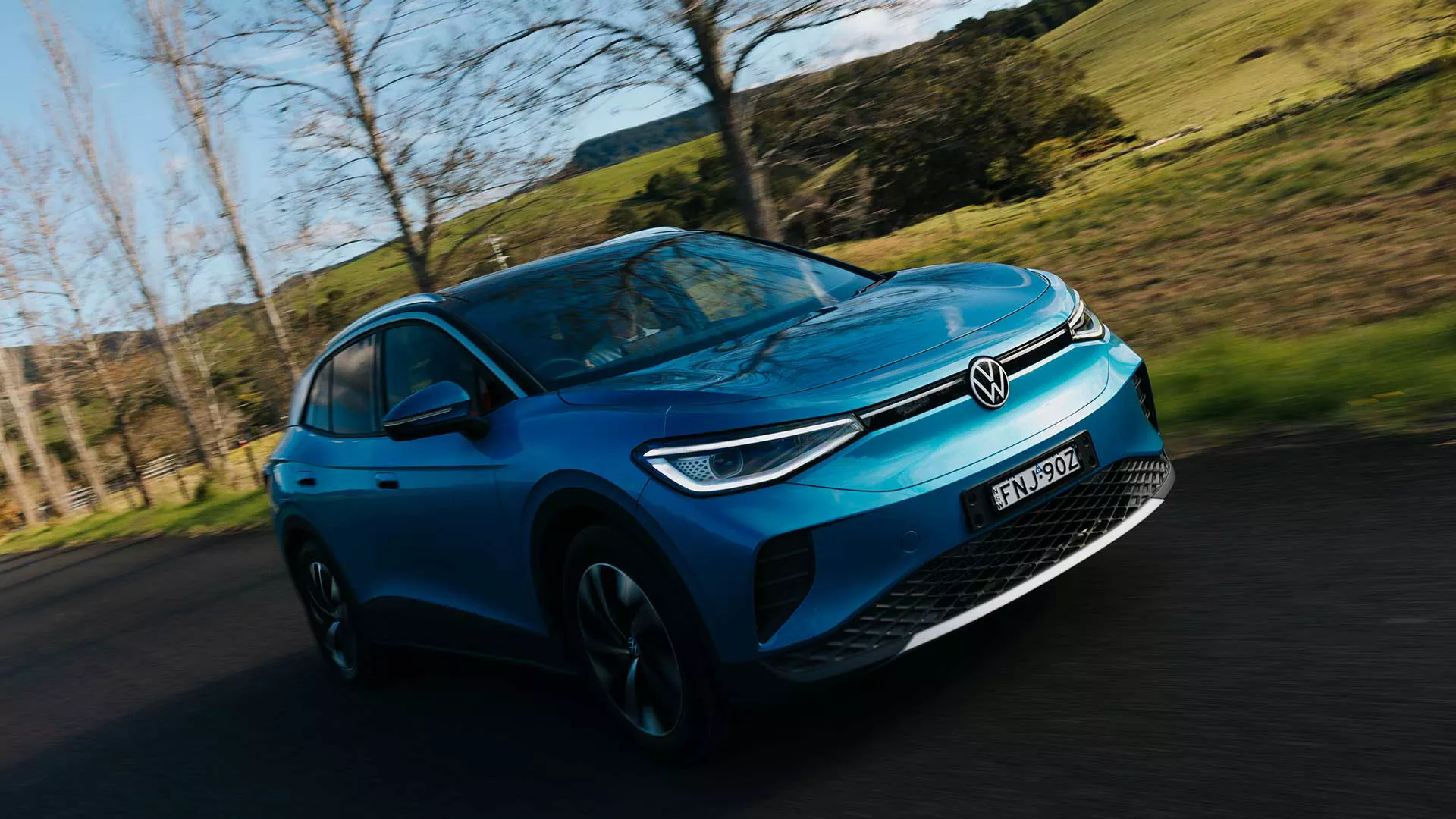
The Volkswagen ID.4 positions itself in the middle ground of this list, offering generous luggage capacity without prioritising boot space above all else.
Its 543 litre boot provides meaningful everyday practicality and sits ahead of the Mercedes EQB despite occupying a similar family-focused space. Fold the rear seats and capacity expands to 1,575 litres, making it suitable for weekend getaways, airport runs, and larger household loads.
Where the ID.4 distinguishes itself is balance. It combines a sizable boot with compact external dimensions and a comfortable passenger environment, creating an EV that doesn’t feel oversized in urban settings.
Compared with the Skoda Enyaq, the ID.4 gives away slightly less boot space but counters with a slightly more compact feel. Against the Tesla Model Y, it prioritises simplicity over maximum storage figures.
Read more: Top 10 cheapest EVs for under $50K
Mercedes EQB – 1,710 litres

The Mercedes EQB demonstrates that boot space isn’t always about headline numbers. While its 495 litre capacity trails the Skoda Enyaq and Volkswagen ID.4, its ability to expand to 1,710 litres makes it surprisingly versatile.
One of the EQB’s biggest advantages is flexibility. Buyers who occasionally prioritise passengers can benefit from available seven-seat practicality while still retaining respectable luggage capability for an electric SUV.
In everyday use, the boot space feels larger than the figures suggest thanks to its upright body shape and efficient cabin packaging. That makes it particularly useful for growing families balancing passenger needs with luggage requirements.
When you put EQB against the more boot-focused Tesla Model Y, the EQB sacrifices volume but offers greater seating versatility. It also matches the Enyaq’s folded-seat capacity despite starting from a smaller boot figure.
Read more: Top 10 fastest EVs in the world
Hyundai Ioniq 9 – 908 litres
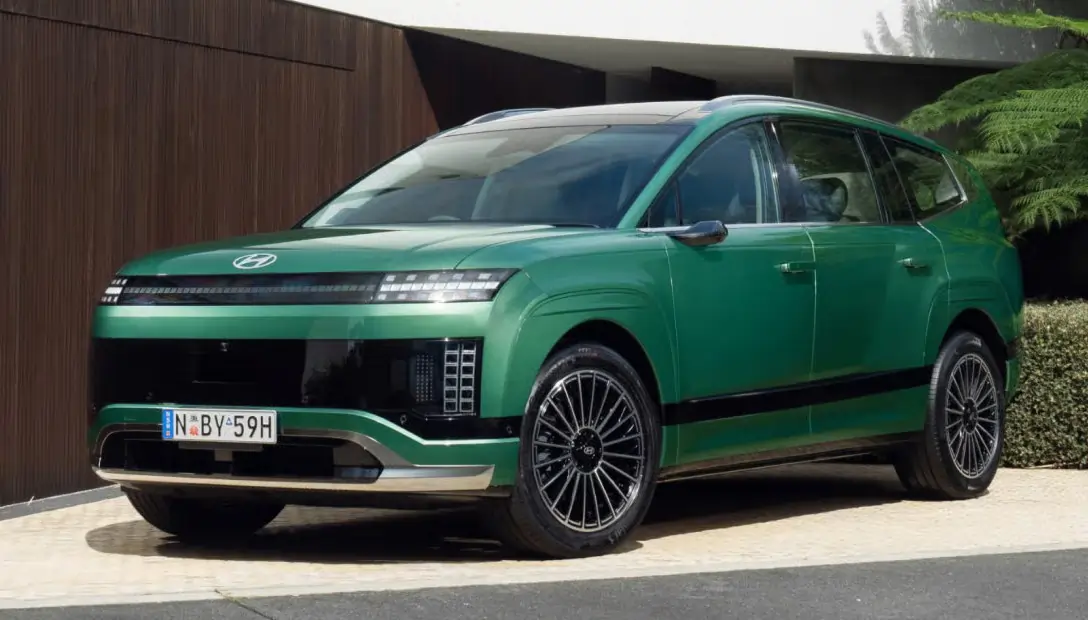
At first glance, the Hyundai Ioniq 9 appears out of place on a largest-boot list because its quoted 338 litre rear luggage capacity is the smallest here. However, context matters.
As a large three-row electric SUV, the Ioniq 9 prioritises passenger accommodation first. With all seats in use, boot space naturally becomes more limited than five-seat rivals. But once seating configurations change, its practicality improves considerably.
For larger households that regularly carry six or seven occupants, the Ioniq 9 offers something the others largely cannot: genuine people-moving ability without moving away from EV ownership.
Compared with the Mercedes EQB, the Ioniq 9 targets buyers who place greater importance on cabin versatility than maximum luggage volume. It cannot match the Tesla Model Y or Skoda Enyaq for outright boot capacity, but for families needing extra seats, it fills a very different role.
Read more: Top 5 best value used electric cars in Australia in 2026
Why does boot space matter more for EV buyers in 2026?
As electric vehicles become mainstream in Australia, buyers are increasingly treating them as primary family cars rather than second vehicles. That means practical considerations such as boot capacity are becoming more important.
A large boot improves everyday usability, reduces the need for roof storage, and makes long-distance travel easier. It also becomes increasingly valuable for families balancing charging stops with carrying luggage efficiently.
Importantly, buyers should look beyond official litre figures. Features such as flat floors, underfloor storage, folding seat configurations, frunks, and usable opening dimensions often make a bigger difference than the headline number alone.
Final thoughts
The best large-boot EV in Australia ultimately depends on how you use the space.
The Tesla Model Y remains the boot space champion with unmatched combined storage capacity. The Skoda Enyaq and Volkswagen ID.4 strike an excellent balance between practicality and everyday usability. The Mercedes EQB adds valuable seating flexibility, while the Hyundai Ioniq 9 prioritises transporting people as much as luggage.
For buyers making the switch to electric, choosing the EV with the largest boot isn’t simply about litres, it’s about finding the right mix of storage, flexibility, and real-world practicality.

Comments
New Comment