




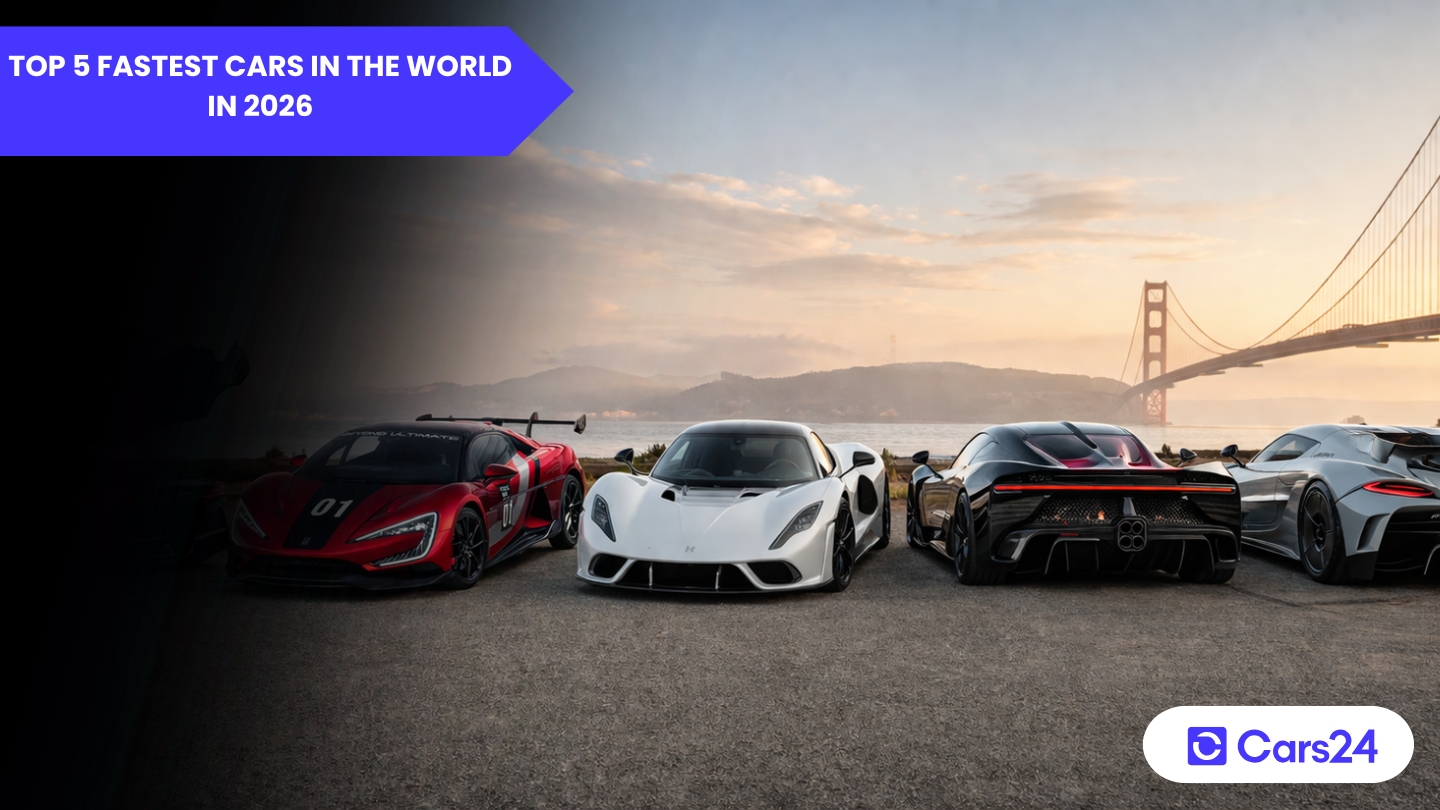
The race to build the world’s fastest car isn’t just an engineering battle, it’s also a status symbol for the ultra-wealthy. Case in point: Australian billionaire Nick Politis recently made headlines after reportedly acquiring what’s being described as the world’s fastest car, highlighting just how exclusive and sought-after these machines have become.
That kind of attention underlines a bigger trend. Hypercars are no longer just about performance, they are investments, collector’s items, and technological showcases. But beyond the headlines and price tags lies the real story: just how fast can a road-legal car actually go?
Today, the answer isn’t straightforward. Some manufacturers have verified top-speed records, while others are chasing ambitious targets that push the limits of physics. The gap between them is razor-thin, with multiple contenders targeting the 500km/h mark, though none have officially reached it in a production-verified run.
From the aerodynamically optimised Koenigsegg Jesko Absolut to the all-electric disruption of the Yangwang U9 Xtreme, the world’s fastest cars take very different approaches to achieving outright speed. Here’s a closer look at how they stack up.
| Model | Top Speed |
| Koenigsegg Jesko Absolut | 500km/h |
| Hennessey Venom F5 | 500km/h |
| Yangwang U9 Xtreme | 496km/h |
| Bugatti Chiron Super Sport 300+ | 490km/h |
| SSC Tuatara | 474km/h |
Koenigsegg Jesko Absolut
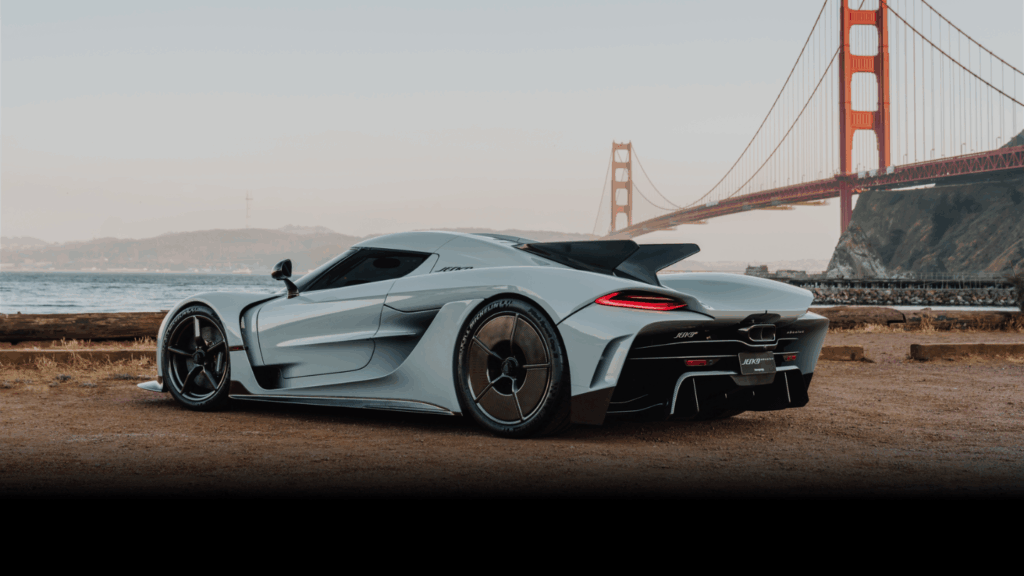
The Koenigsegg Jesko Absolut sits at the very top of this list on paper, with a claimed top speed of 500km/h. Unlike the Bugatti Chiron Super Sport 300+, which has a verified record, the Jesko’s figure remains theoretical for now. What sets it apart is its obsessive focus on aerodynamics, with Koenigsegg designing it to minimise drag more than any previous model.
Compared to the Hennessey Venom F5, which also targets 500km/h, the Jesko leans heavily on efficiency rather than brute force alone. Its twin-turbo V8 produces up to 1,193kW, putting it right in the mix with the most powerful combustion hypercars. If Koenigsegg manages an official run, it could comfortably leapfrog every other car here.
| Specifications | Koenigesegg Jesko Absolut |
| Top Speed | 500km/h |
| Power | 1,193kW |
| Drivetrain | Rear-wheel drive |
| Acceleration | 2.5 seconds |
Hennessey Venom F5
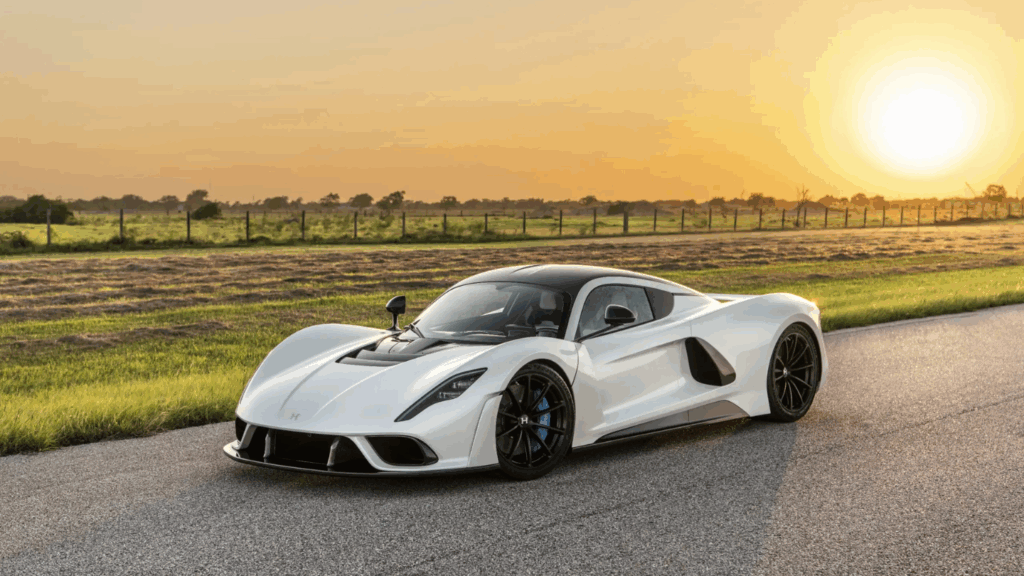
The Hennessey Venom F5 takes a slightly different approach to the same goal: brute force. With a claimed top speed of 500km/h, it directly rivals the Jesko Absolut, but relies more on sheer power than aerodynamic finesse. Its 1,355kW twin-turbo V8 makes it one of the most powerful cars on this list.
Compared to the Jesko, the Venom F5 is less about finesse and more about straight-line dominance. However, unlike the Bugatti Chiron Super Sport 300+, it hasn’t yet achieved a verified 500km/h run. That places it in a similar category to the Jesko, immensely capable, but still waiting to prove its full potential.
| Specifications | Hennessey Venom F5 |
| Top Speed | 500km/h |
| Power | 1,355kW |
| Drivetrain | Rear-wheel drive |
| Acceleration (0-100 km/h) | 2.6 seconds |
Yangwang U9 Xtreme
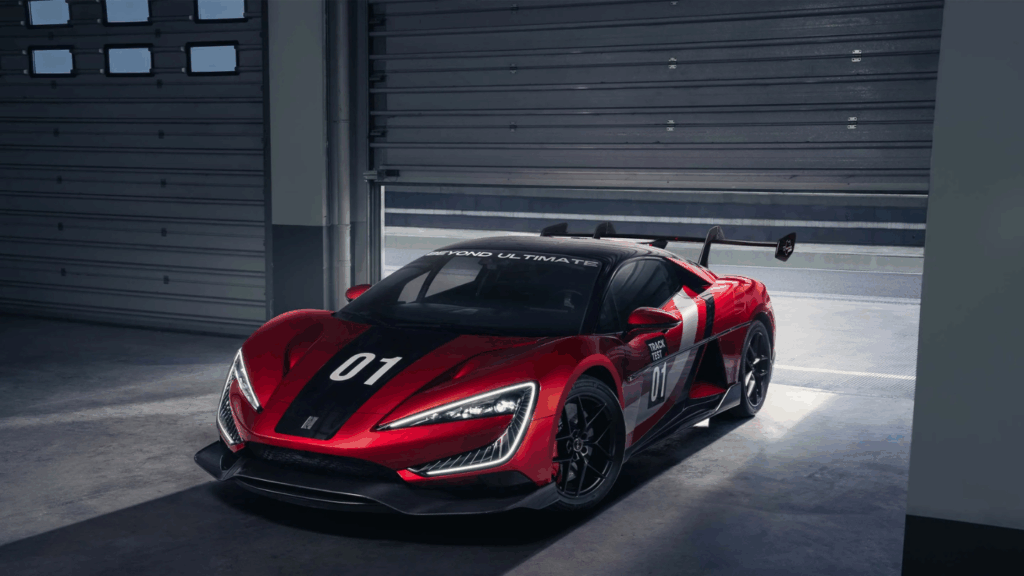
The Yangwang U9 Xtreme is arguably the most disruptive car on this list. Unlike the petrol-powered Jesko and Venom F5, it’s fully electric and yet it comes remarkably close in terms of outright speed, with a recorded 496.22km/h.
What makes the U9 stand out is how it delivers performance. With close to 2,237kW and advanced torque vectoring, it offers instant acceleration that neither the Bugatti nor the SSC Tuatara can match. While it falls just short of the 500km/h mark, it’s still in early stages, with no verified high-speed record comparable to hypercar benchmarks, making it more credible than some higher-ranked rivals.
| Specifications | Yangwang U9 Xtreme |
| Top Speed | 496km/h |
| Power | 2,237kW |
| Drivetrain | Quad-motor All-wheel drive |
| Acceleration (0-100 km/h) | 2.4 seconds |
Bugatti Chiron Super Sport 300+
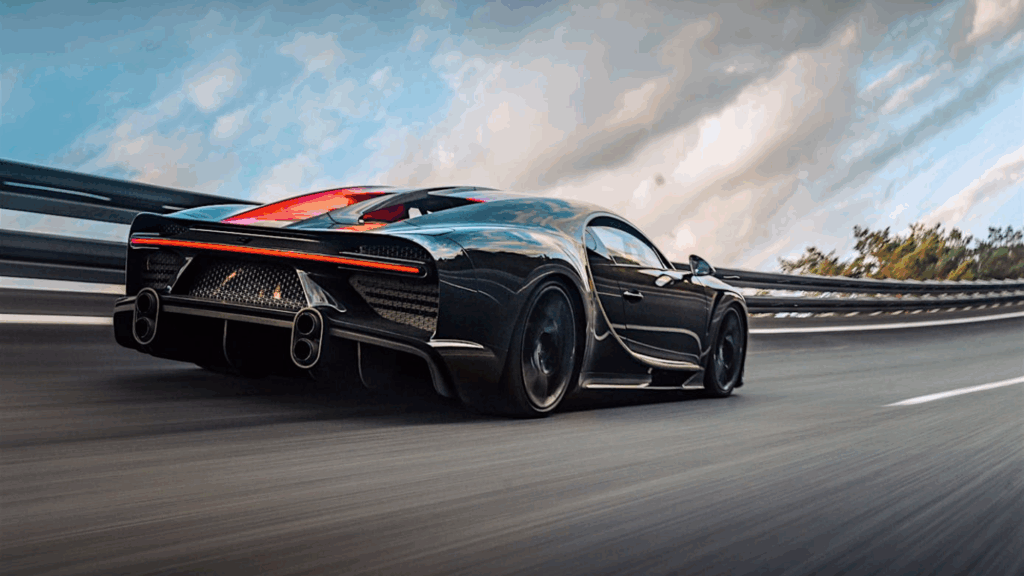
The Bugatti Chiron Super Sport 300+ remains one of the most important benchmarks in this space. It was the first production-based car to break the 300mph (482.8km/h) barrier, recording a top speed of 490.48km/h. That gives it a level of credibility that the Jesko and Venom F5 are still chasing.
Compared to newer entrants like the Yangwang U9, the Chiron relies on a more traditional formula, a quad-turbocharged W16 engine producing 1,176kW. While it’s slightly slower on paper than the cars above it, its verified record cements its place as one of the most significant hypercars ever built.
| Specifications | Bugatti Chiron Super Sport 300+ |
| Top Speed | 490km/h |
| Power | 1,176kW |
| Drivetrain | All-wheel drive |
| Acceleration (0-100 km/h) | 2.4 seconds |
SSC Tuatara
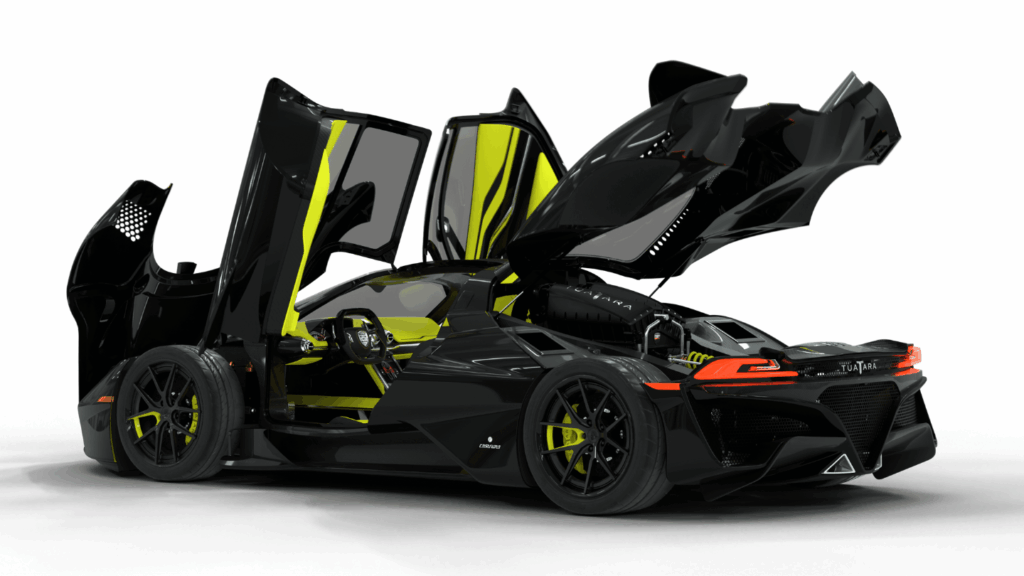
The SSC Tuatara rounds out this list with a claimed top speed of 474km/h. While it sits below the Bugatti and Yangwang in outright numbers, it remains one of the closest challengers to the 500km/h barrier.
Its position is particularly interesting when compared to the Chiron Super Sport 300+. While Bugatti has a verified record, the Tuatara’s top-speed attempts have been subject to scrutiny, placing it in a controversial but partially verified position. Still, with a 1,305kW twin-turbo V8 and an ultra-low drag design, it remains firmly in contention among the world’s fastest cars.
| Specifications | SSC Tuatara |
| Top Speed | 474km/h |
| Power | 1,305kW |
| Drivetrain | Rear-wheel drive |
| Acceleration (0-100 km/h) | 2.7 seconds |
The pursuit of speed isn’t slowing down
If there’s one clear takeaway, it’s that the battle for the world’s fastest car is far from settled. While the Bugatti Chiron Super Sport 300+ still holds one of the most credible verified benchmarks, newer contenders like the Koenigsegg Jesko Absolut and Hennessey Venom F5 are pushing into largely uncharted territory with ambitious 500km/h targets.
At the same time, the emergence of electric hypercars such as the Yangwang U9 Xtreme signals a shift in how speed is achieved. Instant torque and advanced drivetrain technology are allowing EVs to compete directly with, and in some cases challenge, traditional combustion-powered rivals. Even cars like the SSC Tuatara show that aerodynamic efficiency and lightweight construction still play a critical role in this race.
For readers and enthusiasts, the key distinction remains between claimed figures and verified records. While headline numbers continue to climb, official top-speed runs are becoming increasingly difficult to execute, requiring ideal conditions, specialised tracks, and immense resources.

Comments
New Comment