




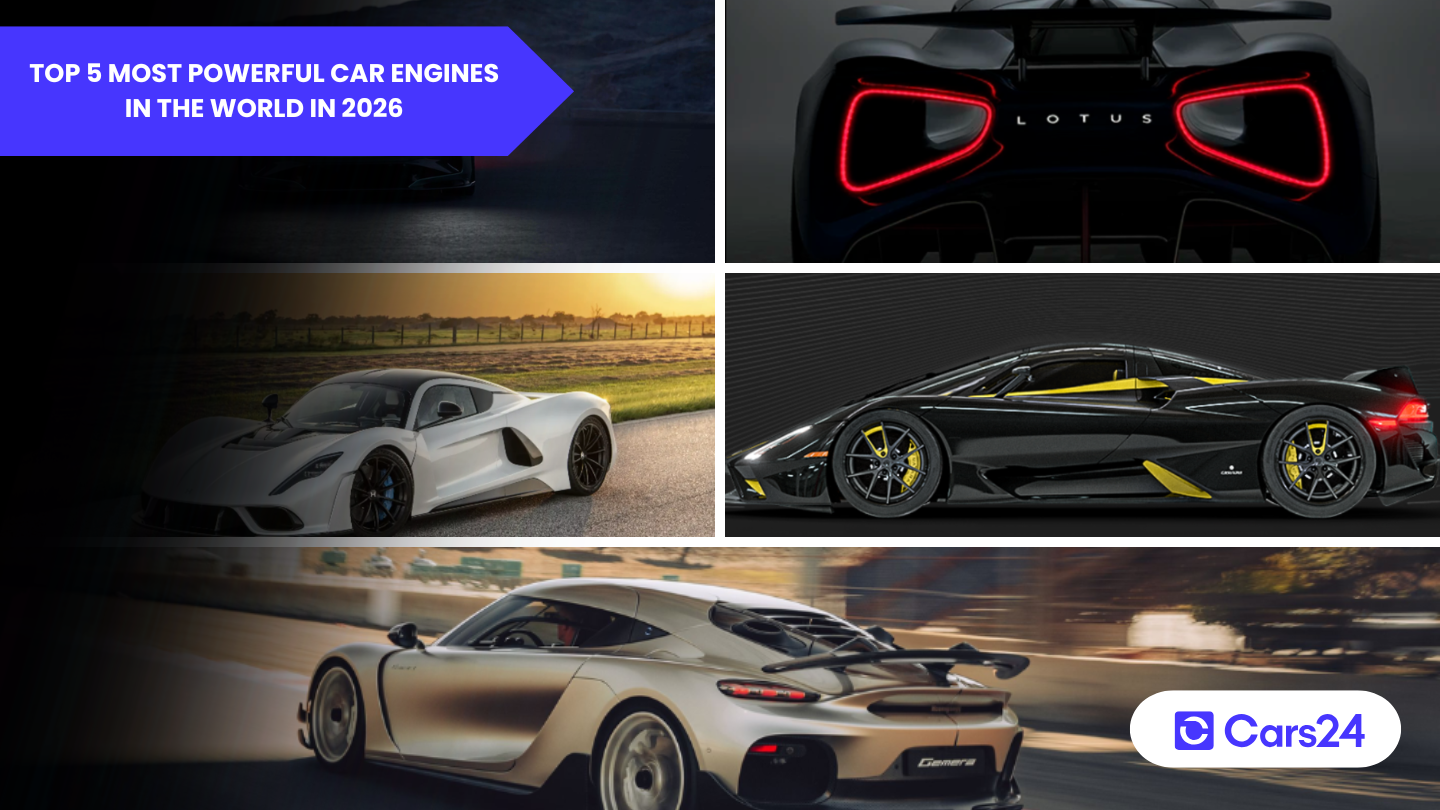
The pursuit of power has always been central to the automotive world. From the earliest V8 muscle cars to today’s electrified hypercars, engineers have relentlessly pushed the boundaries of what an engine or powertrain can deliver.
In 2026, the definition of “engine power” has evolved dramatically. Traditional twin-turbo combustion engines now compete with multi-motor electric powertrains capable of producing extraordinary levels of instant torque and acceleration. Some manufacturers are blending both technologies, creating hybrid systems that push performance beyond anything previously imaginable.
While raw horsepower figures don’t always translate directly to real-world usability, they remain a powerful indicator of engineering ambition and technological capability. The vehicles below represent the absolute pinnacle of performance engineering, producing power outputs that were once the domain of racing prototypes or experimental vehicles.
Here are the top 5 most powerful car engines in the world and what makes each of these remarkable machines stand out.
Koenigsegg Gemera – 2300 hp
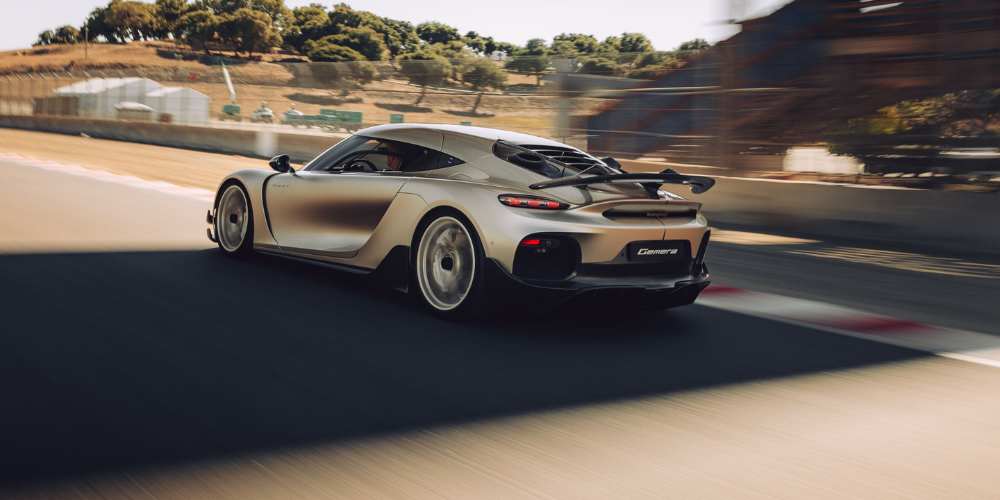
Sitting at the very top of this list is the astonishing Koenigsegg Gemera, a hypercar that completely redefines what a family grand tourer can be. With a combined output of 2300 horsepower, it is currently one of the most powerful production cars ever conceived.
The Gemera’s powertrain is particularly fascinating because it blends combustion innovation with electric muscle. At its heart is Koenigsegg’s radical “Tiny Friendly Giant” (TFG) 2.0L twin-turbo 3-cylinder engine, paired with a trio of electric motors. Despite its small displacement, the combustion engine alone produces extraordinary output thanks to advanced turbocharging and the brand’s camless valve technology.
Combined with the electric motors and sophisticated torque vectoring, the result is a hypercar capable of delivering staggering acceleration while still offering four seats and genuine grand-touring practicality.
From a journalist’s perspective, the Gemera represents the future of high-performance engineering, electrification enhancing rather than replacing combustion performance.
| Specifications | Koenigsegg Gemera |
| Powertrain | Hybrid (twin-turbo + electric motor) |
| Engine | 5.0l Twin-Turbo V8 + 587kW electric motor |
| Power | 1692 kW |
| Torque | 2,750 Nm |
| Drivertain | AWD |
| Top Speed | 400 km/h |
| Acceleration (0-100 km/h) | 1.90 seconds |
Rimac Nevera R – 2107 hp
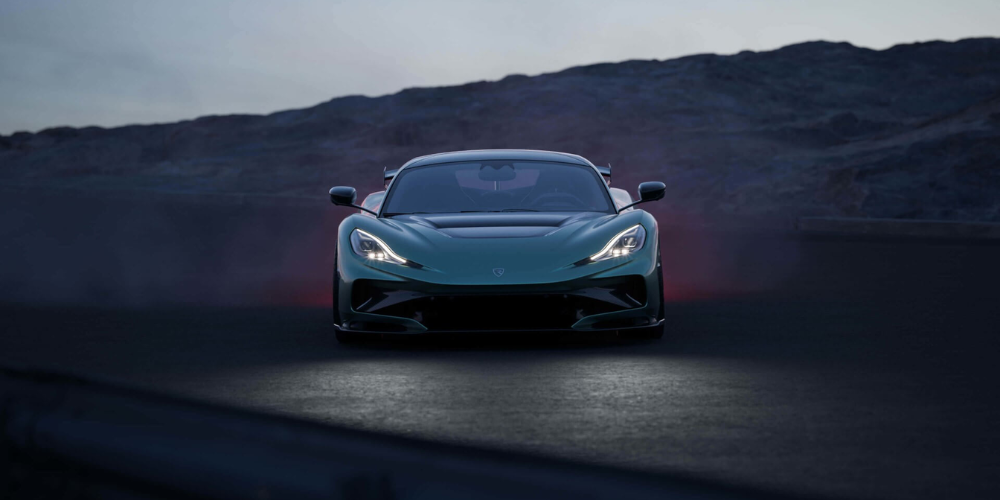
Croatia’s Rimac Nevera R proves that electric vehicles are now capable of producing truly mind-bending power outputs. With 2107 horsepower from four electric motors, it stands among the most powerful EVs ever created.
Each wheel is driven by its own motor, allowing incredibly precise torque vectoring. This setup enables the Nevera R to deploy its immense power with remarkable control, delivering blistering acceleration while maintaining stability even at extreme speeds.
Unlike traditional combustion engines that require revs to build power, the Nevera’s electric motors deliver instantaneous torque. The result is acceleration that feels almost surreal, a defining characteristic of modern electric hypercars.
Advanced battery cooling, sophisticated power management software, and cutting-edge aerodynamics ensure the Nevera R can sustain its extraordinary output far beyond a simple straight-line sprint.
| Specifications | Rimac Nevera R |
| Powertrain | Quad-electric motor |
| Engine | 387.5 kW electric motor (per wheel) |
| Power | 1571 kW |
| Torque | 2,340 Nm |
| Drivertain | 4WD |
| Top Speed | 412 km/h |
| Acceleration (0-100 km/h) | 1.81 seconds |
Lotus Evija – 2011 hp
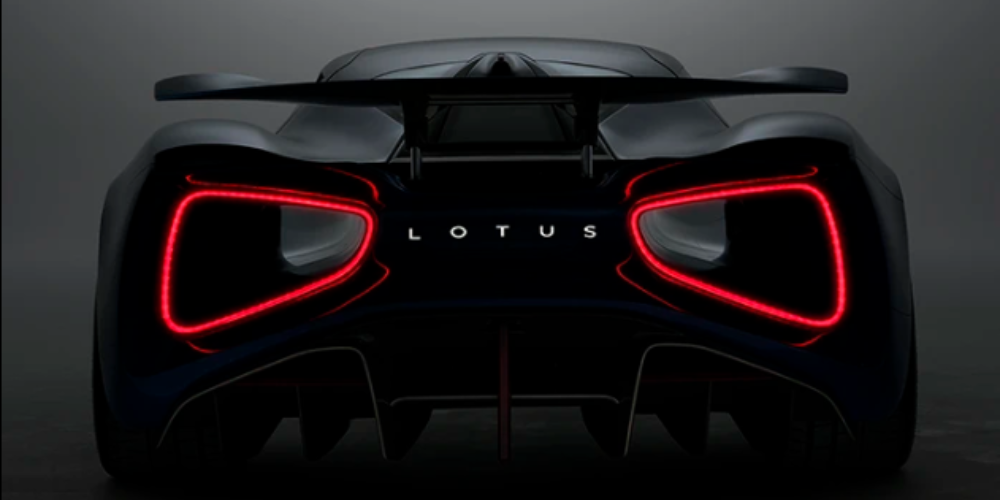
The Lotus Evija marks a dramatic shift for the British brand, traditionally known for lightweight sports cars rather than extreme power figures. Yet with 2011 horsepower, the Evija instantly placed Lotus among the most powerful hypercar manufacturers in the world.
Its power comes from four electric motors, one at each wheel, producing immense combined output while allowing precise torque distribution. Lotus has paired this with an ultra-lightweight carbon fibre chassis and advanced aerodynamics designed to maximise efficiency and stability at high speeds.
One of the Evija’s standout features is its striking aerodynamic design, including dramatic tunnel-style rear openings that improve airflow while creating a distinctive visual signature.
From a driving perspective, Lotus has focused heavily on maintaining the brand’s traditional strengths: agility, responsiveness, and driver engagement. The Evija may be an electric hypercar, but its engineering philosophy still centres on delivering a pure and exhilarating driving experience.
| Specifications | Lotus Evija |
| Powertrain | Quad-electric motor |
| Engine | 375kW electric motor (per wheel) |
| Power | 1500 kW |
| Torque | 1,704 Nm |
| Drivertain | 4WD |
| Top Speed | 350 km/h |
| Acceleration (0-100 km/h) | 2.9 seconds |
Hennessey Venom F5 – 1875 hp
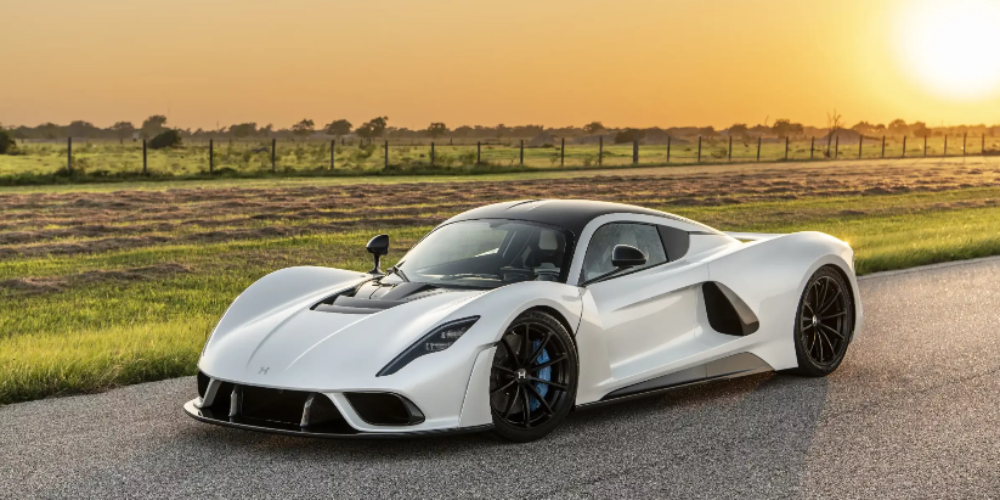
Unlike many modern hypercars that rely on electrification, the Hennessey Venom F5 sticks to a more traditional formula, albeit taken to extraordinary extremes.
Its monstrous 6.6L twin-turbo V8, nicknamed “Fury,” produces an incredible 1875 horsepower, making it one of the most powerful combustion engines ever fitted to a production road car.
Developed specifically for the Venom F5, the Fury engine uses massive turbochargers, lightweight internals, and race-inspired engineering to achieve its staggering output. The focus is simple: deliver raw, uncompromising speed.
Hennessey designed the Venom F5 with a singular mission in mind: achieving extreme top speeds. With its lightweight carbon chassis and aerodynamic bodywork, it’s engineered to chase the elusive 500 km/h barrier, placing it among the most ambitious hypercar projects in automotive history.
| Specifications | Hennessey Venom F5 |
| Powertrain | Petrol |
| Engine | 6.6L Twin-turbo V8 |
| Power | 1379 kW |
| Torque | 1,617 Nm |
| Drivertain | RWD |
| Top Speed | 500 km/h |
| Acceleration (0-100 km/h) | 2.6 seconds |
SSC Tuatara – 1750 hp
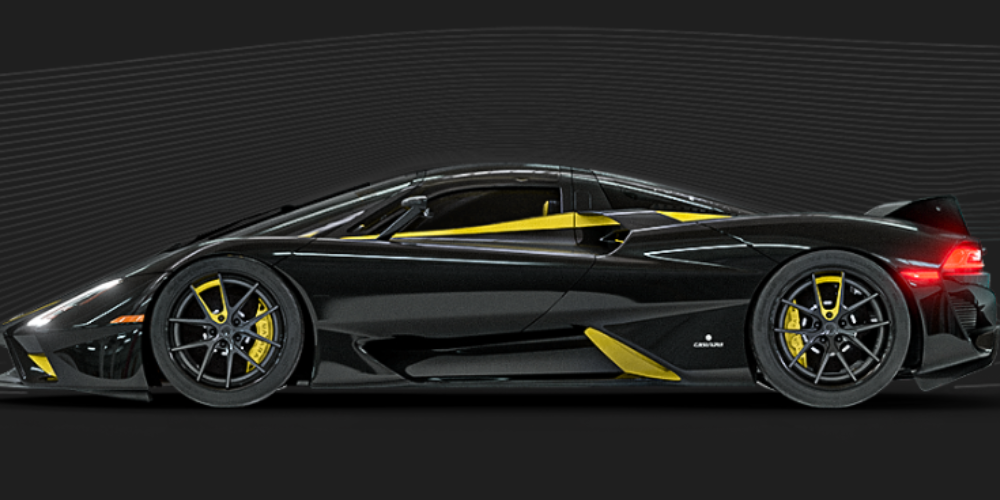
Rounding out the list is the SSC Tuatara, an American hypercar built with a relentless focus on aerodynamic efficiency and extreme performance.
At its core is a 5.9L twin-turbo V8 producing 1750 horsepower when running on high-octane E85 fuel. The engine is designed to deliver enormous power while maintaining the durability required for sustained high-speed runs.
What makes the Tuatara particularly impressive is how effectively it pairs this power with aerodynamic efficiency. Its sleek bodywork achieves an exceptionally low drag coefficient, enabling the car to slice through the air at astonishing speeds.
SSC designed the Tuatara specifically to compete in the global top-speed race, taking aim at records historically dominated by European hypercar manufacturers.
| Specifications | SSC Tuatara |
| Powertrain | Petrol |
| Engine | 5.9l Twin-Turbo V8 |
| Power | 1287 kW |
| Torque | 1,735 Nm |
| Drivertain | RWD |
| Top Speed | 475 km/h |
| Acceleration (0-100 km/h) | 2.5 seconds |
Why extreme engine power matters in 2026
Modern hypercars have become technological showcases for the entire automotive industry. The engineering breakthroughs required to produce 2000-horsepower powertrains often filter down into more mainstream vehicles over time.
Electric motor technology, battery cooling systems, advanced turbocharging, lightweight materials, and sophisticated torque management systems are all areas benefiting from hypercar innovation.
While very few drivers will ever experience these machines firsthand, they play a crucial role in pushing the boundaries of what road cars can achieve.
Final thoughts
The world’s most powerful car engines highlight the incredible diversity of modern performance engineering. The Koenigsegg Gemera demonstrates the potential of hybrid technology to achieve unprecedented output. Electric hypercars like the Rimac Nevera R and Lotus Evija show how battery-powered performance can rival and even surpass traditional engines. Meanwhile, the Hennessey Venom F5 and SSC Tuatara prove that extreme combustion power still has a place in the hypercar world.
Together, these five vehicles represent the cutting edge of automotive performance. Whether powered by electricity, turbocharged combustion engines, or sophisticated hybrid systems, they stand as remarkable examples of engineering ambition and a glimpse of just how far the limits of car performance can be pushed.
Comments
New Comment