




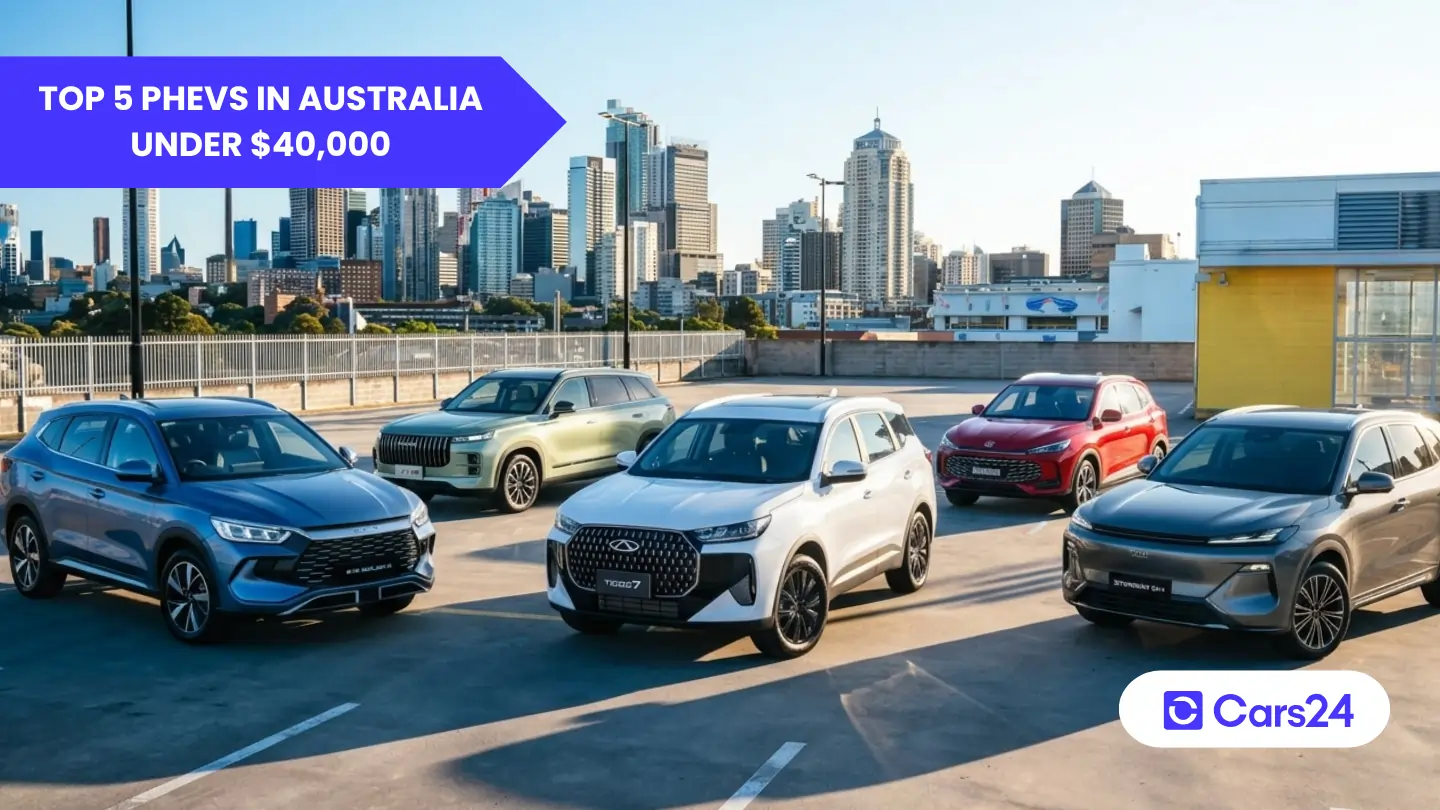
Plug-in hybrid vehicles are becoming one of the fastest-growing segments in Australia, especially for buyers who want lower fuel bills without relying entirely on public charging infrastructure. Unlike conventional hybrids, PHEVs can complete many daily commutes on electric power alone while still retaining a petrol engine for longer trips.
The sub-$40,000 category is now dominated by Chinese manufacturers, with brands competing heavily on electric driving range, technology and overall value. Models such as the MG HS Plus PHEV and BYD Sealion 5 PHEV focus strongly on efficiency and EV usability, while newer entrants like the Jaecoo J7 SHS and Geely Starray EM-i push further into premium-style design and technology.
For buyers, the challenge is no longer whether affordable PHEVs exist, but which one delivers the best balance between electric capability, practicality and long-term ownership value.
Here are 5 of the best PHEVs under $40,000 in Australia and how they compare from a buyer’s perspective.
| Model | Starting Price (before on-road costs) |
| MG HS Plus | $34,990 |
| Chery Tiggo 7 | $39,990 |
| BYD Sealion 5 | $33,990 |
| Jaecoo J7 SHS | $40,990 |
| Geely Starray EM-i | $37,490 |
MG HS Plus PHEV
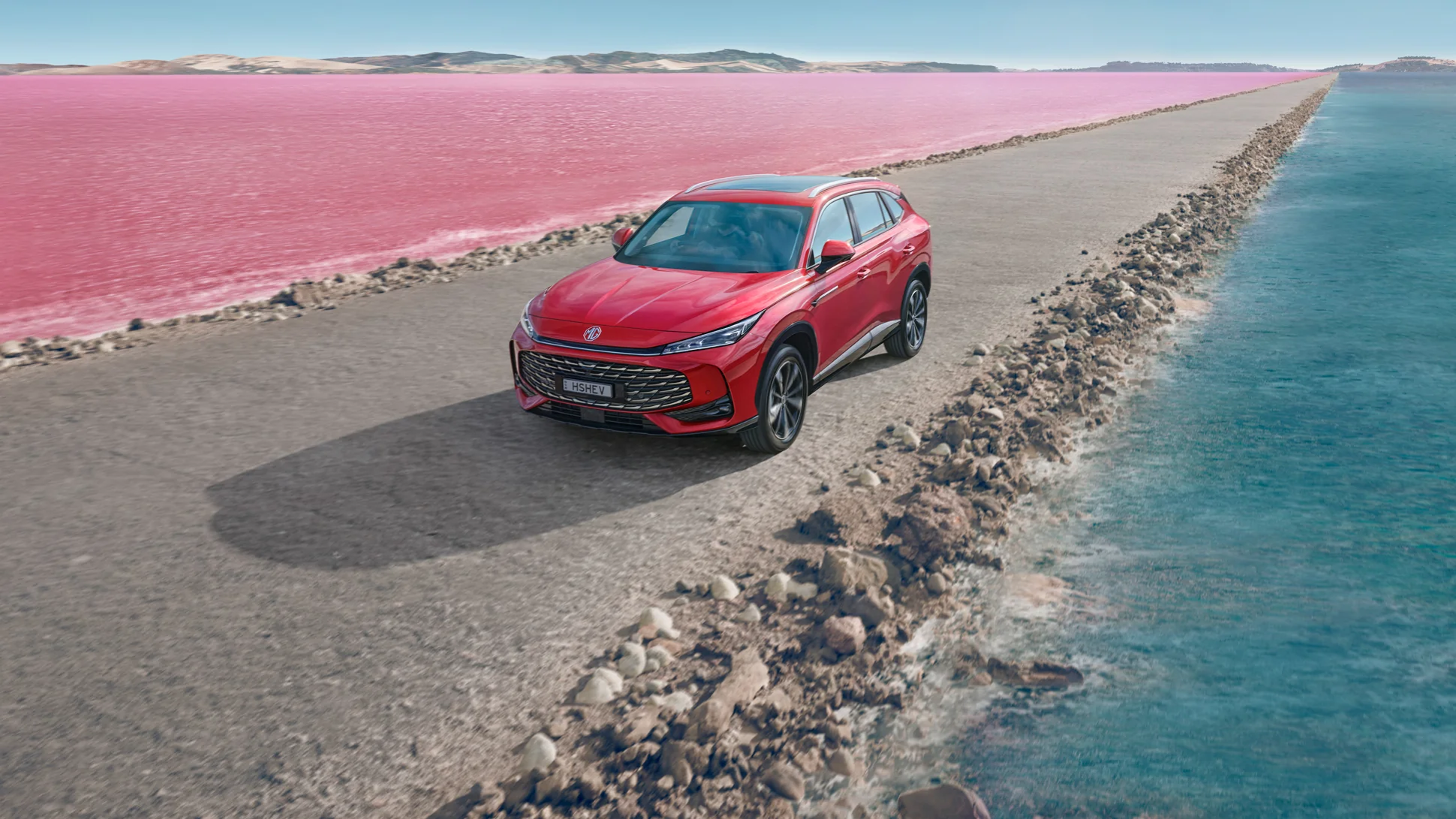


The MG HS Plus PHEV remains one of the most familiar and established plug-in hybrid SUVs in this price bracket, which gives it an advantage over newer rivals still building their reputation in Australia. It offers a relatively straightforward ownership proposition, balancing strong efficiency with a conventional SUV driving experience.
Compared with the Chery Tiggo 7 PHEV and Jaecoo J7 SHS, the MG feels slightly more conservative in cabin design and technology presentation, but it compensates with a more mature and predictable driving character. It also sits between the softer comfort-oriented Geely Starray EM-i and the more EV-focused BYD Sealion 5 in overall personality.
While several newer rivals now advertise longer EV-only range figures, the HS Plus still provides enough electric commuting capability for most suburban buyers. For drivers prioritising familiarity and proven value over cutting-edge tech, it remains one of the safest choices in the segment.
Read more: 10 Most fuel-efficient cars in Australia
| Specifications | MG HS Plus PHEV |
| Engine | 1.5L turbo-petrol plug-in hybrid + 135kW electric motor |
| Battery capacity | 24.7kWh |
| Combined power | 220kW |
| Combined torque | 350Nm |
| Transmission | 10-speed automatic |
| Drivetrain | Front-wheel drive |
| Fuel consumption | 5.8L/100 km |
| Electric range (WLTP) | Up to 179km |
Chery Tiggo 7 PHEV

The Chery Tiggo 7 PHEV positions itself as a more technology-heavy alternative to the MG HS Plus PHEV. Inside, it feels more contemporary, with larger digital displays and a cleaner dashboard design that immediately gives it a more modern ambience than some rivals.
Against the BYD Sealion 5 PHEV, the Tiggo 7 leans slightly more toward outright performance and family practicality rather than maximising EV efficiency alone. It also offers a more polished cabin presentation than the expected Geely Starray EM-i, though Geely may ultimately target comfort-focused buyers more directly.
One of the Tiggo 7’s biggest strengths is how much equipment it packs into the price. It undercuts many Japanese and Korean plug-in hybrids while still delivering medium SUV practicality and strong claimed EV driving range. However, buyers comparing it with the MG HS Plus may still consider MG’s longer local market presence a factor in long-term confidence.
Read more: Top 10 best-selling hybrid cars in Australia
| Specifications | Chery Tiggo 7 PHEV |
| Engine | 1.5L turbo-petrol plug-in hybrid +150kW electric motor |
| Battery capacity | 18.4kWh |
| Combined power | 255kW |
| Combined torque | 525Nm |
| Transmission | Single-speed automatic |
| Drivetrain | Front-wheel drive |
| Fuel consumption | 1.4L/100km |
| Electric range (WLTP) | Up to 93km |
BYD Sealion 5
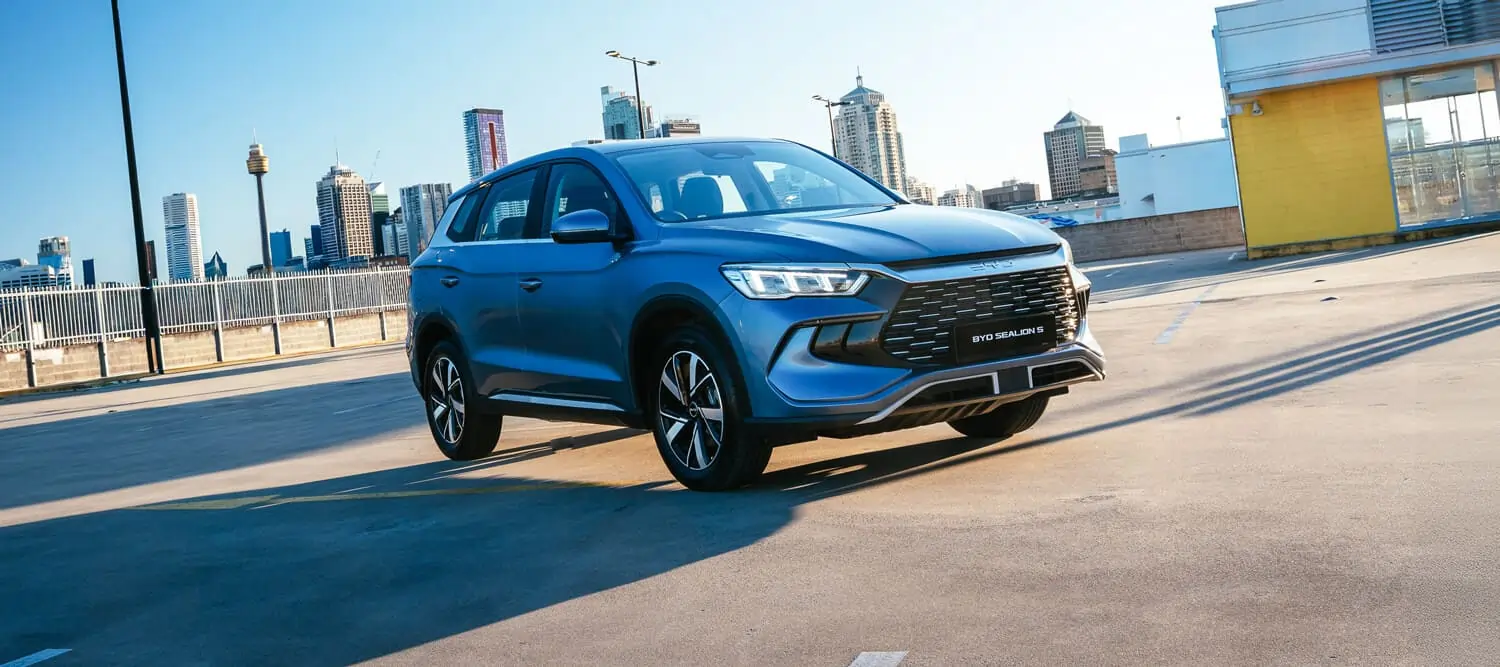
The BYD Sealion 5 PHEV reflects BYD’s broader strategy of making electrified vehicles feel as close as possible to full EVs. Compared with the MG HS Plus PHEV, it delivers a smoother and more electric-focused driving experience, particularly during low-speed urban driving.
Against the Chery Tiggo 7 PHEV and Jaecoo J7 SHS, the Sealion 5 appears more efficiency-focused, prioritising battery usage and energy management over SUV ruggedness or sporty styling. The cabin also feels more minimalist and technology-driven than the more traditional layouts found in the MG or Jaecoo.
For buyers planning to charge regularly at home, the Sealion 5 could potentially reduce fuel usage more effectively than several rivals here. However, drivers who still prioritise conventional SUV dynamics or stronger road presence may prefer alternatives like the Jaecoo J7 or MG HS Plus.
Read more: Petrol vs. Hybrid vs. EV running costs for Aussies
| Specifications | BYD Sealion 5 PHEV |
| Engine | 1.5L plug-in hybrid |
| Battery capacity | 12.96kWh/ 18.3kWh |
| Combined power | 156kW |
| Combined torque | 422Nm |
| Transmission | Continuously-variable automatic |
| Drivetrain | Front-wheel drive/ All-wheel drive |
| Fuel consumption | 4.5-4.6L/100km |
| Electric range (WLTP) | Up to71km |
Jaecoo J7 SHS

The Jaecoo J7 SHS enters the Australian PHEV market with a noticeably more premium and rugged character than most rivals in this segment. Visually, it feels more substantial than the MG HS Plus PHEV or BYD Sealion 5, while its upright SUV styling gives it stronger showroom presence than the softer-looking Geely Starray EM-i.
Compared with the Chery Tiggo 7 PHEV, the Jaecoo feels positioned slightly higher in terms of cabin presentation and overall equipment levels. It also places a stronger emphasis on long-distance touring capability, with a claimed combined driving range exceeding 1,200km. However, its firmer ride and slightly smaller boot space may make it feel less family-focused than some competitors.
Where the J7 SHS stands out is its blend of technology, EV capability and SUV presence. For buyers wanting a more premium-feeling plug-in hybrid experience without moving far beyond the $40k category, it shapes up as one of the more distinctive new entrants in the segment.
Read more: What is a hybrid vehicle? Everything you need to know
| Specifications | Jaecoo J7 SHS |
| Engine | 1.5L turbo-petrol plug-in hybrid + 150kW electric motor |
| Battery capacity | 18.3kWh |
| Combined power | 255kW |
| Combined torque | 525Nm |
| Transmission | Single-speed automatic |
| Drivetrain | Front-wheel drive |
| Fuel consumption | 1.0L/100km |
| Electric range (WLTP) | Up to 90km |
Geely Starray EM-i
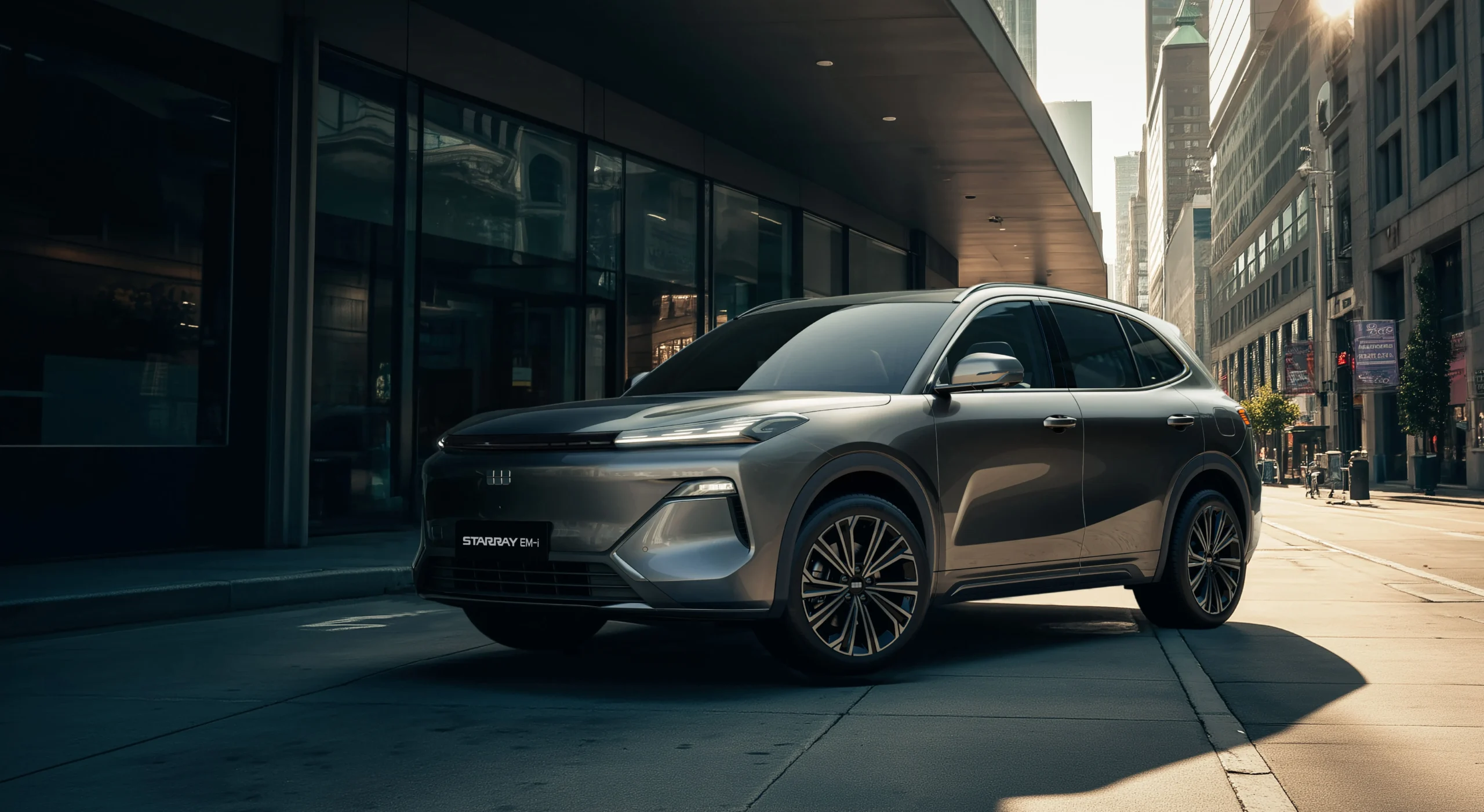
The Geely Starray EM-i targets buyers prioritising refinement and day-to-day comfort rather than outright performance or aggressive styling. Compared with the Jaecoo J7 SHS and BYD Sealion 5, the Starray adopts a more understated approach, focusing more heavily on comfort and day-to-day usability.
Against the MG HS Plus PHEV, the Geely benefits from newer hybrid technology and a cleaner cabin layout, though MG still holds the advantage in local brand familiarity. It also feels positioned closer to the BYD in terms of electrification focus, but with softer ride tuning and a more comfort-oriented driving philosophy.
If priced competitively in Australia, the Starray EM-i could become one of the stronger value-focused options in the growing PHEV market. It combines competitive EV driving capability with medium SUV practicality while potentially offering a more refined everyday experience than several direct rivals.
Read more: Top 10 best-selling PHEVs in Australia in 2025
| Specifications | Geely Starray EM-i |
| Engine | 1.5L petrol plug-in hybrid + 160kW electric motor |
| Battery capacity | 18.4kWh |
| Combined power | 233kW |
| Combined torque | 387Nm |
| Transmission | Single-speed automatic |
| Drivetrain | Front-wheel drive |
| Fuel consumption | 2.4L/100km |
| Electric range (WLTP) | Up to 83km |
Final thoughts
The affordable PHEV market in Australia is evolving rapidly, with Chinese brands now leading the segment in terms of value, electrification technology and standard equipment. Unlike earlier hybrids focused mainly on fuel savings, these newer plug-in hybrid SUVs are increasingly capable of handling everyday commuting almost entirely on electric power.
The MG HS Plus PHEV remains the most established all-round option, while the Chery Tiggo 7 PHEV and Jaecoo J7 SHS push harder into premium technology and performance territory. Meanwhile, the BYD Sealion 5 PHEV focuses heavily on EV-style efficiency, and the Geely Starray EM-i appears positioned as the comfort-oriented alternative.
Ultimately, the best option depends on buyer priorities:
- Best all-rounder: MG HS Plus PHEV
- Best for technology and performance: Chery Tiggo 7 PHEV
- Best for EV-focused commuting: BYD Sealion 5 PHEV
- Best premium-feeling option: Jaecoo J7 SHS
- Best emerging value option: Geely Starray EM-i
For Australian buyers not yet ready to move fully electric, affordable PHEVs now offer a realistic middle ground between fuel efficiency, flexibility and everyday practicality.
Interested buyers can find near-new PHEVs at lower price points through CARS24 Australia.

Comments
New Comment