




Rear-wheel drive has long been the preferred drivetrain for driving enthusiasts. By sending power to the rear wheels, these vehicles offer better weight distribution, sharper handling balance, and the potential for more engaging driving dynamics compared with front-wheel-drive alternatives.
For passionate drivers, the appeal goes beyond simple acceleration figures. Rear-wheel-drive platforms allow for more precise steering feel, improved cornering behaviour, and a more connected relationship between the car and the road. Whether powered by a traditional internal combustion engine or modern electric motors, the layout continues to define some of the most rewarding vehicles to drive.
In Australia, the selection of rear-wheel-drive vehicles spans everything from high-performance sports sedans to electric hatchbacks and luxury SUVs. Each brings its own interpretation of what makes a driver’s car special.
Here are 5 rear-wheel-drive cars that stand out for driving enthusiasts.
BMW M340i
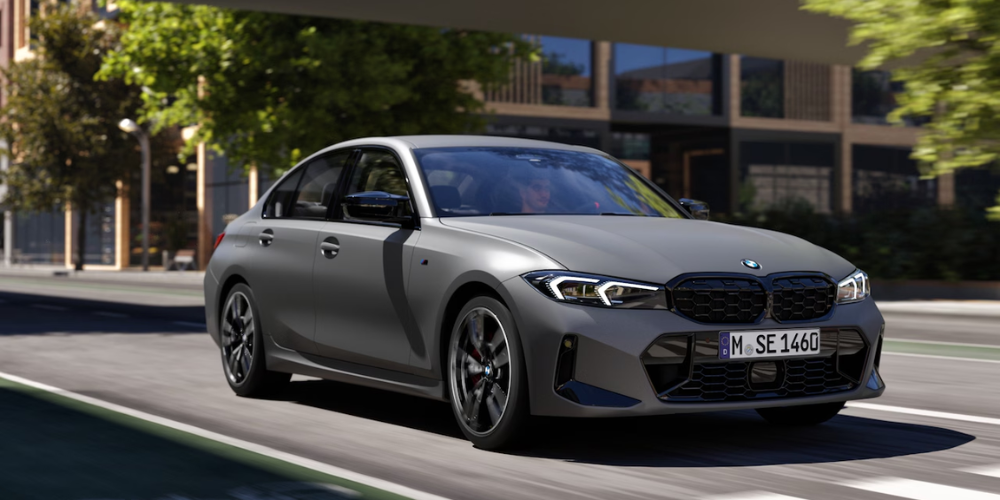
The BMW M340i represents one of the purest modern interpretations of a rear-wheel-drive performance sedan. Sitting just below the full-fat M3 in BMW’s performance hierarchy, it combines everyday usability with genuinely thrilling performance.
At its heart is a turbocharged 3.0L inline-six producing 285 kW and 500 Nm, paired with a quick-shifting eight-speed automatic transmission. The engine delivers effortless acceleration and a smooth surge of power that has become a hallmark of BMW’s straight-six engines.
For enthusiasts, the real magic lies in the chassis. Built on BMW’s rear-wheel-drive architecture, the BMW M340i delivers excellent balance through corners and impressive traction when accelerating out of bends. Adaptive suspension, sharp steering, and precise throttle response make it feel agile and composed even when driven enthusiastically.
Despite its performance credentials, the BMW M340i remains a comfortable and practical sedan, making it one of the most complete driver-focused cars available in Australia.
| Specifications | BMW M340i |
| Engine | 3.0L Turbo-petrol |
| Power | 285 kW |
| Torque | 500 Nm |
| Top Speed | 250 km/h |
| Acceleration (0-100 km/h) | 4.4 seconds |
Hyundai Ioniq 6
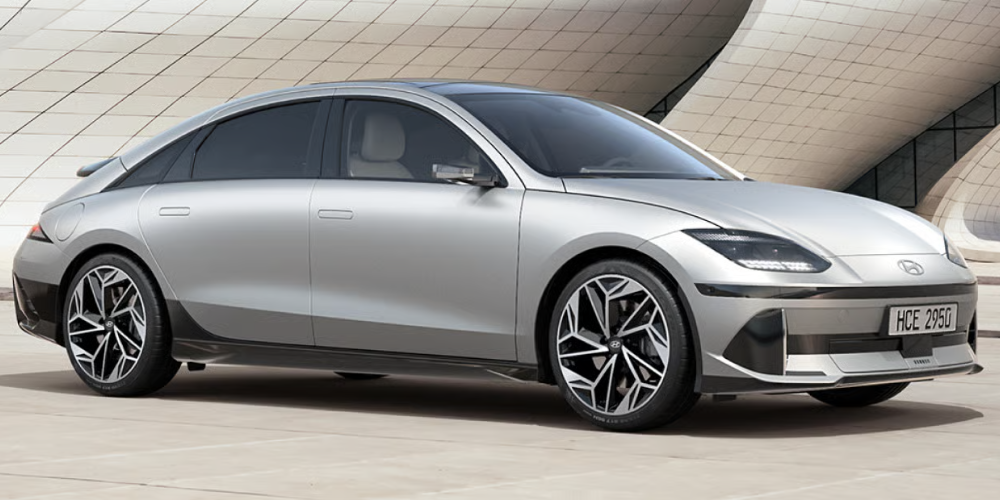
The Hyundai Ioniq 6 proves that electric vehicles can deliver engaging driving dynamics while maintaining the benefits of rear-wheel drive.
In its single-motor configuration, the Ioniq 6 sends 168 kW of power exclusively to the rear wheels, giving the car a balanced and composed feel on the road. Instant electric torque allows it to accelerate smoothly and effortlessly, while the low-mounted battery pack lowers the centre of gravity for improved cornering stability.
Beyond performance, the Ioniq 6 stands out with its sleek aerodynamic design and impressive efficiency. Its streamlined shape helps maximise driving range while contributing to a quiet and stable highway experience.
For enthusiasts transitioning to electric mobility, the Ioniq 6 offers a compelling blend of futuristic technology, refined ride quality, and rear-wheel-drive driving engagement.
| Specifications | Hyundai Ioniq 6 |
| Battery Capacity | 77.4 kWh |
| Power | 168 kW |
| Torque | 350 Nm |
| Top Speed | 185 km/h |
| Acceleration (0-100 km/h) | 7.4 seconds |
MG4
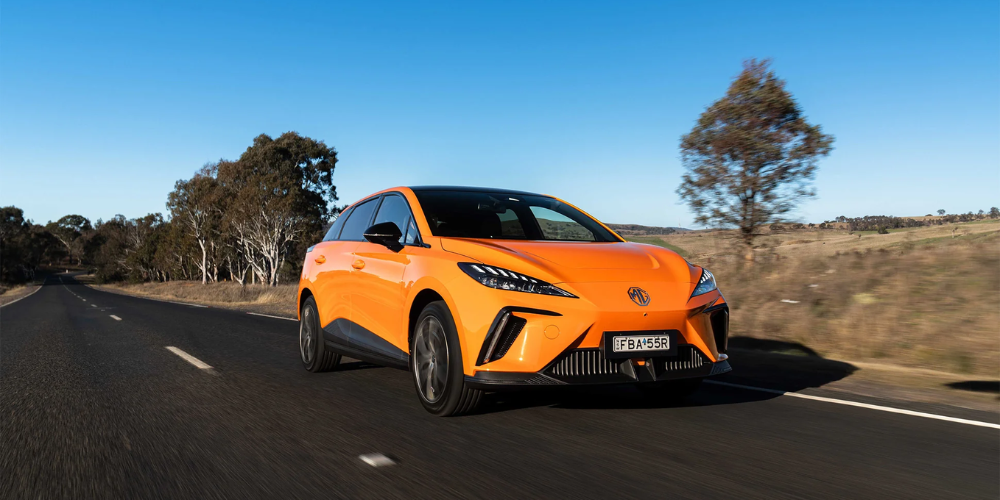
The MG4 has quickly become one of the most interesting electric hatchbacks on the Australian market, largely because of its rear-wheel-drive layout.
Unlike most small electric cars that rely on front-wheel drive, the MG4 places its electric motor on the rear axle. This configuration improves balance and allows for more responsive handling, particularly when cornering on winding roads.
The standard Excite 64 variant produces around 150 kW, providing brisk acceleration for a hatchback in this segment. Combined with a relatively lightweight EV platform and well-tuned suspension, the MG4 feels agile and playful compared with many other small electric vehicles.
For drivers who want an affordable EV that still prioritises driving enjoyment, the MG4 stands out as one of the few options offering genuine rear-wheel-drive dynamics in the compact hatchback class.
| Specifications | MG4 |
| Battery Capacity | 77 kWh |
| Power | 180 kW |
| Torque | 350 Nm |
| Top Speed | 180 km/h |
| Acceleration (0-100km/h) | 6.5 seconds |
Mazda CX-60
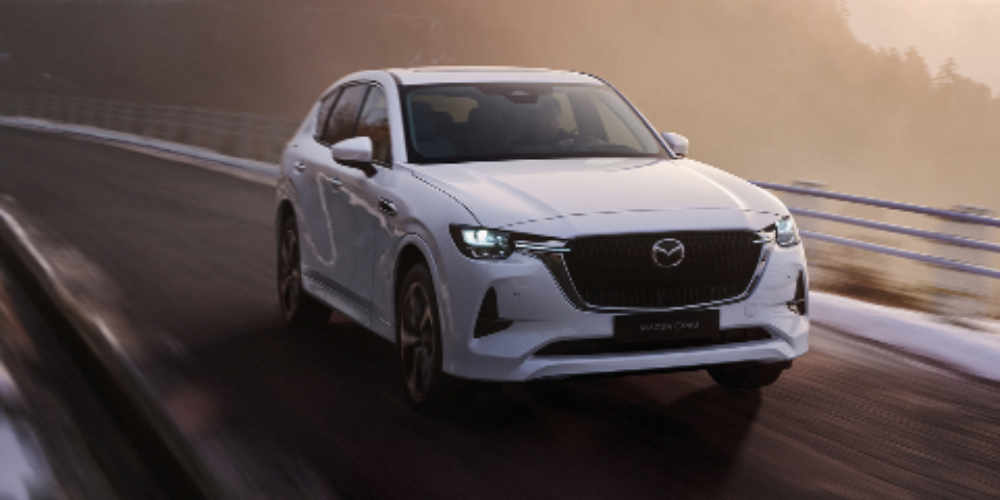
The Mazda CX-60 marks a major shift for Mazda, introducing a new rear-wheel-drive platform designed to elevate the brand’s driving dynamics and premium positioning.
Under the bonnet sits Mazda’s new generation of inline-six engines, including a turbocharged 3.3L petrol engine producing up to 209 kW. The engine is paired with an eight-speed automatic transmission and a mild-hybrid system that improves efficiency and responsiveness.
Because the Mazda CX-60 is built on a longitudinal rear-wheel-drive architecture, it delivers a noticeably more balanced driving feel than typical front-drive-based SUVs. Steering is precise, the chassis feels composed through corners, and the power delivery is smooth and progressive.
For drivers who want SUV practicality without sacrificing engaging road manners, the Mazda CX-60 demonstrates how rear-wheel-drive engineering can enhance the overall driving experience.
| Specifications | Mazda CX-60 |
| Engine | 2.5L naturally aspirated petrol |
| Power | 138 kW |
| Torque | 250 Nm |
| Top Speed | 203 km/h |
| Acceleration (0-100 km/h) | 9.6 seconds |
Genesis GV70
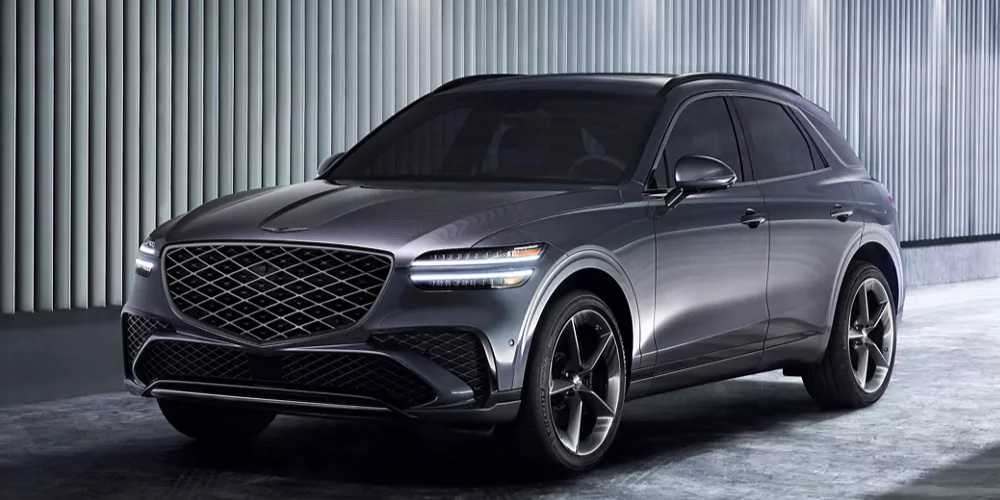
The Genesis GV70 blends luxury, performance, and rear-wheel-drive dynamics into one of the most refined premium SUVs available today.
Built on the same rear-wheel-drive platform as its sedan siblings, the GV70 offers strong performance across its engine range. The flagship 3.5L twin-turbo V6 produces an impressive 279 kW, delivering rapid acceleration and effortless highway overtaking.
More importantly for enthusiasts, the rear-wheel-drive architecture contributes to excellent weight balance and confident cornering behaviour. Even as a luxury SUV, the Genesis GV70 feels composed and controlled when pushed, with responsive steering and well-tuned suspension.
Inside, the Genesis GV70 elevates the experience with high-quality materials, advanced technology, and a quiet, refined cabin, proving that a driver-focused SUV can still prioritise comfort and luxury.
| Specifications | Genesis GV70 |
| Engine | 2.5L Turbo-petrol |
| Power | 224 kW |
| Torque | 422 Nm |
| Top Speed | 240 km/h |
| Acceleration (0-100 km/h) | 6.1 seconds |
Why does rear-wheel drive still matter for enthusiasts?
Rear-wheel drive remains one of the most desirable layouts for drivers who value engagement behind the wheel. By separating steering and propulsion duties between the front and rear axles, RWD vehicles typically offer more predictable handling and improved balance.
For enthusiasts, this translates into sharper cornering behaviour, better throttle control, and a more rewarding driving experience overall. Even as the industry shifts towards electrification, many manufacturers continue to adopt rear-drive platforms to preserve those characteristics.
Final thoughts
The best rear-wheel-drive cars available in Australia today highlight how versatile this drivetrain layout has become. The BMW M340i delivers classic sports-sedan thrills, while the Hyundai Ioniq 6 and MG4 demonstrate how electric vehicles can still prioritise engaging dynamics.
Meanwhile, SUVs such as the Mazda CX-60 and Genesis GV70 show that rear-wheel-drive engineering can enhance driving enjoyment even in larger family-friendly vehicles.
For enthusiasts who still prioritise balance, handling precision, and driver involvement, these 5 cars represent some of the most compelling rear-wheel-drive options currently available on the Australian market.

Comments
New Comment