




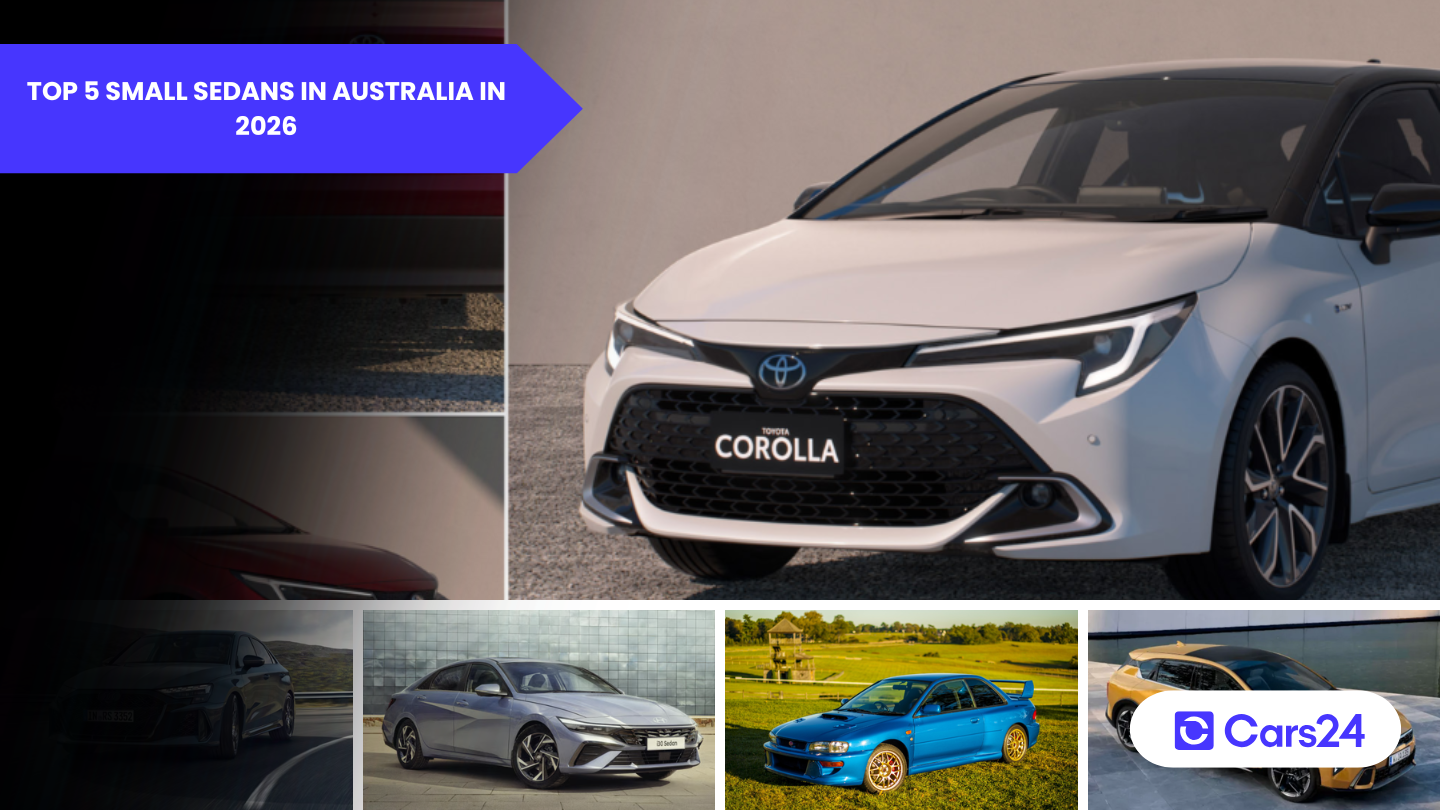
Small sedans remain a key part of Australia’s automotive landscape, offering an appealing balance of affordability, efficiency, practicality, and driving enjoyment. While SUVs continue to dominate overall sales charts, many Australian buyers still prefer the lower driving position, sharper handling, and better fuel efficiency that traditional sedans provide.
In 2026, the small sedan segment is more diverse than ever. Buyers can choose from high-performance turbocharged machines, practical daily commuters, and stylish new entrants that push technology and design forward.
Importantly, these vehicles also reflect broader trends in the Australian market. Some models dominate sales thanks to their reputation for reliability and value, while others carve out niche appeal with performance credentials or premium features.
Here are 5 of the most notable small sedans currently available in Australia and what makes each one stand out.
| Model | Starting Price (before on-road costs) |
| Audi RS3 | $104,800 |
| Toyota Corolla | $32,110 |
| Hyundai i30 | $30,000 |
| Subaru WRX | $48,190 |
| Kia K4 | $32,090 |
Audi RS3
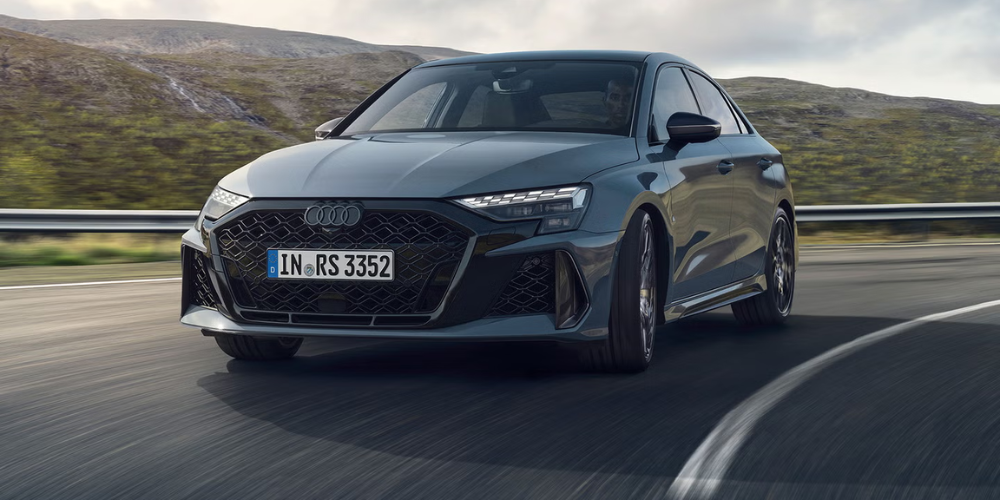
The Audi RS3 sits at the extreme performance end of the small sedan segment, delivering blistering speed in a compact and relatively practical package.
Powered by a charismatic 2.5L turbocharged 5-cylinder engine, the Audi RS3 produces a staggering 294 kW and sends power to all four wheels via Audi’s renowned quattro all-wheel-drive system. The result is explosive acceleration, razor-sharp handling, and one of the most engaging driving experiences available in a compact four-door car.
A standout feature of the RS3 is its RS Torque Splitter, which actively distributes torque across the rear axle to improve cornering performance and even enable controlled drift modes. Combined with adaptive suspension, aggressive styling, and a motorsport-inspired interior, the Audi RS3 feels every bit like a miniature super sedan.
While it’s not a high-volume seller compared with mainstream models, the Audi RS3 plays an important role in Australia’s performance car culture. It attracts enthusiasts who want everyday usability without sacrificing outright speed, and it consistently remains one of the most desirable small performance sedans available locally.
| Specifications | Audi RS3 |
| Engine | 2.5L Turbo-petrol |
| Power (Combined) | 294 kW |
| Torque | 500 Nm |
| Transmission | 7-speed DCT automatic |
| Drivetrain | AWD |
| Fuel Economy (Claimed) | 8.3L/100km |
| Dimensions (L x W x H) | 4,389 x 1,851 x 1,406mm |
Toyota Corolla
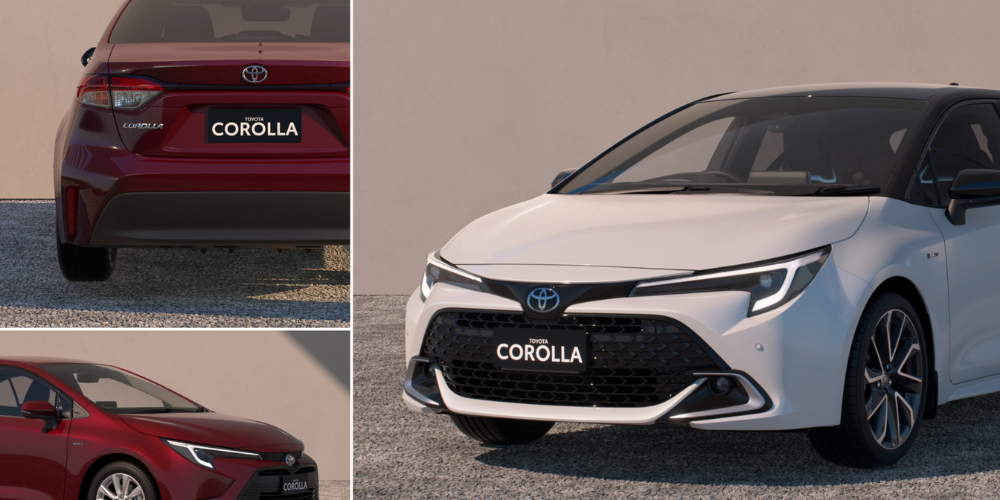
Few nameplates carry the global reputation of the Toyota Corolla, and the sedan version continues to appeal to Australian buyers seeking efficiency, reliability, and low running costs.
In Australia, the Toyota Corolla Sedan is primarily offered with Toyota’s hybrid powertrain, combining a 1.8L petrol engine with an electric motor for excellent fuel economy and smooth everyday driving. For urban commuting, school runs, and daily errands, the hybrid system delivers quiet operation and impressive efficiency that’s hard to beat in the segment.
The Corolla’s popularity in Australia remains strong thanks to Toyota’s reputation for durability, resale value, and dealer support. Buyers also benefit from a comprehensive safety package, including Toyota Safety Sense, which provides adaptive cruise control, lane-keeping assistance, and autonomous emergency braking.
Inside, the cabin focuses on comfort and ease of use, while the sedan body style provides a traditional boot layout that many buyers still prefer over hatchbacks.
For Australians looking for a dependable, economical small sedan, the Toyota Corolla remains one of the safest choices on the market.
| Specifications | Toyota Corolla |
| Engine | 1.8L Hybrid-petrol |
| Power (Combined) | 103 kW |
| Torque | 142 Nm |
| Transmission | CVT automatic |
| Drivetrain | FWD |
| Fuel Economy (Claimed) | 4.0L/100km |
| Dimensions (L x W x H) | 4,630 x 1,780 x 1,435mm |
Hyundai i30
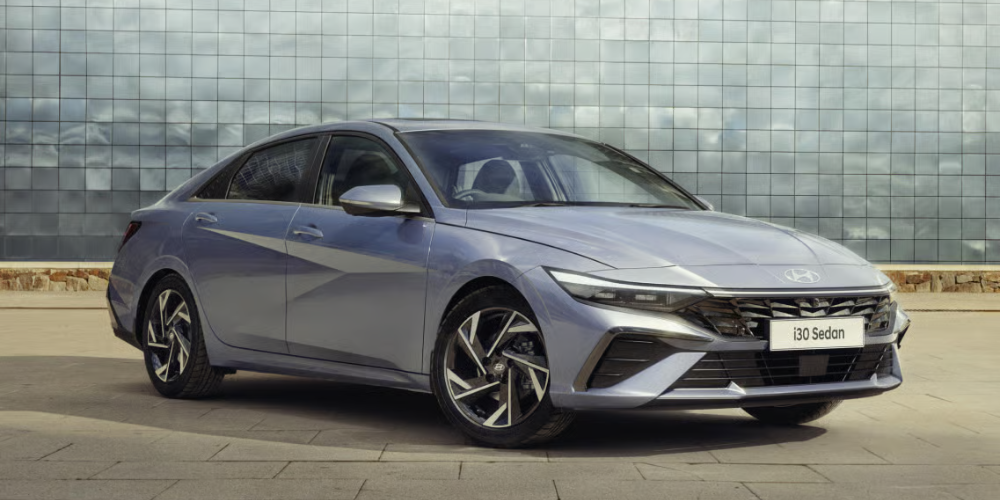
The Hyundai i30 Sedan has become one of the strongest players in Australia’s small car market, offering a broad range of variants that cater to both value-focused buyers and performance enthusiasts.
At the entry level, the Hyundai i30 Sedan delivers impressive value with generous equipment, modern infotainment, and a spacious cabin. Hyundai’s bold design language gives it a distinctive presence on the road, while the sedan format provides practical boot space for everyday use.
However, the model’s real headline grabber is the Hyundai i30 Sedan N, a high-performance variant developed by Hyundai’s N division. Producing up to 206 kW from its turbocharged engine, the N version delivers track-capable performance while remaining usable as a daily driver.
This dual personality, practical commuter on one end and serious performance sedan on the other, has helped the Hyundai i30 Sedan gain strong traction in the Australian market. It consistently ranks among the better-selling small passenger cars and appeals to a wide spectrum of buyers.
| Specifications | Hyundai i30 |
| Engine | 1.6L Turbo-petrol/ Petrol |
| Power (Combined) | 120–150 kW |
| Torque | 203–265 Nm |
| Transmission | 7-speed DCT automatic |
| Drivetrain | FWD |
| Fuel Economy (Claimed) | 6.1–7.4 L/100 km |
| Dimensions (L x W x H) | 4,340 x 1,795 x 1,455mm |
Subaru WRX
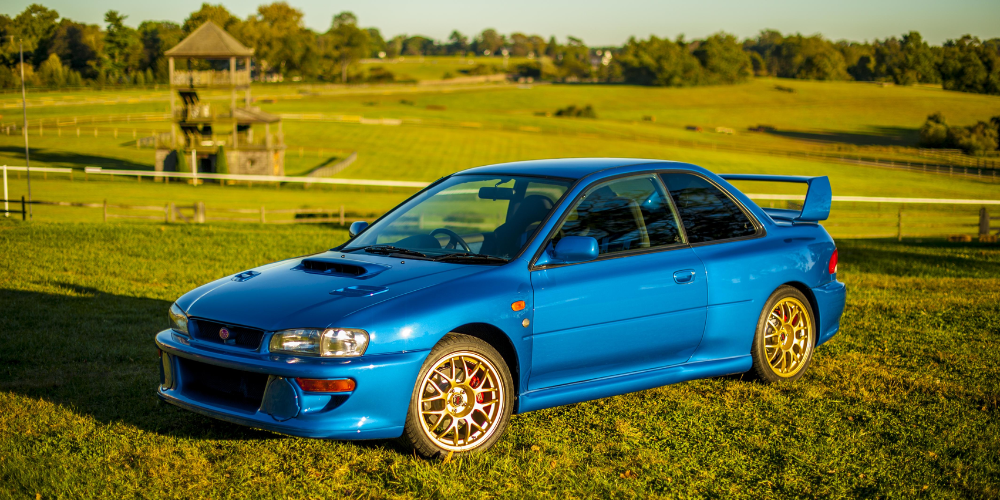
The Subaru WRX has long held a unique position in Australia’s performance car landscape, combining rally heritage with everyday practicality.
The current-generation WRX is powered by a 2.4L turbocharged boxer engine, producing 202 kW and delivering power through Subaru’s signature symmetrical all-wheel-drive system. This setup gives the WRX exceptional traction in wet conditions and on challenging roads, something Australian drivers in rural or mountainous regions particularly appreciate.
The Subaru WRX also maintains its enthusiast appeal with sharp steering, balanced chassis dynamics, and a driver-focused interior. A manual transmission option continues to attract purists, while an automatic CVT alternative broadens the car’s appeal to everyday drivers.
Although it’s not among the highest-volume sellers in the segment, the Subaru WRX enjoys a loyal following in Australia and remains one of the most recognisable performance sedans on local roads.
For buyers who prioritise driving engagement and all-weather capability, the Subaru WRX continues to stand out as a distinctive alternative to front-wheel-drive rivals.
| Specifications | Subaru WRX |
| Engine | 2.4L Turbo-petrol |
| Power (Combined) | 202 kW |
| Torque | 350 Nm |
| Transmission | 6-speed manual/CVT automatic |
| Drivetrain | AWD |
| Fuel Economy (Claimed) | 8.5L/100km |
| Dimensions (L x W x H) | 4.670 x 1.825 x mm |
Kia K4
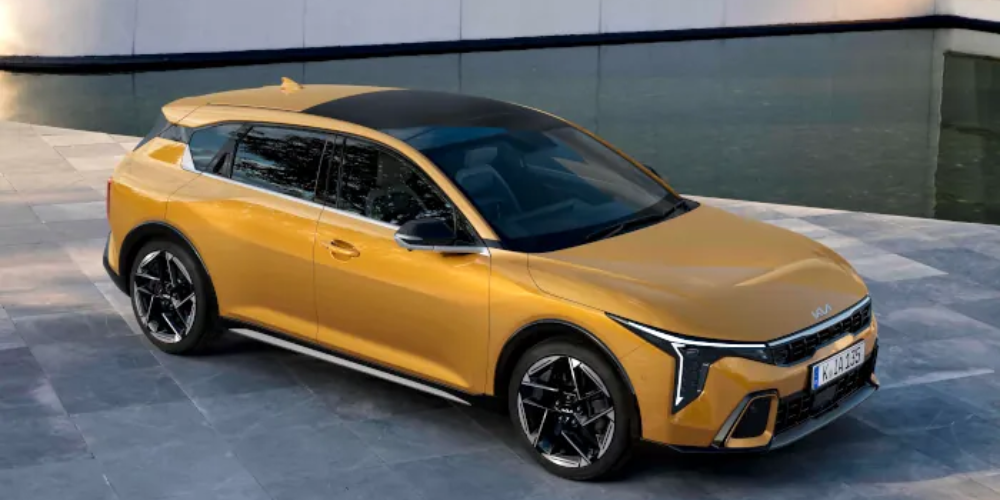
The Kia K4 represents the brand’s next-generation entry in the small sedan category, replacing the long-running Cerato with a much more modern design and technology-focused interior.
Visually, the Kia K4 makes a strong impression with its fastback-style profile, sharp lighting signatures, and futuristic cabin layout. Inside, the dashboard features large digital displays, wireless connectivity, and advanced driver assistance systems, bringing it in line with Kia’s latest global models.
Under the bonnet, Australian buyers can choose between efficient naturally aspirated engines or more spirited turbocharged options, depending on the variant. This flexibility allows the Kia K4 to cater to both budget-conscious commuters and drivers seeking a little more performance.
Kia has built a strong reputation in Australia for offering generous equipment levels and long warranty coverage, and the Kia K4 continues that strategy. As a result, it’s expected to attract strong interest from buyers who previously considered the Cerato or other mainstream small sedans.
With bold styling, improved technology, and competitive pricing, the Kia K4 is well-positioned to become a significant player in Australia’s evolving small sedan market.
| Specifications | Kia K4 |
| Engine | 2.0L Petrol/1.6 Turbo-petrol |
| Power (Combined) | 110 kW |
| Torque | 180 Nm |
| Transmission | CVT automatic/8-speed TC automatic |
| Drivetrain | FWD |
| Fuel Economy (Claimed) | 6.1-6.7 L/100 km |
| Dimensions (L x W x H) | 4,710 x 1,850 x 1,425mm |
Why do small sedans still matter in 2026?
Despite the surge in SUV popularity, small sedans continue to offer several advantages that many Australian buyers value. They typically provide better fuel efficiency, sharper driving dynamics, and lower purchase prices compared with similarly sized SUVs.
For urban drivers, the lower ride height improves aerodynamics and stability, while the compact footprint makes parking and city driving easier. Many sedans also offer surprisingly generous boot space, making them practical for everyday errands and travel.
As manufacturers continue to invest in hybrid technology, advanced safety systems, and modern infotainment, today’s small sedans are more refined and capable than ever before.
Final thoughts
The small sedan segment in Australia remains diverse and competitive in 2026. The Audi RS3 delivers extreme performance in a compact package, while the Toyota Corolla continues to dominate for reliability and efficiency.
The Hyundai i30 Sedan stands out as a well-rounded all-rounder with strong sales and a thrilling N variant. The Subaru WRX maintains its rally-bred enthusiast appeal, and the Kia K4 introduces a fresh new design and modern technology to the segment.
For buyers who still value driving dynamics, efficiency, and practicality in a traditional sedan format, these five models represent some of the best options currently available in Australia.

Comments
New Comment