




The NVES Regulator, which is the official authority enforcing NVES, is preparing to reveal its first IEVs (interim emissions values) performance data from July 1 to December 31, 2025, in February 2026.
The public results, described as a “name and shame” list, will be publicly available on the NVES Regulator’s website. Car brands that beat their emissions targets will earn credits (called units). Brands that miss targets face financial penalties.
What will the NVES Regulator reveal in 2026?
In February 2026, the NVES Regulator will publish public data or the “name and shame” list covering the first NVES performance period (July 1–December 31, 2025). Each car manufacturer’s result will show IEV (interim emissions values) data and whether they:
- Missed the target (IEV above zero)
- Met the target (IEV equals zero)
- Beat the target (IEV below zero, earning credits or units)
Brands that fail may face fines of up to $100 per gram over the limit per vehicle if they fail to meet the NVES targets after 2 years of grace period (in 2028).
MORE: Australian government closes loophole in NVES
An overview of the NVES in Australia
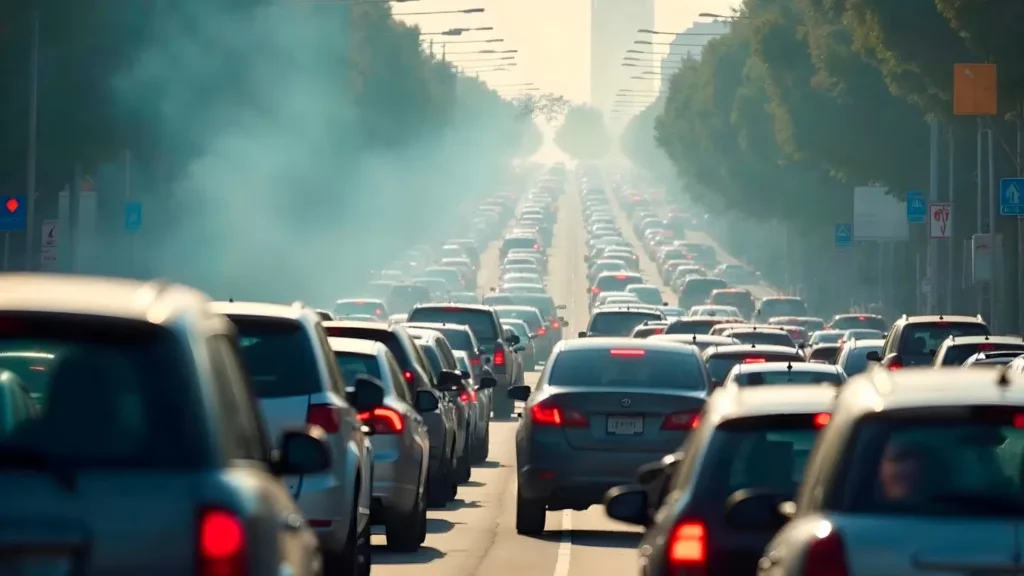
The NVES (New Vehicle Efficiency Standard) was introduced in 2025 to reduce carbon emissions from new vehicles. It does not ban petrol or diesel cars and does not affect vehicles already on the road.
It only applies to new vehicles entered into the Register of Approved Vehicles after July 1, 2025. Each vehicle is counted for NVES when it receives road compliance, not when it is sold.
The NVES emissions limit becomes stricter every year until 2029. Car makers can still sell high-emission vehicles, but they must offset them by selling enough low-emission models or buying credits from other brands.
NVES performance is measured annually from January 1 to December 31. The first year results for 2025 (July onwards) will be published in the February 2026 IEV report.
The NVES Regulator is also expected to launch the official NVES Unit Registry, which is an online portal for trading emissions credits by February 1, 2026.
MORE: EU revokes its 2035 ban on petrol and diesel cars
How have car makers in Australia responded to NVES?
Manufacturers with strong electric vehicle plans, such as Tesla, Polestar, and Volvo, have openly supported NVES. Tesla and Polestar even left the Federal Chamber of Automotive Industries (FCAI) in 2024 to protest the industry group’s opposition to NVES.
Brands like Hyundai and Volkswagen support the NVES but asked the government to adjust the rules to make the transition smoother. They want more flexibility while changing their model line-ups.
Toyota was the most vocal opponent at the start. It warned that NVES would hit large 4WDs and utes hard and could increase prices by thousands of dollars. As recently as early 2025, Toyota was still asking for delays to the rollout.
Toyota successfully argued that large body-on-frame SUVs like the LandCruiser and Nissan Patrol should move to the LCV category, which allows higher emissions. It also wanted traditional hybrids (not plug-ins) to earn more credits due to fuel savings.
Hyundai, Ford, and Nissan have admitted that NVES has contributed to price increases for vehicle owners. Ford even suggested penalties should start at $50 per gram of CO2 instead of $100, increasing gradually over time.
The response to NVES is visible as manufacturers are fast-tracking new models for 2026 to offset emissions, like Mazda 6e (EV), BYD Shark 6 (PHEV), and a 7-seat BYD SUV. Even Ford is reportedly dropping its 2-litre bi-turbo engine in the Ranger and Everest, replacing it with a more efficient single-turbo engine.
MORE: Australia sets new fuel quality standards from Dec 15
How NVES affects the Aussie vehicle owners
The NVES rules only apply to new vehicles entered into the RAV (register of approved vehicles) after July 1, 2025. Owners of existing petrol or diesel cars do not need to modify or pay extra for their vehicles.
NVES aims to reduce car running costs, and over time, new efficient vehicles should cost less to own, especially for long-distance drivers.
NVES is not a tax, but it has changed the market. Some brands, like Nissan and Ford, have already raised their new car prices. EV discounts are also expected to increase due to tightening NVES targets. Used diesel utes and SUVs may become more expensive due to their already high demand.
NVES has encouraged more manufacturers to bring modern vehicles to Australia. The biggest examples are the Chinese brands like BYD, MG, and GWM, which reached an increased market share in 2025.
Moreover, the cleaner vehicles are expected to deliver health benefits, mainly through reduced air pollution and fewer respiratory and heart conditions.

Comments
New Comment