




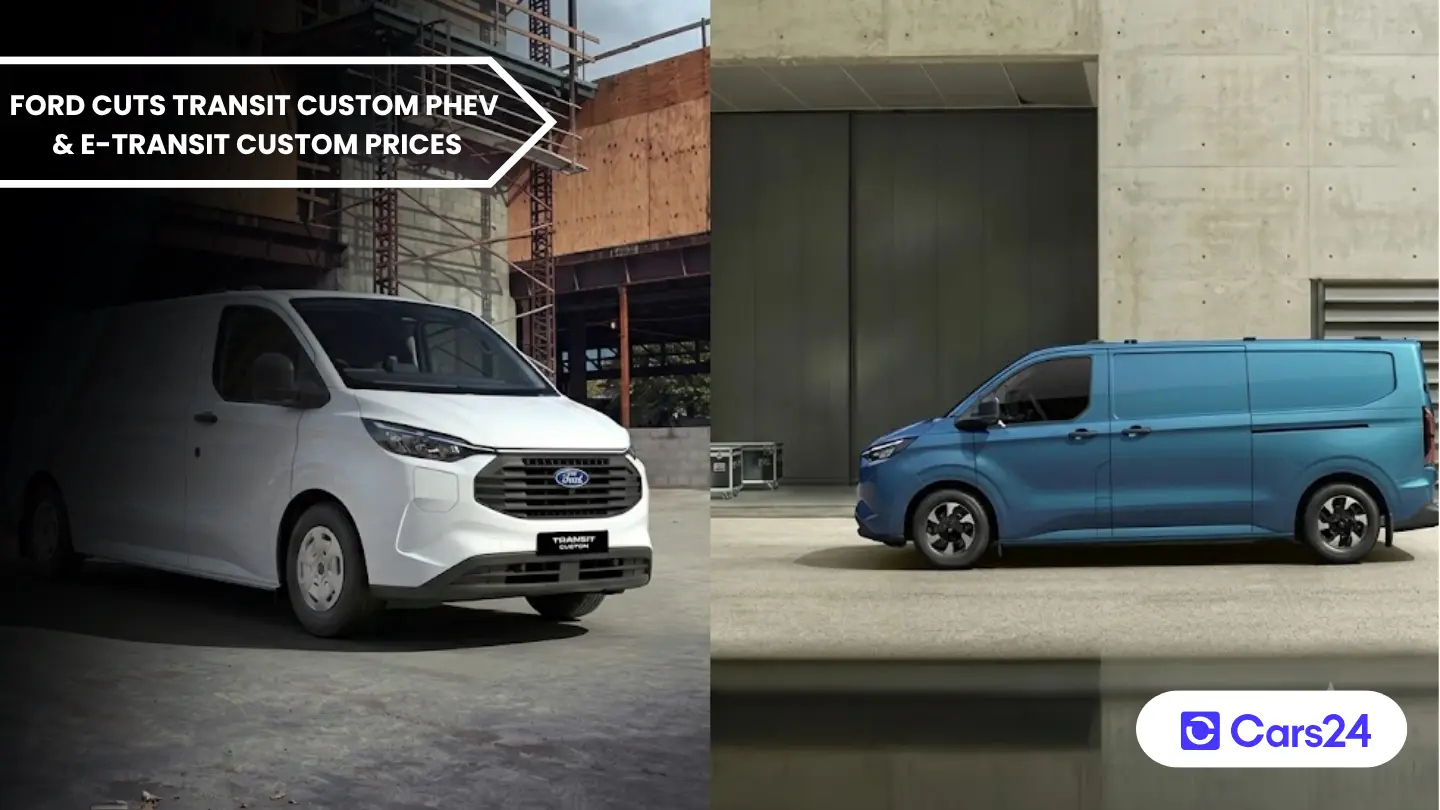
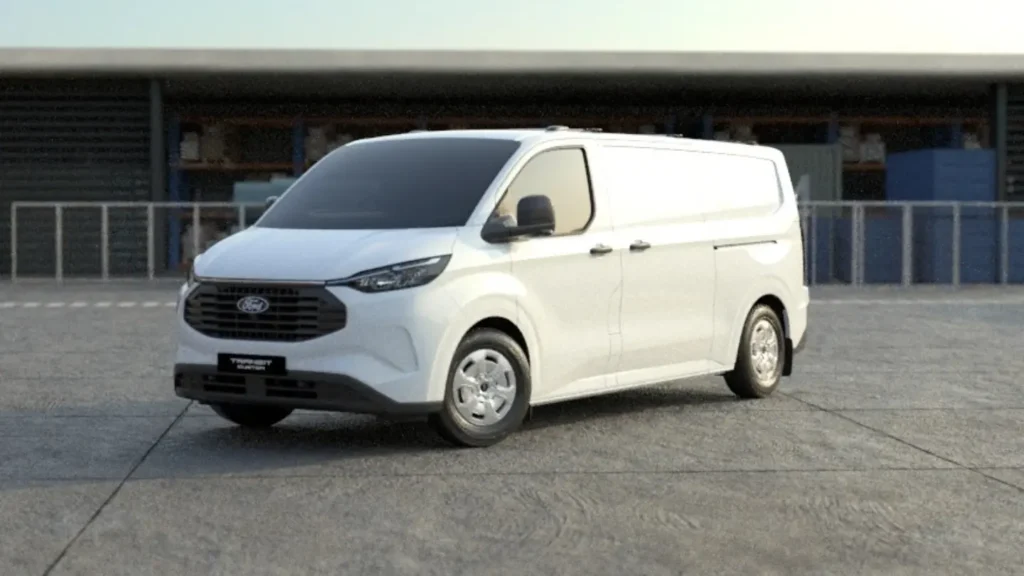
Ford has cut $3900 from every electrified Transit Custom variant sold in Australia, as part of an updated 2027.25 lineup due in dealerships from early next year. The cuts apply across the board. The Ford Transit Custom PHEV Trend LWB now starts at $63,990 before on-road costs, with the Sport SWB at $66,390. On the fully electric side, the E-Transit Custom Trend LWB drops to $73,990, while the Sport SWB comes in at $76,390, all before on-road costs.
It’s a solid move from Ford, and one that matters in a segment where tradies and fleet buyers watch every dollar. Updated PHEV models are expected in showrooms from May 2027, with the E-Transit Custom arriving slightly earlier, from March 2027.
2027.25 Ford Transit Custom pricing
| Model | Price before on-road costs | Change |
| Ford Transit Custom PHEV Trend LWB | $63,990 | -$3,900 |
| Ford Transit Custom PHEV Sport SWB | $66,390 | -$3,900 |
| Ford E-Transit Custom Trend LWB | $73,990 | -$3,900 |
| Ford E-Transit Custom Sport SWB | $76,390 | -$3,900 |
Why does this matter for Australian buyers?
The Ford Transit Custom PHEV remains the only plug-in hybrid van of its kind sold here, though that’s about to change. The Volkswagen Transporter eHybrid, built on the same underlying platform, is due in Australia before the end of 2026, which explains some of the pressure to keep pricing competitive.
On the electric side, the price cut pulls the E-Transit Custom closer to the newly announced Hyundai Staria Load, which starts from $70,990 before on-road costs. It also undercuts the Peugeot E-Expert Pro by a decent margin, with that van priced from $79,990 before on-road costs.
That said, the E-Transit Custom still isn’t the cheapest electric van on the market. The Farizon SV (SuperVan) comes in at $62,990 before on-road costs, and the LDV eDeliver 7 starts from $61,042 drive-away, both well under Ford’s offering.
Bigger battery, more range
The real upgrade for the electric version is under the floor. The Ford E-Transit Custom’s battery grows from 64kWh to 71.45kWh, a meaningful jump that lifts claimed range from 301km to 340km on the Trend, and from 307km to 346km on the Sport.
It’s worth noting how that stacks up against the incoming Transit City, a smaller electric van due in Australia in November priced from $50,000 drive-away. Ford claims the Transit City manages 254km on the combined WLTP cycle, though it says the city-cycle figure climbs as high as 380km, a reminder that stop-start urban driving tends to favour EVs.
Power tools straight from the battery
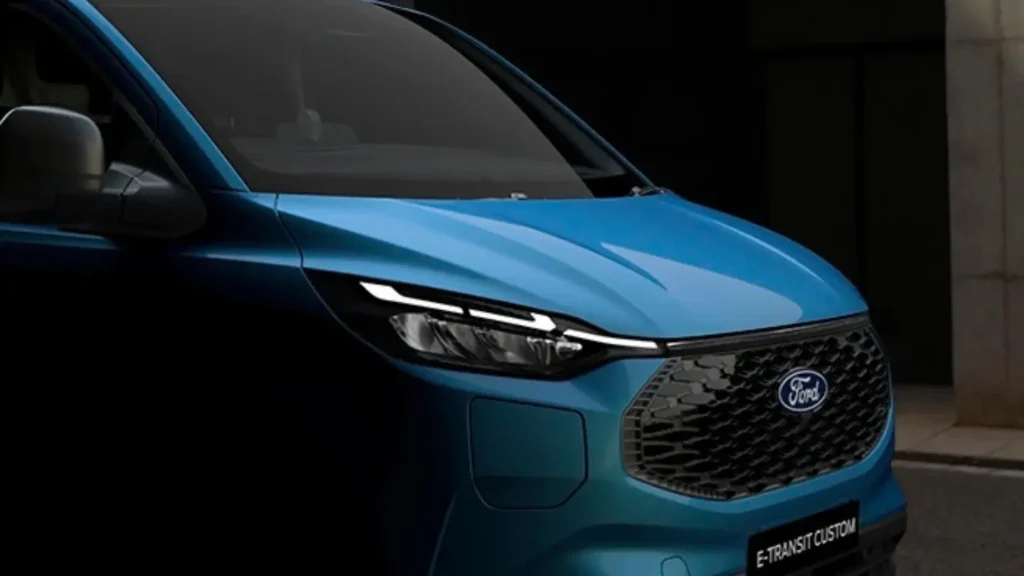
Every electrified Ford Transit Custom and E-Transit Custom variant now gets a 2.3kW Pro Power Onboard system as standard, complete with Vehicle-to-Load (V2L) capability for the first time on this van.
It works by using a built-in inverter to turn the high-voltage battery’s DC power into regular 230V AC, the same tech already fitted to the Ranger PHEV. In practice, that means tradies can run power tools, compressors or site equipment directly from the van, without needing a generator. For anyone working off-grid or on a job site with no power hookup, that’s a genuinely useful addition rather than a gimmick.
Where the Transit Custom sits in the market
Sales-wise, the Ford Transit Custom trails only the Toyota HiAce in its segment. PHEV versions made up about 8.5 per cent of Transit Custom sales to the end of June this year, accounting for 111 of the 1307 vans sold. The fully electric Ford E-Transit Custom has had a much quieter run, with just 10 sales over the same period, suggesting Australian buyers in this segment are still warming to full EVs over hybrids.
Ford has also confirmed a seven-year, unlimited-kilometre warranty across its entire lineup for all customer types, effective from September 1, 2026, provided servicing is done through Ford’s dealer network. That’s a strong backstop for fleet buyers weighing up the electrified Ford Transit Custom against its rivals.
Australian pricing for the standard diesel Transit Custom range hasn’t been mentioned in this update, so it’s unclear yet whether non-electrified variants will see similar adjustments.

Comments
New Comment