




Key takeaways
- GWM Haval Jolion Max Australian showroom arrival has shifted to early 2027.
- Electric and plug-in hybrid powertrains will be offered, with front-wheel drive expected.
- Pricing remains unconfirmed, but GWM says it will sit between Jolion and H6.
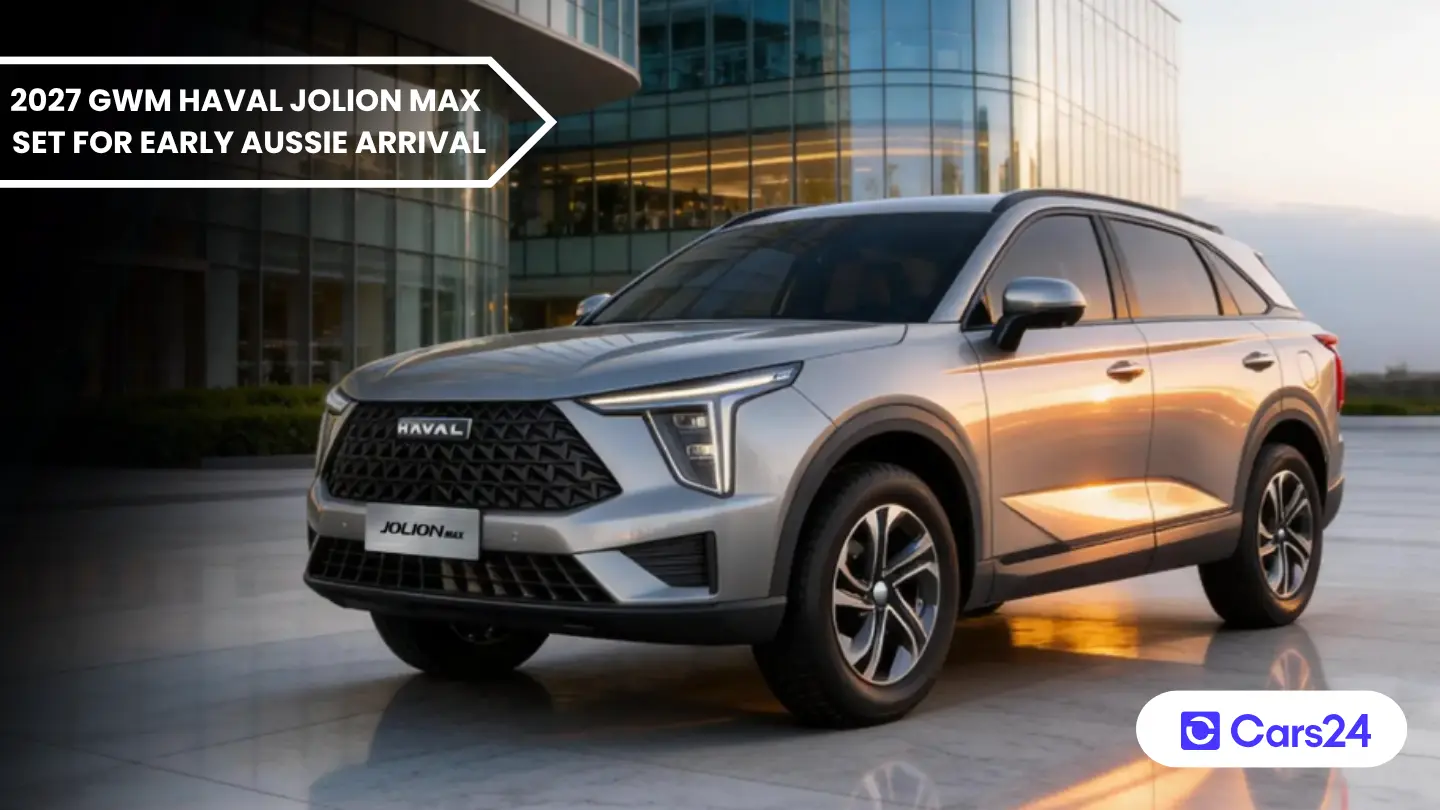
The 2027 GWM Haval Jolion Max will arrive in Australian showrooms in early 2027, with the new mid-size SUV now pushed back from its previously expected late-2026 launch.
Shown to Australian media for the first time, the Jolion Max will expand GWM’s local SUV line-up with battery-electric (BEV) and plug-in hybrid (PHEV) powertrains. It is expected to target buyers considering affordable electric and electrified family SUVs, including the Geely EX5 and BYD Sealion 5.
The larger model will sit between the existing Haval Jolion and Haval H6 in GWM’s local range, although its Australian pricing and final specifications are yet to be announced.
Read more: GWM Cannon Alpha production slows due to seat shortage
When will the GWM Haval Jolion Max arrive in Australia?
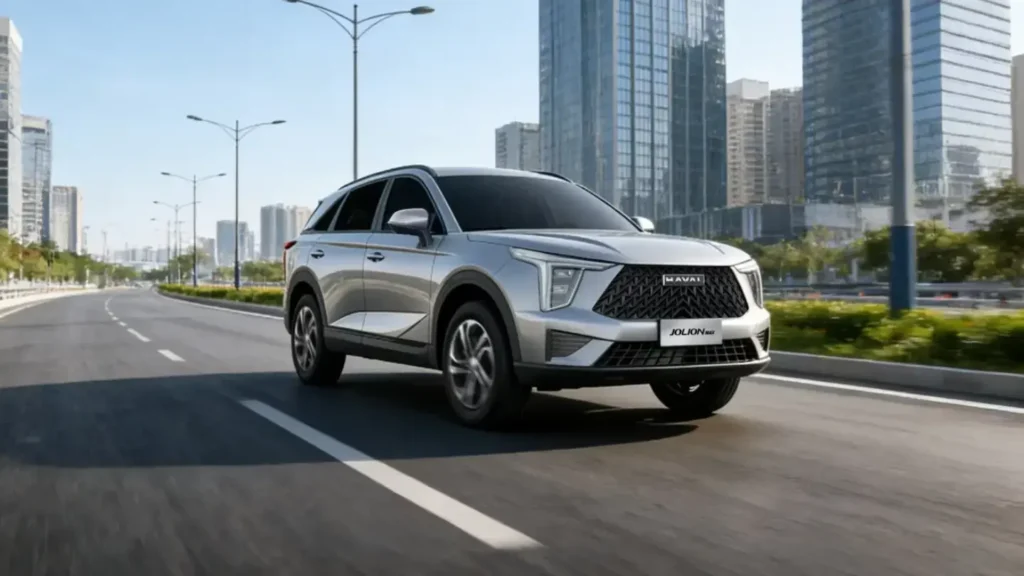
GWM has moved the Jolion Max’s expected Australian showroom arrival from late 2026 to early 2027.
The vehicle has now been shown to Australian media, giving a clearer indication of where it will fit within the brand’s expanding SUV range.
GWM Australia managing director Andrew Gao described the model as a vehicle aimed at young families, with the company planning to offer different powertrains to meet varying customer requirements.
The Jolion Max will join the existing Haval H6, Haval H6 GT and Haval H7, alongside the upcoming Ora 5 Plus, as part of GWM’s expanding Australian SUV portfolio.
GWM has not confirmed an exact launch date or whether all powertrain versions will arrive at the same time.
What powertrains will the Haval Jolion Max offer?
The Haval Jolion Max will be offered with two electrified powertrain options in Australia: a fully electric version and a plug-in hybrid.
The battery-electric model is expected to use a 58kWh battery, similar in capacity to the one used in the GWM Ora 5. GWM claims an approximate driving range of 400km, although the applicable testing cycle has not been confirmed.
Power is expected to come from a front-mounted electric motor producing around 150kW, with front-wheel drive likely.
The plug-in hybrid version will combine a 1.5-litre turbocharged four-cylinder petrol engine producing 110kW with a 130kW electric motor.
It is also expected to receive a battery pack with approximately 19kWh of capacity. Australian Government documents list a combined system output of 240kW for the model.
That figure would give the PHEV a substantially different performance proposition from the fully electric version, although GWM has not yet released its final Australian performance figures.
Electric-only driving range, fuel consumption, charging times and battery charging specifications remain unconfirmed.
How much will the 2027 GWM Haval Jolion Max cost?
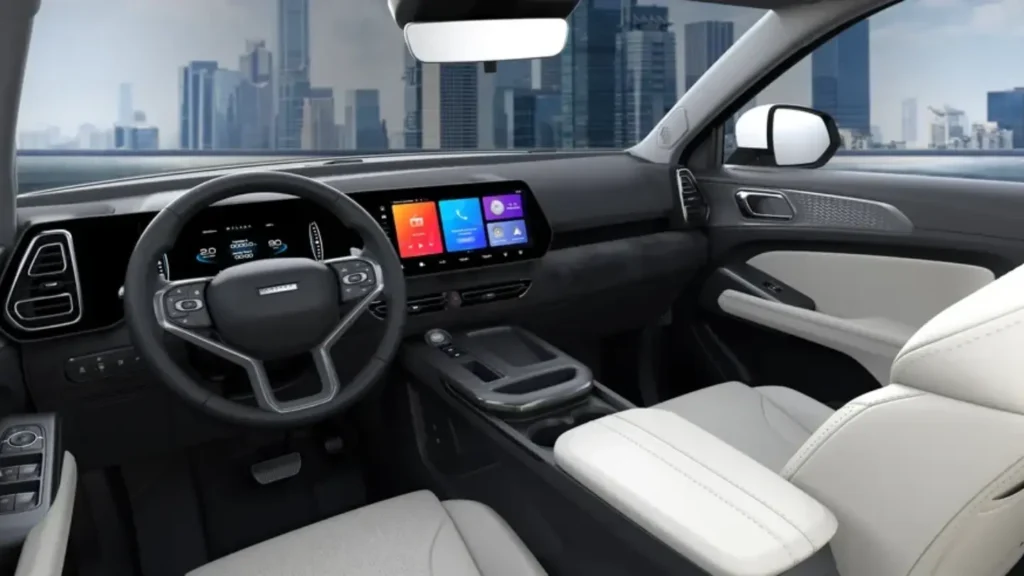
GWM has not announced Australian pricing for the Jolion Max, but it has provided an indication of where the new SUV will sit in its range.
GWM Australia’s marketing and communications chief Steve Maciver said the model would sit somewhere between the Jolion and H6.
For context, the existing Haval Jolion range currently extends to $39,990 drive-away for the flagship Vanta Hybrid, while the Haval H6 PHEV starts at $44,990 drive-away.
These prices provide a rough indication of GWM’s intended positioning, but they should not be treated as confirmed Jolion Max pricing.
The new model’s final price will depend on its equipment levels, powertrain and variant structure. GWM is expected to reveal those details closer to its Australian launch.
What will the Haval Jolion Max compete against?
The Jolion Max will enter an increasingly competitive part of Australia’s SUV market, where Chinese manufacturers are expanding their electric and plug-in hybrid offerings.
The fully electric version will have the Geely EX5 among its key competitors, while the PHEV could attract buyers considering models such as the BYD Sealion 5.
Its positioning between the Jolion and H6 could also help GWM appeal to buyers who want a larger family SUV without stepping up to the higher price brackets occupied by more expensive electric models.
However, the Jolion Max’s eventual competitiveness will depend on more than its starting price. Real-world driving range, cabin space, standard safety equipment, charging capability and warranty coverage will all influence its appeal.
GWM has yet to confirm the Jolion Max’s dimensions, boot capacity, towing capacity, ANCAP safety rating or Australian equipment specifications.
What does this mean for Australian buyers?
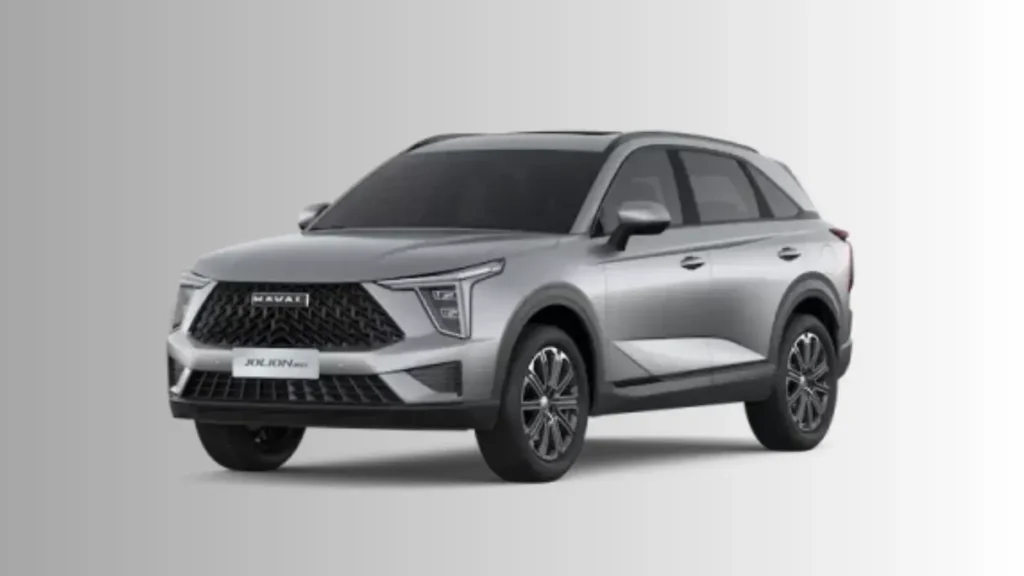
The Jolion Max gives Australian buyers another option if they are considering an electrified mid-size SUV but do not want to move into a more expensive segment.
Offering both BEV and PHEV versions also gives customers a choice between fully electric driving and a petrol-electric setup that does not rely entirely on public charging infrastructure.
For households with access to home charging, the electric version could make sense for regular commuting, provided its final Australian range and pricing are competitive.
The PHEV may appeal to buyers who want electric-only driving for shorter trips but still need a petrol engine for longer journeys. Its usefulness will depend on the confirmed electric range, fuel consumption once the battery is depleted and how efficiently it can be charged.
There are still several unanswered questions. GWM has not confirmed Australian pricing, final specifications, charging performance, safety ratings or warranty details.
The early-2027 arrival also means buyers considering an electric or plug-in hybrid SUV have time to compare the Jolion Max with alternatives already available locally.
For now, the Jolion Max looks set to add another electrified option to GWM’s expanding Australian range. Its final value proposition will become clearer once the company releases local pricing and equipment details.

Comments
New Comment