




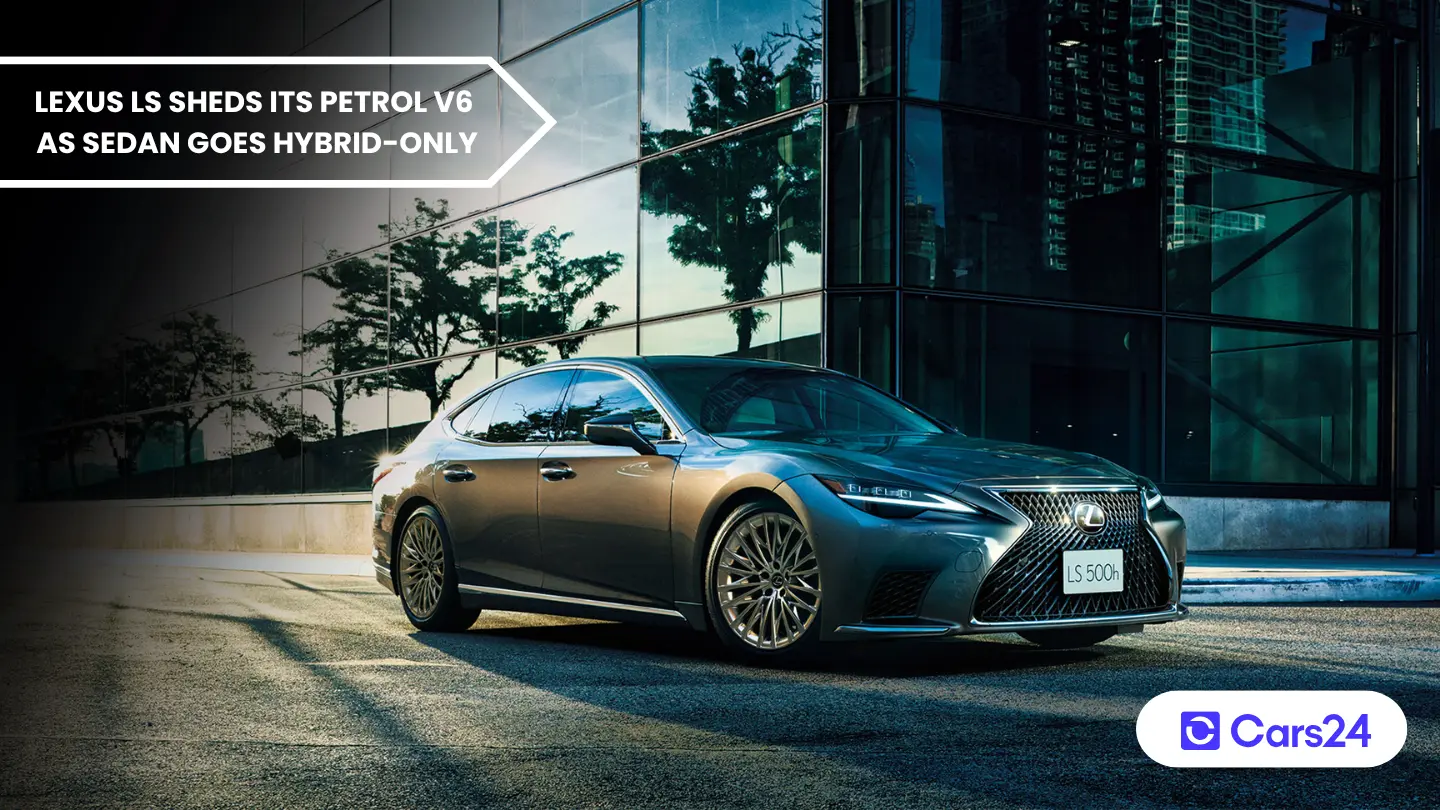
The Lexus LS has never been a volume seller in Australia, but it’s still the brand’s halo car, the one that shows off everything Lexus can do when money’s no object. Now, the current fifth-generation LS is getting a mid-life refresh in Japan, and the headline change is a big one: the petrol-only V6 is gone.
That means no more twin-turbo 3.4-litre V6 LS500. From here, the LS lineup narrows to a single powertrain, the naturally aspirated 3.5-litre V6 hybrid, badged LS500h. Lexus Australia has already flagged this shift, confirming it’s dropping petrol-only versions of both the LS and the RX due to what it’s calling changing customer preferences. In plain terms, hybrid buyers are the ones showing up to dealerships, and Lexus is building the lineup around them.
Read more: Lexus UX set to bow out in 2027, with no replacement in sight
What’s under the bonnet?
The Lexus LS500h pairs that 3.5-litre V6 with a 132kW electric motor and a 10-speed automatic, drawing from a lithium-ion battery pack. On paper, the engine alone makes 220kW and 356Nm, but Lexus Australia claims a combined system output of 264kW once the electric motor chips in. In Japan, buyers can choose rear- or all-wheel drive, but Australian-spec LS models have always been rear-wheel drive only, and that’s expected to continue here.
For a car this size and this luxurious, going hybrid-only isn’t really a downgrade, it’s arguably the smarter package. Big V6 hybrids like this tend to deliver smoother, quieter performance around town, which is exactly the environment where an LS owner is most likely to be sitting in the back seat rather than driving.
Chassis and steering upgrades aimed at sharper dynamics
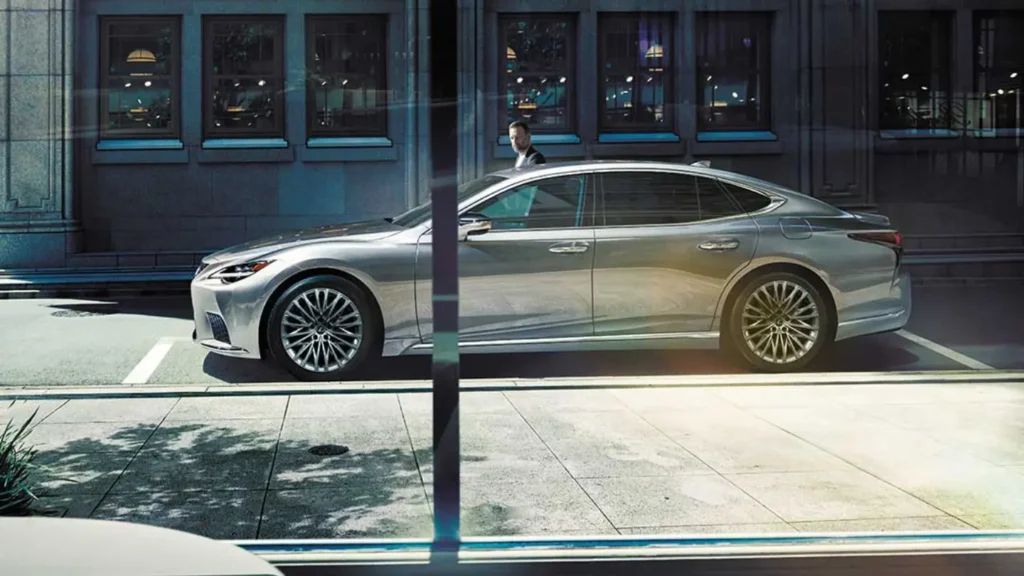
The more interesting engineering story here is what Lexus has done underneath the skin. The centre tunnel has been reinforced, and the rear suspension brace and luggage brace now use a thermosetting resin designed to cut high-frequency vibrations. In everyday terms, that should mean a quieter, more settled cabin and less of the shudder that can creep into big sedans over rough roads.
Lexus has also retuned the adaptive suspension and electric power steering, chasing what it describes as a more natural, controllable steering feel, along with reduced body roll and pitch. That’s a meaningful tweak for a car this size, limousines can easily feel disconnected from the road, and any effort to sharpen that feedback loop is worth taking seriously, especially on the sort of long, undulating highway stretches common across Australia.
New features, but no arene or latest safety suite
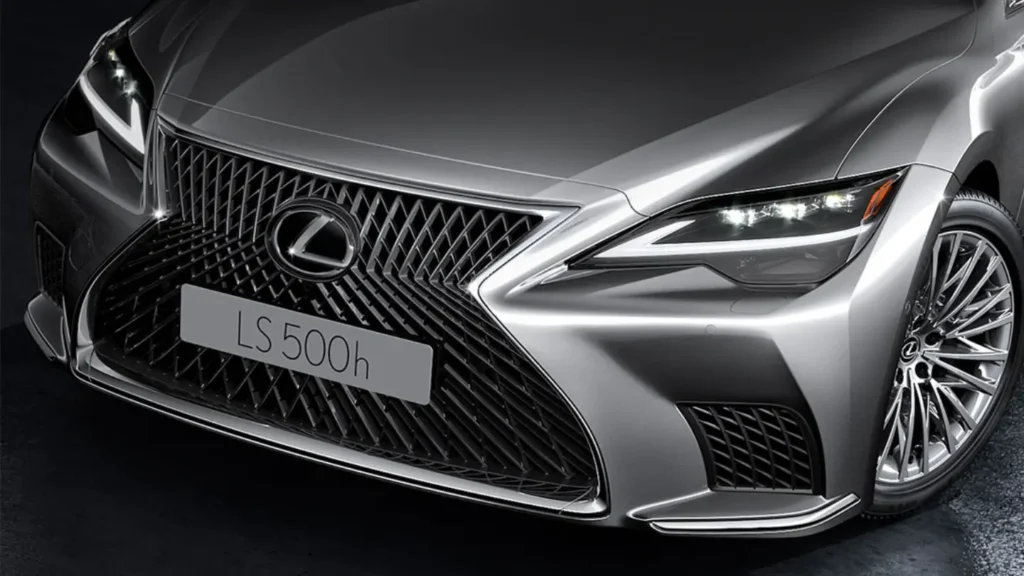
Buyers get a new opening panoramic sunroof option, a first for the LS, alongside the existing single-pane version. Cosmetically, the changes are subtle, the Lexus ‘L-mark’ badge on the boot has been swapped for the brand’s wordmark, aligning the LS with the rest of the current range. Inside, it’s largely business as usual, with the same 12.3-inch infotainment touchscreen carrying over.
Notably, this update skips Lexus’ newer Arene operating system and the latest Lexus Safety System+ 4.0 driver assistance suite, both of which have appeared on other recent Lexus releases. That suggests this is very much a mid-cycle refresh rather than a full reinvention, sensible chassis and drivetrain polish rather than a tech overhaul.
What does this mean for Australian buyers?
Lexus Australia has confirmed updated LS models will arrive locally towards the end of the year, though pricing, specification grades and exact availability haven’t been announced yet. Given the LS’s low local volumes, don’t expect a flood of stock, it remains very much a considered, made-to-order kind of purchase here.
There’s also a bigger question mark hanging over the LS’s future. The nameplate has already been discontinued in the US, its original home market, and Lexus used last year’s Tokyo motor show to reveal two very different concept vehicles wearing the LS name, one a coupe SUV, the other a six-wheeled people mover. Combined with Toyota’s push to take its ultra-luxury Century brand global, the writing may be on the wall for the LS as we currently know it.
For now, though, Australian buyers after a hybrid full-size limousine with a slightly sharper drive will have a clearer, simpler choice: LS500h, and nothing else.

Comments
New Comment