




Key highlights
- The 2027 Mazda 3 range starts at $31,910 before on-road costs, with prices rising by $300 across all six grades.
- G20 Pure and Evolve variants gain a 10.25-inch touchscreen, while wireless smartphone connectivity is now standard on the Pure.
- The updated automatic emergency braking system adds motorcyclist, junction-turn and head-on collision detection.
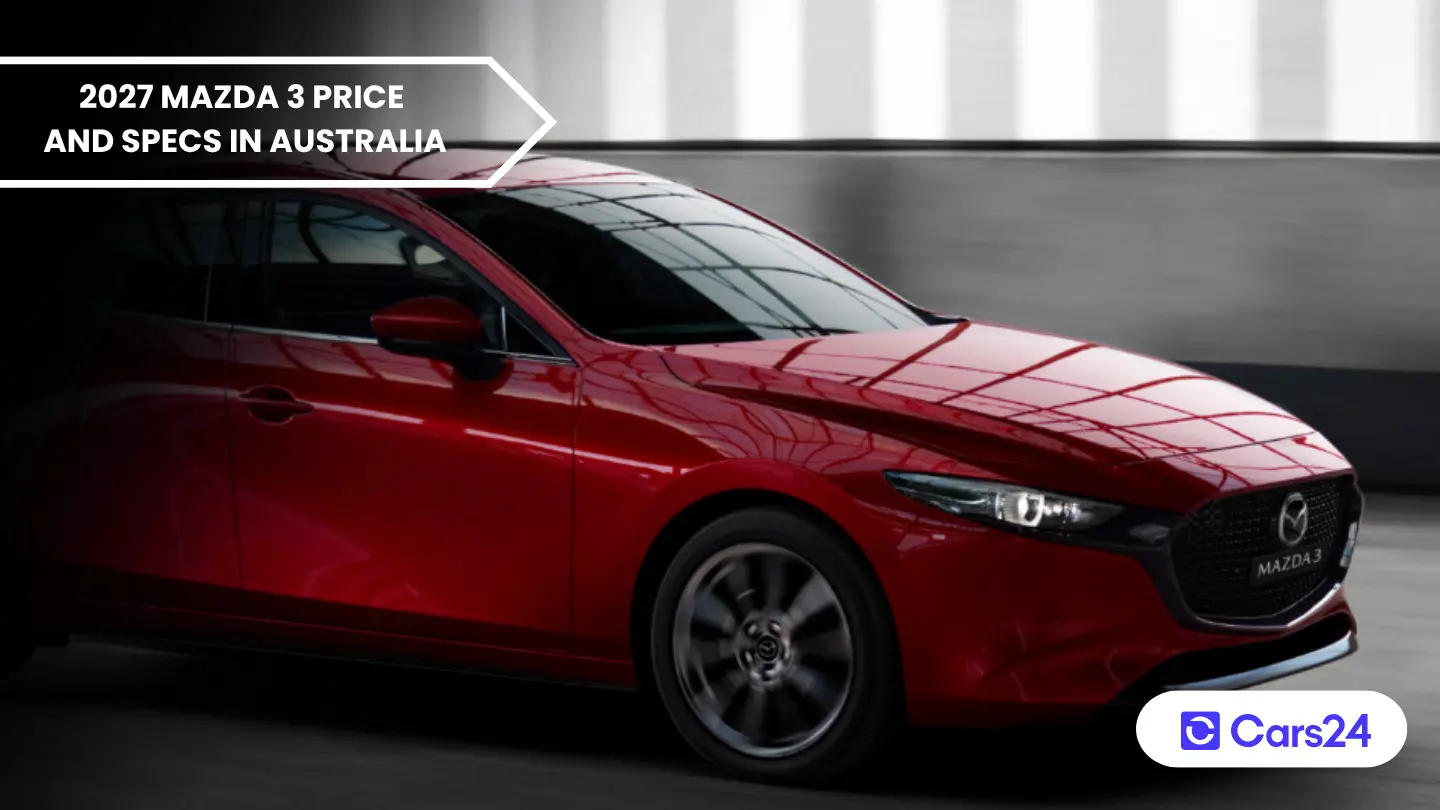
The 2027 Mazda 3 is now on sale in Australia, bringing a series of equipment and safety upgrades to the fourth-generation small car. However, there are no exterior design changes, with the update focused on making the existing range better equipped.
Announced on 23 October 2026, the updated Mazda 3 costs $300 more across all six variants. Prices now start at $31,910 before on-road costs for the entry-level G20 Pure and reach $43,910 for the flagship G25 Astina.
Here is the full Australian pricing range:
| Variant | Price before on-road costs |
| Mazda 3 G20 Pure | $31,910 |
| Mazda 3 G20 Evolve | $33,710 |
| Mazda 3 G20 Touring | $37,710 |
| Mazda 3 G25 Evolve SP | $37,710 |
| Mazda 3 G25 GT | $40,710 |
| Mazda 3 G25 Astina | $43,910 |
The updated range retains the G20 and G25 engine designations, with the higher-numbered G25 variants positioned above the G20 models. The changes are primarily about equipment rather than a new-generation car or a substantial mechanical overhaul.
Read more: Refreshed 2027 Mazda CX-30 UK reveal previews Aus model
Mazda 3 gets improved emergency braking technology
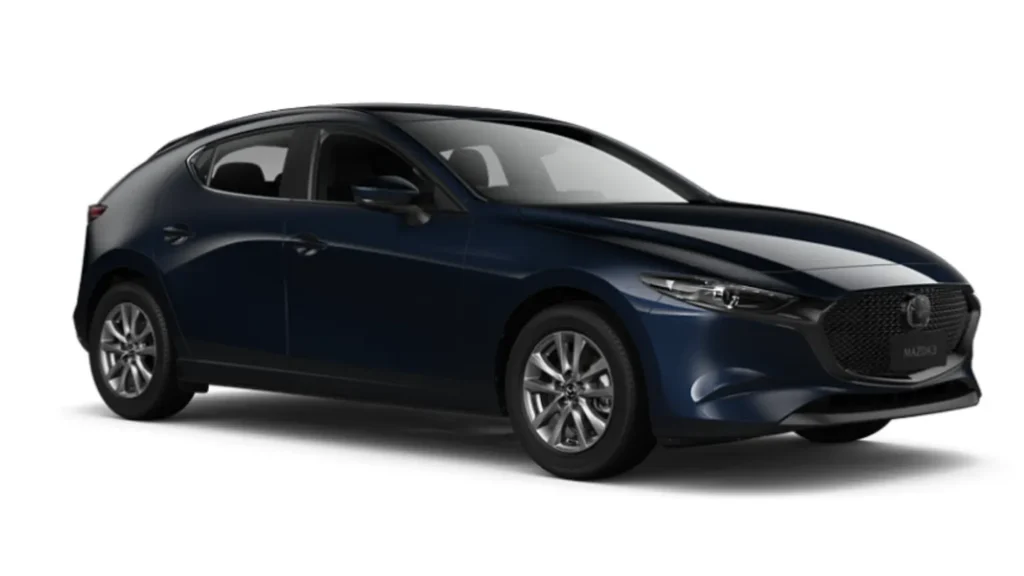
One of the more important changes is the updated autonomous emergency braking (AEB) system, which is now fitted across the range.
The system can detect motorcyclists, junction turns and direct head-on collisions, adding to its existing ability to identify vehicles, pedestrians, cyclists and traffic crossing behind the car.
AEB can warn the driver of an impending collision and apply the brakes when necessary. Expanding the range of situations it can recognise could help drivers in busy urban traffic, at intersections and when sharing the road with motorcyclists.
The flagship G25 Astina also receives improved adaptive LED headlights with glare-free high beam technology. This allows the headlights to provide high-beam illumination while reducing glare for other road users in certain situations.
These changes add useful safety technology to a model that has been on Australian roads since the current generation arrived in early 2019.
Entry-level Mazda 3 gains a bigger touchscreen
The G20 Pure and G20 Evolve receive a larger 10.25-inch Mazda Connect infotainment touchscreen, replacing the previous 8.8-inch non-touch display.
The change is particularly relevant to buyers considering the more affordable variants, as the larger screen was previously available through the optional Vision Technology package.
The G20 Pure also gains wireless Apple CarPlay and Android Auto, allowing compatible smartphones to connect without a cable. Wireless connectivity was already available elsewhere in the range.
Other standard equipment on the Pure includes satellite navigation, an eight-speaker audio system, a head-up display, a reversing camera and rear parking sensors. The car also retains manual air-conditioning, cloth upholstery and 16-inch alloy wheels.
The G20 Evolve adds 18-inch alloy wheels, dual-zone climate control, rear air vents, a wireless smartphone charger and an auto-dimming rear-view mirror.
The Vision Technology package has also dropped in price from $2,000 to $1,900. Available on the Pure and Evolve, it adds a surround-view camera, front parking sensors, driver monitoring, traffic jam assist and front cross-traffic alert.
Higher grades continue to offer additional comfort and convenience features, including leather upholstery, heated front seats and a heated steering wheel on the G25 GT.
Aero Grey replaces two Mazda 3 colours
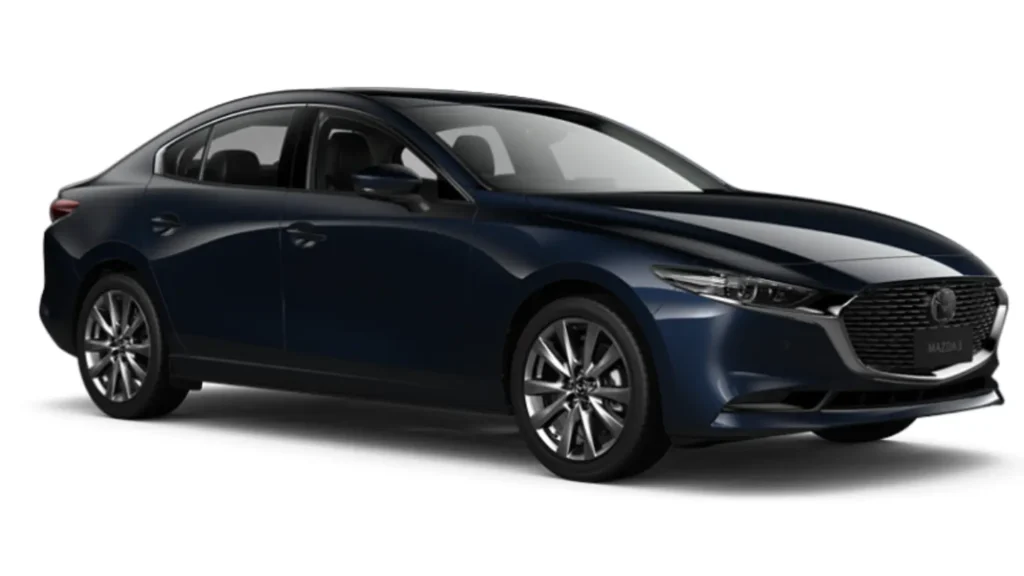
The updated Mazda 3 range also gets a revised exterior colour palette, with Aero Grey introduced as a no-cost option across all grades.
Ceramic and Zircon Sand have been discontinued, while existing colours such as Snowflake White, Platinum Quartz, Deep Crystal Blue and Jet Black remain available at no extra cost.
Polymetal Grey, Machine Grey and Soul Red Crystal continue to attract a $595 premium.
The changes are relatively minor compared with those made to the related Mazda CX-30 SUV, which has also received updates for the Australian market.
Can the Mazda 3 remain competitive in Australia?
The Mazda 3 remains an established choice for buyers wanting a conventional small hatchback or sedan, but the segment faces pressure from newer rivals and changing buyer preferences.
Sales of the Mazda 3 hatchback and sedan were reported to be down 29 per cent year-on-year in the source’s October 2026 report, highlighting the challenge facing the ageing model.
Rather than introducing a major redesign, Mazda has focused on adding equipment that buyers can use every day, particularly the larger touchscreen and expanded emergency braking capability.
The $300 price increase is modest in isolation, although the final drive-away cost will vary with registration, stamp duty and other on-road charges.
For Australian buyers, the updated range offers more standard technology without a change to the car’s familiar design. Whether that is enough to attract more small-car buyers will depend on how it stacks up against newer alternatives on price, equipment and driving experience.

Comments
New Comment