




Key highlights
- The trial vehicle detected 300 road defects across Victoria’s Mornington Peninsula over two months.
- RMIT University and RACV are testing whether AI can help councils identify deteriorating roads earlier.
- Researchers plan to continue the trial until January 2027, with a wider rollout across Australia a possibility.
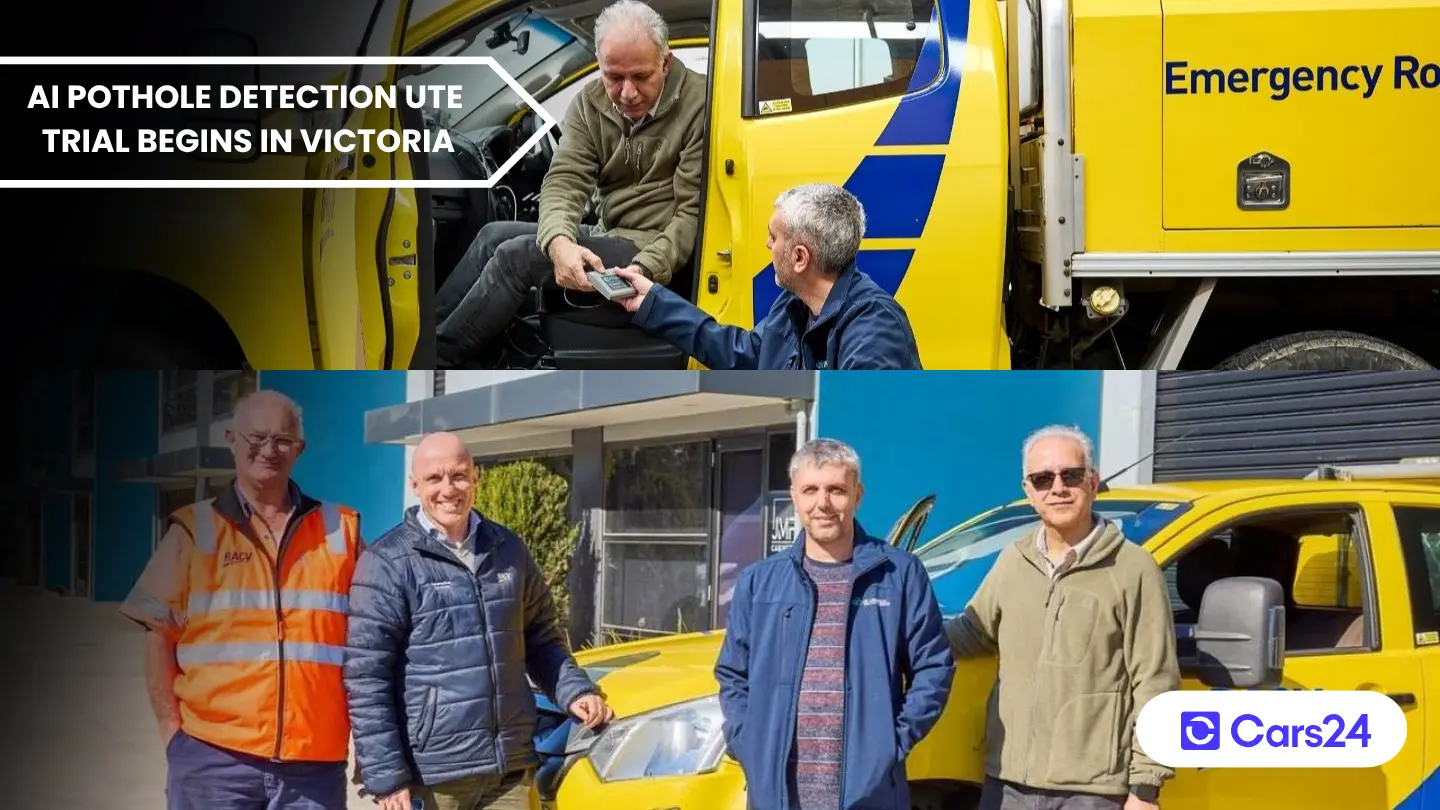
An AI-equipped RACV roadside assistance vehicle is helping researchers detect potholes and other road damage across Victoria, with early results pointing to a possible shift in how road maintenance is managed.
The vehicle, fitted with cameras, GPS tracking and sensors that monitor its movement, has identified 300 road defects during a two-month trial around the Mornington Peninsula. The project is a partnership between RMIT University and RACV, with funding from the Federal Government’s National Road Action Grant.
Rather than waiting for potholes to become large enough to trigger complaints or require major repairs, researchers want to identify warning signs of road deterioration before the damage gets worse.
The technology is being tested at a time when Victoria’s road conditions have become a growing concern for motorists, particularly those dealing with damaged surfaces, vehicle repairs and the risk of tyre or suspension damage.
Read more: BYD’s Yangwang Altior takes luxury EV ambitions to Rolls-Royce territory
How the AI pothole detection system works
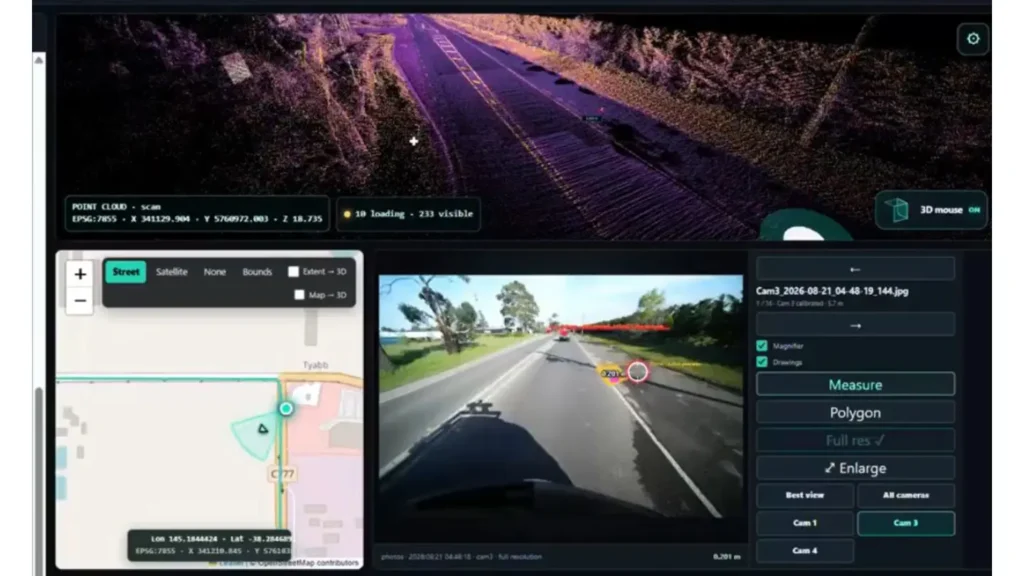
The trial vehicle uses a combination of artificial intelligence, video footage, GPS tracking and vehicle movement data to identify potential road defects.
This allows the system to look for more than just established potholes. Early signs of deterioration, including cracks and ruts in the road surface, can also be detected and recorded for further assessment.
Cracks can develop into larger defects over time, particularly when water enters the road surface and repeated traffic places additional stress on the damaged area. Identifying these problems early could give road authorities more time to intervene before repairs become more extensive.
RACV driver Mark Orlando has been operating the vehicle during the trial. He said road users can often see sections of deteriorating pavement well before repair work begins.
He also highlighted the difficulty of spotting hazards in poor visibility, including during wet weather, at night or when driving on unfamiliar roads.
For motorists, the potential benefit is straightforward. Identifying road damage earlier could help reduce the risk of vehicles hitting unexpected potholes and suffering damage to tyres, wheels or suspension components.
However, the trial’s detection figures do not establish how many potholes have been prevented or how much money the system could save on repairs.
Victoria’s road maintenance backlog adds urgency
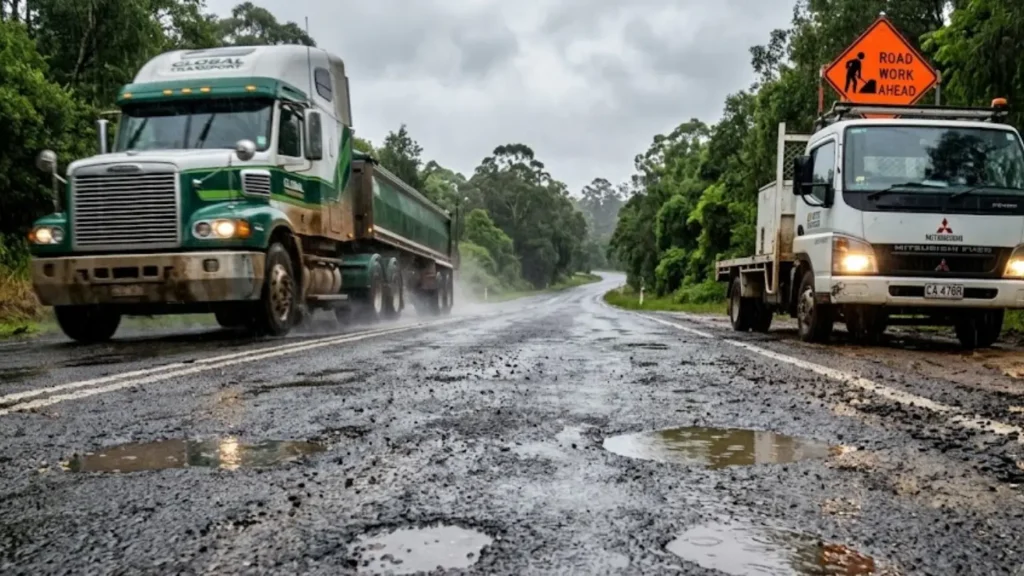
The project comes amid ongoing scrutiny of Victoria’s road network and the pace of maintenance work.
A recent audit by the Victorian Auditor-General’s Office found that state-managed road surfaces were deteriorating as maintenance backlogs grew faster than repairs could address them. Funding shortfalls have also been identified as part of the broader problem.
That makes preventative maintenance particularly relevant. If road authorities can identify developing defects before they become more serious, they may be able to prioritise repairs and make better use of available resources.
The issue has also become politically significant ahead of Victoria’s November 2026 state election, with road maintenance funding among the commitments being discussed by the major parties.
Still, AI detection alone will not fix damaged roads. Authorities would need to assess the reported defects, decide which repairs are most urgent and ensure sufficient funding and crews are available to carry out the work.
The effectiveness of the technology will therefore depend on how well the information translates into practical maintenance decisions.
Could the technology be used across Australia?
The RACV and RMIT trial is scheduled to continue until January 2027. Researchers hope the technology could eventually be deployed across more vehicles in Australia, although a broader rollout has not been confirmed.
Using vehicles already travelling on public roads could offer a practical way to gather information across a wider area. Roadside assistance vehicles, for example, regularly cover different routes and could potentially help build a clearer picture of changing road conditions.
The next step will be to establish whether the system can consistently identify useful defects and help road authorities act on that information in time.
For Australian drivers, the technology offers a potential improvement in how road hazards are found and prioritised. But its real value will depend on whether earlier detection leads to faster repairs and fewer damaged road surfaces.
Until then, motorists should continue to watch for potholes and adjust their speed to suit road conditions, particularly on wet roads and unfamiliar routes.

Comments
New Comment