





Aston Martin has unveiled the Valen, its latest ultra-exclusive, limited-production luxury supercar crafted by the company’s bespoke Q by Aston Martin personalisation and Special Vehicle Operations team.
The two-seat Valen runs on the most powerful version of its twin-turbocharged V12 engine and follows the Victor, the turbocharged Valour and the track-focused Valiant from 2024.
Aston Martin will build only 150 examples of Valen, with each costing £1.5 million (or about US$2 million) before further personalisation. The company unveiled the car at 2026 Monterey Car Week in California, USA, and deliveries will begin in Q2 2027, but there is no word about it arriving in Australia yet.
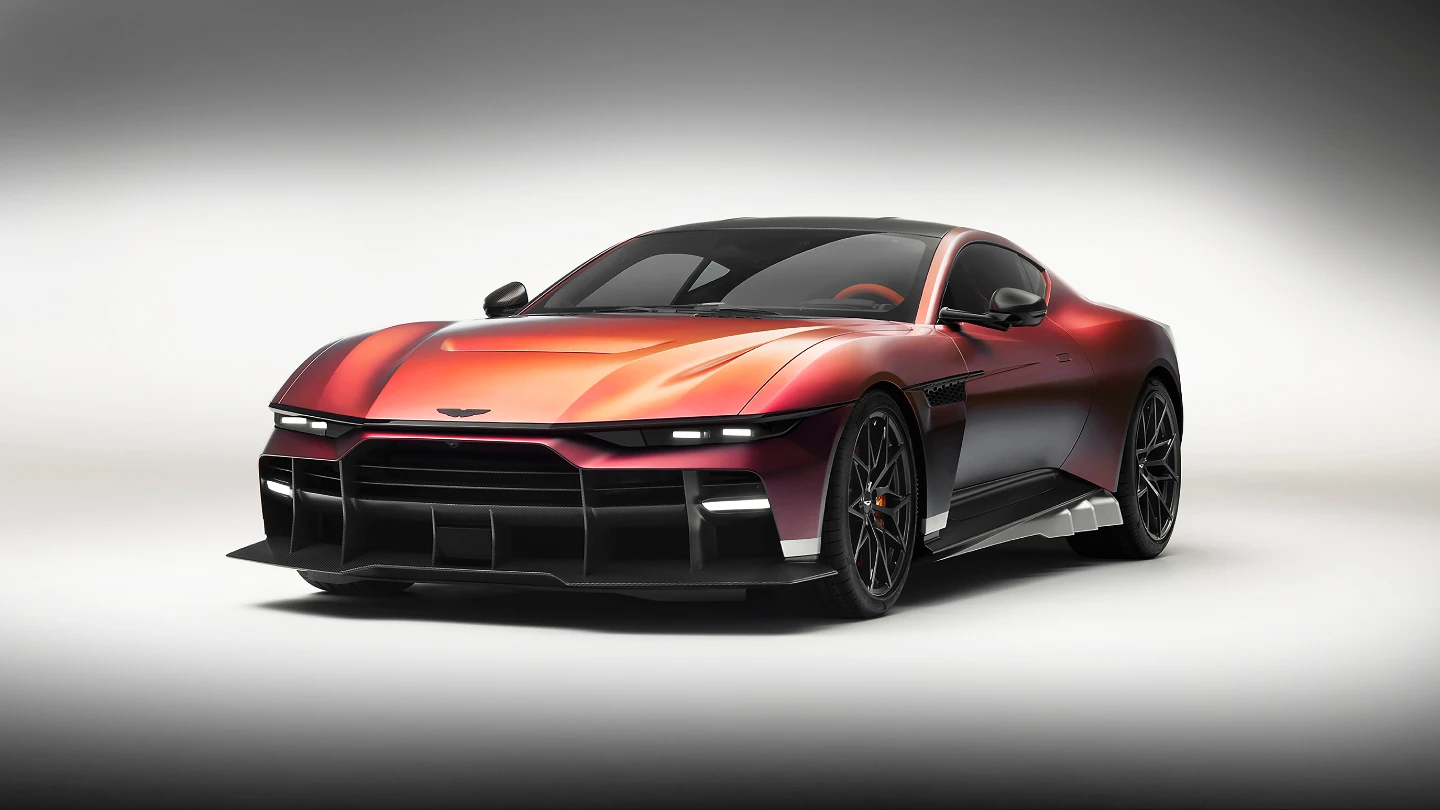
More power in a lighter body
The Valen uses the same Aston Martin high-strength bonded aluminium platform as the luxury-focused Grand Tourer, Vanquish, but it is louder, lighter, and far more aggressive. The material changes make the Valen’s chassis about 110 kg lighter than the Vanquish’s.
Both vehicles also share the same fundamental 5.2-litre twin-turbocharged V12 engine, rear-mounted 8-speed ZF automatic transaxle, and rear-wheel drive.
| Specification | Aston Martin Valen |
|---|---|
| Engine | 5.2-litre Twin-Turbocharged V12 |
| Drivetrain | Rear-wheel drive with electronic limited-slip differential |
| Power output | 625kW at 6500rpm |
| Torque output | 1000Nm at 2500-5000rpm |
| Transmission | Rear-mounted 8-speed automatic transaxle |
| Acceleration (0-100km/h) | 3.1s |
| Top speed | 344km/h |
The Valen features the brand’s most powerful engine yet paired with an automatic transmission, and the company has adapted shift strategies developed for the Vantage GT4 race car to suit the V12’s power and torque delivery. The new limited-run Valen sports Pirelli tyres, and it amazingly goes from 0-100km/h in just 3.1 seconds.
Chassis tuned for the extra performance
Aston Martin has recalibrated the engine’s drive modes: Sport and Sport+ sharpen throttle response, while Track mode delivers the power more progressively to improve high-speed control.
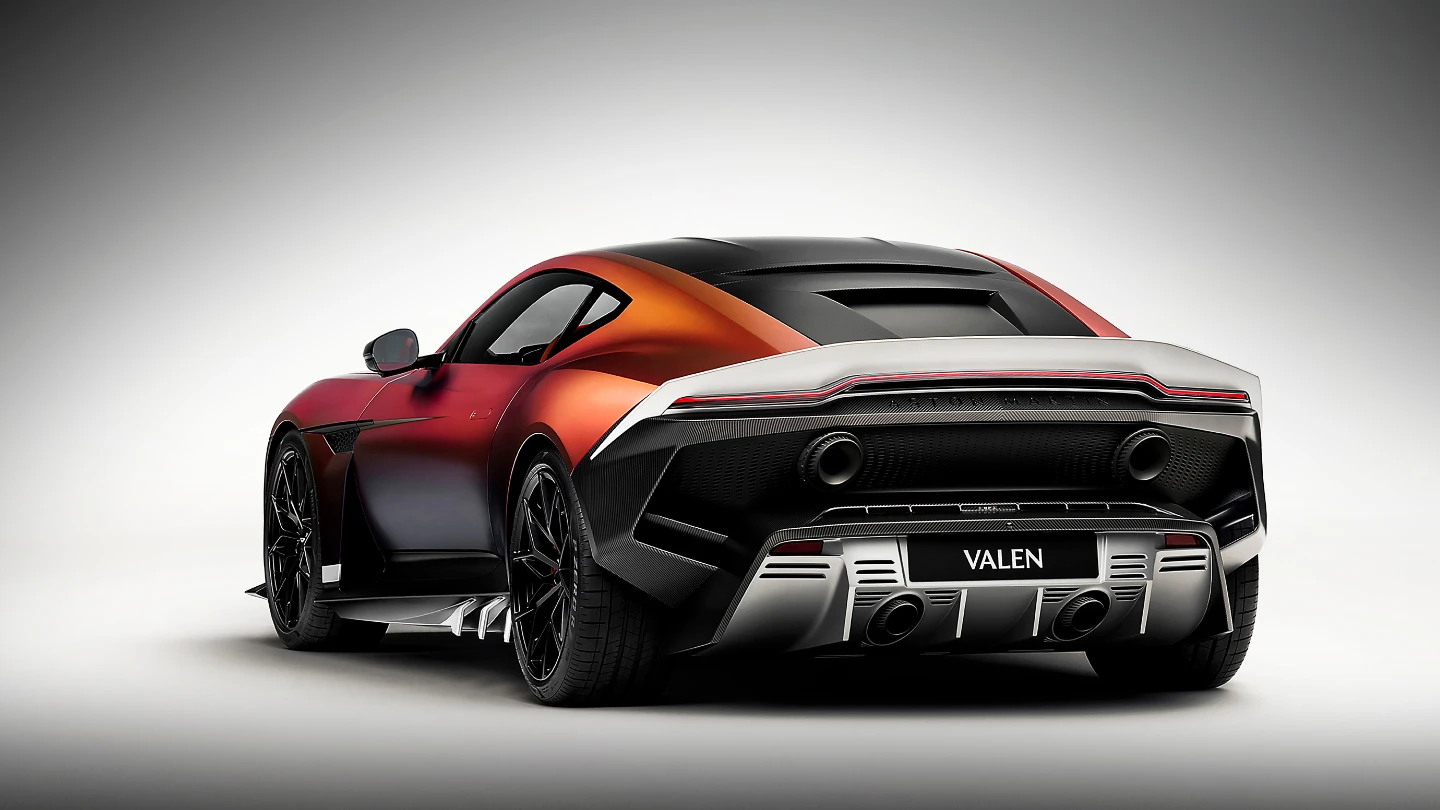
The Valen also gets a new titanium quad-exhaust system with 3D-printed titanium tailpipe finishers.
Aston Martin has upgraded the steering, Bilstein DTX semi-active dampers, carbon-ceramic brakes, ESP and camber settings to match the lower weight and higher performance. The rear subframe now mounts solidly, while the springs and helper springs are specific to the Valen.
The car retains the Vanquish’s 410mm and 356mm brake discs but uses unique 21-inch magnesium wheels with Pirelli P Zero R tyres as standard and P Zero Winter 2 tyres available as an option.
Also read: Mustang Dark Horse SC Convertible debuts; Not for Oz
Exterior: Carbonfibre body goes beyond styling
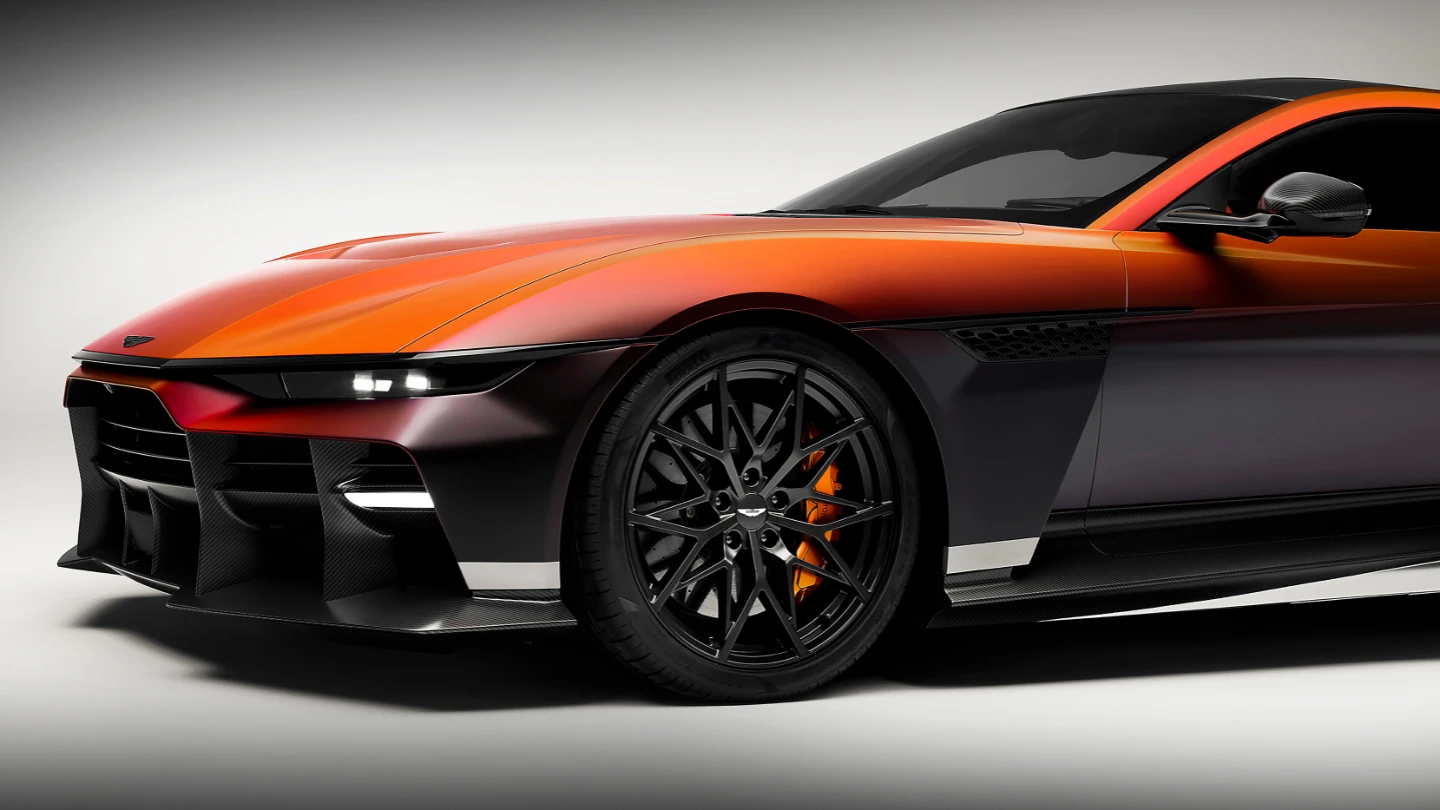
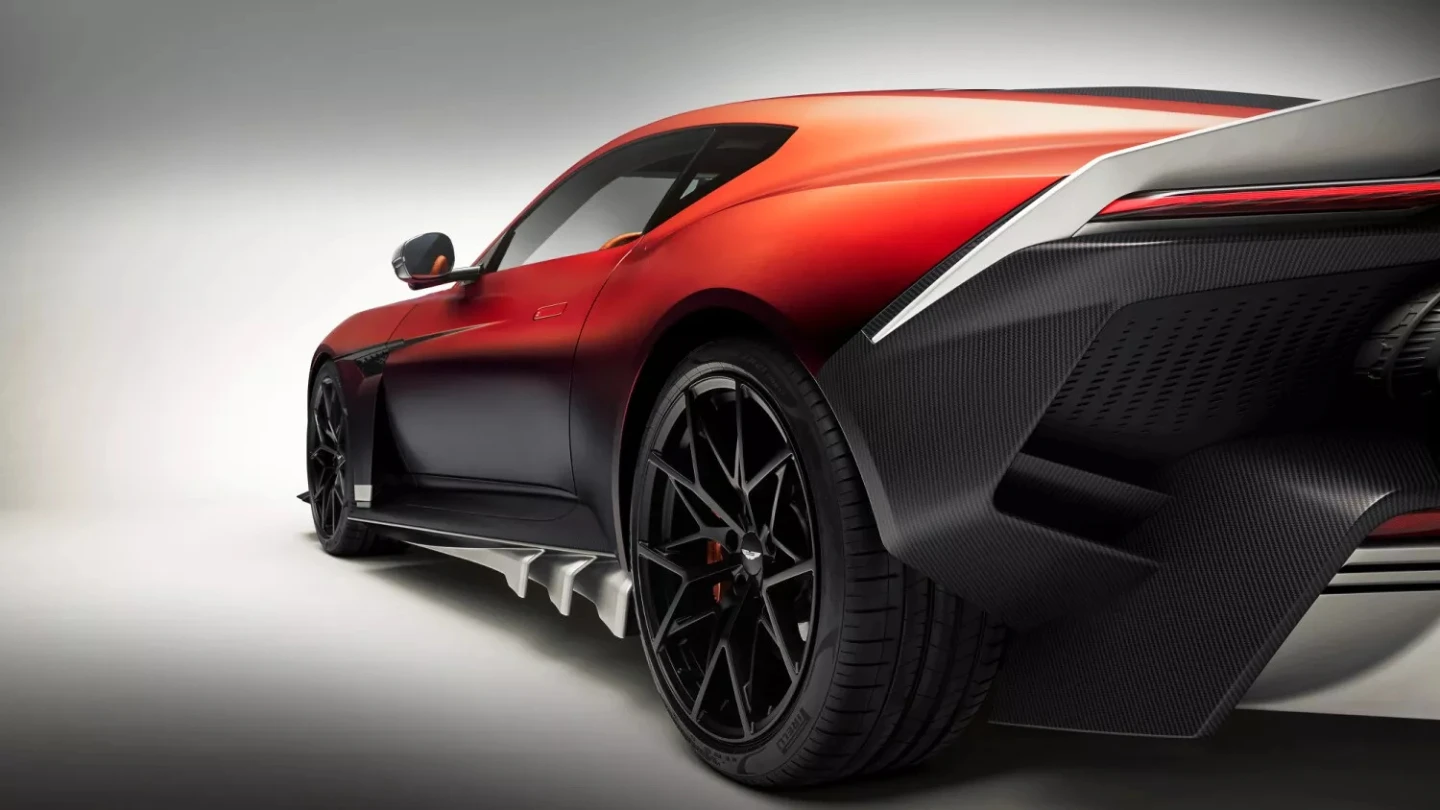
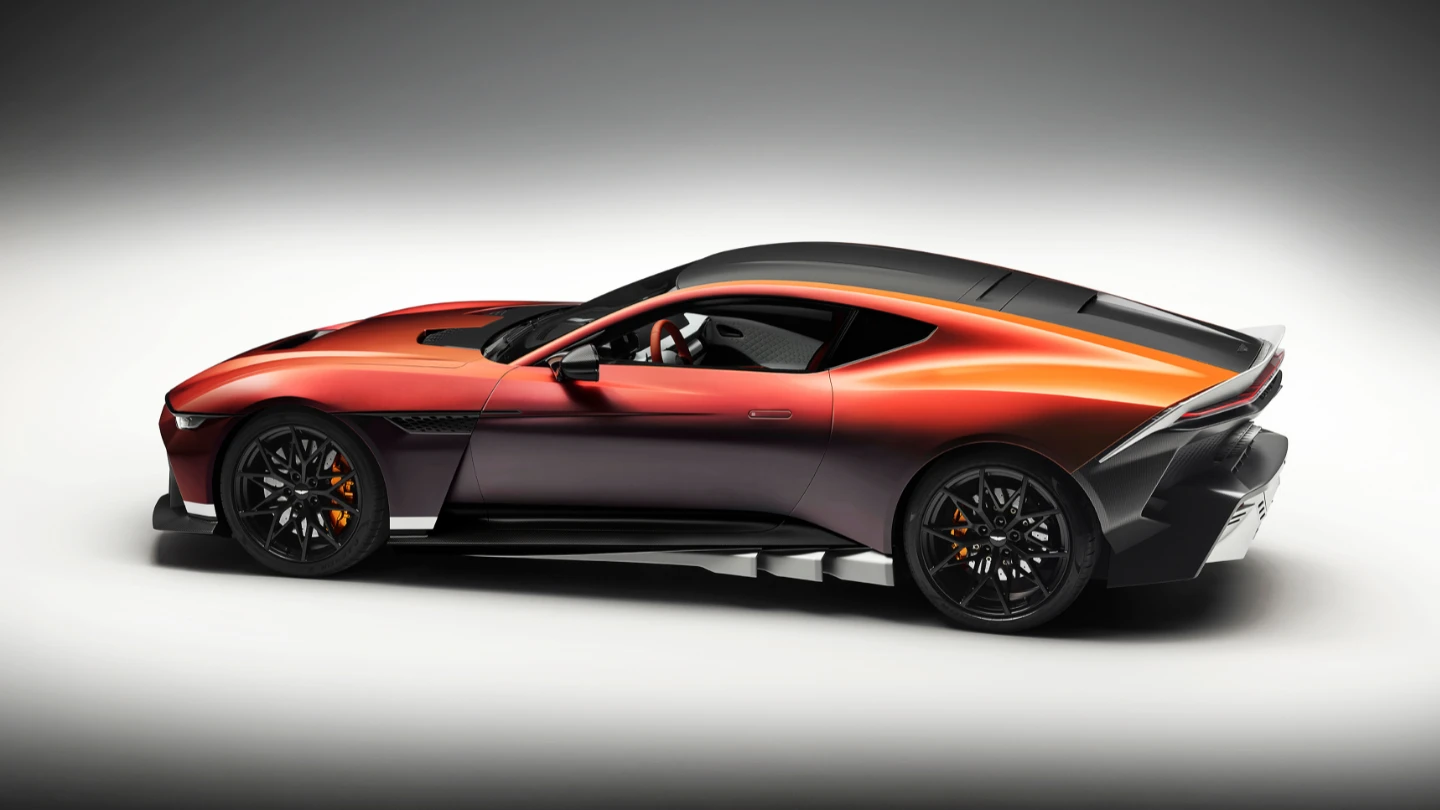
The Valen abandons the restrained look of the brand’s current road cars for a much more aggressive body built around carbonfibre structures and functional airflow.
The front uses recessed slimline headlights beneath the bonnet edge, while large openings manage cooling and airflow. A deep bonnet intake feeds the V12 and long side strakes lead into a vent behind the front wheel, which extracts turbulent air from the wheel housing.
Then there are sawtooth vortex generators in the stepped side sill which, combined with others, aim to reduce lift and create downforce.
Carbonfibre replaces much of the bodywork beneath the large Gurney flap in the rear, with openings allowing heat from the two high-mounted exhausts to escape while two more exhausts sit lower in the rear diffuser.
The Vanquish’s rear window and conventional bootlid are gone and are replaced by a solid tailgate with 170 litres of boot space and new rear quarter-light windows, while cut-away rear wheelarches expose more of the car’s functional approach.
A new interior for the limited run
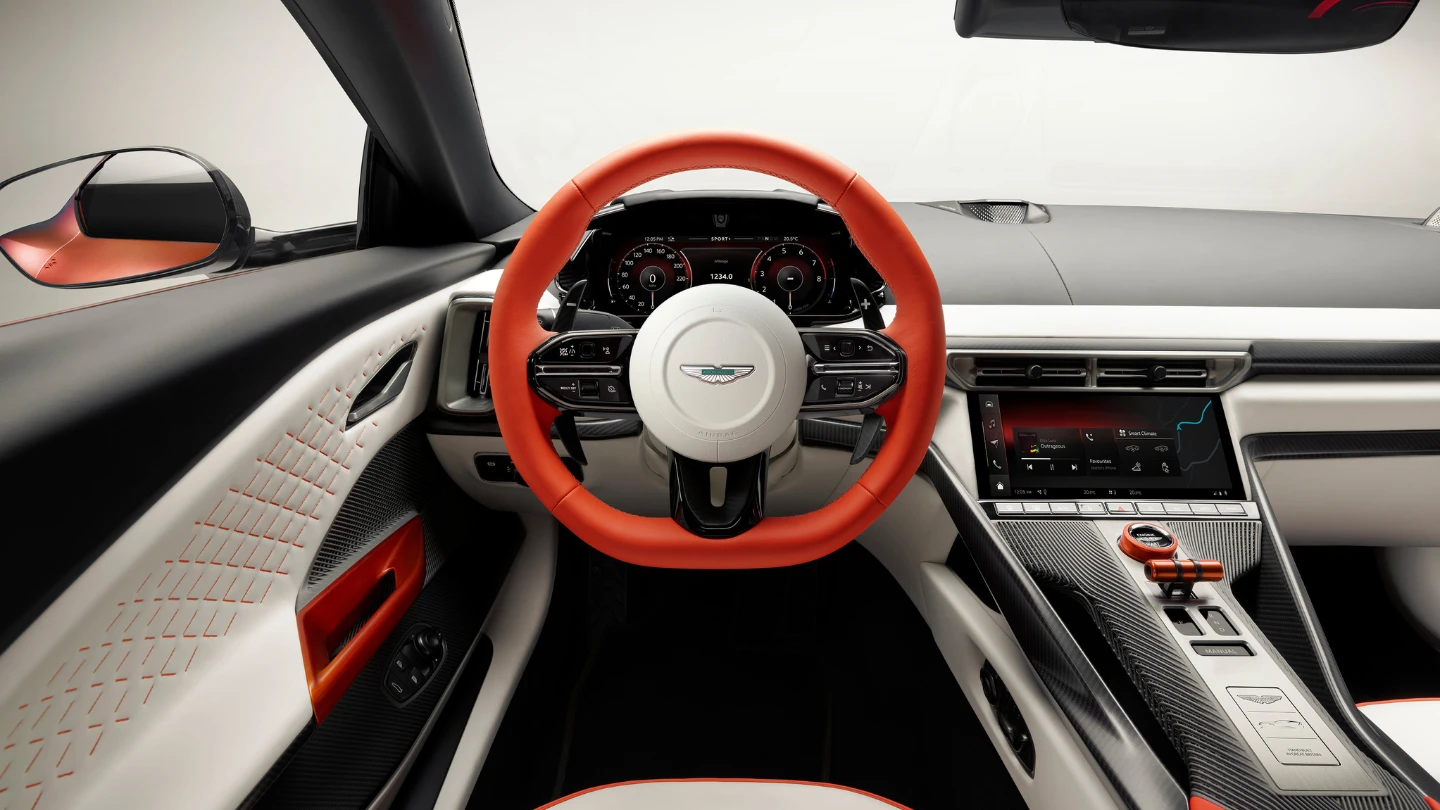
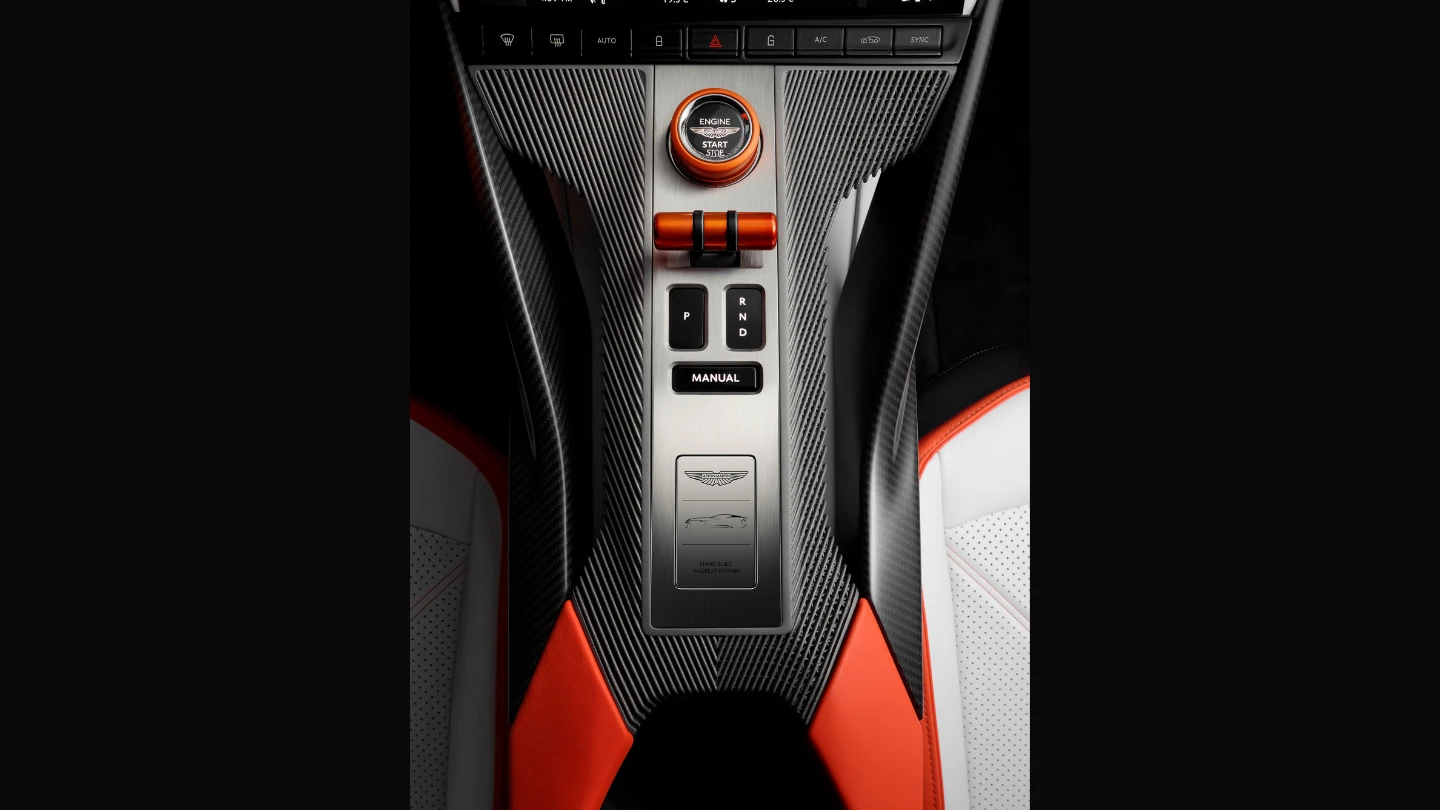
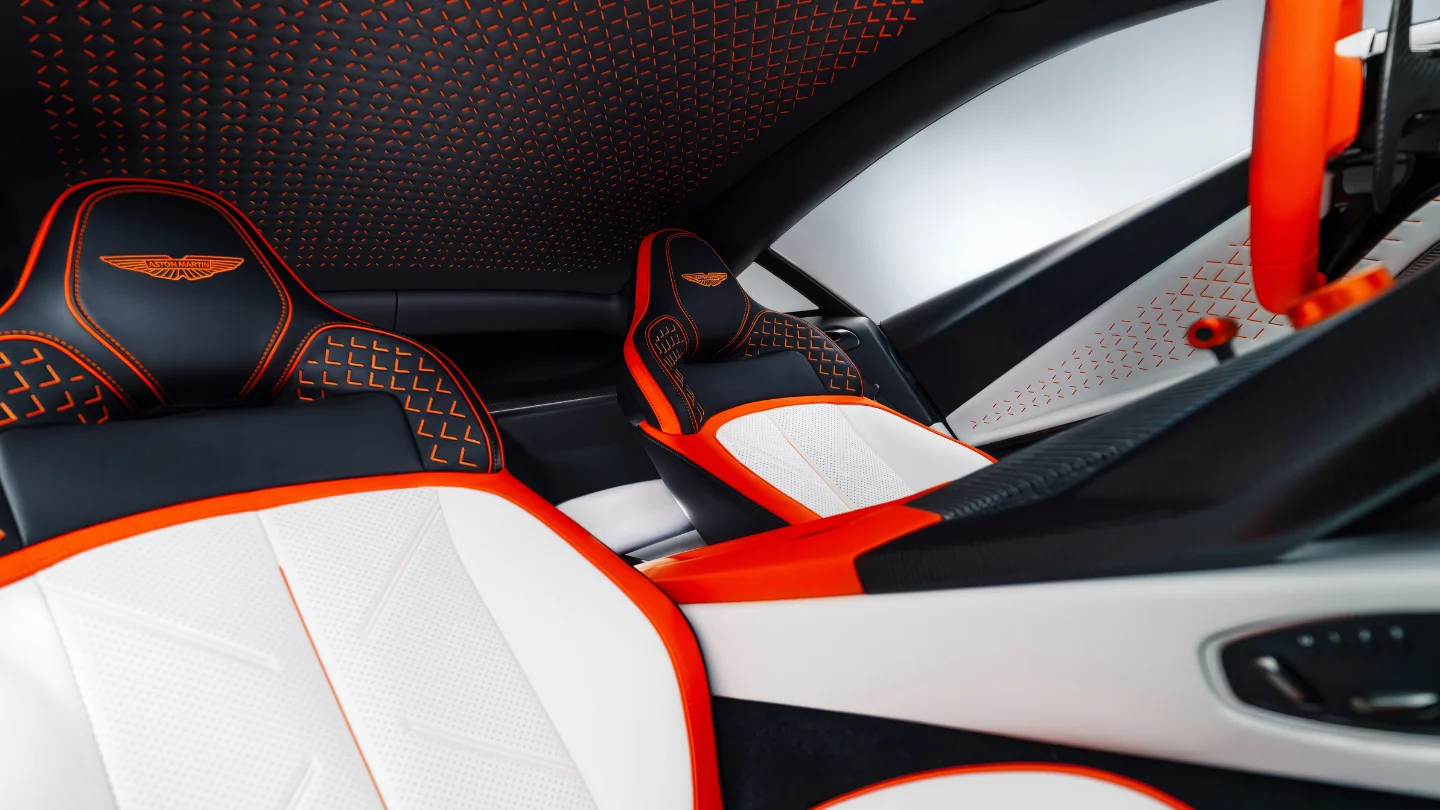
The production model will retain the same interior shown at the 2026 Monterey Car Week. Aston Martin uses 3D printing for a slimline centre console, a larger start-stop button and drive-mode controller, plus a new T-bar gear selector.
The switch pack comes from the Valhalla, while sports seats are newly designed. Aston Martin has also changed the angle of the HMI screen to suit the revised interior trim.
Why the Valen matters
The Aston Martin Valen launches while the British company faces significant financial pressure, as the debt stands at about £1.3 billion at the time of its arrival.
The Valen will not solve those financial problems because Aston Martin’s Q cars give the company freedom to build models that would not fit within its regular production range. The brand also sees these limited-run cars as a way to attract new customers who could later buy models such as the Vantage and DBX.

Comments
New Comment