




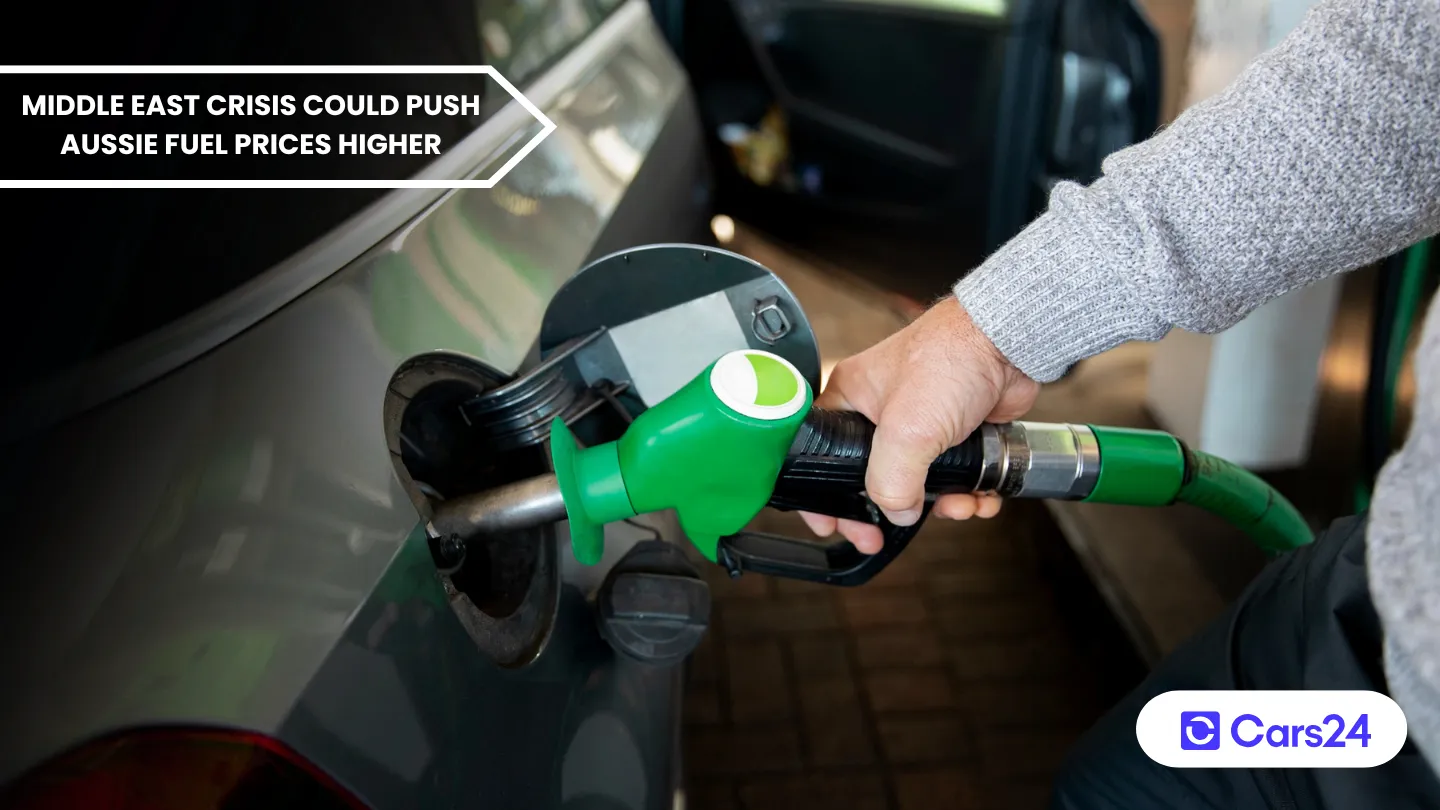
Australian motorists are being warned that petrol and diesel prices could climb sharply in the coming weeks, as escalating conflict in the Middle East disrupts global oil markets and exposes Australia’s limited fuel reserves.
Sources like Compare the Market mentioned petrol prices are already up around 20% since the start of January 2026, while NRMA said the price could rise by about 10% within a week.
Current fuel prices in Australia
According to the Australian Institute of Petroleum (AIP), for the week ending February 22, 2026, fuel prices were as follows:
- National average for 91 RON unleaded: 172.9c/L
- Diesel national average: 180.3c/L
Example fill-up costs
Toyota RAV4 Hybrid’s 55-litre tank would fill up:
- At the national average: $95.10
- Northern Territory average (193.5c/L): $106.43
- Tasmania average (169.6c/L): $93.28
More: Australia sets new fuel quality standards
Oil prices climbing
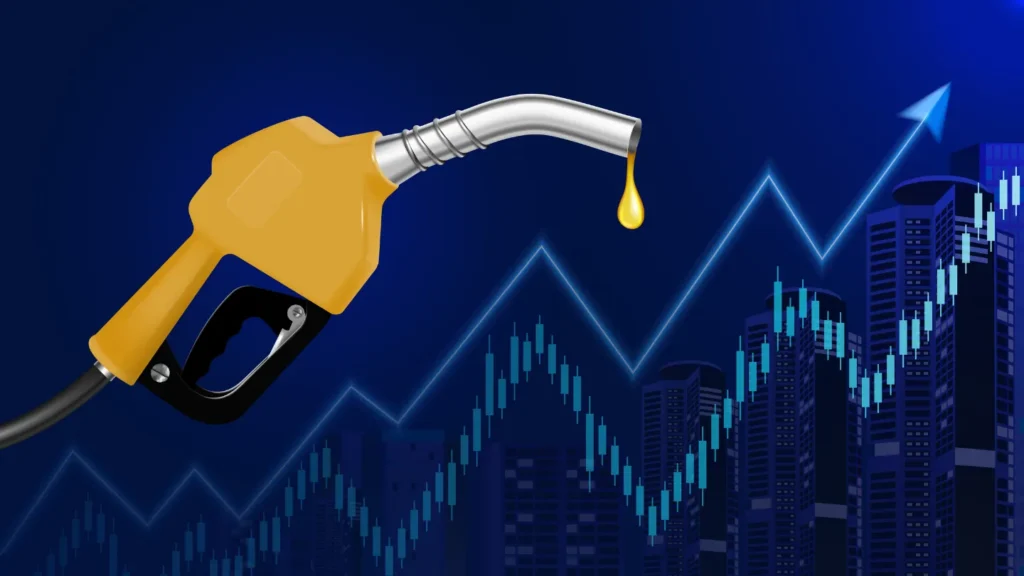
Global oil markets have reacted strongly to recent military developments in the Middle East. Brent crude rose 13% in early trading to US$82 per barrel, the highest in 14 months.
Some forecasters believe oil could climb to US$100 (or AU$141) per barrel. The NRMA has suggested fuel prices could rise by around 10% within 7-10 days. However, comparison site Compare the Market has warned that the increase could be significantly higher.
Compare the Market spokesperson Chris Ford said benchmark oil prices have already risen about 20% since January. In an extreme scenario, he warned that a 30% spike could push unleaded 91 petrol beyond $2.50/L in some regions.
The last time Australia experienced comparable fuel prices was April 2024, when the national average for unleaded petrol exceeded $2.18/L, and some capitals saw averages above $2.30/L.
Strait of Hormuz closure raises alarm
Fuel security concerns intensified after a senior official from the Islamic Revolutionary Guard Corps confirmed the closure of the Strait of Hormuz on March 2, 2026. This strait is one of the world’s most critical oil shipping corridors, with around 20% of globally traded oil passing through it en route to major economies including China and Japan.
Any sustained disruption is likely to increase global supply pressure and fuel price volatility. Iran, bombed by the United States on February 28, accounts for roughly 4.5% of global oil production and is a founding member of OPEC (Organisation of the Petroleum Exporting Countries).
Australia’s fuel reserves under scrutiny
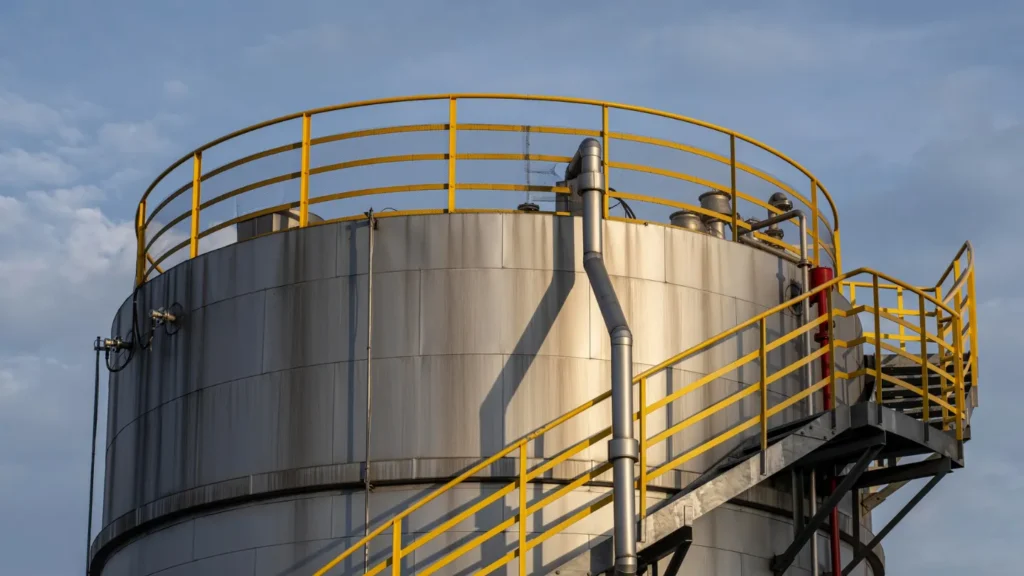
In the Federal Parliament, Climate Change and Energy Minister Chris Bowen confirmed Australia’s fuel stocks currently sit at 36 days of petrol, 34 days of diesel, and 32 days of jet fuel.
While he described these as the highest levels in 15 years, they remain well below the International Energy Agency requirement for member nations to hold at least 90 days of net oil imports.
Bowen clarified that the reported figures include fuel already in Australia or within the country’s exclusive economic zone (up to 370 km offshore), but do not include shipments further abroad.
What happens next?
If oil prices continue to rise or supply routes remain disrupted, Australian motorists could face record or near-record fuel prices in the coming weeks. The situation highlights Australia’s vulnerability to global supply shocks and the ongoing debate around national fuel security.

Comments
New Comment