




Key highlights
- The US military has reportedly restricted BYD vehicles at its Kadena Air Base in Japan.
- Australia continues to monitor security around defence facilities but has not introduced the same restrictions.
- Concerns about connected-car technology and potential data access are growing among Australia’s security agencies.
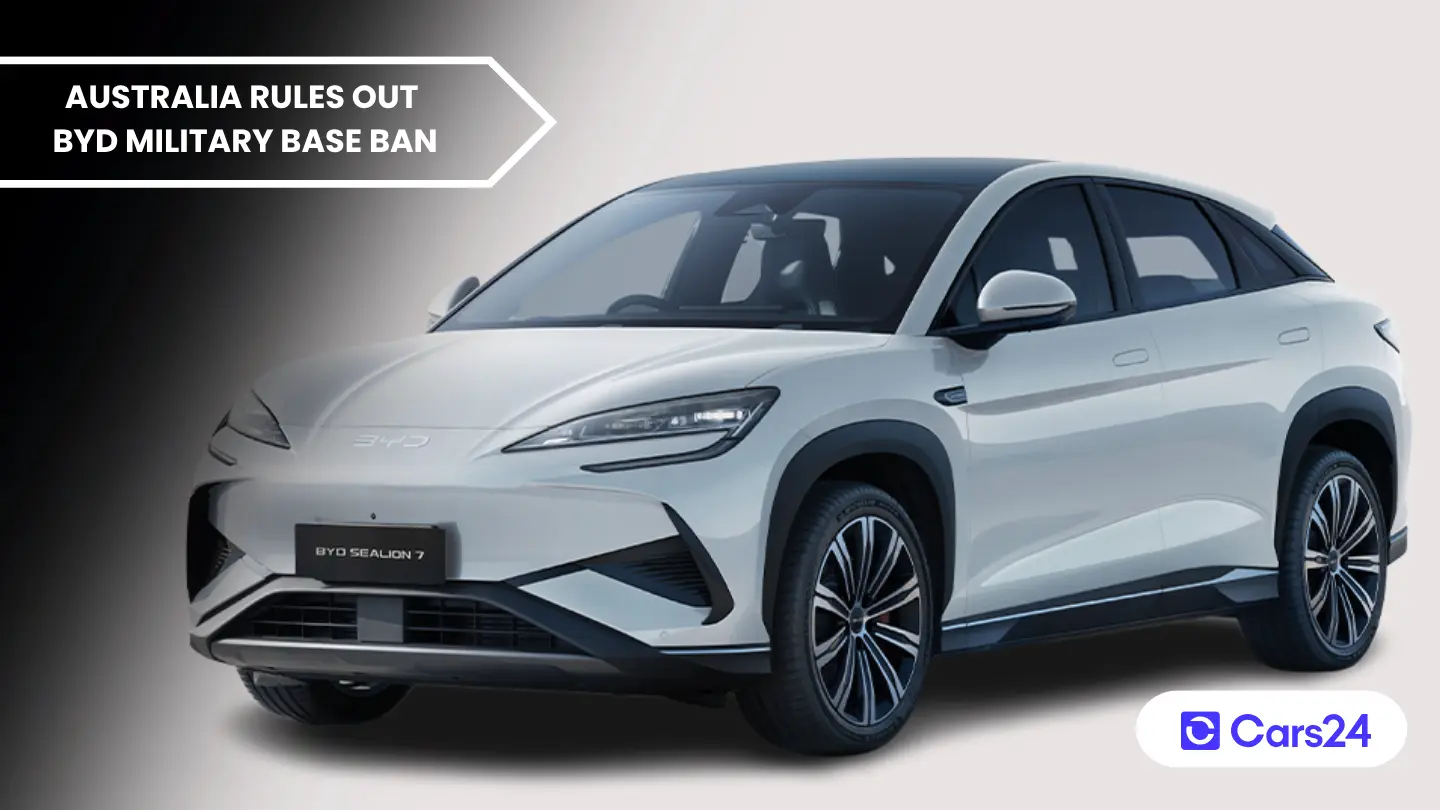
Australia will not follow the United States in banning BYD vehicles from military bases, with Defence Minister Richard Marles confirming the government has not taken similar steps.
Speaking to Reuters on 28 October 2026, Marles said Australia continued to monitor security around its defence facilities but had not introduced restrictions on Chinese-made vehicles.
“We obviously continue to monitor all the safety around our bases in every respect, but we haven’t taken that step,” he said.
His comments come after reports that the US military had barred BYD vehicles from Kadena Air Base on the Japanese island of Okinawa.
The development has brought renewed attention to the security risks associated with modern connected cars, particularly those manufactured by Chinese brands.
Unlike traditional vehicles, today’s connected cars can collect and transmit information through cameras, sensors, GPS systems and onboard communication equipment. This has raised questions about how that data is stored, who can access it and whether it could potentially be used to gather sensitive information.
Why BYD vehicles are raising security questions
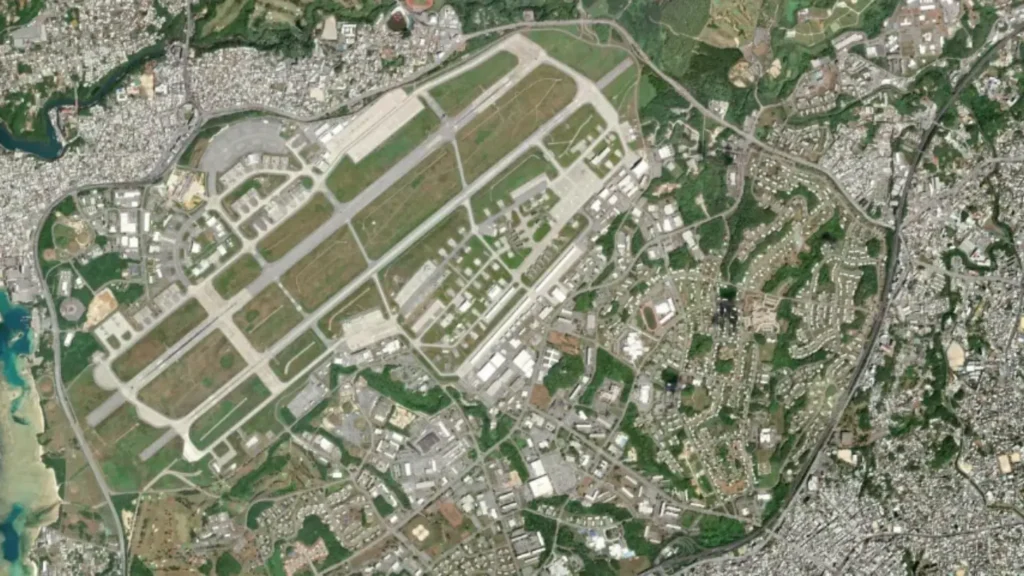
Kadena Air Base is one of the largest US military installations in Japan and has played an important role in the country’s military presence since the end of World War Two.
The concerns are not limited to Japan. The United States also maintains a significant military presence in Australia, including at the Joint Defence Facility Pine Gap and RAAF Base Tindal in the Northern Territory.
Tindal has hosted US military aircraft, including nuclear-capable bombers, making security around the facility particularly important.
Whether Chinese-made vehicles are permitted at these locations remains unclear. Questions put to the Australian Defence Force and the US Consulate about vehicle access at Pine Gap and RAAF Tindal had not received a response by the time of publication.
The issue has also attracted attention following an investigation by the ABC’s Four Corners program, which examined concerns about Chinese vehicles being owned by government ministers and potentially accessing sensitive national security locations.
Australia is not the only country considering restrictions
The United States is not alone in restricting Chinese-made vehicles around sensitive military locations.
Poland has also banned Chinese-built cars from military facilities over concerns about data security, while China has restricted Tesla vehicles from entering certain military sites.
The latter is particularly notable because Tesla is an American electric vehicle manufacturer, although its cars sold in markets including Australia and China are built in China.
The US also has a different automotive market to Australia. Chinese carmakers have not established the same presence in American showrooms, partly due to high import tariffs and restrictions on imports.
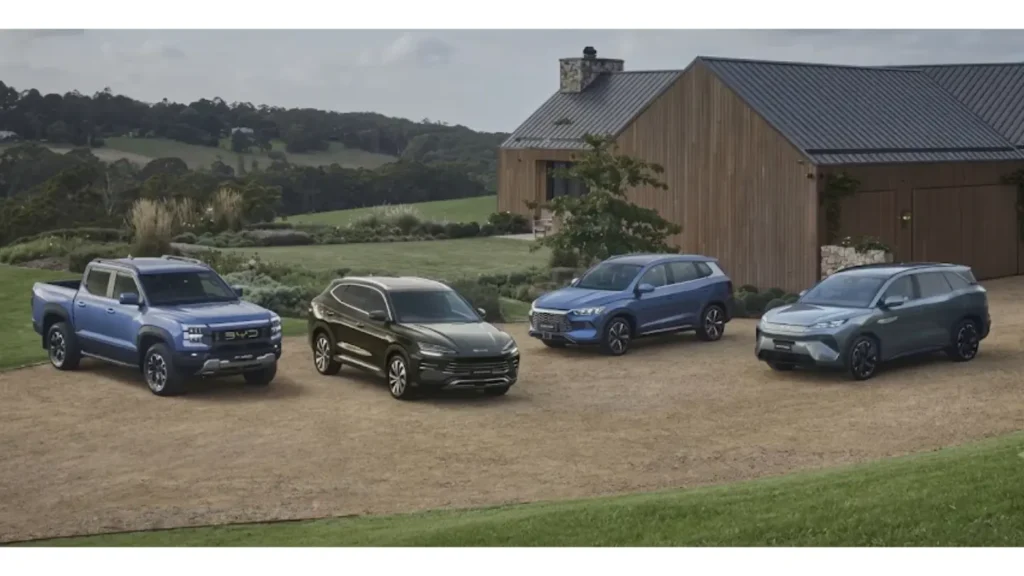
Australia, on the other hand, has seen a growing number of Chinese brands enter its new-car market, with BYD among the most prominent. Its expanding local range includes electric vehicles and plug-in hybrid models.
That makes the question of connected-car security more relevant to Australian drivers, government agencies and vehicle manufacturers.
What this means for Australian BYD owners
For now, Marles’ comments indicate that Australia is not planning to introduce a blanket restriction similar to the one reported at the US military base in Japan.
However, that does not mean security concerns around connected vehicles have gone away.
Modern cars increasingly rely on software, internet connectivity and cameras to operate features such as driver assistance, remote vehicle monitoring and navigation. These systems can generate large amounts of data, making cybersecurity and data handling important considerations for manufacturers and regulators.
For Australian BYD owners, there is no indication in the Defence Minister’s comments of any proposed restriction on ordinary vehicle use.
The broader debate is likely to continue as connected-car technology becomes more common and governments consider how to protect sensitive information without unnecessarily restricting access to vehicles.
For now, Australia appears to be taking a more cautious monitoring approach rather than following the US with a blanket ban on BYD vehicles at military facilities.

Comments
New Comment