





Australians could soon be filling up with slightly “dirty fuel” after the federal government temporarily relaxed fuel quality standards to boost domestic supply during global oil market disruptions. The change means Australian drivers could soon be using petrol with higher sulphur levels than normally permitted under national fuel standards.
Energy Minister Chris Bowen announced that Australia will allow higher sulphur levels in petrol for the next 60 days, a move designed to unlock additional fuel supply for the domestic market. The change is expected to free up about 100 million litres of petrol per month that would normally be exported overseas. Instead, it will be blended into Australia’s local fuel supply to help stabilise availability and prices. Fuel company Ampol has confirmed it will prioritise the additional supply for regional communities and the wholesale market used by independent fuel distributors.
The decision comes as global oil markets remain volatile, with the International Energy Agency (IEA) urging member countries to help ease supply pressures by releasing emergency stockpiles or taking steps to increase fuel availability.
What does ‘dirty fuel’ mean for Australian drivers?
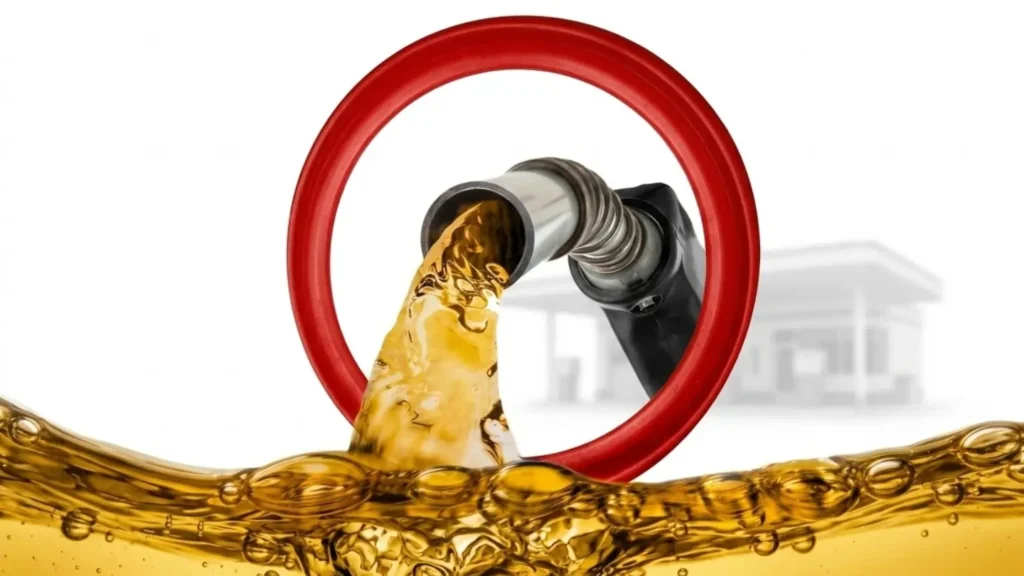
Despite the headline, motorists should not expect petrol to look or smell different at the pump. The term “dirty fuel” refers to higher sulphur content in petrol, a naturally occurring element in crude oil that is normally removed during the refining process.
Australia generally enforces very low sulphur limits because the chemical contributes to pollution and can interfere with modern vehicle emissions systems. Temporarily raising the limit allows refineries and fuel suppliers to blend petrol that would otherwise fall outside the country’s strict fuel quality rules.
In practical terms, this means the fuel is slightly less refined, not contaminated with debris or impurities.
What does it mean for your car?

For most drivers, the short-term impact is expected to be minimal.
Modern vehicles are designed to cope with variations in fuel quality. Engine computers continuously monitor combustion and automatically adjust ignition timing and fuel delivery to maintain performance.
Over the 60-day window, drivers may notice:
- slightly reduced fuel efficiency
- marginally higher exhaust emissions
- minor performance changes under heavy acceleration
However, mechanical damage from higher sulphur petrol typically occurs only after long-term exposure over thousands of kilometres, not from a few tanks of fuel.
To put the timeframe in perspective, consider Australia’s top-selling ute, the Ford Ranger. With an 80-litre fuel tank and a driving range of around 800 kilometres, the average Australian travelling about 265 kilometres per week would use fewer than three tanks of petrol during the two months.
The temporary rule change also only affects petrol, meaning diesel vehicles such as the Toyota HiLux will not be impacted.
Why is the government changing fuel standards?

The move comes as geopolitical tensions in the Middle East disrupt global oil supply routes, particularly around the strategically important Strait of Hormuz, through which a significant portion of the world’s oil shipments pass.
Concerns about shipping disruptions have pushed oil prices higher and prompted coordinated action from major energy-importing nations.
The International Energy Agency has encouraged member countries to respond collectively by releasing oil from strategic reserves or taking other steps to stabilise markets.
Australia relies heavily on imported refined fuel, making it vulnerable to global supply shocks. Temporarily relaxing sulphur standards is intended to increase local fuel availability without changing overall consumption levels.
For motorists, the government says the policy should help maintain fuel supply during a period of global uncertainty while having little noticeable impact on everyday driving.

Comments
New Comment