




Looking at Australia’s car sales in 2025 as per VFACTS, you might think utes like the Ford Ranger and Toyota HiLux rule the roads. While true, they don’t rule the driveways of Australians, as much of the demand for those utes comes mostly from fleets and businesses buying in bulk. Take them out of the equation (and the cost benefits that come with it), and the cars Australians are actually buying for themselves tell a different story.
Private buyers accounted for roughly half of all new-car sales in 2025, around 600,000 vehicles. Add in Tesla and Polestar numbers from the Electric Vehicle Council, and that jumps slightly to 625,000. And it’s among these households, not fleets, that we see which cars Australians truly love.
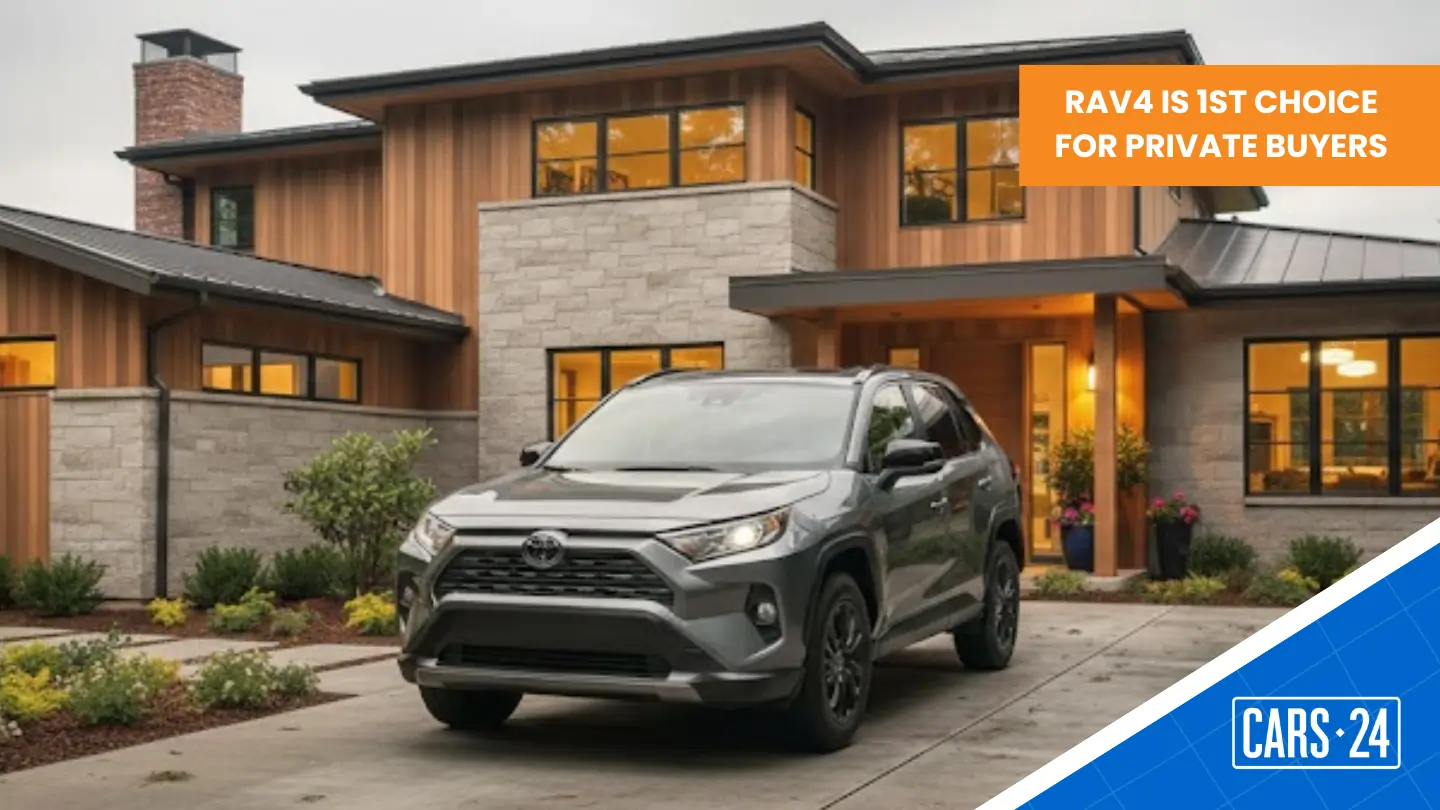
At the top? The Toyota RAV4. More than 31,000 Australians paid out-of-pocket for a RAV4 last year, making it the clear favourite among private buyers. It may not have been the country’s overall best-seller, but when you walk down driveways across the nation, the RAV4 is the one people are actually living with.
What cars do Australians actually buy?
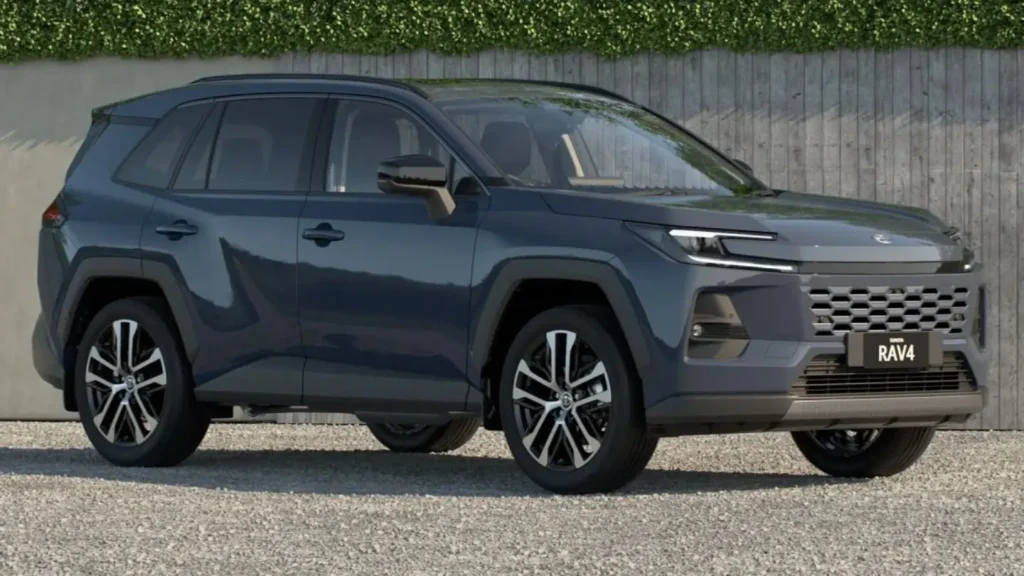
Here’s a snapshot of the top models among private buyers in 2025 as reported by VFACTS. Unsurprisingly, the SUVs dominate while electric vehicles punch above their weight, and traditional utes don’t look nearly as impressive. Let’s look at the top 7 cars that private buyers bought.
| Model | Private sales | Total sales |
| Toyota RAV4 | 31,413 | 51,947 |
| Tesla Model Y* | 17,628 | 22,239 |
| Mazda CX-5 | 15,951 | 22,742 |
| BYD Shark 6 | 15,564 | 18,073 |
| Hyundai Kona | 15,521 | 22,769 |
| Toyota HiLux | 12,529 | 51,297 |
| Ford Ranger | 11,516 | 56,555 |
*Tesla numbers come from the Electric Vehicle Council.
Although the Ford Ranger and Toyota HiLux are still popular overall, only a small slice of those chart-topping sales went to private buyers. Meanwhile, SUVs and electrified models are taking the crown among Aussie households.
EVs are catching on at home
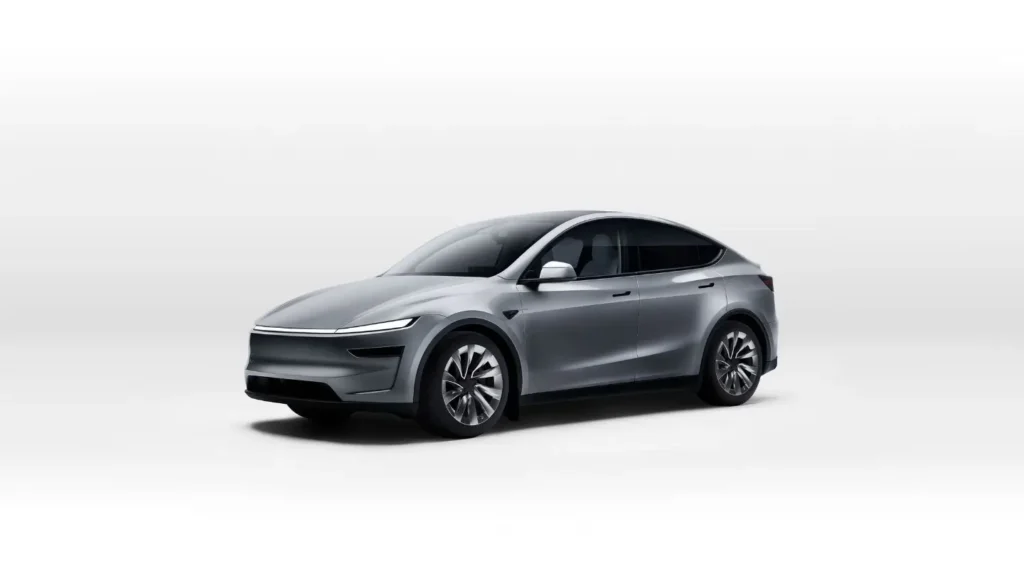
The Tesla Model Y ranked second among private buyers, and BYD’s Shark 6 plug-in hybrid ute snuck into fourth place, ahead of both the Ford Ranger and Toyota HiLux. More than eight in ten Shark 6s went to individuals, showing Australians are warming to well-priced EVs and hybrids when it’s their own money on the line.
Even the BYD Sealion 7 showed a similar pattern. Unlike the Ranger and HiLux, these EVs and hybrids aren’t dependent on fleet deals, people are choosing them because they want to.
Which cars depend most on private buyers?
Sales volume shows which cars sell the most. This view shows which cars rely most heavily on individual buyers to succeed.
By ranking models according to the share of sales going to private customers, rather than total volume, a different set of vehicles rises to the surface. Luxury and low-volume models naturally dominate this list, but the more interesting takeaway sits among everyday cars.
Several mainstream models record the majority of their sales with private buyers, suggesting their success is driven by personal choice rather than fleet or business demand.
| Model | Private sales | Total sales |
| Honda HR-V | 4,401 | 4,817 |
| BYD Shark 6 | 15,564 | 18,073 |
| Suzuki Jimny | 5,983 | 7,027 |
| BYD Sealion 7 | 11,384 | 13,410 |
| Polestar 2* | 626 | 746 |
*Polestar numbers from Electric Vehicle Council.
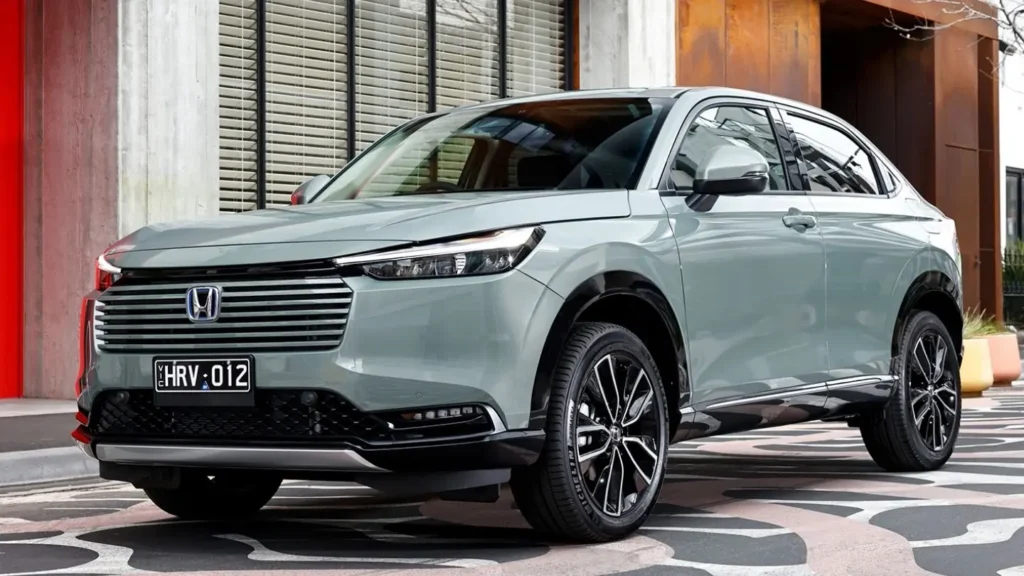
The Honda HR-V is a nice example. Not a top-seller overall, but when it does sell, it’s overwhelmingly bought by people, not fleets. That says something about its appeal as a personal car.
Who really shapes the Australian car market?
Overall sales charts tend to favour vehicles that perform well with fleets, but private-buyer data tells what the public wants to drive home. When Australians were choosing their personal cars in 2025, they consistently gravitated towards small and mid-size SUVs, with a growing appetite for hybrids. They favoured models that focus on comfort, efficiency and everyday usability over outright durability and loading capacity. It’s a useful reminder that a car’s popularity depends on who is buying it, and that the cars in Australian driveways don’t always align with the ones dominating the industry headlines.

Comments
New Comment